
Sea breeze from Shenzhen Bay sweeps across Shenzhen Talent Park, where three Gen‑Z young adults from South Korea, China and Vietnam sit together. Spread across their knees are postcards filled with personal doubts and hopes.
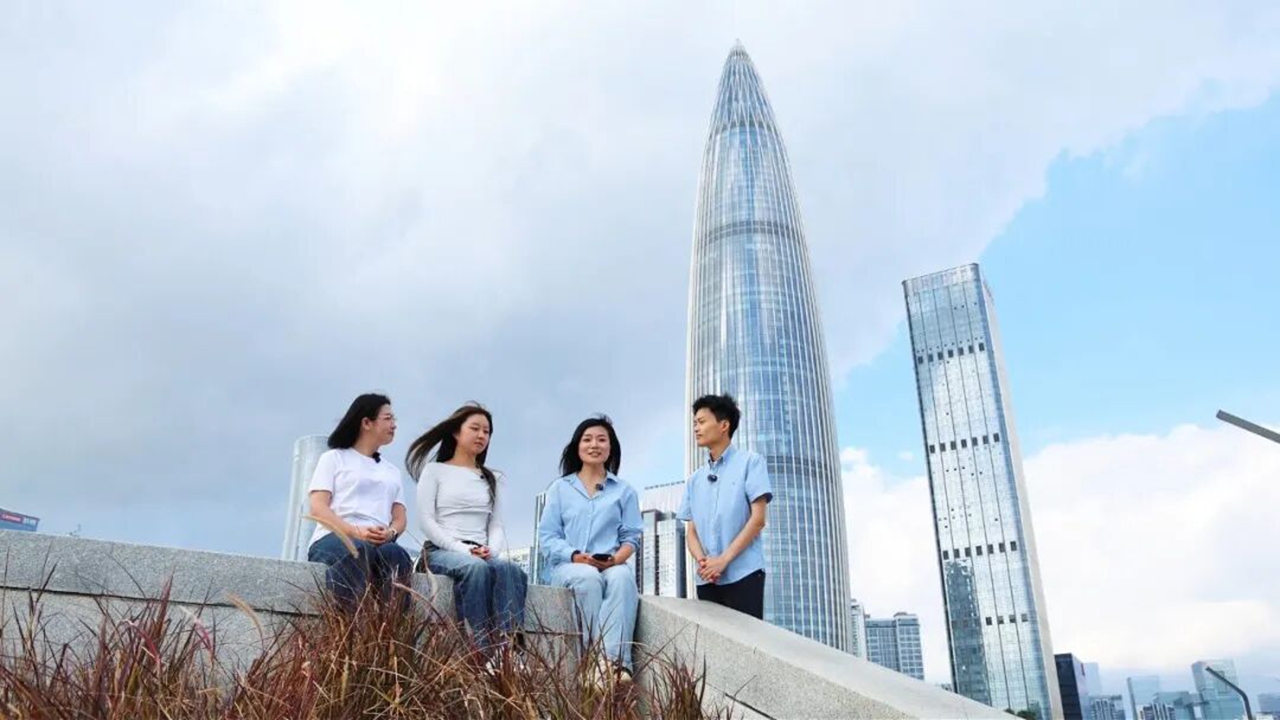
As global attention turns to Shenzhen for APEC China 2026, a subtle story unfolds. The three young people meet in Shenzhen, each bringing perspectives from APEC's previous, current and next host locations.
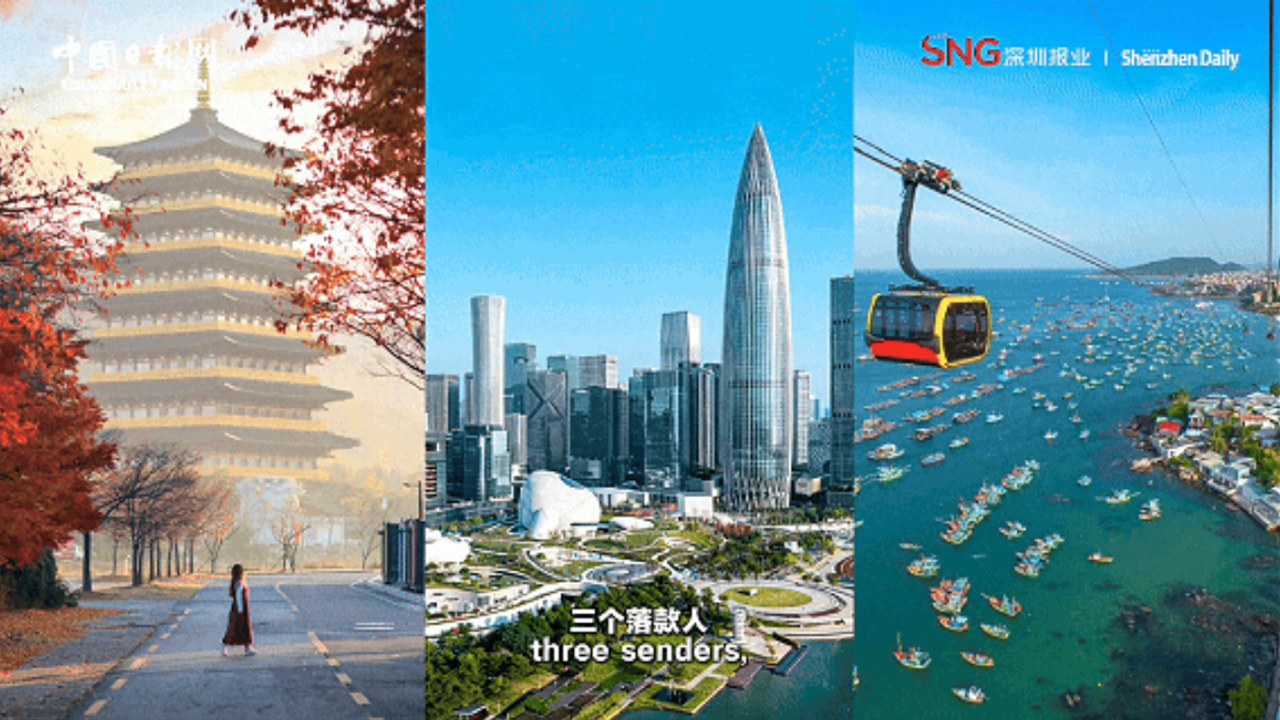
Two‑Way Exchanges in Shenzhen
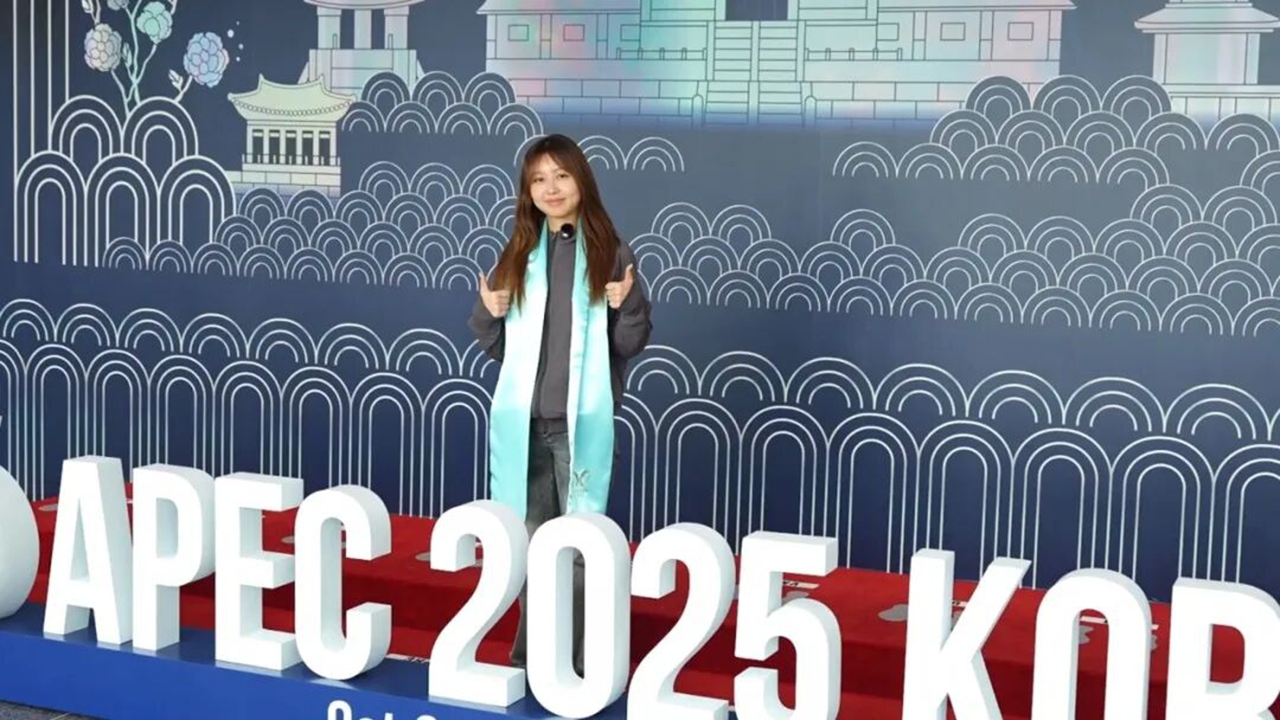
Jeong Song‑hwa, from Sokcho, South Korea, is a first‑year postgraduate student majoring in journalism and communication at Shenzhen University, as well as a cross‑border lifestyle content creator. On her postcard, she writes her worry: "I am afraid cultural differences will keep us from understanding each other."

Back in the 1990s, Jeong's father came to China for business and met her mother here. Her given name "Song hwa" is taken from the Songhua River in Northeast China, an inspiration stemming from her grandfather's many visits to China. Before coming to Shenzhen, she feared cultural barriers would get in the way of communication. Yet Korean fashion brands are easy to spot in Shenzhen's shopping malls. Back home in South Korea, she has also witnessed a growing number of Chinese consumer products gaining popularity among young people.
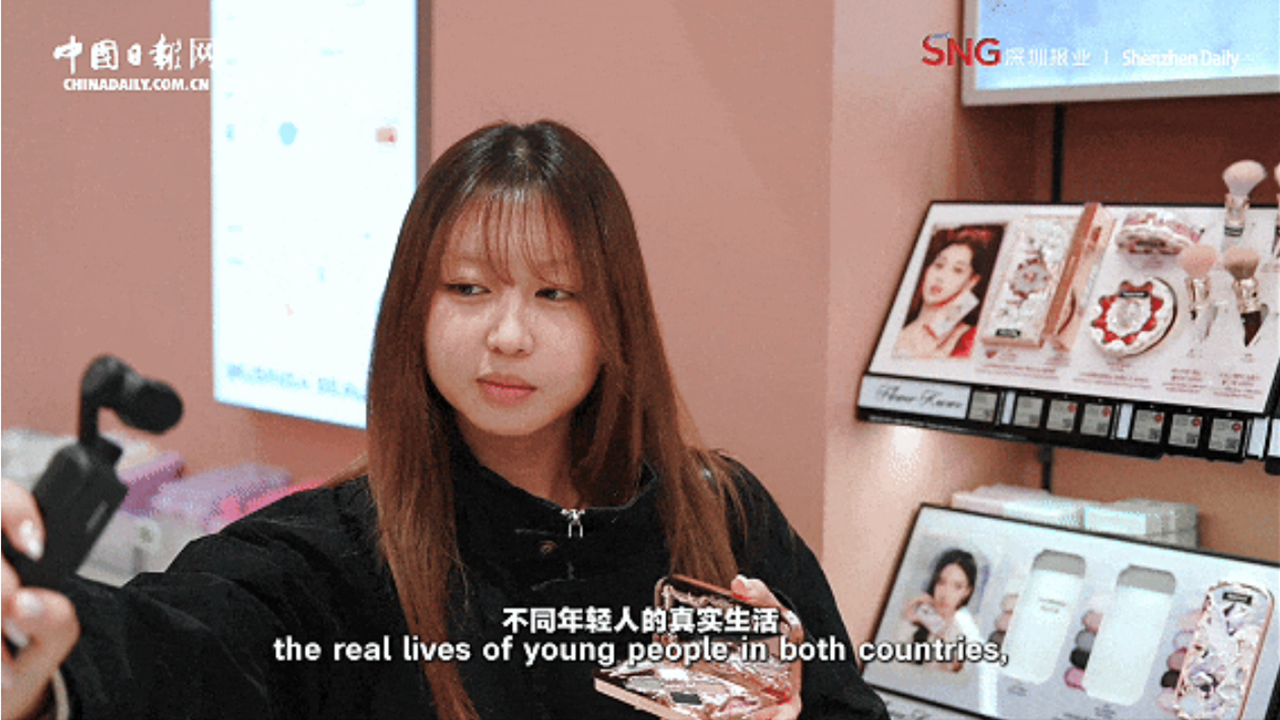
"In MUSINSA BEAUTY in Seoul, I bought blush and eyeshadow from a Chinese cosmetics brand. It felt so warm, as if my hometown and my city of study had been connected," Jeong recalled.
Statistics from the Korea Customs Service show China‑sourced cosmetic imports reached $ 146.38 million in 2025, marking a 29‑percent year‑on‑year growth. In the first half of 2026, imports stood at $ 83.95 million, up 28.3 percent year on year. Behind these figures lies the two‑way flow of aesthetics and lifestyles.
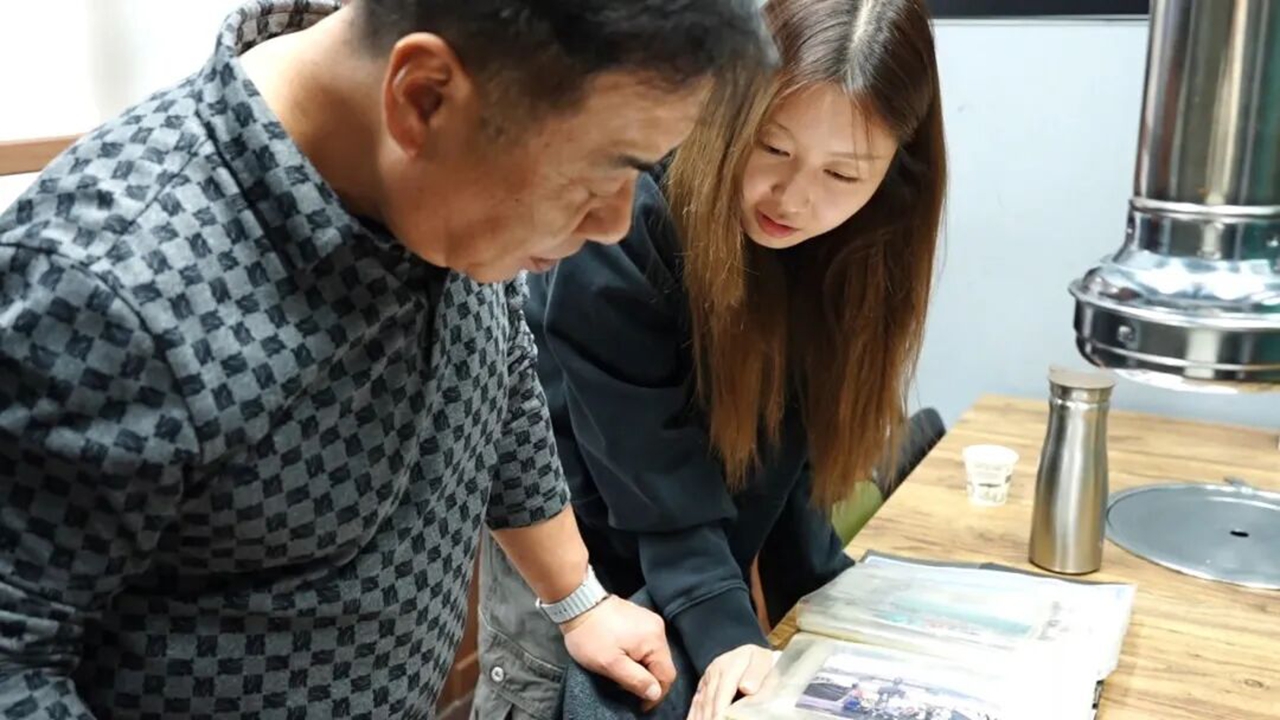
Her father encourages her to pursue her career in Shenzhen, hoping she can witness the city's dynamic development first‑hand. Jeong does not expect videos to erase all cultural gaps. Through beauty‑themed short videos, she encourages young people to embrace beauty while breaking free from rigid aesthetic stereotypes. "Cameras may not resolve disagreements, yet they allow us to see one another. To see is the very beginning of understanding."
Learning Beyond the Headlines
While Jeong brings reflections from the previous APEC gathering to Shenzhen, Ma Junbang works right at the heart of this year’s event. On his postcard lies his anxiety: "I am afraid only I myself will watch my videos."
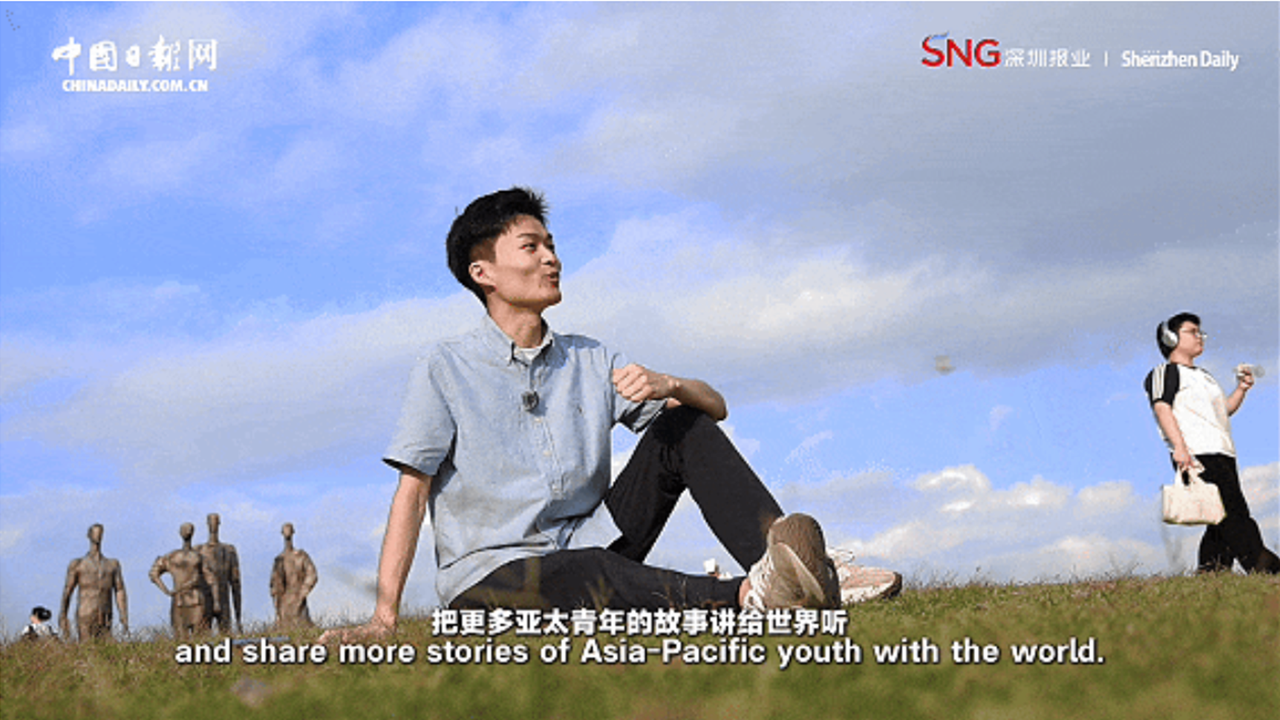
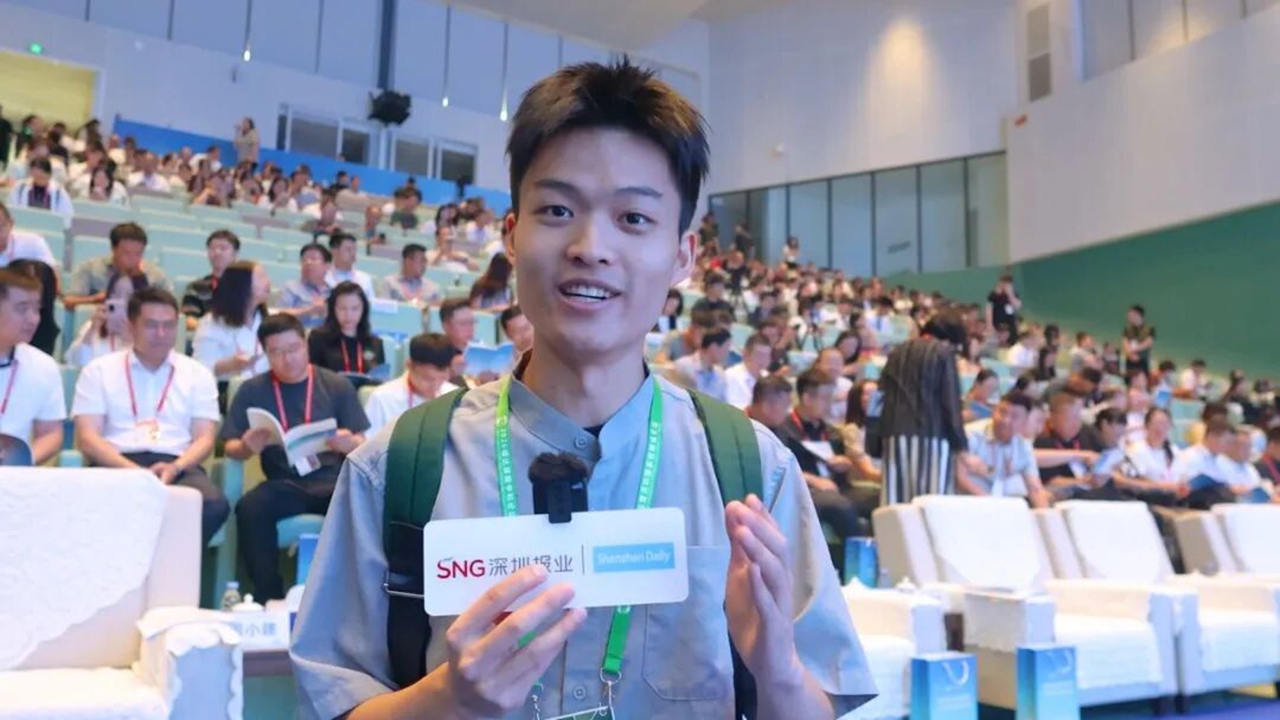
A graduate from the Communication University of China, Ma joined Shenzhen Daily in summer 2026. For the young multimedia journalist, the summit brings both opportunities and challenges.
At first, he aimed to produce high‑viewership international communication content. He documented technological innovation in Qianhai, interviewed global merchants in Huaqiangbei, and developed his video column designed to answer overseas netizens’ questions through on-site visits, presenting authentic Shenzhen to overseas audiences through immersive reporting.
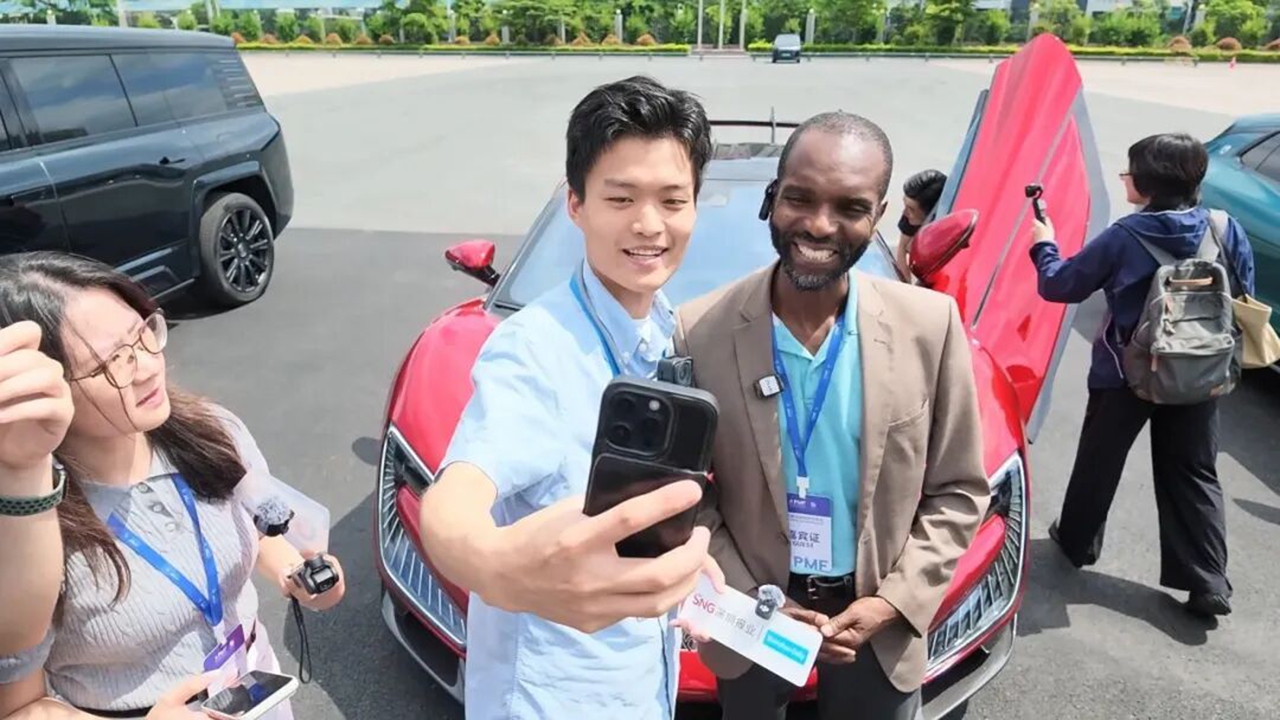
After constant conversations with young people and foreign professionals across the Asia‑Pacific, he has come to realize one thing. "Effective cross‑border communication is more than one‑sided storytelling — it stems from real‑life encounters and listening," he said.
Rather than fixating on view counts, he prioritizes building an international network of contacts. Through face‑to‑face exchanges, he helps international friends learn about Shenzhen, while gaining insights into the diverse Asia‑Pacific world.
Taking Chinese beyond Textbooks
Truong Le Na comes from Da Nang, Vietnam. She is a postgraduate student majoring in international Chinese language education at Peking University Shenzhen Graduate School.
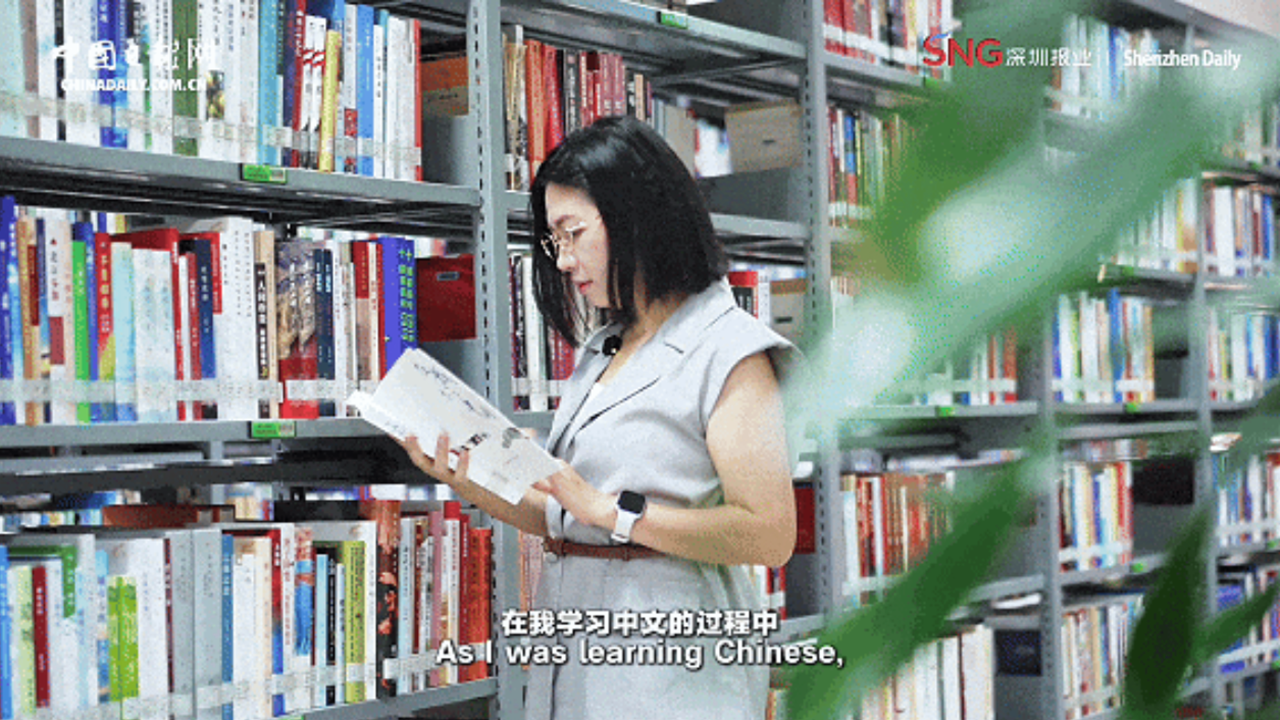
Boasting nearly 400,000 followers across global social‑media platforms, she runs the Chinese‑language center "Daily Chinese" in her hometown. Her concern is noted on the postcard: "I am afraid Chinese knowledge will remain confined to textbooks, disconnected from real‑life scenarios."
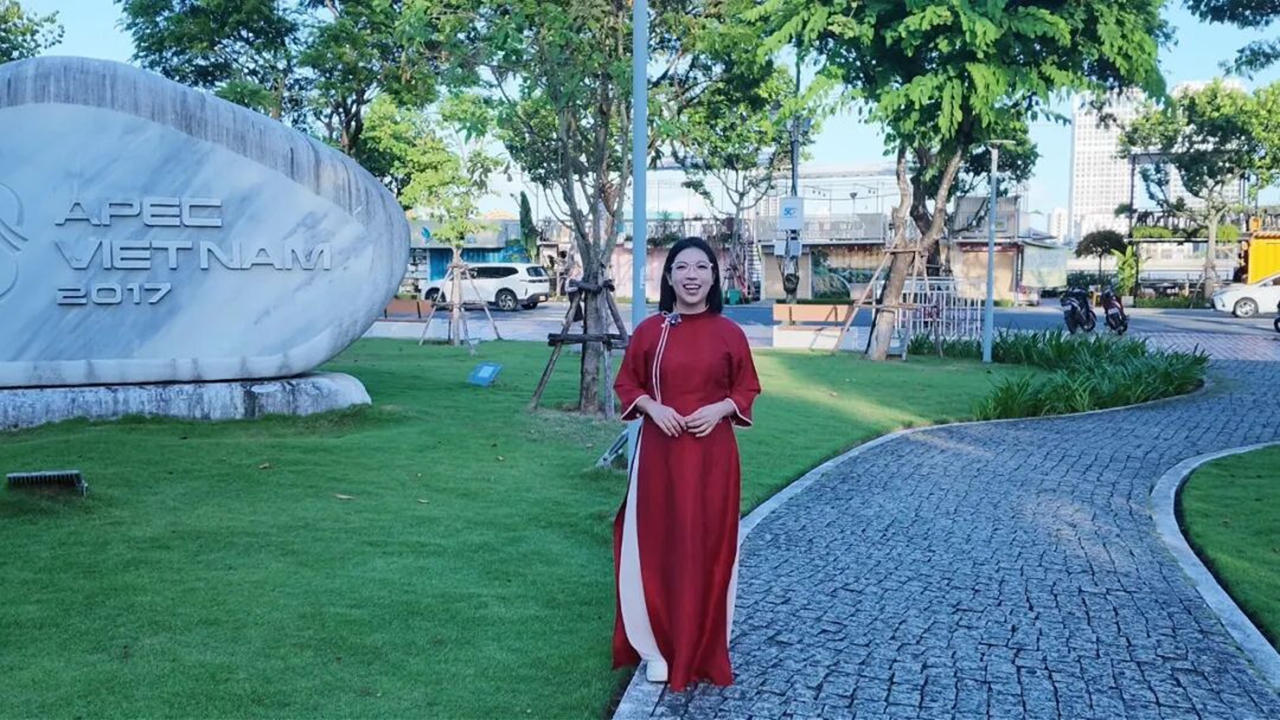
Truong began learning Chinese after APEC Vietnam 2017 was held in Da Nang, which opened the city wider to the world and triggered a local boom in Chinese‑language learning. Her Chinese-language center has trained more than 500 Vietnamese students within two years. In class, she repeatedly guides students through the four Mandarin tones: ā, á, ǎ, à. Beyond characters and grammar, she wants her students to connect language learning with real‑world opportunities.
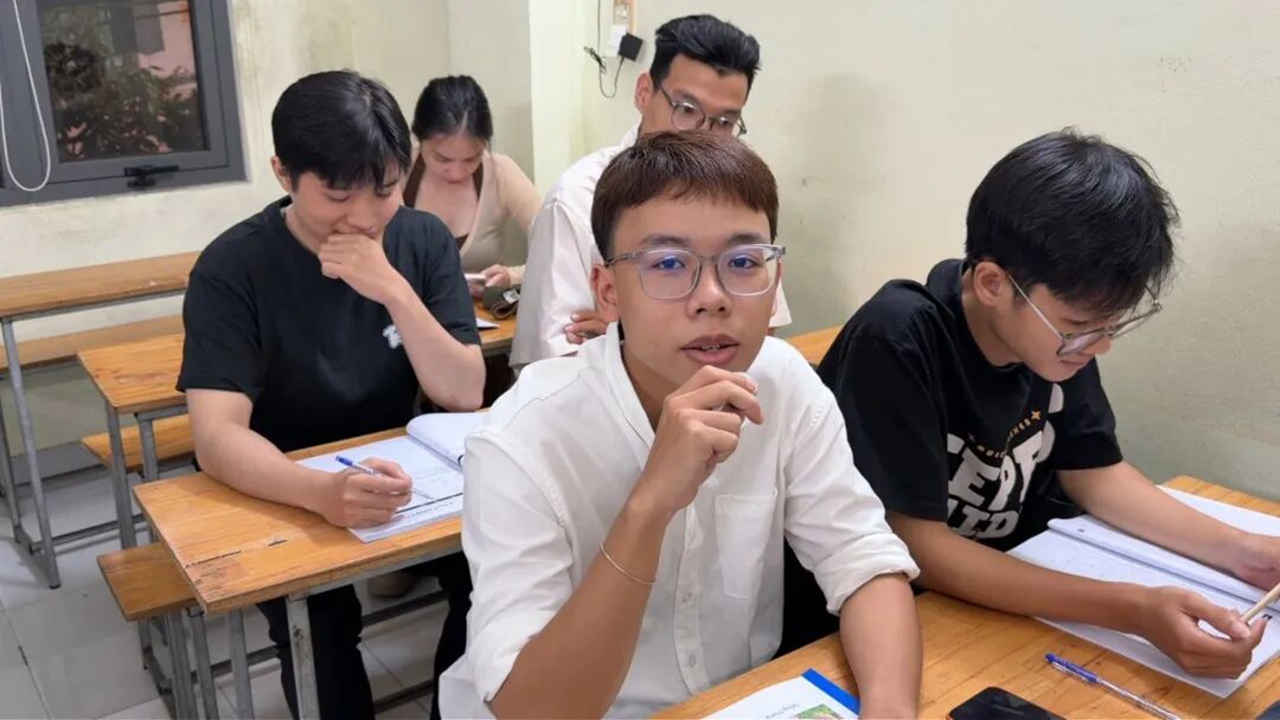
"Learning Chinese helps me understand Chinese culture better and opens up more possibilities for my future study and career," shared Tao Van Duy, a computer‑science student from Truong’s Chinese‑language center. Another student, who is a project manager at a Taiwan‑funded enterprise, added: "Chinese‑language proficiency landed me my ideal job and enables me to cooperate with Chinese clients."
According to Vietnamese recruitment platform Joboko's 2025 salary report, out of roughly 582,000 job postings in 2025, around 13 000 positions required Chinese‑language skills — a nearly 50‑percent rise compared with 2024. Amid expanding cross‑border trade, Chinese has become a practical tool for Vietnamese youth accessing Asia‑Pacific markets.
Now based in Shenzhen, Truong has set her sights on Phú Quốc, host of the next APEC meeting. She hopes the summit will boost local cultural tourism and create more jobs for Vietnamese young people. "An APEC meeting lasts only a few days, yet its impact can span generations."
The Final Lines on the Postcards
Those postcards carrying youthful doubts have found their answers in Shenzhen. Summits are time‑limited events, yet the baton of Asia‑Pacific cooperation has passed to ordinary young people.
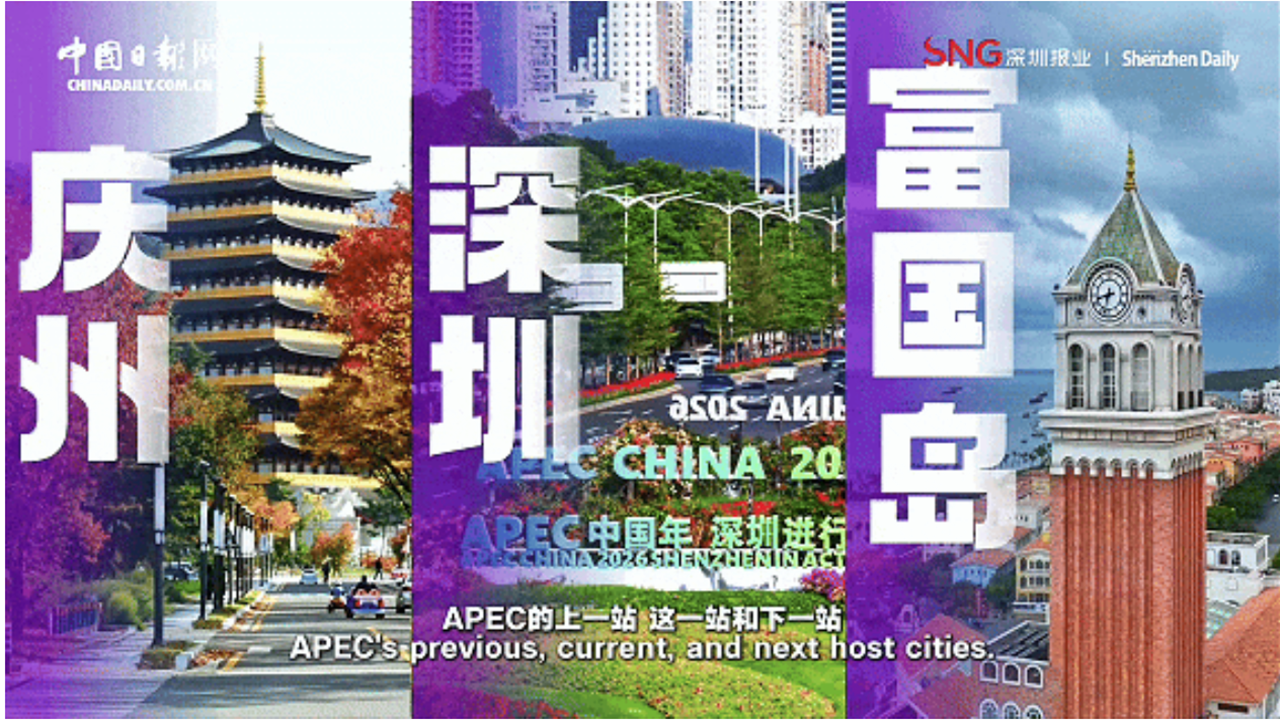
In this key hub for Asia‑Pacific engagement, Jeong finds inclusivity amid two‑way exchanges; Ma gains new understanding of communication through equal‑footed encounters; Truong links Chinese‑language education to tangible real‑world opportunities.
The APEC story unfolds far beyond conference halls. It can be found inside Chinese‑language classrooms, cross‑border parcels and short‑video clips. Gen‑Z young people across the region are building a more closely‑connected Asia‑Pacific with their own efforts.
-
APEC Z-lens ⑥ | Connecting campuses, connecting futures
-
APEC Z-lens ⑤ | Another dimension of Asia-Pacific connectivity
-
APEC Z-lens ④ | Learning about APEC from experts: A bridge that connects us
-
APEC Z-lens ③ | Making the first step of innovation easier
-
APEC Z-lens ② | At intl. block: Understanding APEC's two-way endeavor
-
APEC Z-lens ① | The future is not consensus given, but connection built
-
Universities gather at CUHK-Shenzhen for 9th International Partner Day
-

Music, arts and cultural exchange mark college's 10th anniversary
-
PKU STL team finishes as runner-up at FDI Moot Global Rounds in Shenzhen
-

Shenzhen's reform story comes alive for young sinologists
-

International students explore Chinese culture through winter camp
-
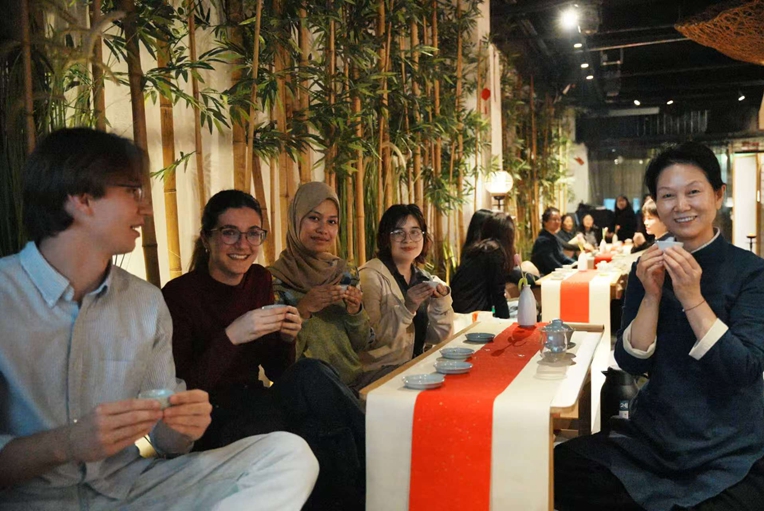
International students enjoy Chinese tea culture
-
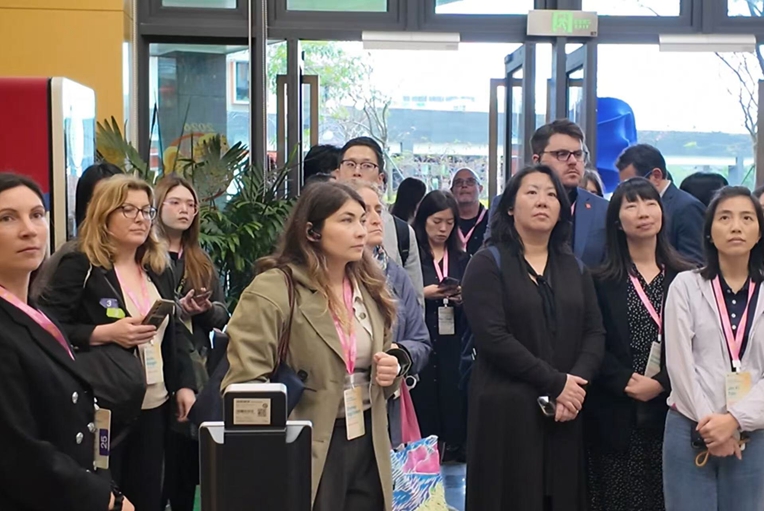
Universities gather in Shenzhen to explore international education cooperation ahead of APEC
-
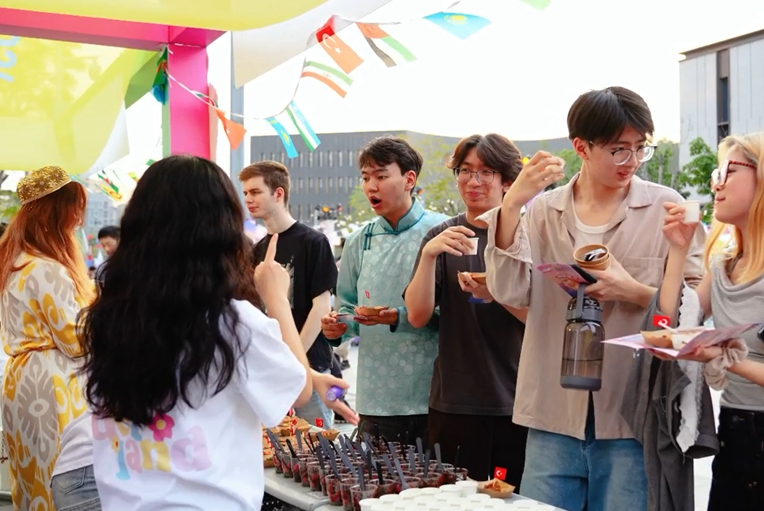
International Day brings 40 cultures on campus
-
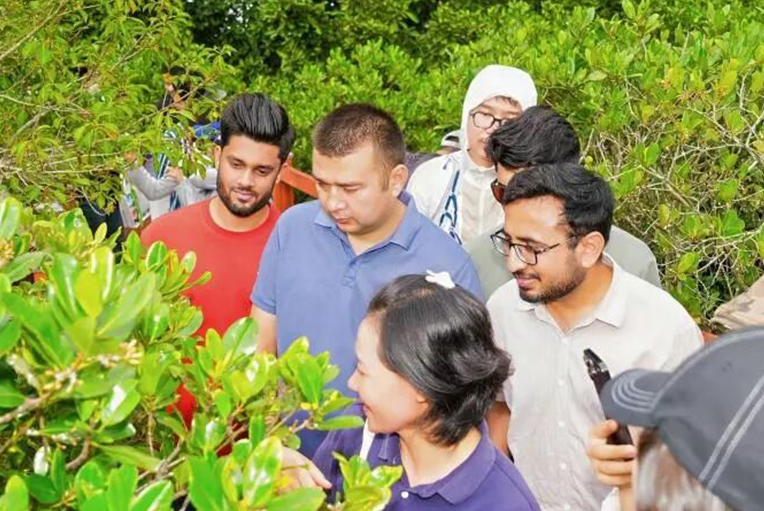
Intl. students explore coastal ecology in Dapeng
-
Dapeng hosts cultural exchange with Sydney art troupe
-
International students share their China stories at Chinese Bridge contest
-

International youth share cultures at carnival