
 Share


 Print
Huanggang Port
From: Original
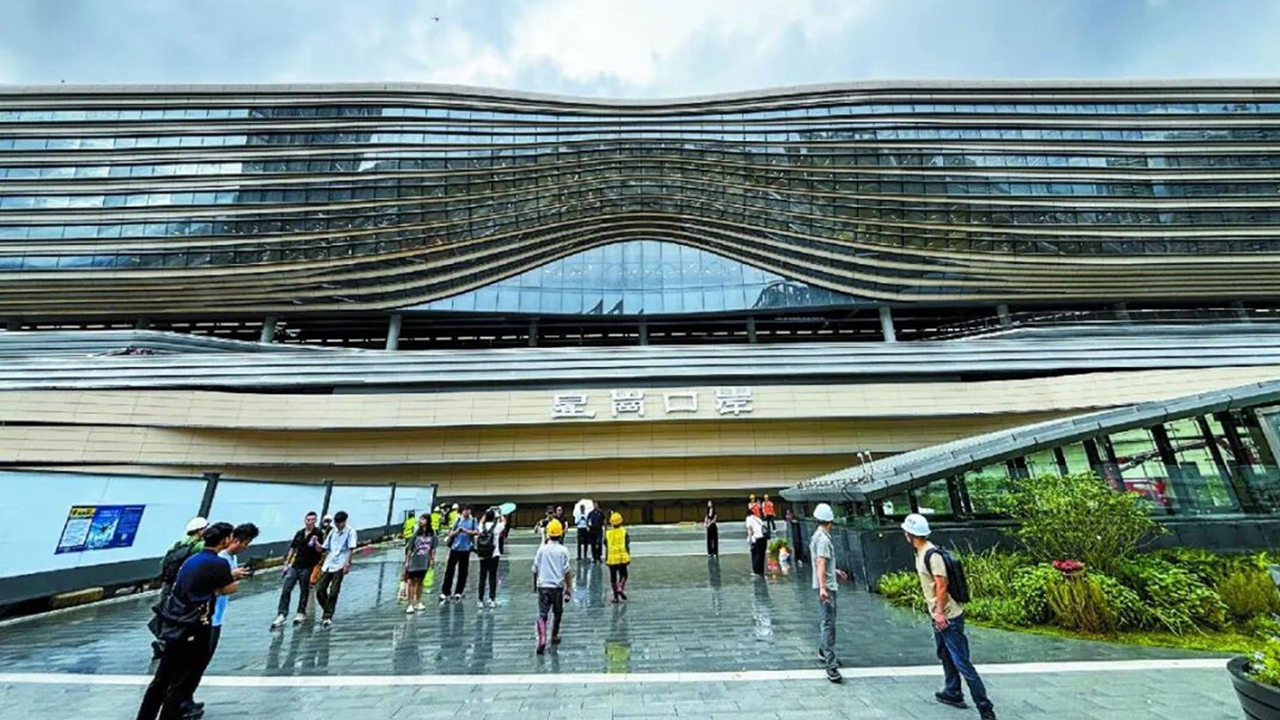
An exterior view of the new Huanggang Port in Futian District, Shenzhen. Photos by Hong Kong Commercial Daily
The new Huanggang Port provides round-the-clock immigration clearance services for passengers and passenger vehicles. With the opening of the new facility on Oct. 12, 2026, passenger inspection services at Shenzhen’s temporary Huanggang Port inspection building and Hong Kong’s Lok Ma Chau Control Point has been suspended.
The Hong Kong area of the new Huanggang Port operates under the jurisdiction of the Hong Kong Special Administrative Region in accordance with Hong Kong law.
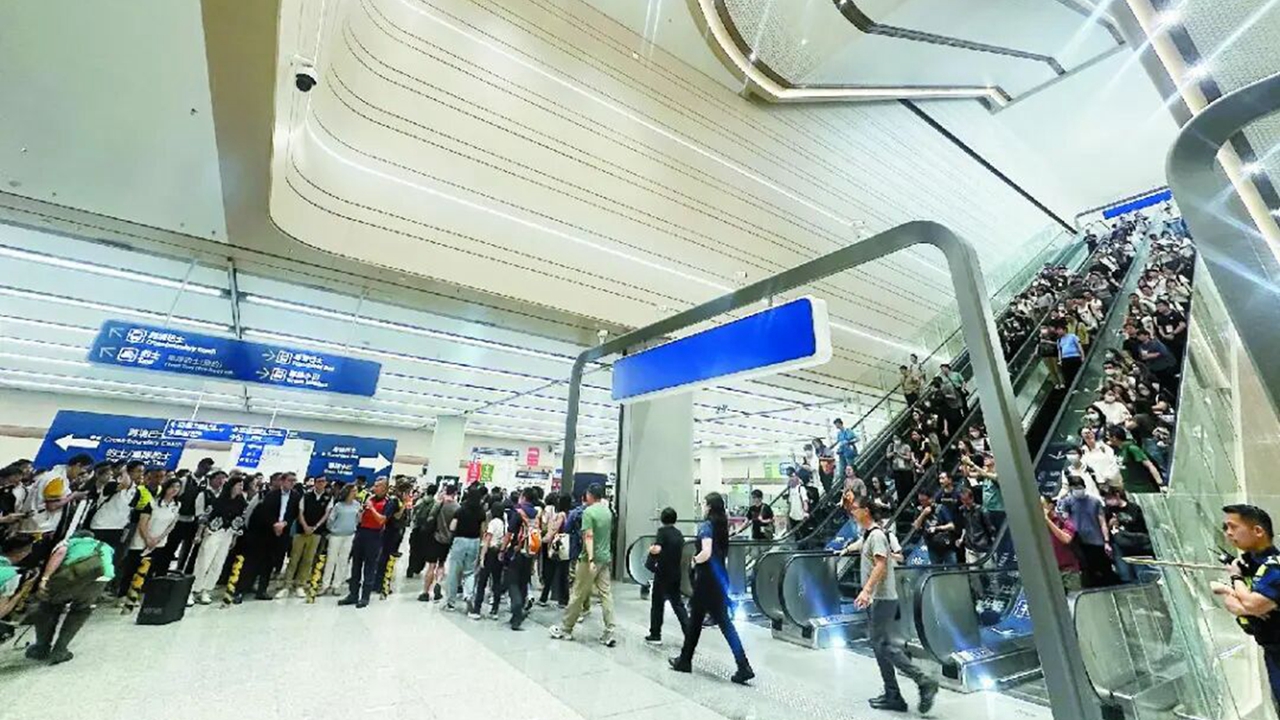
Participants take part in a passenger-flow stress test at the Hong Kong port area of the new Huanggang Port prior to its official opening.
Positioned as a dedicated passenger border-crossing facility, the new Huanggang Port has a total floor area of approximately 689,700 square meters, with 134 self-service inspection channels and 68 manual inspection counters.
The checkpoint adopts an innovative “one location, two inspections” system under which travelers need to present their travel documents only once to complete immigration procedures for both Shenzhen and Hong Kong. The fastest processing time at the automated channels is expected to be about 20 seconds.
The port is designed to handle up to 300,000 passengers a day during peak periods.
Located in Futian District and adjacent to the Hetao Shenzhen-Hong Kong Science and Technology Innovation Cooperation Zone, the Huanggang Port has a direct underground connection to Metro Line 7. The Qianhai-Huanggang Port section of the Guangzhou-Shenzhen Intercity Railway, which is under construction, will also terminate at the port.
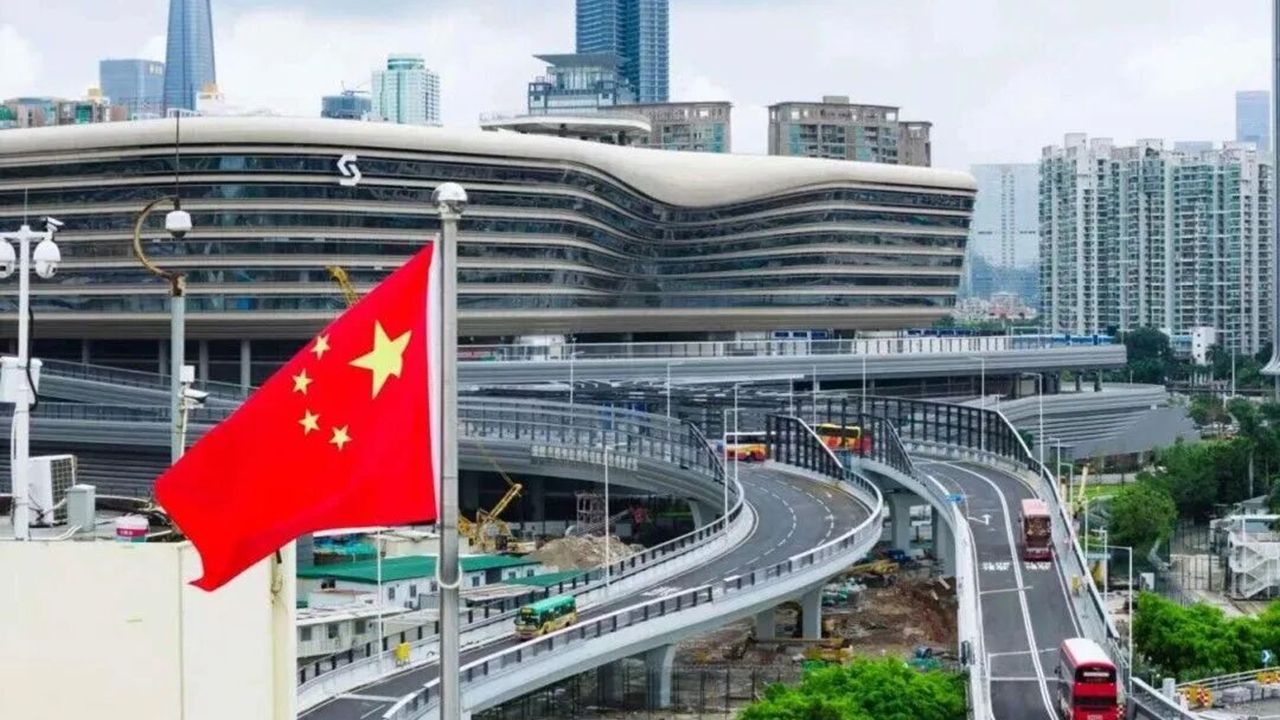
The redeveloped Huanggang Port in Futian, Shenzhen, with elevated roads connecting to its new passenger terminal. The border crossing is preparing to reopen. Photos from WeChat account "深圳福田”
The redeveloped Huanggang Port features expanded public transport connections and new passenger facilities. According to Hong Kong's Transport Department, the new port is served by franchised bus routes, green minibus routes and short-haul cross-border coach routes operating around the clock.
The services will connect the port with destinations across Hong Kong Island, Kowloon and the New Territories. The franchised bus routes will serve MTR stations and bus interchanges, making it easier for passengers to transfer to other parts of the city.
The five existing 24-hour cross-border coach services continues to connect travelers with areas including Mong Kok, Jordan, Kwun Tong, Wan Chai and Tsuen Wan.
The port building also offers connections to buses, taxis and private vehicles. On the Shenzhen side, an underground interchange provides direct access to Metro Line 7 without requiring passengers to go above ground.
To handle peak-hour passenger traffic, Hong Kong transport operators will station backup vehicles near the port, allowing additional buses to be deployed quickly when demand rises.
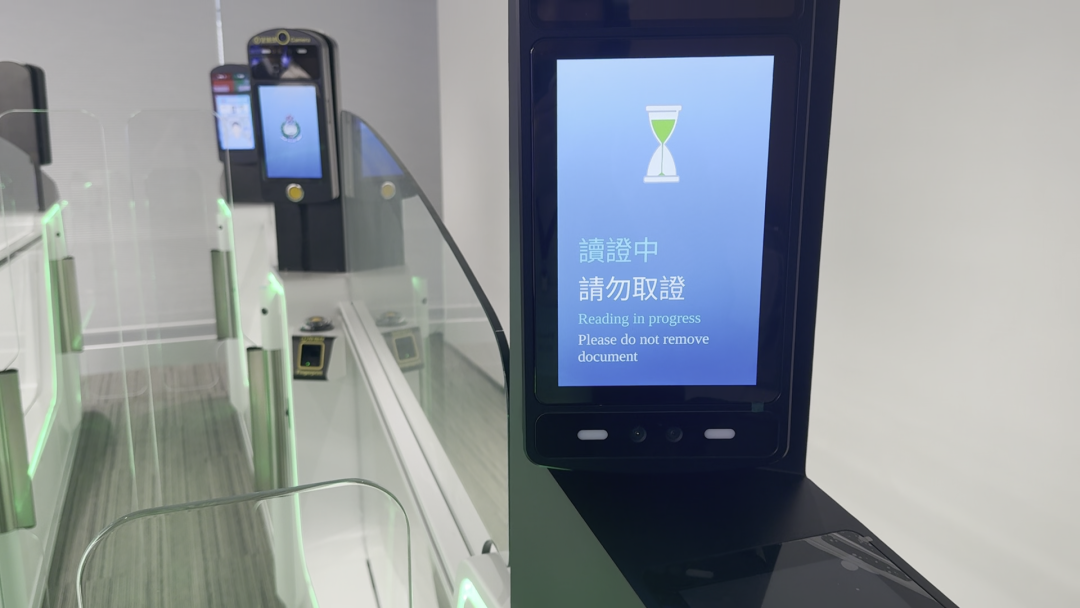
An automated immigration clearance gate at the redeveloped Huanggang Port, where a new joint-clearance system is designed to speed up border crossings.
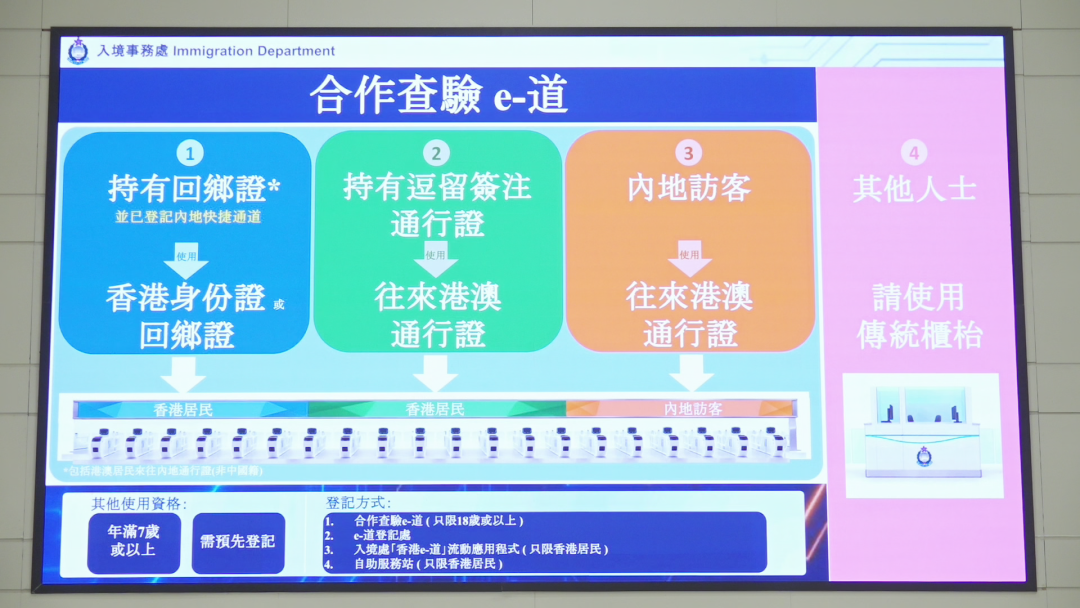
An information display explains eligibility requirements and document procedures for automated immigration clearance at the Hong Kong side of the Huanggang Port.
The new clearance system allows eligible travelers to complete immigration formalities for both jurisdictions by presenting their travel documents and verifying their identities once.
The automated e-Channels feature an integrated three-gate design. Manual counters place Hong Kong and Shenzhen immigration officers side by side, allowing travelers to complete both sets of procedures after queuing once.
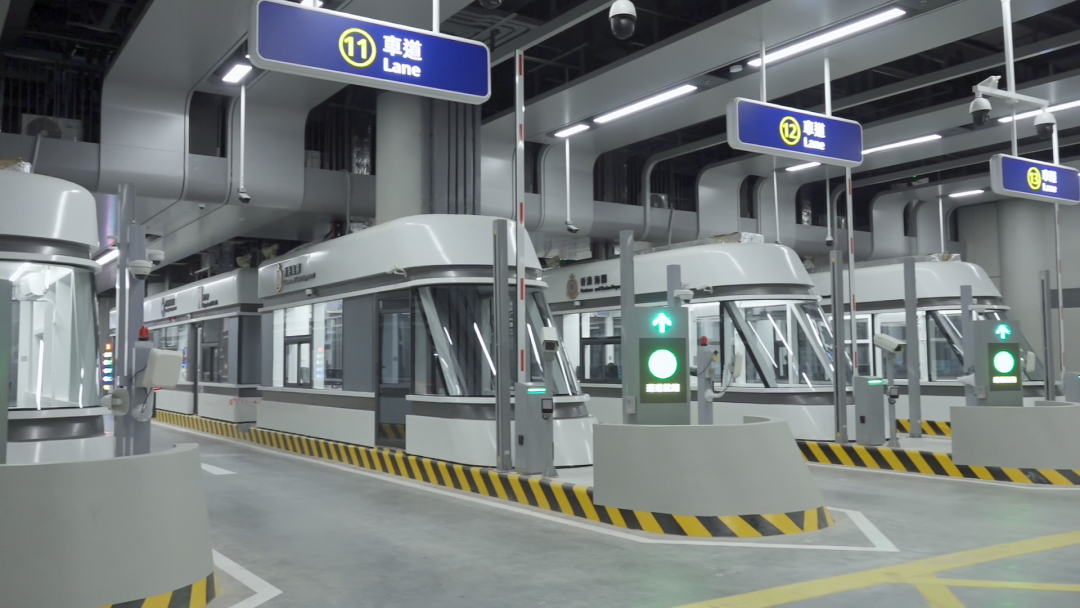
Joint inspection lanes at the new Huanggang Port will allow eligible drivers to complete border-crossing procedures without leaving their vehicles.
For vehicles, the port will introduce joint one-stop inspection lanes that combine checks by five agencies: Shenzhen Customs, Shenzhen immigration authorities, Hong Kong's Immigration Department, Department of Health and Customs and Excise Department.
Drivers will be able to complete the checks without leaving their vehicles. According to the source report, Hong Kong customs officials expect the new system to reduce vehicle clearance times from about 10 minutes to two minutes.
The multilevel port complex will house a service center, nursing rooms, currency exchange counters, telecommunications services, duty-free shops and convenience stores. Accessible restrooms and elevators will also be available.
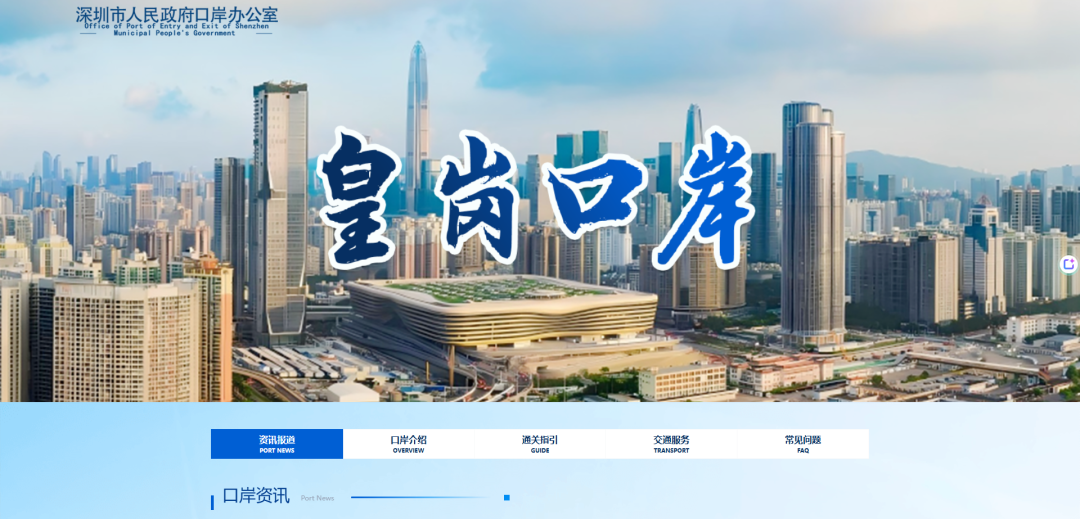
A screenshot of the new Huanggang Port information portal launched by Shenzhen's port authorities to help cross-border travelers plan their journeys.
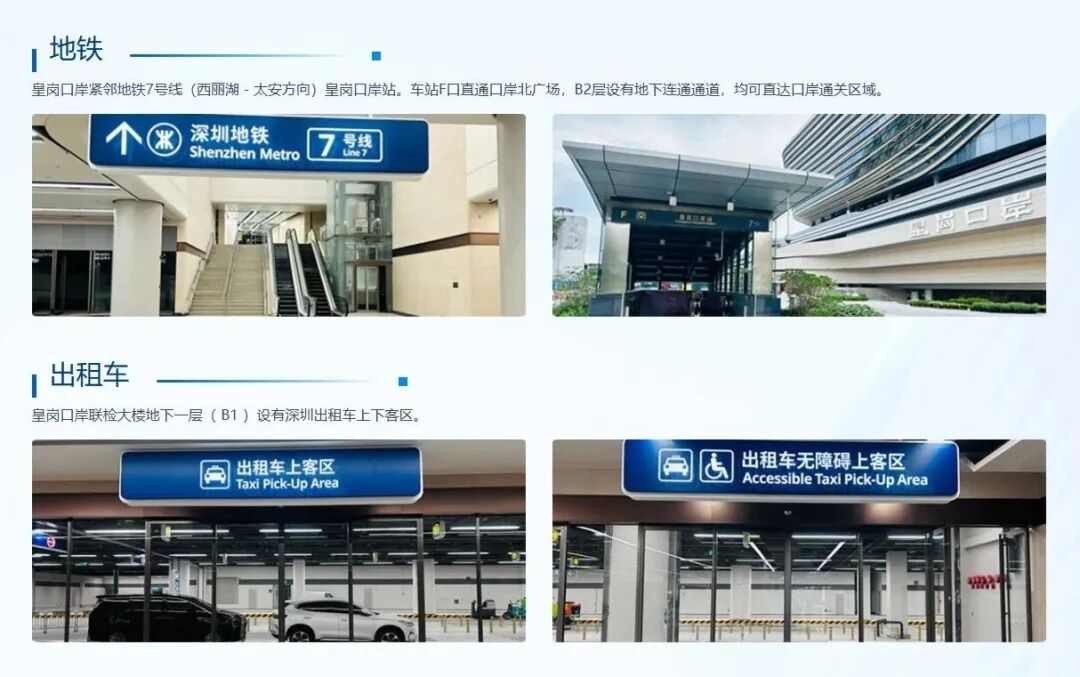
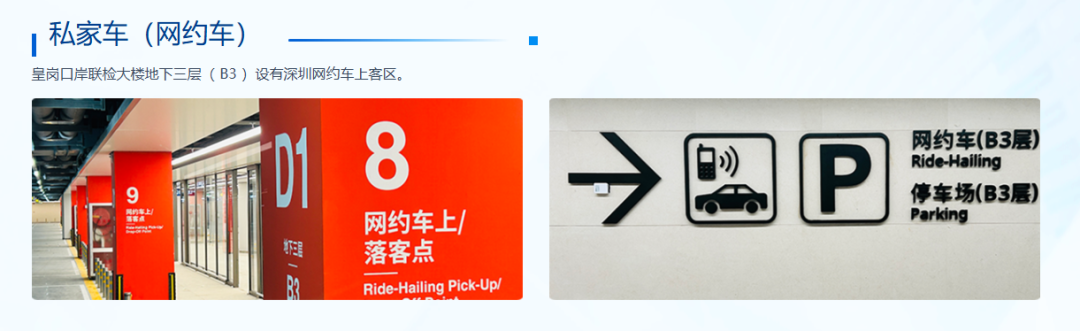
Images from the official Huanggang Port website show access to Shenzhen Metro Line 7 and designated taxi and ride-hailing pick-up areas at the new terminal.
The Shenzhen Municipal Government Port Office has launched a dedicated Huanggang Port webpage providing information on transport connections, border-crossing procedures and passenger services. The portal includes travel guidance for both Shenzhen-bound and Hong Kong-bound passengers, covering cross-border coaches, taxis, private vehicles and rail connections.