
 Share


 Print
At intl. block: Understanding APEC's two-way endeavor
Writer: Monica Monserrat Betancourt Marin | Editor: Cao Zhen | From: Original | Updated: 2026-11-16
When talking about APEC, people often picture summit venues, economic and trade agreements, and diplomatic negotiations. Focusing my observation on Shekou Subdistrict in Nanshan District, I have found that Asia-Pacific cooperation exists far beyond conference halls. It takes root at the grassroots level of cities, amid street-market vibes and everyday conversations among ordinary people. Grand regional issues ultimately come down to real-life experiences of individuals.
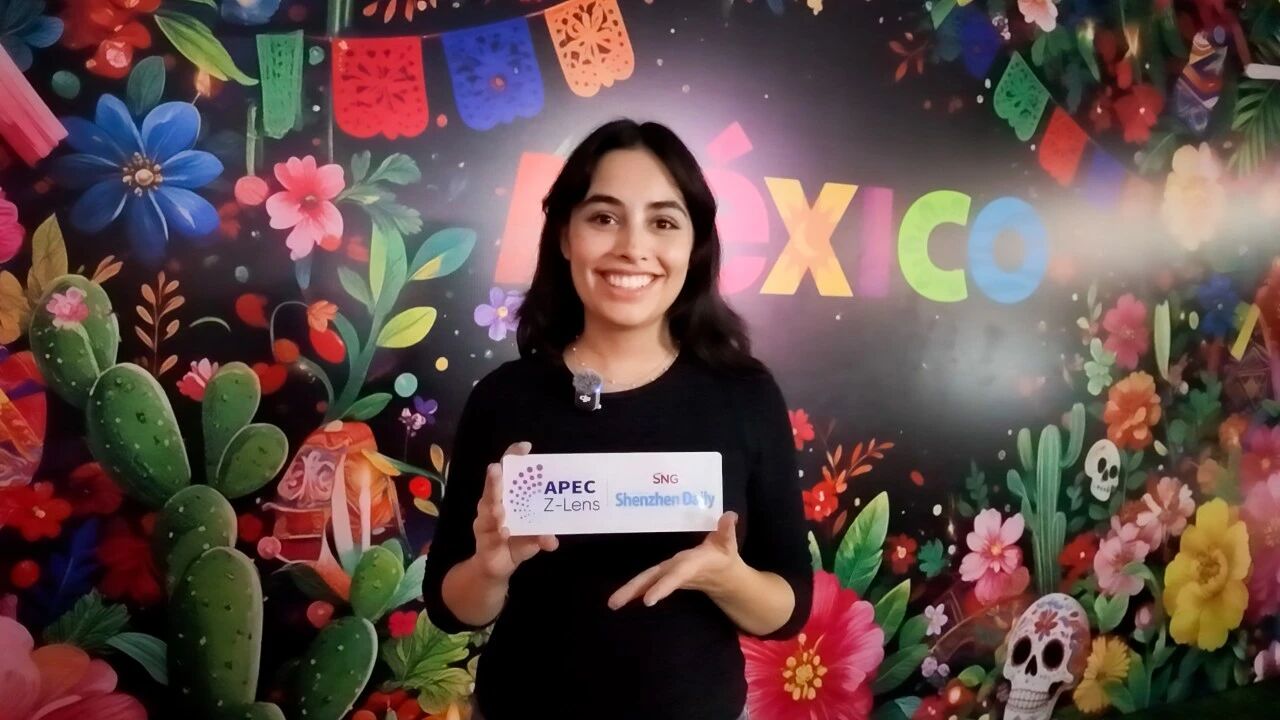
Monica Monserrat Betancourt Marin
Asia-Pacific dialogue amid everyday life
Shekou is Shenzhen’s international block home to the largest number of foreign residents. People from across the globe live and work here, and cross-border interactions unfold in ordinary spaces: streets, alleys and local markets.
The Hello APEC Shekou Cultural Market brings folk culture and cuisines from the 21 APEC member economies to local residents. As a young Mexican studying in Shenzhen, I visited the site to experience this community-based cross-cultural exchange.
At the market themed “Experience North America,” brightly-colored piñatas hung high in the air, and the aroma of tacos filled the air. Many local residents came to immerse themselves in foreign cultures. To my great fortune, I met Daniel Dominguez, acting consul general of Mexico in Guangzhou, and had the honor of exchanging views with him amid the lively market atmosphere.
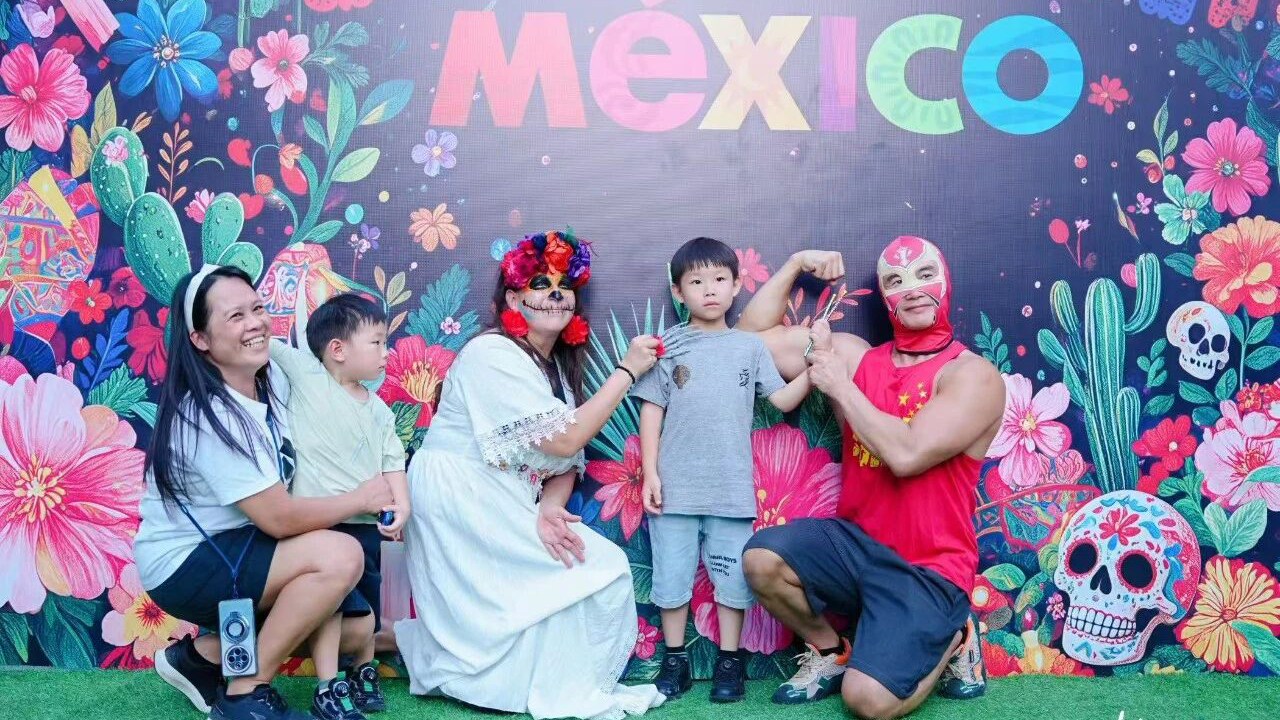
Local and expat visitors pose for a photo at the “Hello APEC Shekou Cultural Market: Experience North America” in Shekou in October.
Mutual Trust: The foundation of cooperation
My conversation with the consul made me realize that economic and trade cooperation cannot thrive without trust fostered through people-to-people exchanges. China is Mexico’s second-largest trading partner. A large number of Chinese enterprises have invested in Mexico, while Mexican communities in the Guangdong-Hong Kong-Macao Greater Bay Area keep growing. The Consulate General acts as a two-way bond, building bridges for bilateral trade and investment.
In 2028, Mexico will host the APEC Economic Leaders’ Meeting. With direct air routes now available, travel between the two places has become much easier. The consul also extended an invitation for two-way exchanges. Senior-level officials set frameworks for cooperation, yet it is goodwill and empathy among the public that make cooperation truly take root.
I also reviewed interviews with consuls general of Chile, Thailand and the Republic of Korea in Guangzhou. Though their priorities differ, they share one consensus: opportunities brought by APEC are not exclusive to governments and enterprises. Ordinary people are key participants, and open‑minded exchanges represent the shared path forward for the Asia‑Pacific region.
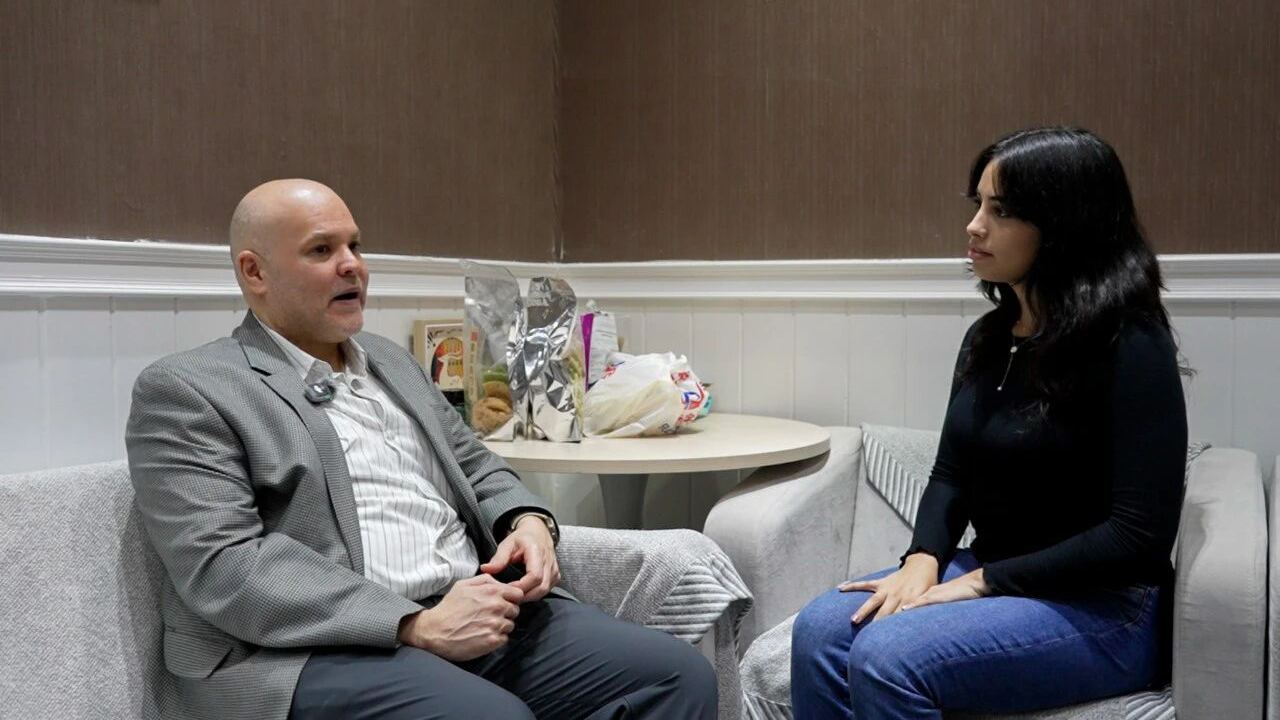
Daniel Dominguez (L), acting consul general of Mexico in Guangzhou, talks to Monica Monserrat Betancourt Marin at the sideline of a “Hello APEC Shekou Cultural Market” event in October.
Cooperation grows from engagement
APEC should not remain a lofty, abstract narrative. Summits establish frameworks for cooperation, while Shekou functions like a miniature “Asia-Pacific.” Small everyday encounters — market gatherings and casual chats — steadily build mutual trust.
Not everyone gets to step into an APEC meeting venue, yet cross‑cultural exchange has no entry barrier. Asia-Pacific cooperation is a two-way endeavor. It includes consensus reached at high-level summits, and also resides in street-corner life. It gains strength gradually from the goodwill of countless ordinary people.
(Monica Monserrat Betancourt Marin is a Mexican student at Shenzhen Polytechnic University.)