
 Share


 Print
Treasures preserved, traditions passed on
Writer: Cao Zhen | Editor: Cao Zhen | From: Original | Updated: 2026-11-09
Art enthusiasts can now view reproductions of several national treasures at the He Xiangning Art Museum, including “Shangyangtai Tie” by Tang Dynasty (618-907) poet Li Bai; “Pingfu Tie” by Lu Ji of the Western Jin Dynasty (265-316); and “Spring Outing” by Zhan Ziqian of the Sui Dynasty (581-618).
The reproductions are part of “Mountains and Rivers: Return and Reflection,” an exhibition focused on Zhang Boju (1898-1982) and his wife, Pan Su (1915-1992). Zhang is known for donating the original works to the Palace Museum in Beijing.
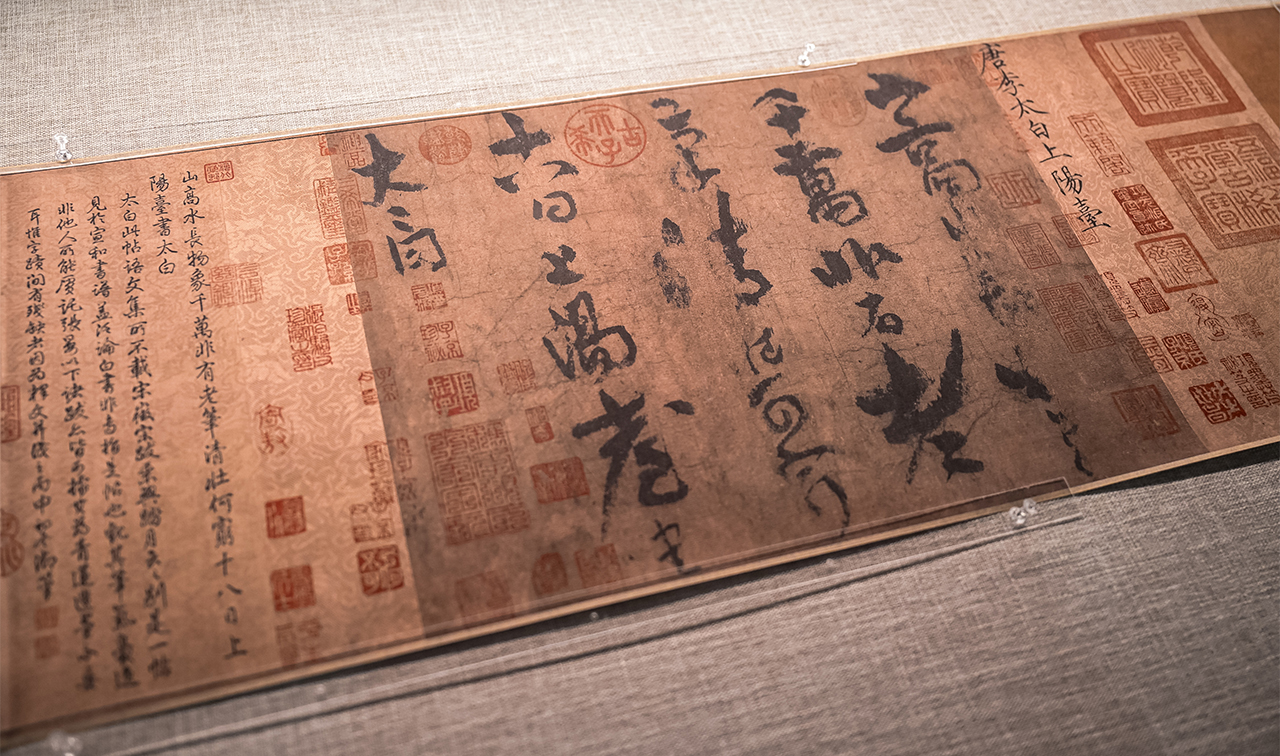
A replica of Li Bai’s “Shangyangtai Tie” on display at the He Xiangning Art Museum. Photos from the organizers
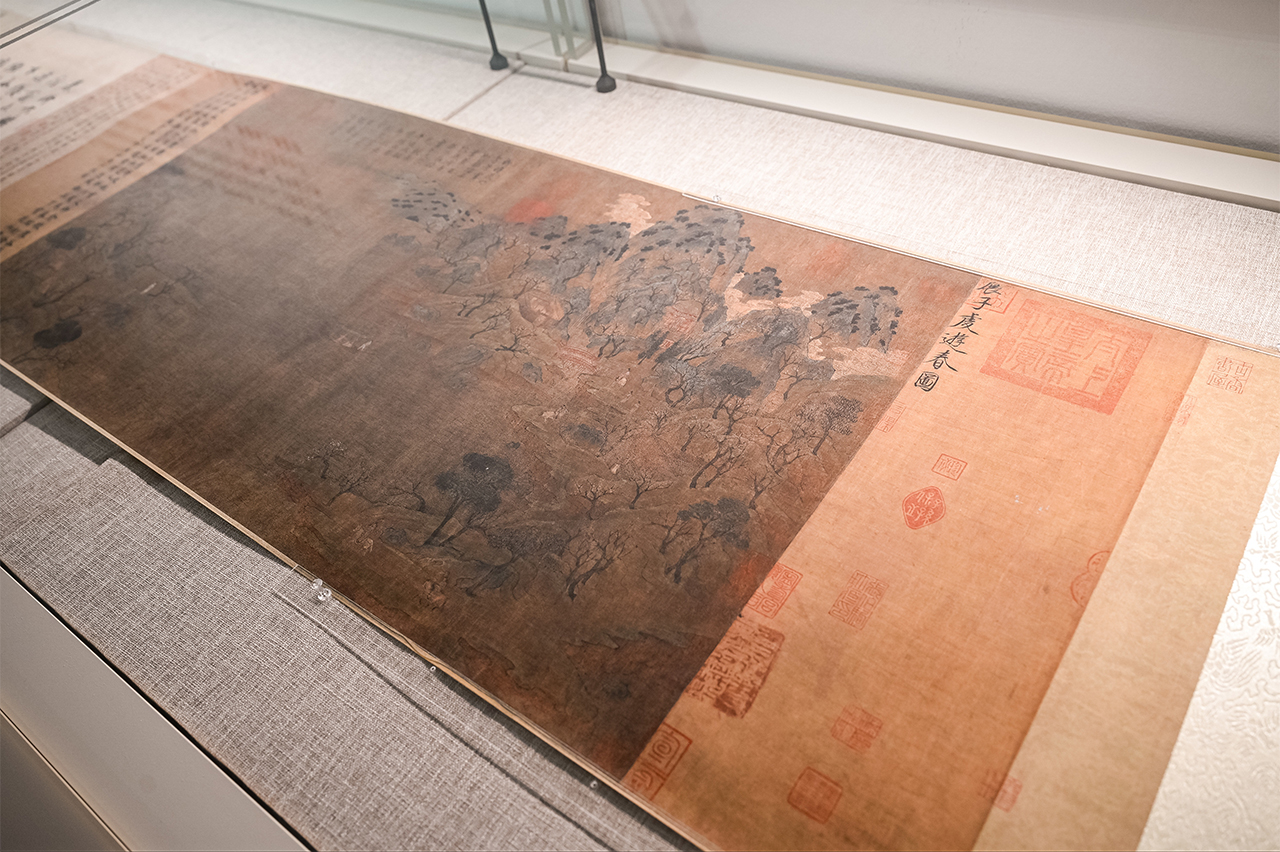
A replica of Zhan Ziqian’s “Spring Outing” on display.
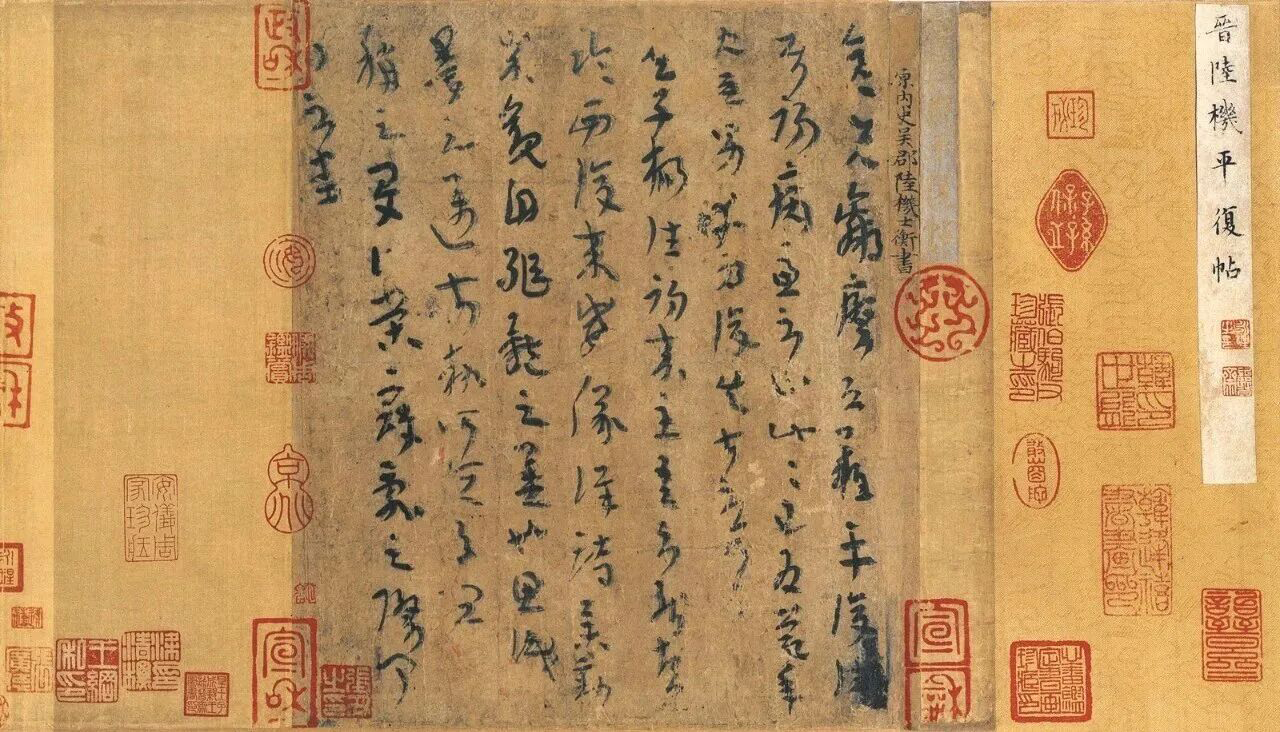
Lu Ji’s “Pingfu Tie.”
Though reproductions, the three works are well worth seeing. According to the Palace Museum’s website, “Shangyangtai Tie” is the only surviving example of Li Bai’s calligraphy; “Pingfu Tie” is the earliest extant and reliably authenticated work of calligraphy by a known master of the Western Jin Dynasty; and “Spring Outing” is a landmark of early Chinese landscape painting.
Zhang played a key role in keeping the treasures in China, selling family property and enduring repeated hardships to preserve them. His donations of top-tier works made an exceptional contribution to the Palace Museum’s painting and calligraphy collection.
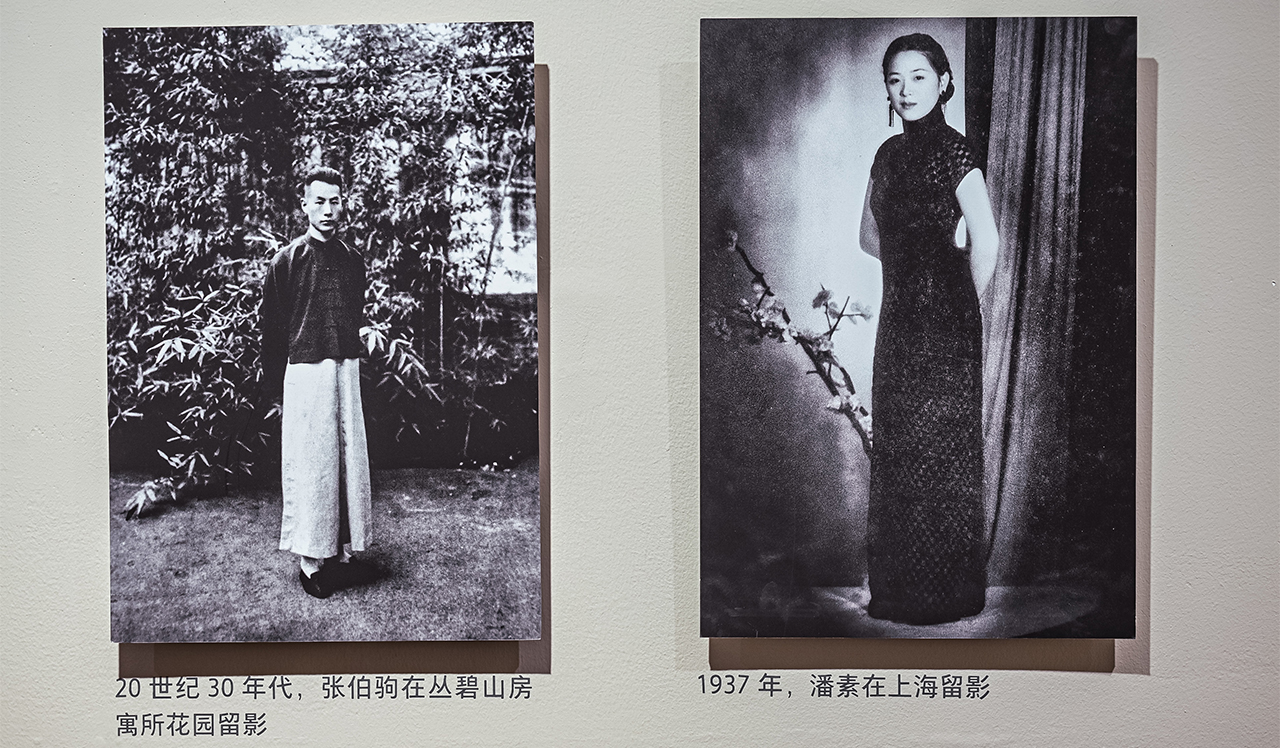
Photos of Zhang Boju (L) and Pan Su in the 1930s.
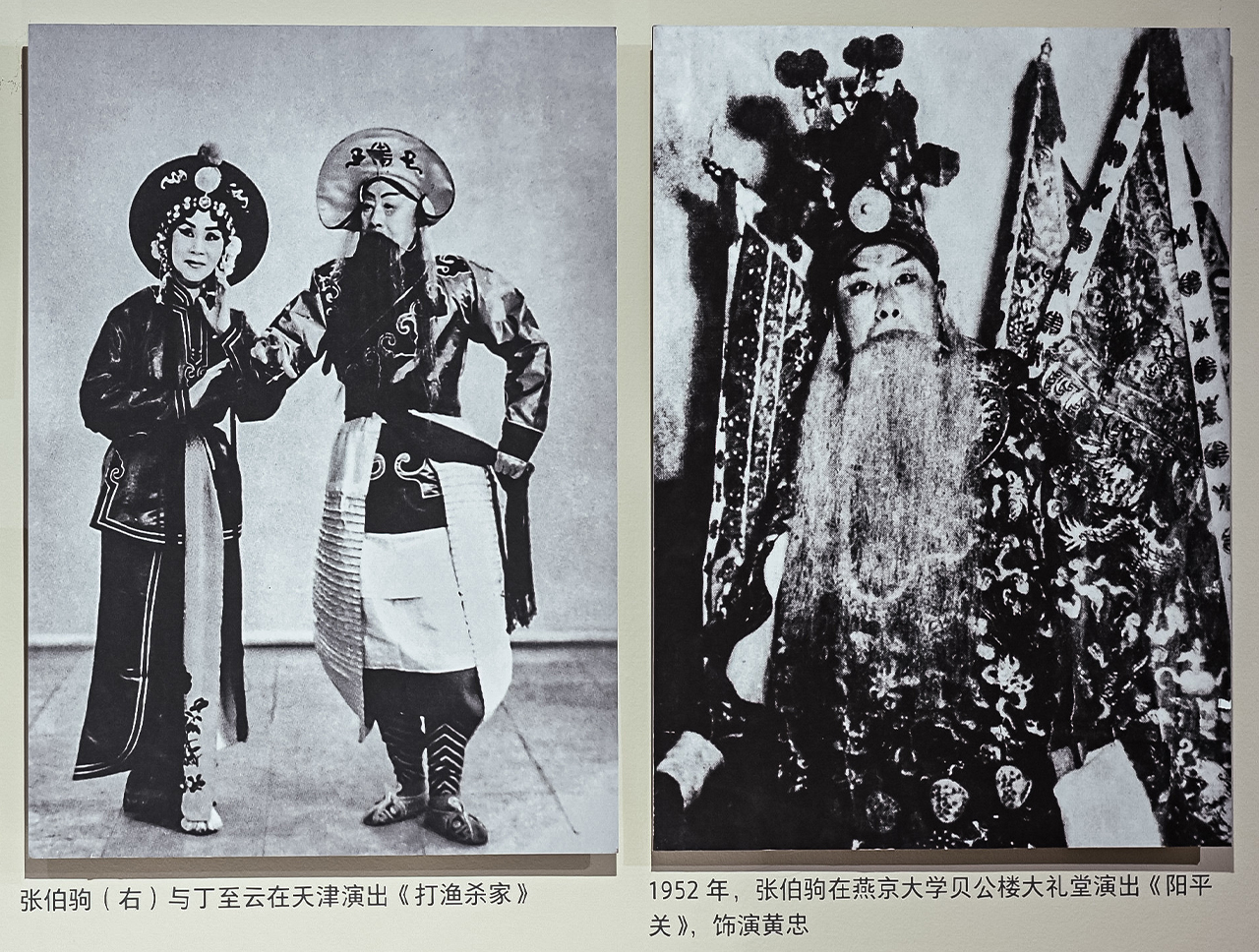
Photos of Zhang Boju performing in Peking Opera shows.
Alongside the reproductions, the exhibition features original paintings and calligraphy by Zhang and Pan, works they created with their friend He Xiangning and other artists, as well as historical documents and photographs.
Born in Xiangcheng, Henan Province, Zhang excelled in connoisseurship, poetry, calligraphy, painting and Peking Opera. His calligraphy blends classical elegance with the spirit of the modern literati. In his early years, he studied the works of Wang Xizhi and Cai Xiang, drawing on the refinement of the Jin, Tang and Song dynasties and the traditions of stele calligraphy.
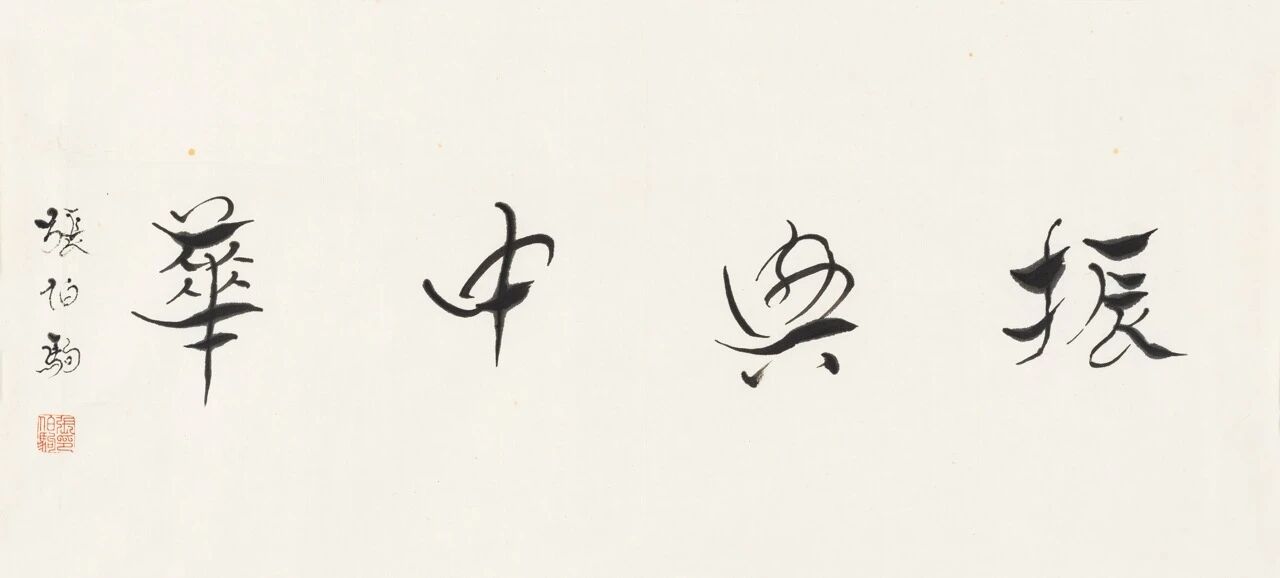
A calligraphic work by Zhang Boju.
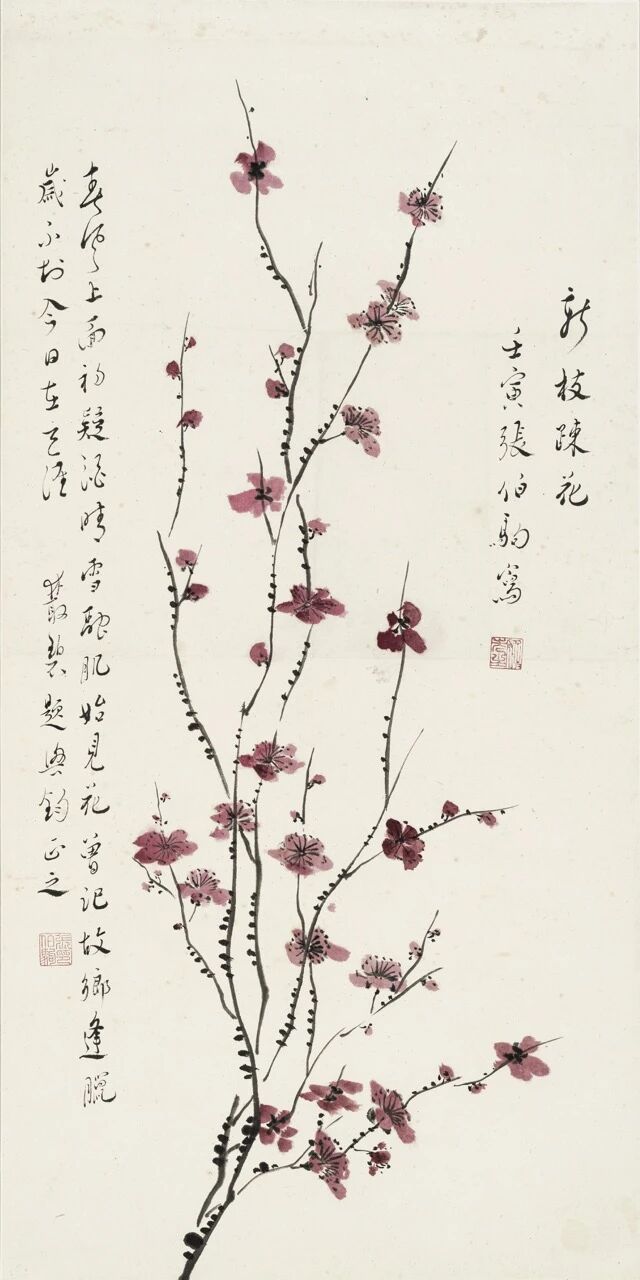
A painting by Zhang Boju.
His script combines running and cursive styles and is vigorous and upright — at once archaic and forceful. In later years, his brushwork became freer and more spontaneous, and he developed his own “bird-feather style.” In painting, he favored plum blossoms, orchids, bamboo and chrysanthemums to express literati sensibilities. His concise, understated works are elegant, with an antique quality.
Pan Su carried forward the Tang Dynasty tradition of blue-and-green landscape painting, depicting graceful mountains and rivers. The couple often painted together, and their works reflect their shared devotion to traditional culture.
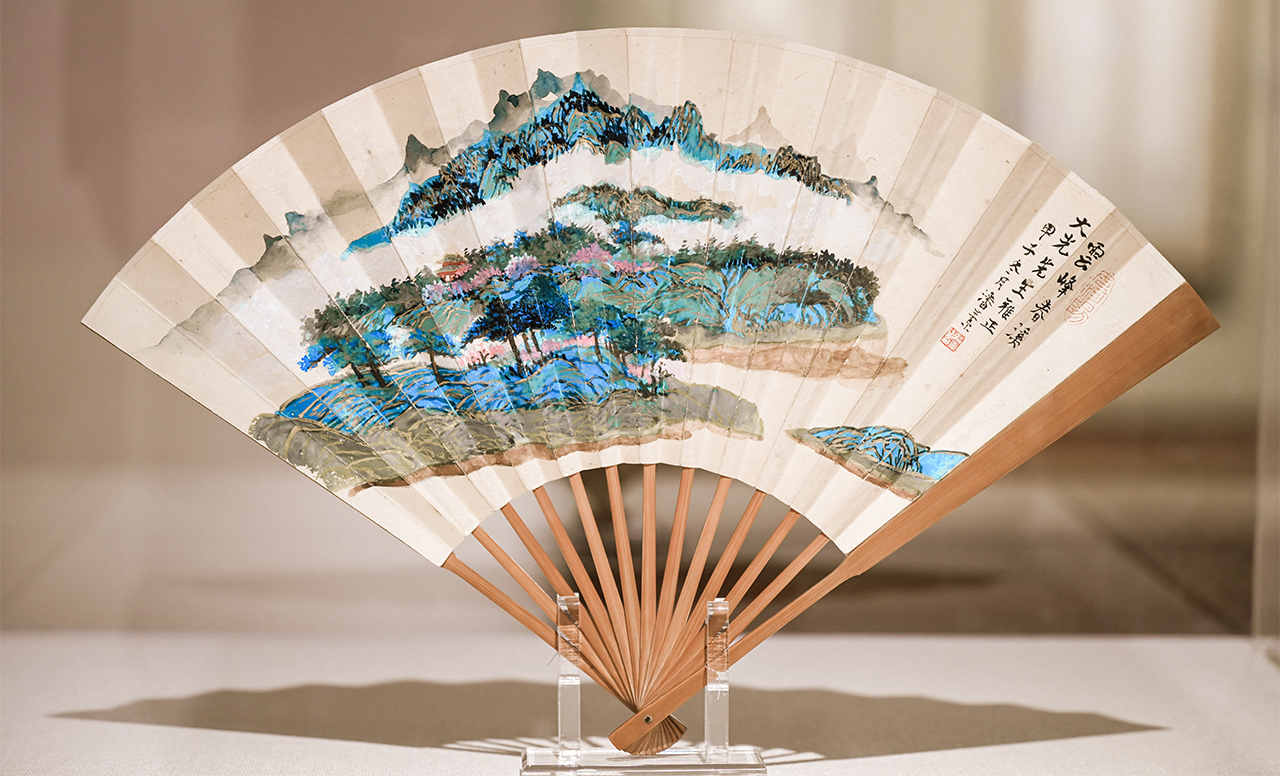
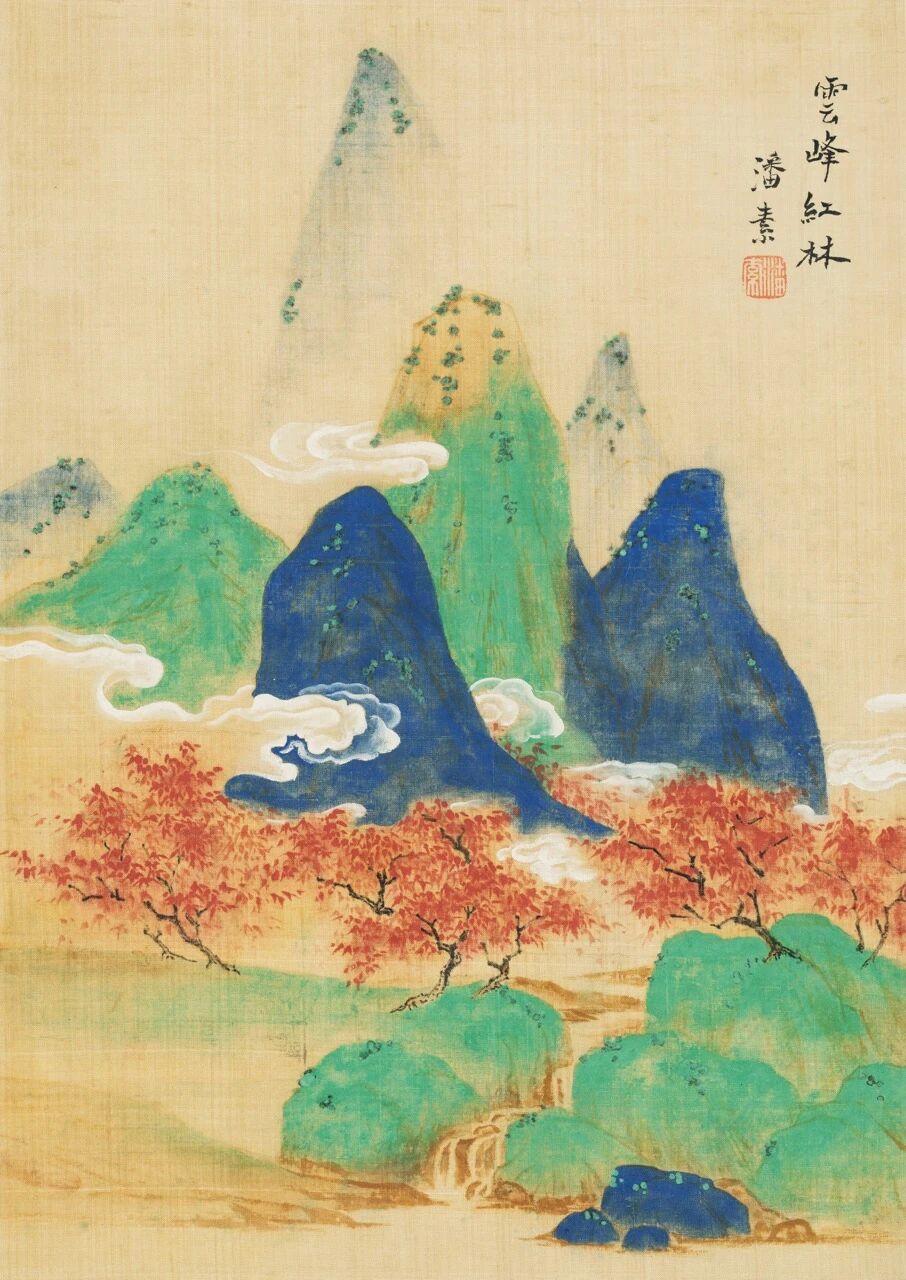
Paintings by Pan Su.
In Beijing’s art circles in the 1950s, Zhang and Pan grew close to He Xiangning through salon gatherings, painting sessions and charity sales. All three cherished traditional Chinese painting and shared a commitment to preserving Chinese culture. Three collaborative paintings in the He Xiangning Art Museum’s collection, featured in the exhibition, offer a direct testament to their friendship.
Cai Xianliang, director of the He Xiangning Art Museum, said He Xiangning and the couple shared a kindred spirit and common aspirations, grounding themselves in art and serving the nation through culture.
He said the museum hopes the exhibition will show the world how the Chinese people preserve and pass on their cultural heritage, foster mutual understanding, and contribute warmth and enduring humanistic strength to open cooperation.
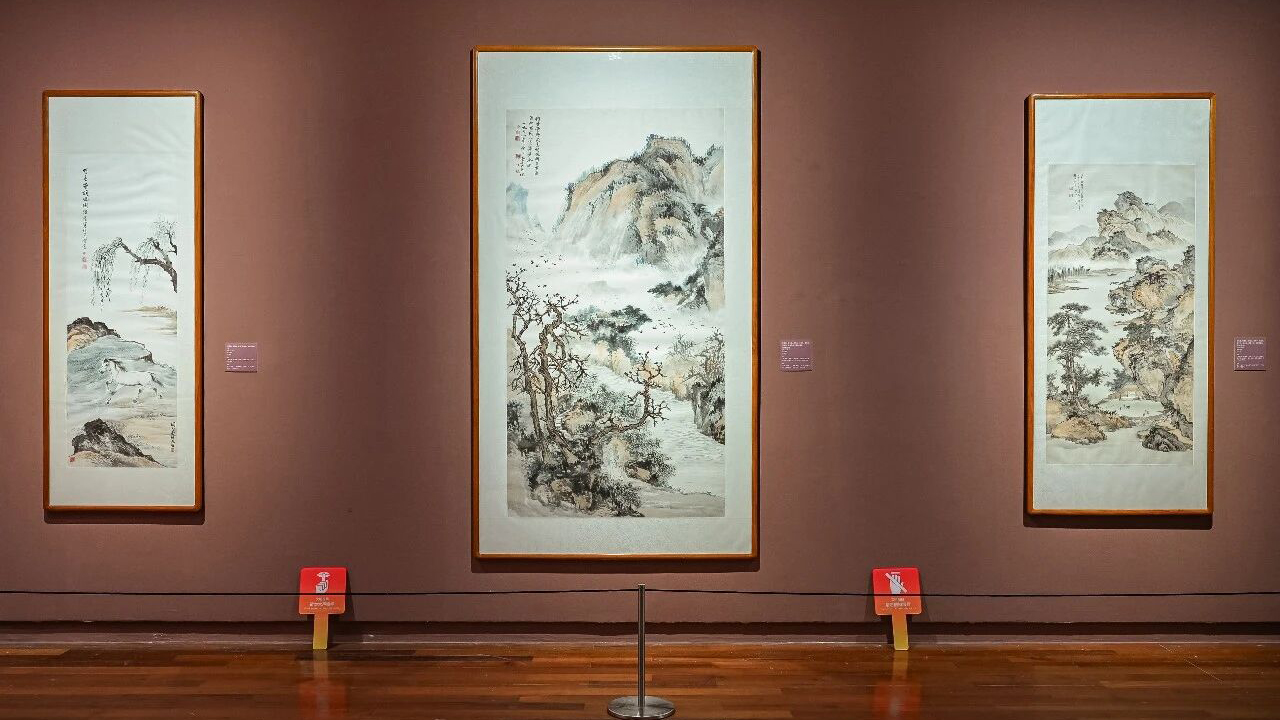
Three paintings co-created by He Xiangning, Pan Su and other artists.
Dates: Through Dec. 13
Hours: 9:30 a.m.-5 p.m., closed Mondays
Venue: He Xiangning Art Museum, Nanshan District (何香凝美术馆)
Metro: Line 1 to OCT Station (华侨城站), Exit C
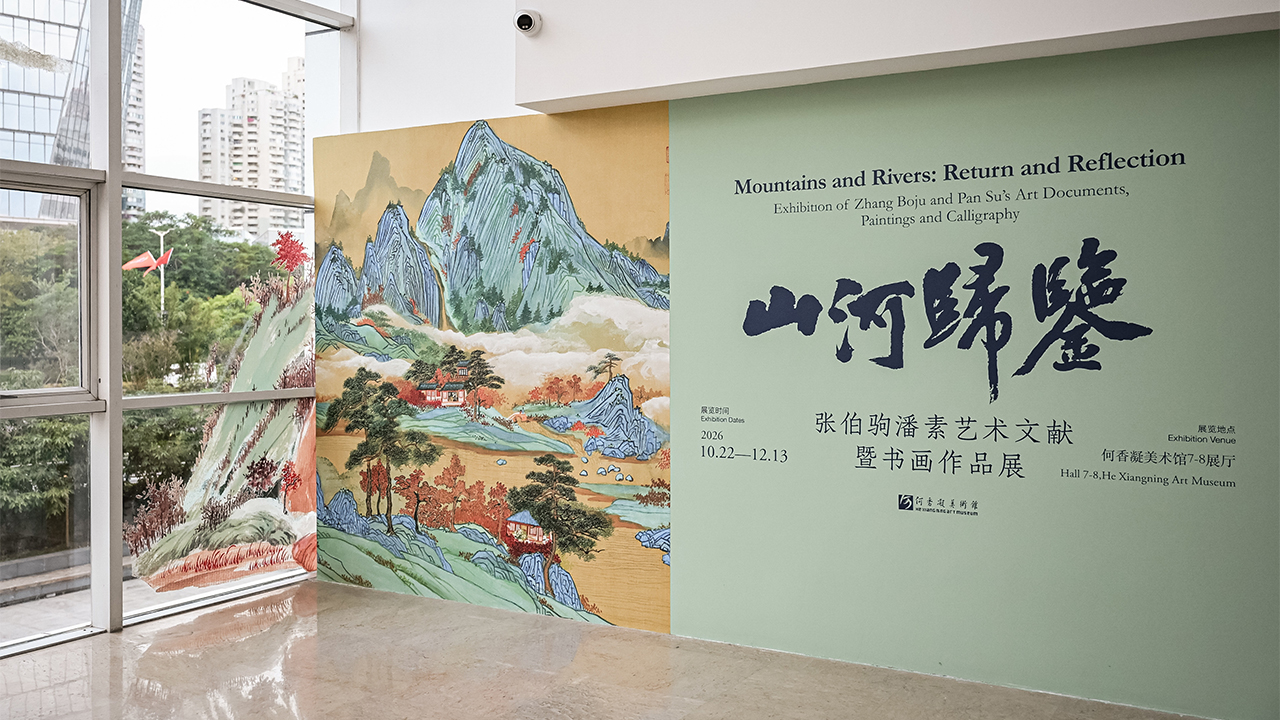
The entrance to the exhibition.