
 Share


 Print
2 Shenzhen firms among world's top five in humanoid robot revenue
Writer: Song Yingwen | Editor: Lin Jiayi | From: Original | Updated: 2026-10-16
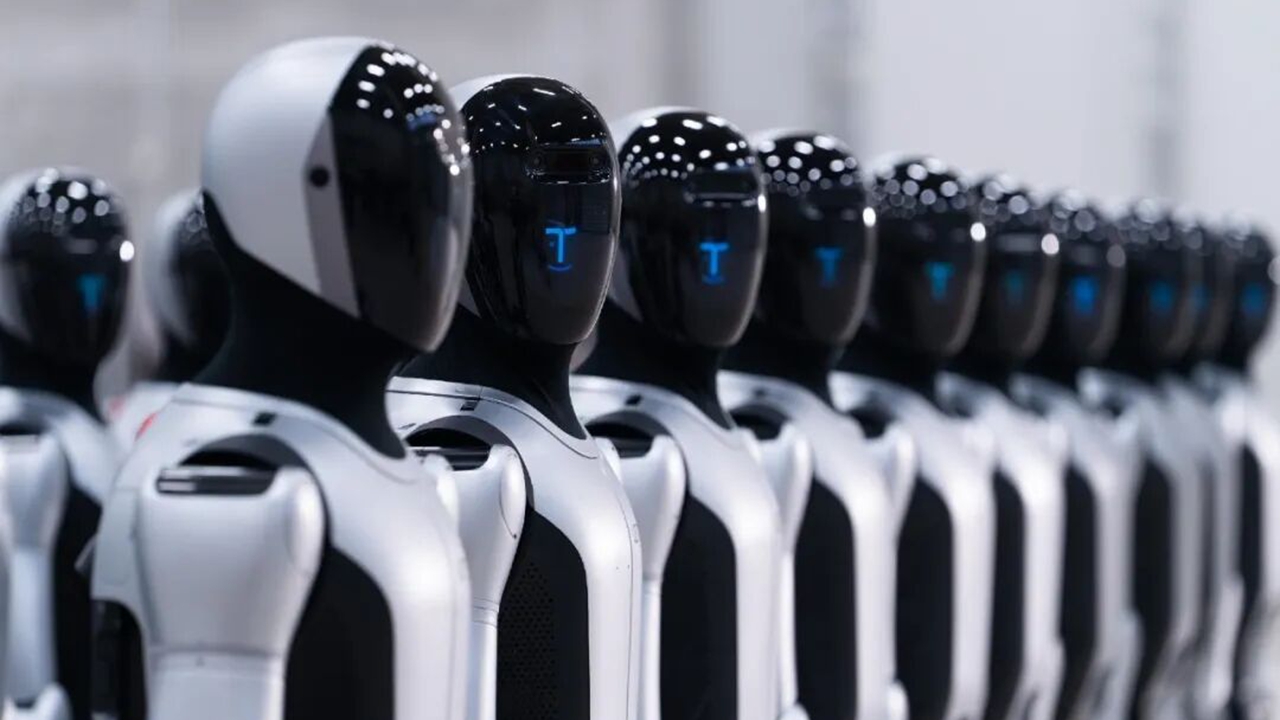
A row of UBTECH humanoid robots prepared for delivery. Courtesy of UBTECH Robotics
Shenzhen-based UBTECH Robotics ranked first globally in humanoid robot revenue in the first half of 2026, while crosstown rival Leju Robotics took the fifth place, according to a new report by international consultancy Frost & Sullivan.
Chinese companies claimed all five top spots, accounting for a combined 57.4% of global humanoid robot revenue, the report showed.
The global market generated US$540 million in revenue from sales of approximately 36,000 humanoid robots in the first six months of 2026, exceeding the full-year figures of US$500 million and 35,000 units recorded in 2025.
Chinese firms lead rankings

A visitor takes a selfie with UBTECH's UWORLD U1 humanoid robots during the company's global launch event in Shenzhen on June 30. UBTECH unveiled its consumer-oriented humanoid robot series at the event.
UBTECH led the market with revenue of 620 million yuan (US$92 million), representing a 16.5% global market share.
It was followed by AGIBOT, with revenue of 610 million yuan and a 16.1% share, and Unitree Robotics, with 580 million yuan and a 15.3% share. Galbot ranked fourth with revenue of 210 million yuan and a 5.5% share, while Leju Robotics placed fifth with 150 million yuan and a 4% share.
UBTECH also ranked first globally in revenue from full-size embodied AI humanoid robots, according to the report.
Commercial expansion gains pace
UBTECH sold 16,123 humanoid robots in the first half of 2026, including 921 full-size models, according to its interim financial report.
The company's total revenue across all business segments more than doubled to 1.27 billion yuan during the period, up 104.2% year on year. However, it remained unprofitable, with its net loss narrowing to 339 million yuan from 440 million yuan a year earlier.
UBTECH has been expanding into industrial applications, including automotive and aerospace manufacturing. In January, European aircraft manufacturer Airbus purchased a Walker S2 humanoid robot as part of a partnership to explore its use in aircraft production. Airbus said at the time that the cooperation was still in the early concept-testing stage.
Leju Robotics has also expanded the application of its Kuavo humanoid robots in research, education, commercial services and industrial settings. The Shenzhen company says its robots have been deployed across more than 10 industries.
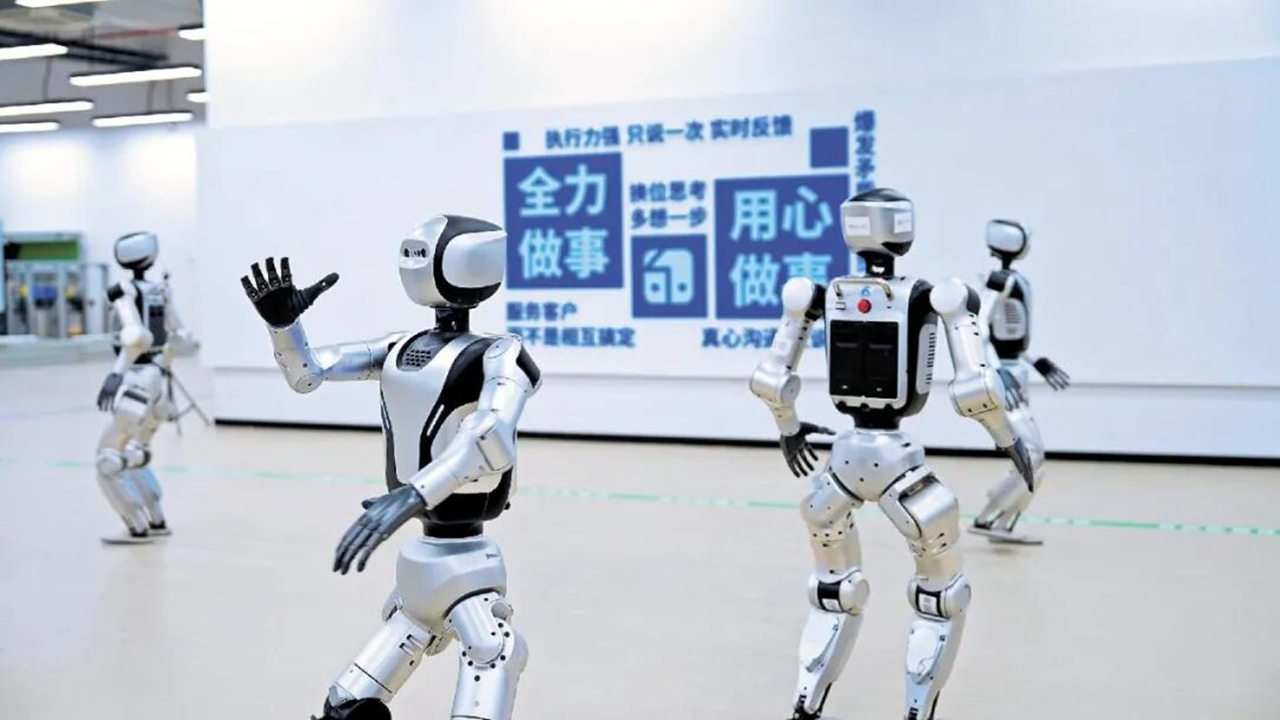
Leju's Luban 2 humanoid robots perform at the launch of the company's pilot production line in Longhua District, Shenzhen, on April 12. Chen Jianhua
China's manufacturing advantage
Frost & Sullivan attributed Chinese manufacturers' strong market position partly to the country's extensive manufacturing base, established supply chains and diverse industrial applications. These advantages have supported faster product development, system integration and large-scale deliveries.
The report noted that overseas developers, including Tesla, Figure AI and Agility Robotics, have made progress in humanoid hardware and embodied AI technologies, but their products remain largely in prototype development, small-scale trials or internal use. None ranked among the top five by revenue.
As the industry moves from technology demonstrations and pilot projects toward mass production, competition is increasingly shifting from technical performance to manufacturers' ability to deliver robots at scale and secure commercial applications, the report said.