
 Share
Share


 Print
PrintFrom smart homes to green computing: ORVIBO explores a new energy path
Writer: Windy Shao | Editor: Zhang Chanwen | From: Original | Updated: 2026-09-28
During the 2026 Carbon Peaking & Carbon Neutrality Forum & Shenzhen National Low-Carbon City Forum, Wang Xionghui, chairman, founder and CEO of Shenzhen ORVIBO Technology Co. Ltd., delivered a speech at the Longgang Green and Low-Carbon New Municipal Development Forum. He said the “first half” of the energy transition has focused on where energy comes from, while the next challenge is making better use of the energy already available.
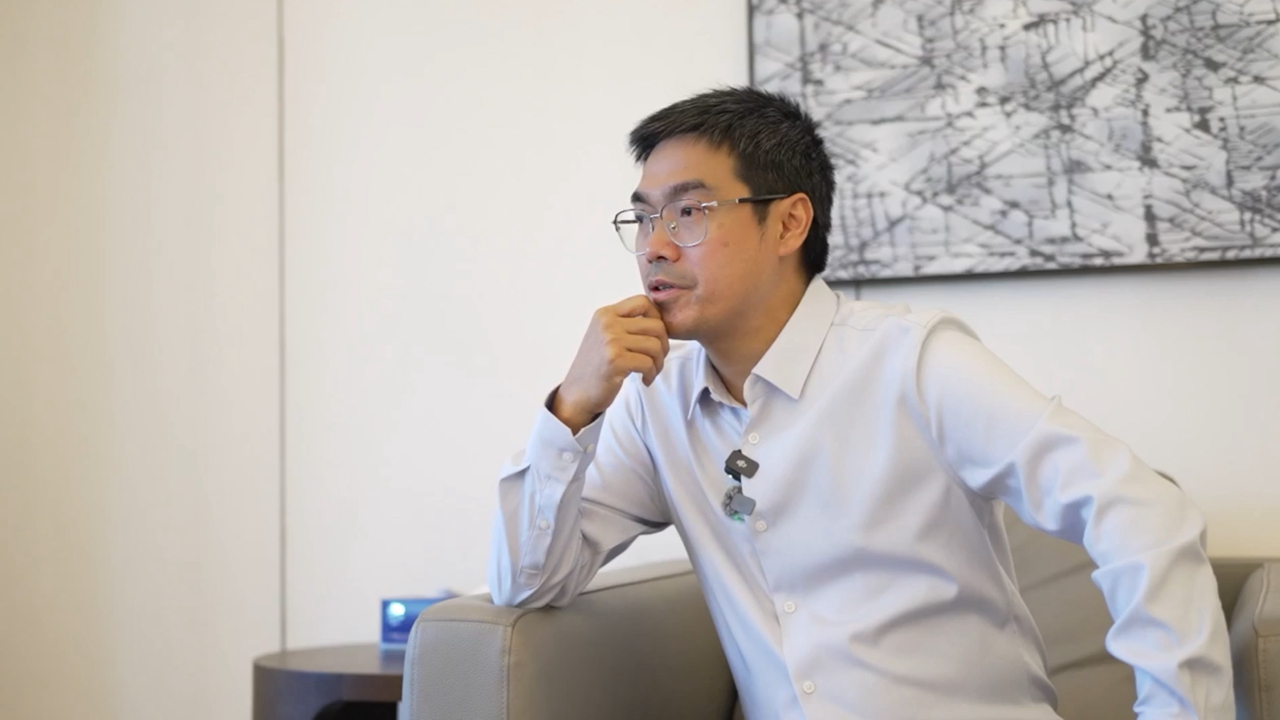
Wang Xionghui
For homes, Wang said traditional heating, cooling and hot-water systems often operate separately, with waste heat from air conditioning simply discharged. ORVIBO aims to recover and store this energy, allowing heat from cooling to be reused for hot water and energy stored during off-peak periods to be used when demand rises.
ORVIBO has applied this approach to its integrated air-conditioning system. Launched in 2024, the system combines functions including central air conditioning, heating, hot-water supply and fresh-air ventilation, while using smart controls to improve energy efficiency.
Wang also sees potential in AI computing centers, which generate large amounts of heat during intensive operations. Instead of simply releasing this heat, ORVIBO aims to combine cooling, energy storage and heat recovery so that waste heat can be reused, including for heating and hot water in nearby buildings.
Longgang, with its concentration of residential communities, industries and computing facilities, provides a strong setting for this approach. Homes could become flexible energy users, while computing centers could serve as sources of usable heat, creating a more connected urban energy system.
Looking ahead, Wang said ORVIBO will expand from integrated home systems into light-commercial applications and thermal management for computing centers, while exploring greater coordination among homes, buildings and urban energy systems. “Our goal is to make living more sustainable, computing greener, and every unit of energy more valuable,” he said.