Share
Share


 Print
PrintWhere old letters meet the moonlight
Writer: Cao Zhen | Editor: Cao Zhen | From: Original | Updated: 2026-09-23
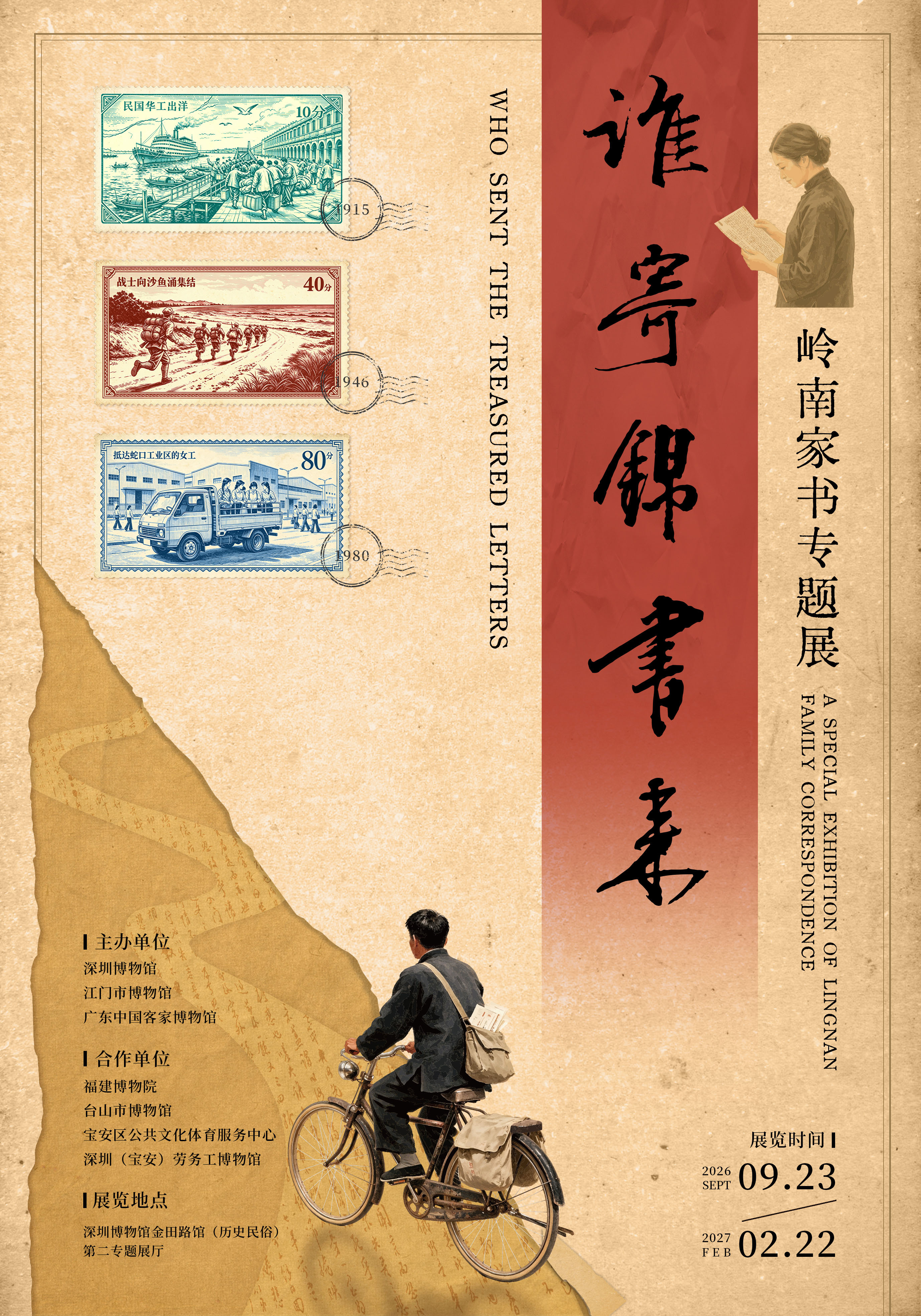
This Mid-Autumn Festival, step into Shenzhen Museum and let a quiet question guide you through the moonlight: “Who sent the treasured letters?” Here, old family letters and distant longings find their way home.
“Who Sent the Treasured Letters: A Special Exhibition of Lingnan Family Correspondence” explores family letters as a powerful emotional vessel in Chinese culture.
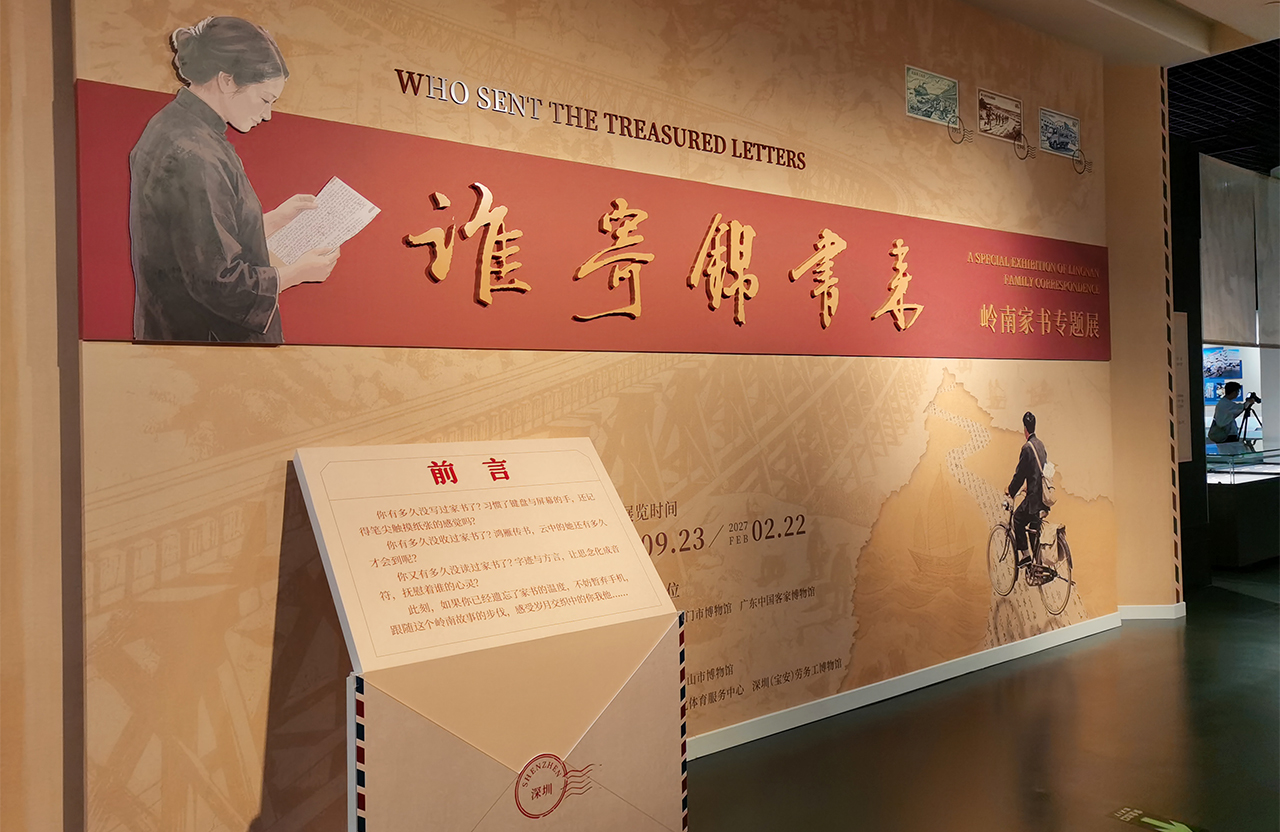
A glance at the “Who Sent the Treasured Letters: A Special Exhibition of Lingnan Family Correspondence” at the Shenzhen Museum. Photos by Cao Zhen unless otherwise stated
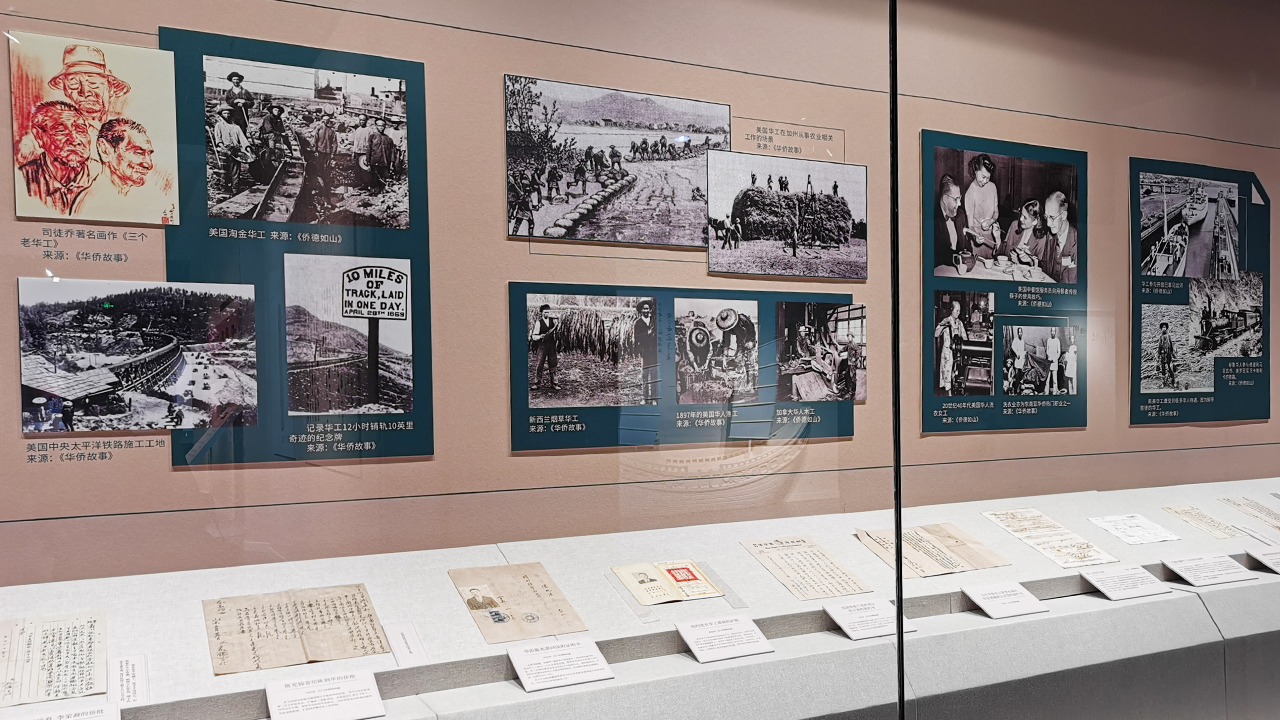
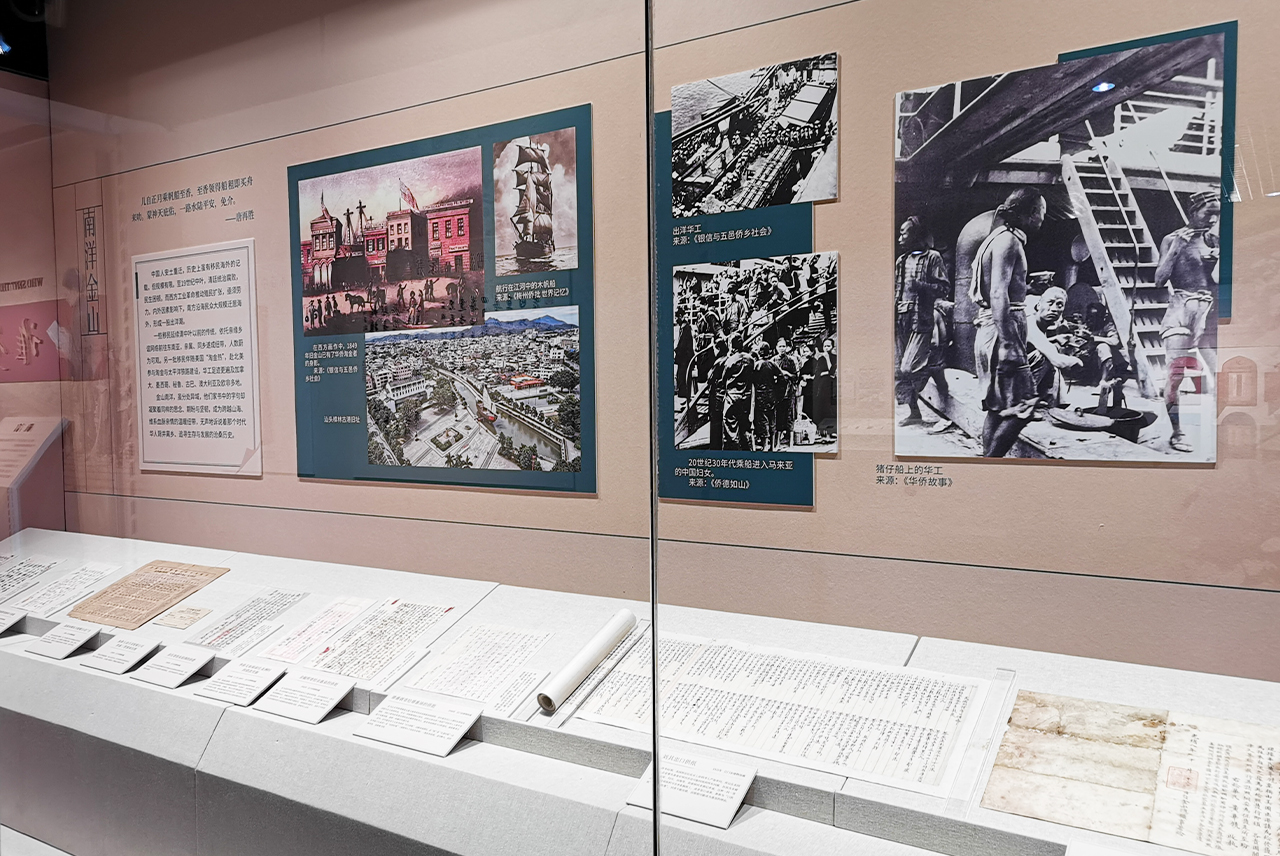
Qiaopi, bank drafts, passports, remittance slips and other historical items are on display alongside archival photos, offering visitors a vivid glimpse into the past.
Featuring correspondence from different periods — including qiaopi from the 19th and 20th centuries, wartime letters, and correspondence from migrant workers during the early years of reform and opening up — the exhibition reveals the role of family letters in passing down traditional cultural values and documenting social change.
Qiaopi refers to letters and remittances sent by earlier generations of overseas Chinese to their families in China. These materials offer rare records of the everyday lives of overseas Chinese in the 19th and 20th centuries and have been inscribed on UNESCO’s Memory of the World Register. According to UNESCO, more than 160,000 pieces of qiaopi have been discovered and preserved in Guangdong and Fujian.
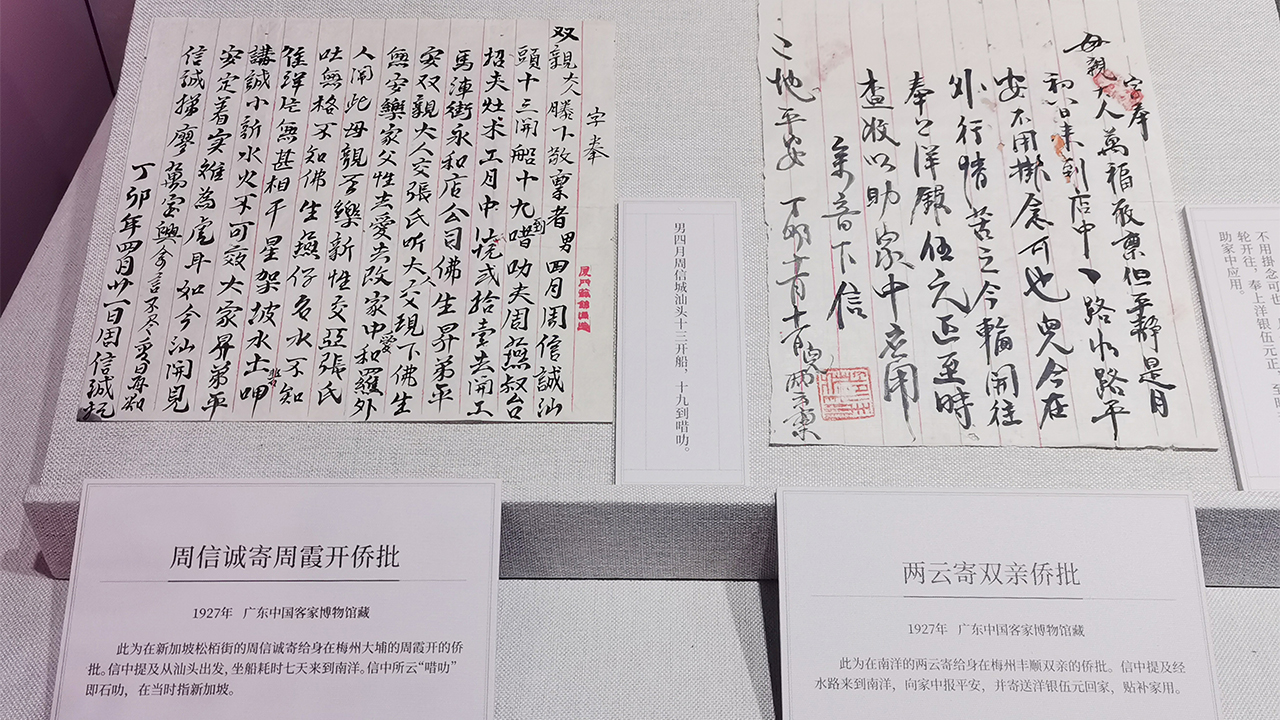
Qiaopi dating from 1927.
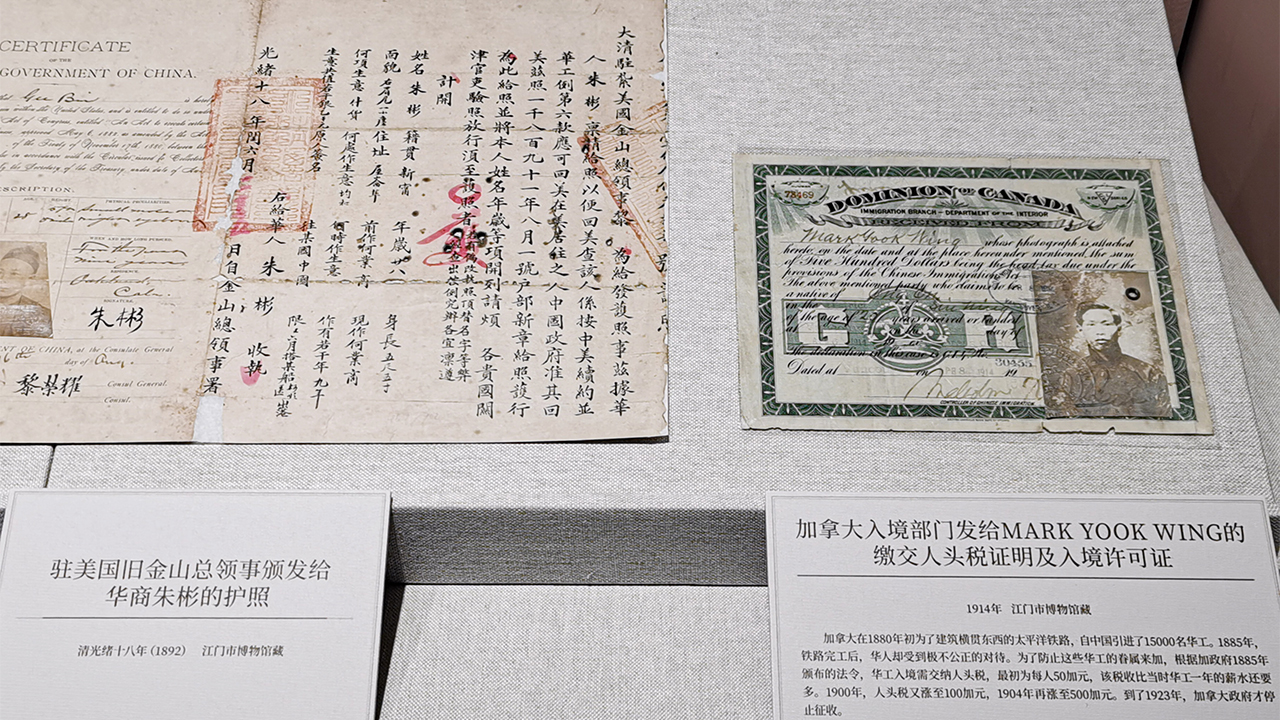
A 1892 passport and a 1914 certificate of head-tax payment and entry permit.
The exhibition features more than 100 items and sets, including letters, passports, contracts and everyday objects from the past. Some exhibits are on loan from the Jiangmen Museum, Hakka Museum of China, Fujian Museum, Taishan Museum, Bao’an District Public Culture and Sports Service Center, and Shenzhen (Bao’an) Migrant Workers Museum.
Each yellowed page carries the weight of the past — from patriotism and longing between family members to the everyday lives of ordinary people.
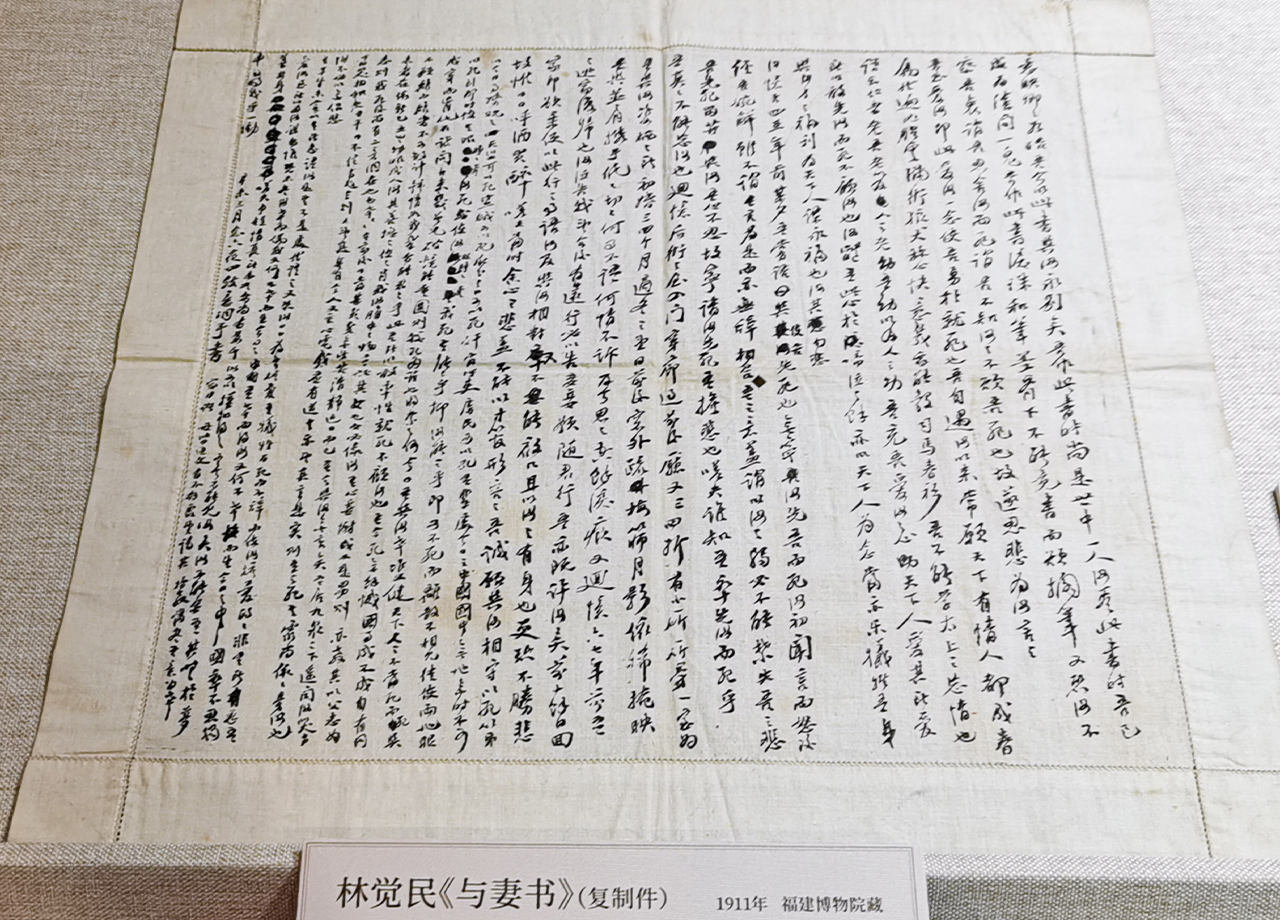
A replica of “A Letter of Farewell to My Wife,” written by revolutionary Lin Juemin in 1911.
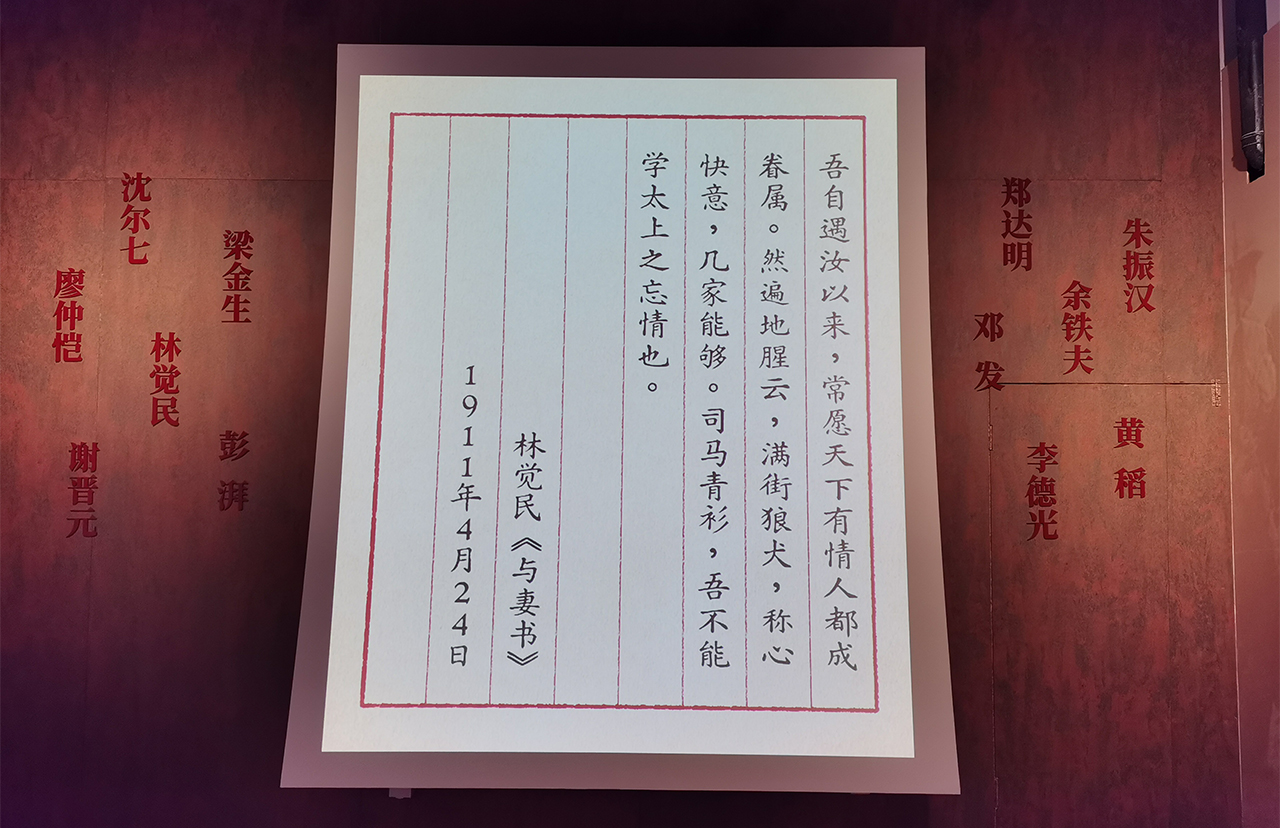
A video presents excerpts from “A Letter of Farewell to My Wife,” written by revolutionary Lin Juemin in 1911.
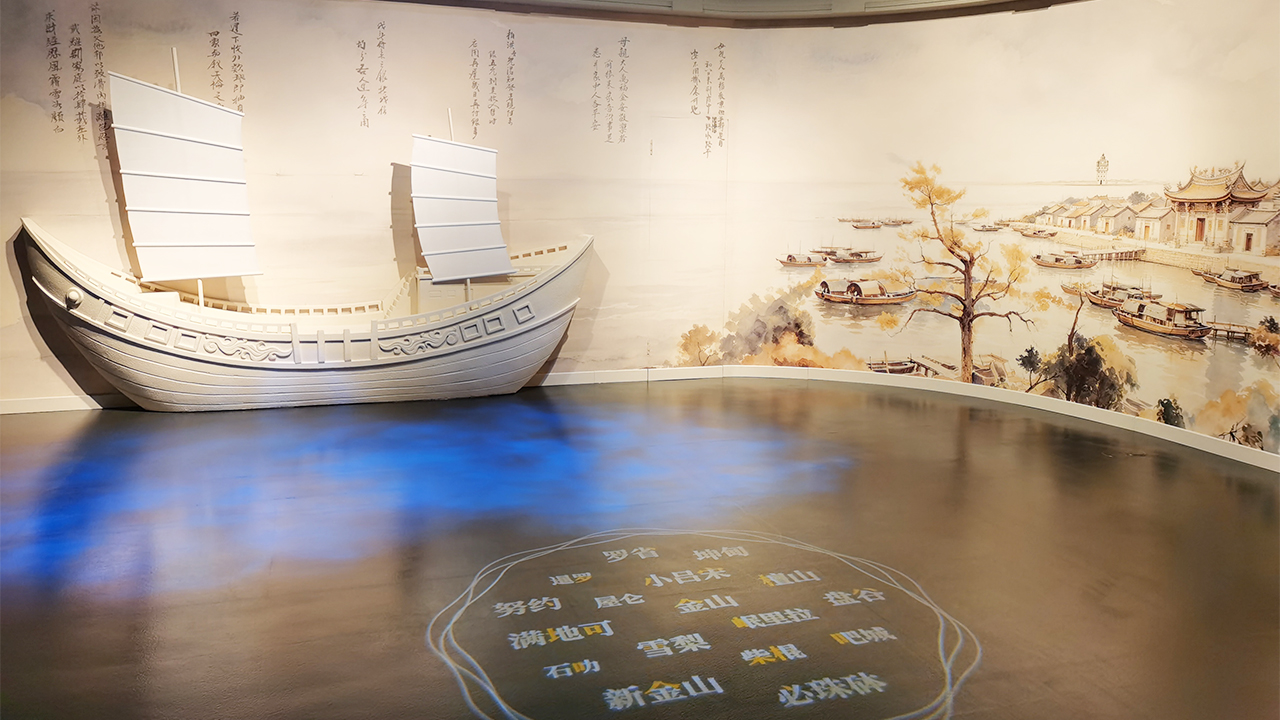
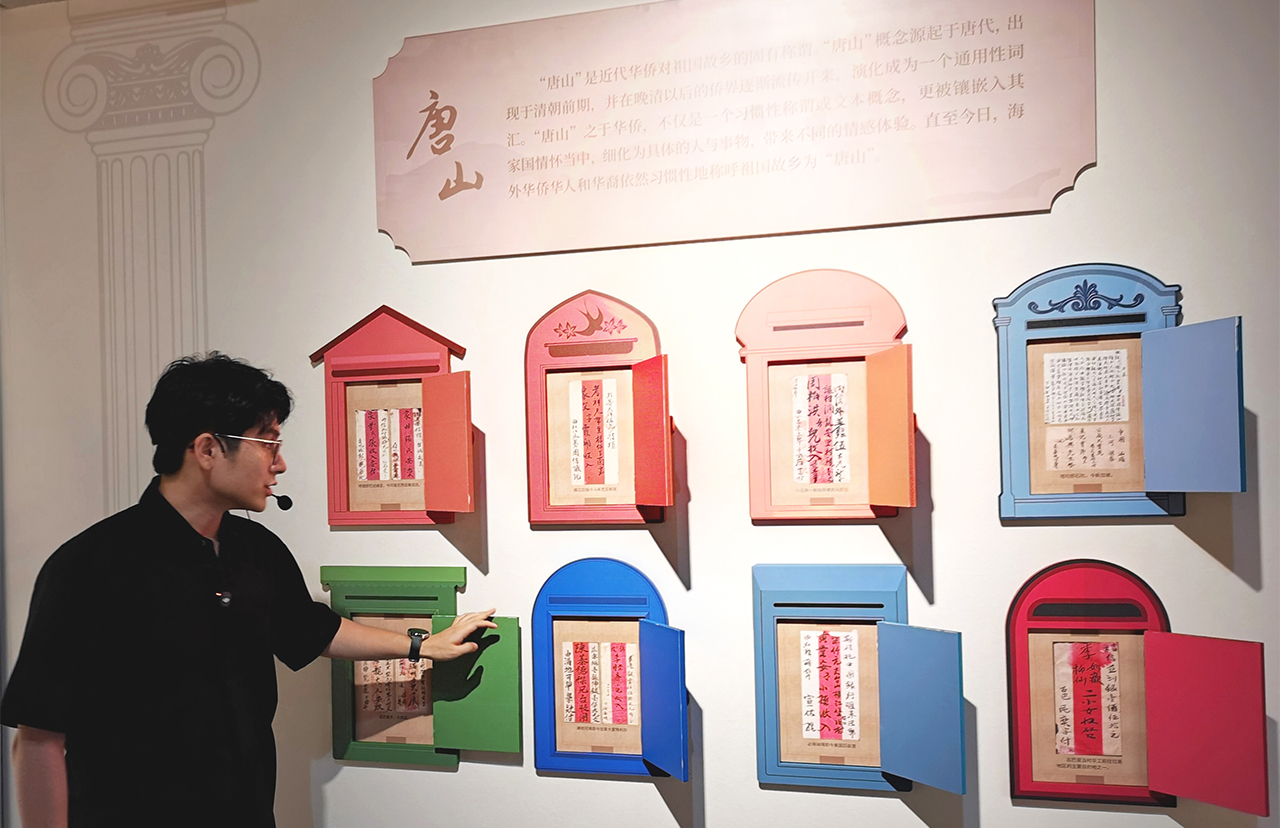
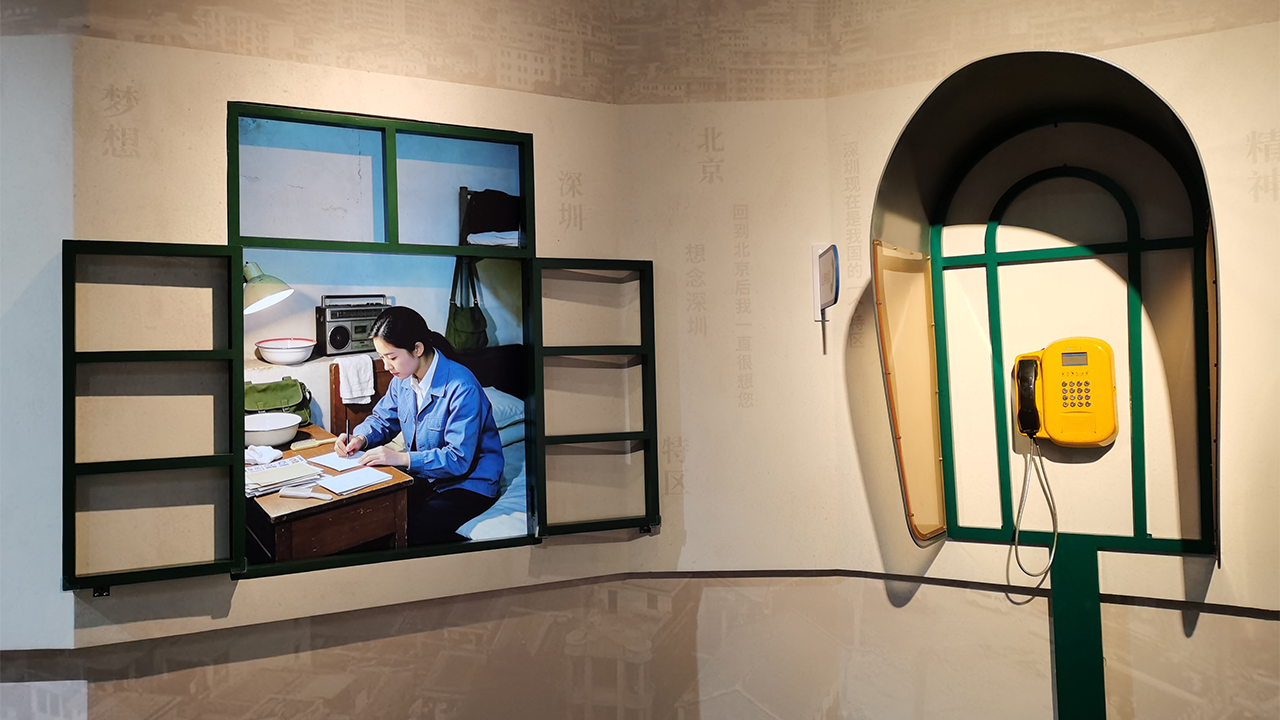
The exhibition features a range of interactive installations and photo opportunities.
On Sept. 24, the museum will host a special Mid-Autumn celebration. Visitors can take photos beside a giant inflatable moon installation — the evening’s most romantic spot. A photographer will provide each participant with two instant prints: one to keep and one to optionally contribute to a future public display.
The Shenzhen Symphony Orchestra Children’s Choir will perform a selection of soothing songs, followed by erhu player Li Qianlong, who will present classic pieces expressing longing and conveying blessings.
A stilt-walking performance will combine elements of Beijing opera, calligraphy, martial arts, paper-cutting, embroidery and other forms of intangible cultural heritage.
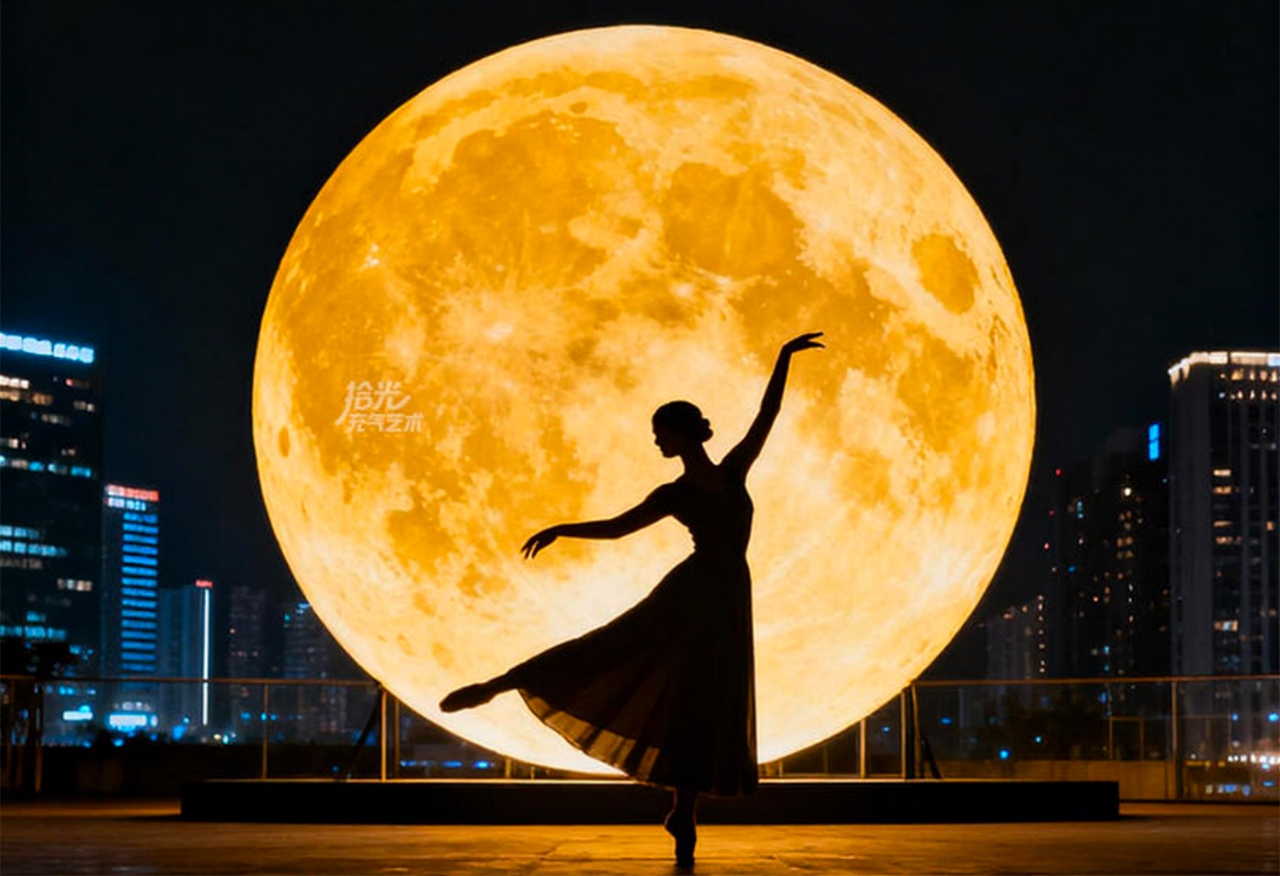
Photo from the event organizers
A curator-led tour of “Who Sent the Treasured Letters: A Special Exhibition of Lingnan Family Correspondence” will offer an immersive look at the history and emotions behind the letters.
Paper and envelopes will be provided for visitors who wish to write letters, and selected letters may later be displayed as part of the exhibition. Visitors can also write Mid-Autumn wishes on cards and take them home as festive keepsakes.
Exhibition dates: Through Feb. 22, 2027
Mid-Autumn event: 7-8:30 p.m., Sept. 24
Venue: Shenzhen Museum’s history and folk culture division, Jintian Road, Futian District 深圳博物馆金田路馆(历史民俗)
Metro: Line 2 or 4 to Civic Center Station (市民中心站), Exit B