
 Share
Share


 Print
PrintBRI healthcare officials gather for training
Writer: Jian Zhen | Editor: Lin Jiayi | From: Original | Updated: 2026-09-18
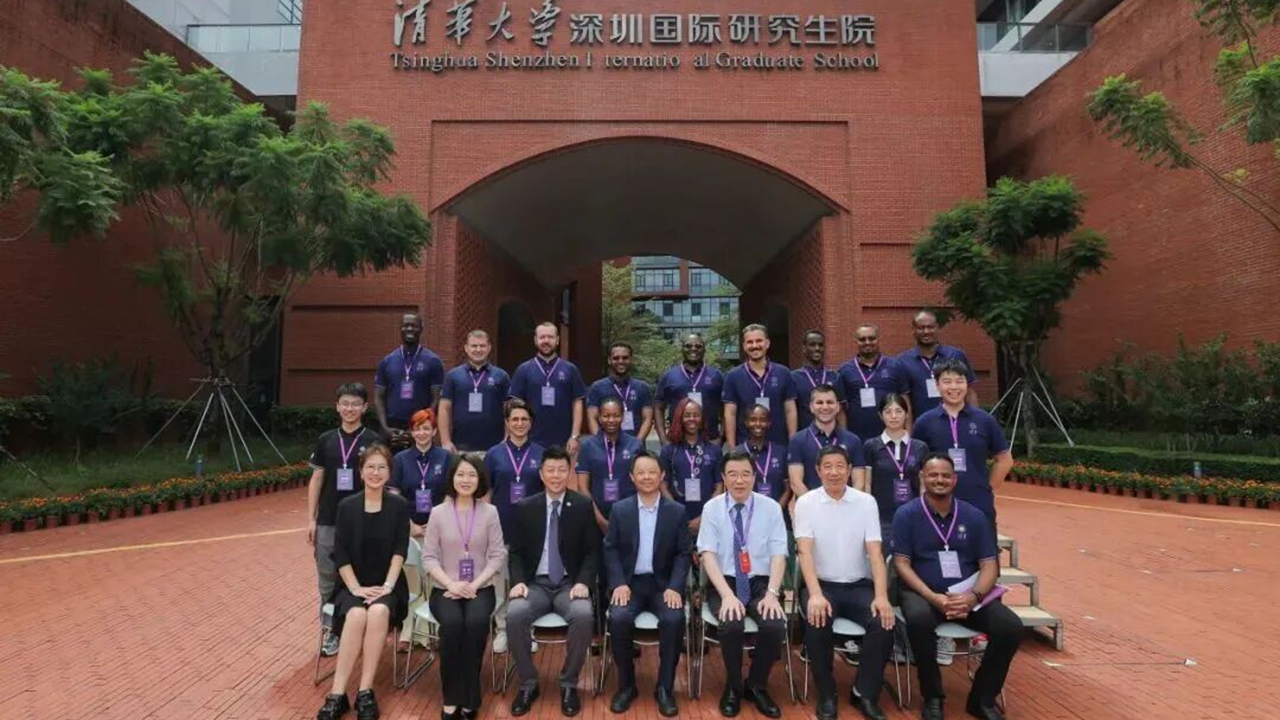
Participants and organizers of the Belt and Road Partner Countries Healthcare Service Management Training Program pose for a group photo at Tsinghua Shenzhen International Graduate School in Shenzhen. Photos courtesy of Tsinghua SIGS
Health is a shared aspiration of humanity and an important area of cooperation under the Belt and Road Initiative (BRI). As global health governance deepens, cultivating healthcare management professionals with a global perspective has become a common challenge facing countries worldwide.
Recently, 25 healthcare management officials and hospital and medical school leaders from seven countries participating in the Belt and Road Initiative gathered at the Tsinghua Shenzhen International Graduate School (Tsinghua SIGS) in Shenzhen for a 14-day training program, exploring new approaches to healthcare management and international health cooperation.
Held from Aug. 25 to Sept. 7 , the Belt and Road Partner Countries Healthcare Service Management Training Program was held at Tsinghua SIGS. Participants came from Ethiopia, Kenya, Indonesia, Palestine, North Macedonia, Azerbaijan and Romania, including officials from national health ministries, as well as medical school deans and hospital presidents.
Healthcare governance meets artificial intelligence
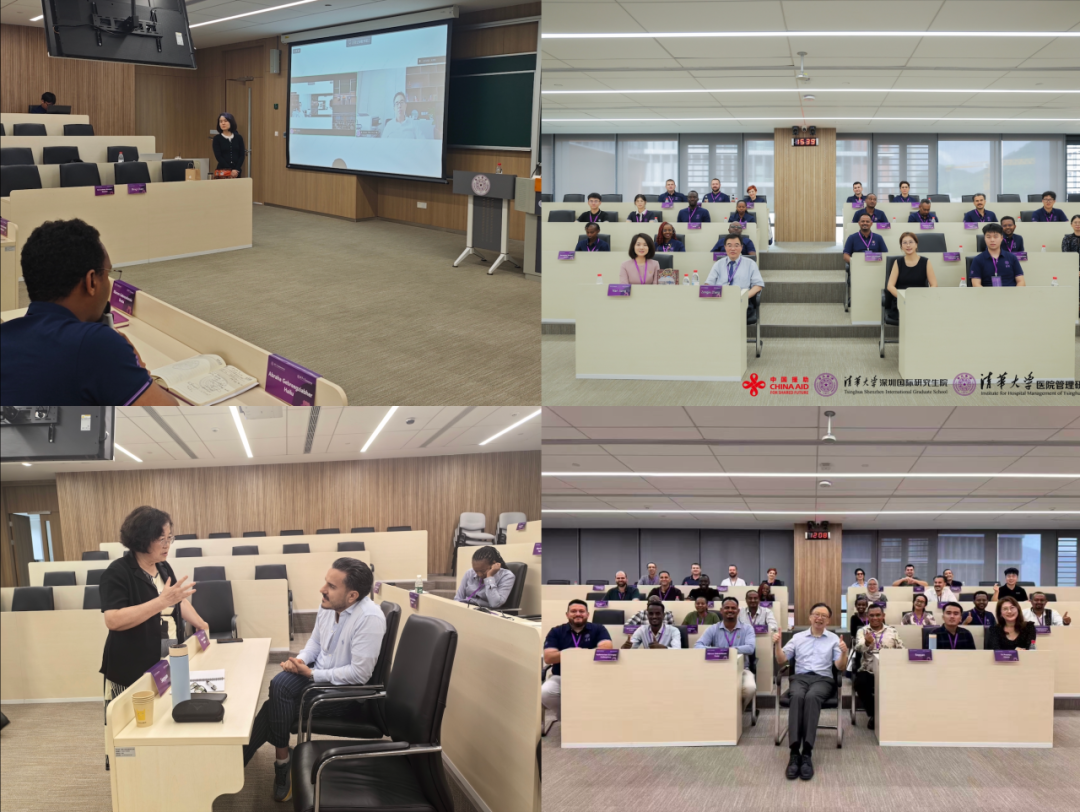
Participants attend classroom sessions on healthcare management at Tsinghua Shenzhen International Graduate School in Shenzhen.
The training program featured two major modules: healthcare governance and artificial intelligence (AI).
Experts and scholars from Tsinghua University, Peking University and Sun Yat-sen University delivered lectures, including Huang Tianyin, deputy provost of Tsinghua University and dean of the School of Medicine; Zhang Zongjiu; Ren Minghui, dean of Peking University's Institute for Global Health; and Wang Haibo, director of the Big Data and Artificial Intelligence Center at the First Affiliated Hospital of Sun Yat-sen University.
The healthcare governance module provided participants with a systematic overview of China's healthcare system, medical insurance reform and the evolving landscape of global health governance. The sessions offered a frameword for better understanding China's healthcare reform experience.
AI was a key focus of this year's program. Courses covered the evolution of AI technologies in healthcare, applications in medical imaging and computer-assisted diagnosis, precision medicine and drug discovery, as well as hospital data governance.
From technological applications to ethical considerations, the courses explored the opportunities and challenges AI presents to healthcare, offering insights into China's approach to developing healthcare AI and narrowing the digital divide in healthcare.
From the classroom to the frontline
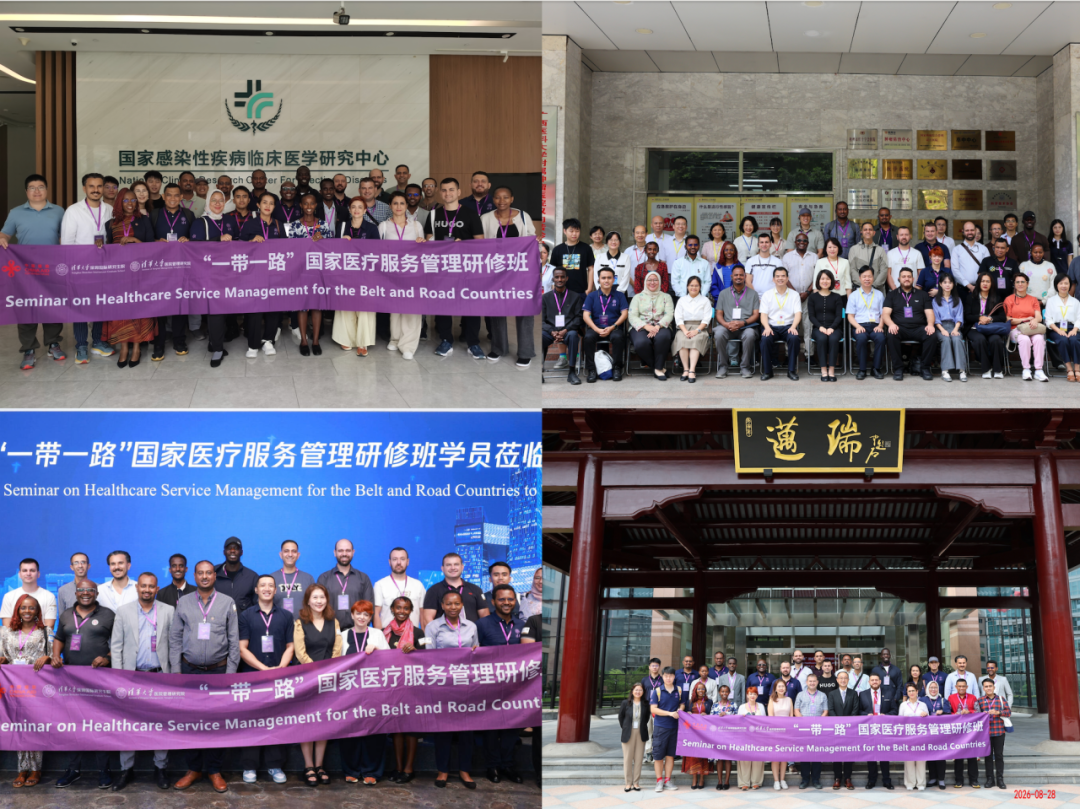
Participants visit healthcare institutions as part of the 14-day training program on healthcare service management.
Beyond the classroom, participants visited the Third People's Hospital of Shenzhen and Wuzhou Red Cross Hospital, where they learned about the prevention and control of major infectious diseases, nasopharyngeal cancer prevention and treatment, and clinical collaboration and research mechanisms.
They also visited community health centers in Shenzhen and primary healthcare institutions in Wuzhou to gain first-hand experience of China's integrated approach to medical care and disease prevention at the grassroots level.
Participants also explored the intersection of technology and healthcare through visits to companies including Tencent and Mindray, where they learned about applications of large AI language models in healthcare.
At Fosun Pharma and CanSino Biologics, they learned about the pharmaceutical and vaccine innovation pipeline, from research and development to commercialization.
Experiencing Shenzhen and Chinese culture
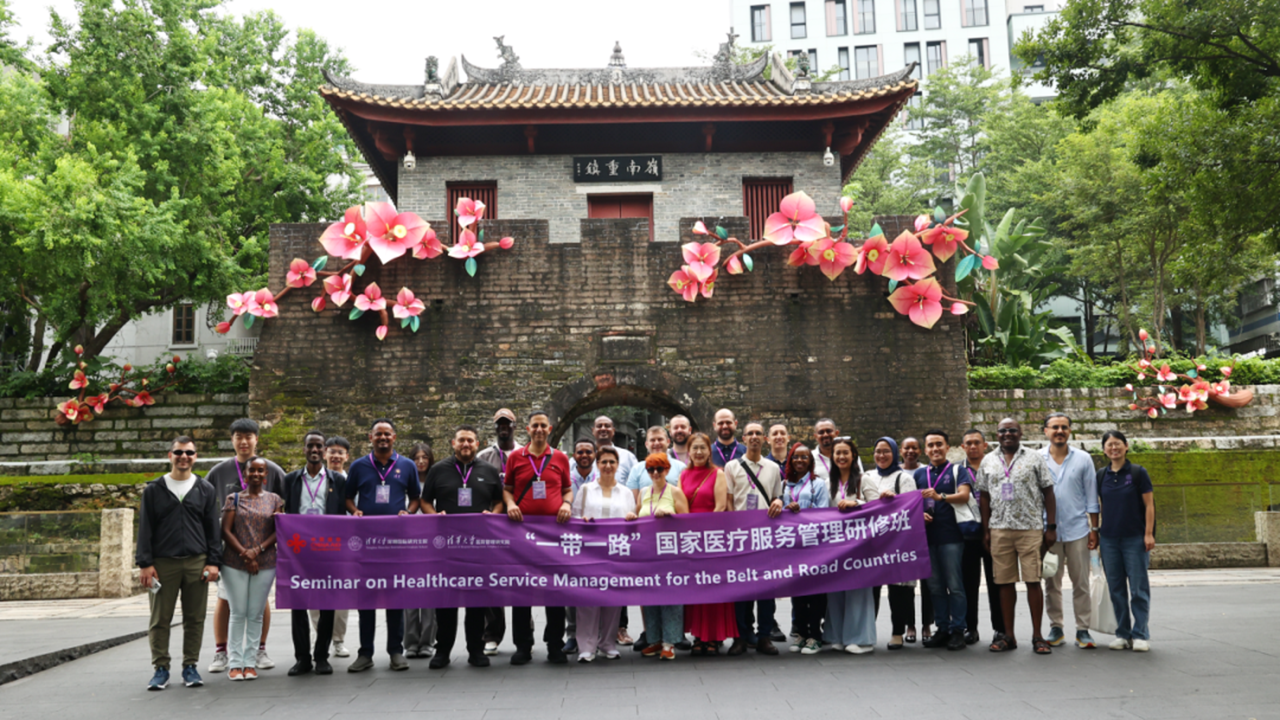
Participants pose for a group photo during a cultural visit at Nantou Ancient Town in Shenzhen.
The training program also offered participants opportunities to experience China's development and culture from different perspectives.
In Shenzhen, they visited the Shenzhen Reform and Opening-up Exhibition Hall and Nantou Ancient Town, gaining a deeper understanding of the city's reform and opening-up history and the cultural heritage of the Lingnan region.
In Wuzhou, participants experienced the culture of Liubao tea, explored the city's historic arcade buildings and enjoyed traditional cultural activities, including the Xiayu folk songs of Sizhou Island.
These experiences gave participants a broader perspective on China's economic development, social governance and cultural heritage beyond the healthcare sector.
Building bridges through healthcare cooperation
The 14-day program brought together participants from different countries, fostering new connections and friendships.
Desta Kibrom Gebreselassie, chief executive dean of the College of Health Sciences at Mekelle University in Ethiopia, said Shenzhen's governance model and policies for attracting talent left a deep impression on him.
He said he hoped to bring China's experience in artificial intelligence and digitalization back to Ethiopia.
Muhammad Bayu Ismoyo, a health policy analyst at Indonesia's Ministry of Home Affairs, expressed hope for further cooperation with Tsinghua University in talent development.
Kevin Onyinkwa Ombati, director of the Radiology Program at Aga Khan University Hospital in Kenya, said he was particularly impressed by China's experience in regulating AI applications in healthcare. He plans to share these insights in Kenya as a reference for developing regulations governing AI-assisted diagnosis and treatment.
From one training program to a broader vision
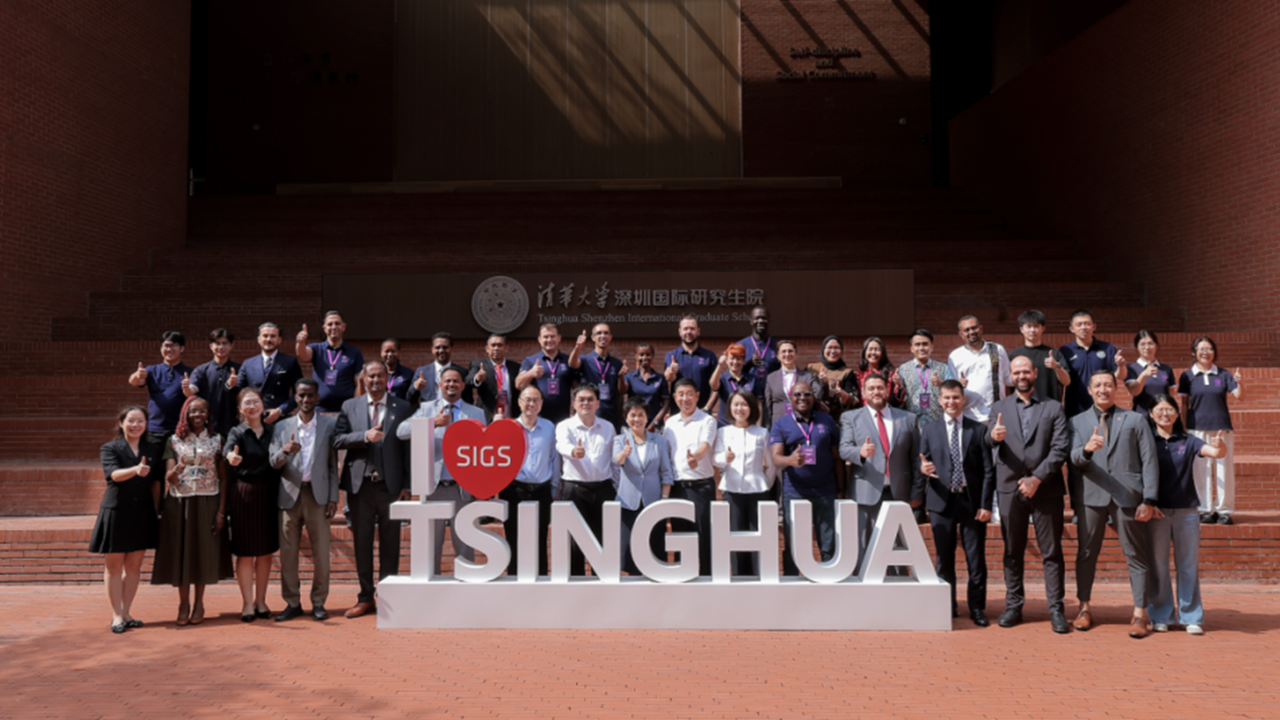
Participants gather at Tsinghua Shenzhen International Graduate School in Shenzhen during the 14-day healthcare service management training program.
The training program comes amid growing international cooperation in healthcare.
Against the backdrop of deepening global health governance and expanding health cooperation under the Belt and Road Initiative, the program marked a concrete step in Tsinghua University's efforts to strengthen cooperation with African countries.
In November 2025, a Tsinghua University delegation visited Ethiopia and Kenya and signed a memorandum of cooperation with Mekelle University. Less than a year later, 10 representatives from Ethiopia and Kenya participated in the training program in China, following up on the cooperation discussed during the delegation's visit.
As participants return home with new knowledge and experience in healthcare development, they are expected to help strengthen ties between China and Belt and Road partner countries and promote further cooperation in healthcare.
Looking ahead, Tsinghua SIGS will continue to leverage its strengths in interdisciplinary collaboration between medicine and engineering, as well as in integrating healthcare and management, to cultivate healthcare management professionals with a global perspective.
It will also deepen healthcare cooperation with Belt and Road partner countries, contribute to the development of the Health Silk Road, and increase Tsinghua University's contribution to building a global community of health for all.