
 Share
Share


 Print
PrintWind down in panda city
Writer: Debra Li | Editor: Lin Jiayi | From: Original | Updated: 2026-09-17
With the much-anticipated National Day holiday just a fortnight away, many travelers are already planning their next getaway. For those looking for a destination that combines good food, culture and a more relaxed pace, Chengdu makes an easy choice.
Rather than rushing from one attraction to another, a few days here will allow you to enjoy the city at a leisurely pace.
A bite of Chengdu
With thousands of years of culinary heritage and a dazzling range of flavors, Chengdu has rightfully earned its place as a UNESCO "City of Gastronomy." And in a city like this, a good meal is the right way to begin with.
A recent lunch at Radisson Collection Hotel, Hi-Tech Zone Chengdu offered a more contemporary take on the city’s culinary traditions.
The hotel’s Jin Chinese Restaurant takes inspiration from Shu brocade, Silk Road culture and serves refined Sichuan and Cantonese cuisine. Headed by chef Steven Qiu, the team comes up with dishes that are delicate, delicious and instagrammable.
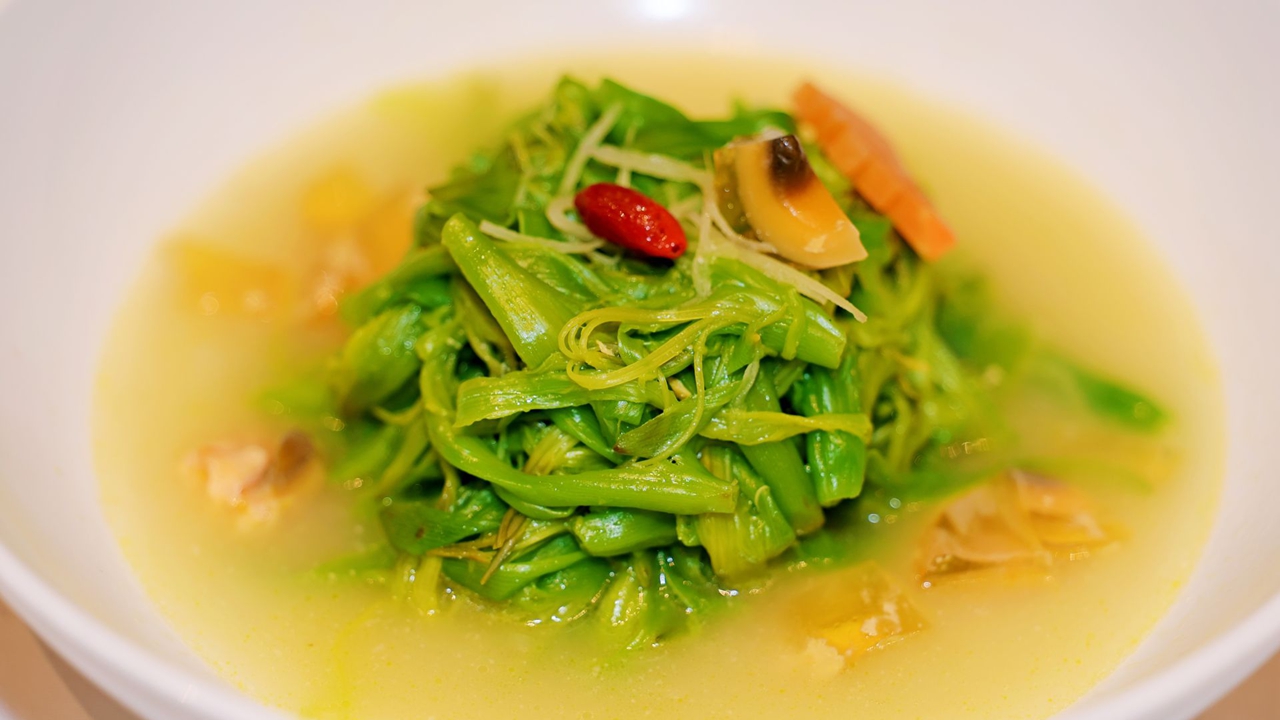
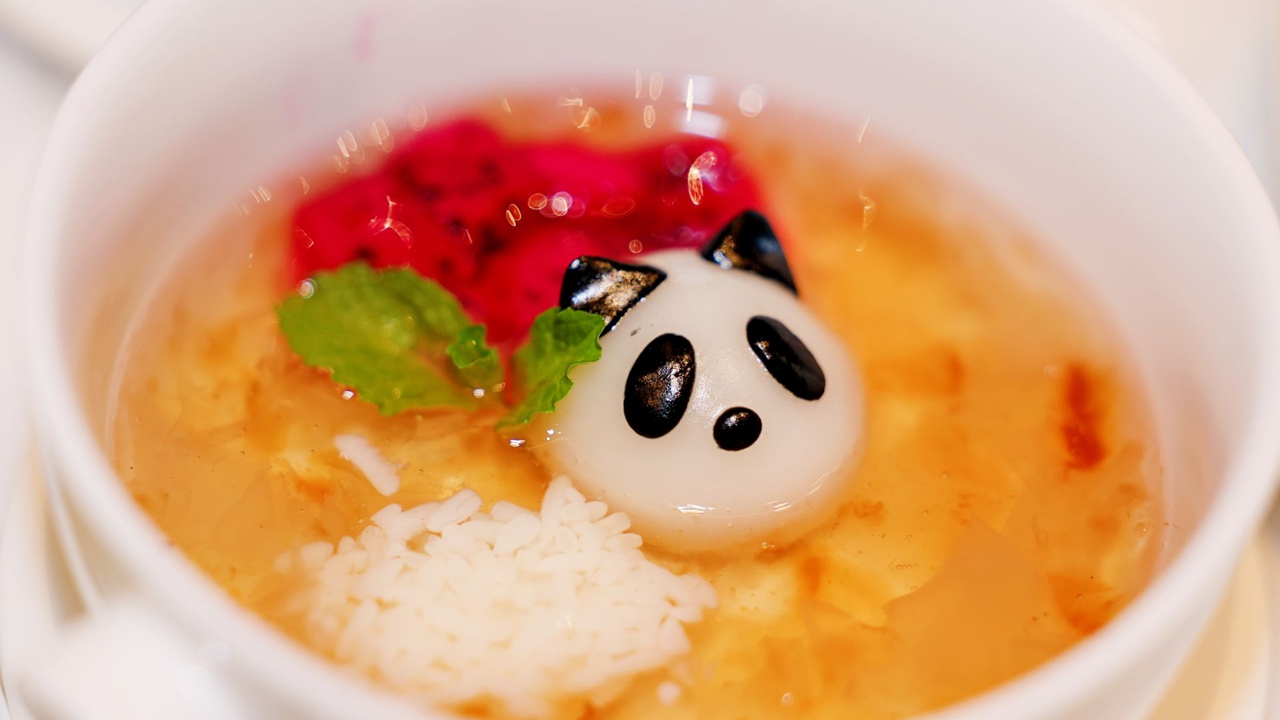
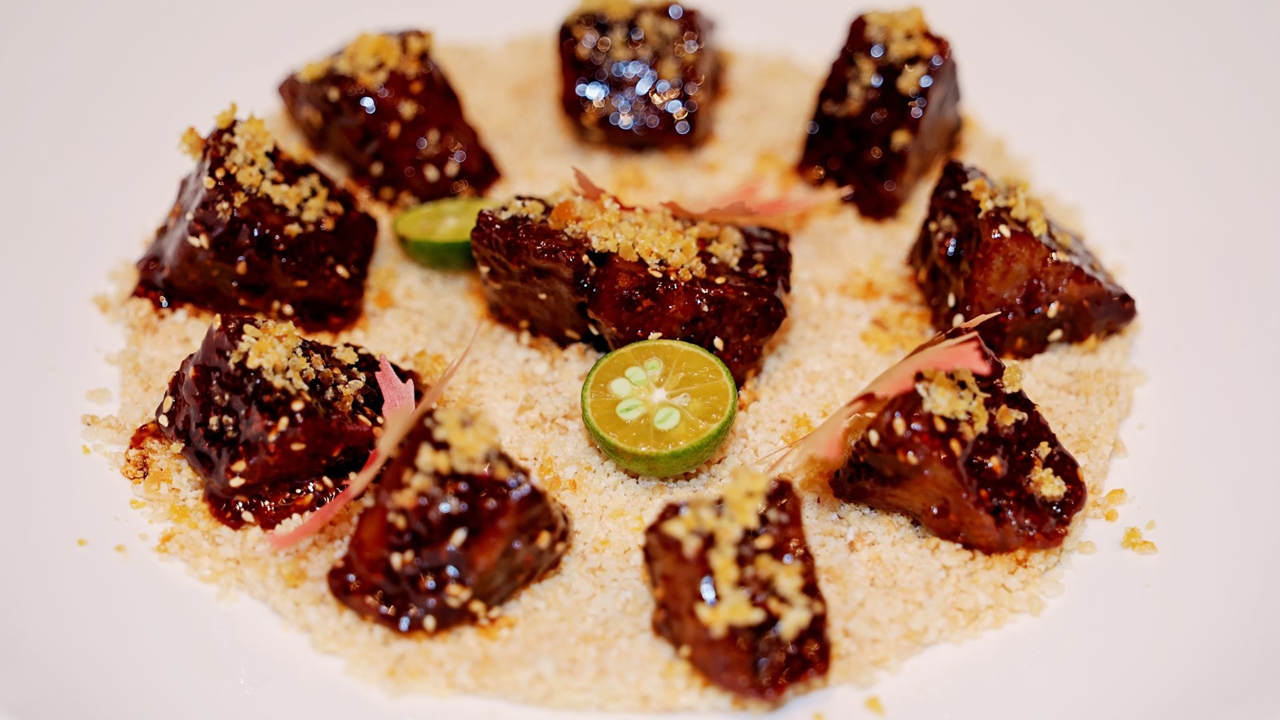
(From top)Braised day lilies with chicken soup; glutinous rice balls in osmanthus rice wine; deep-fried beef ribs with Sichuan "strange sauce" presented by the chef team of Radisson Collection Hotel in Chengdu. Photos by courtesy of Radisson Collection Hotel in Chengdu unless otherwise stated
The lantern-shadow beef is so thin that light can penetrate the slices, yet the taste is so unique that you can feel a tint of sweetness amid the spicy numbing sensation.
The kung pao prawn, served alongside croissants, is so yummy and crispy that a sweet-tangy-salty-numbing taste explodes all at once in your mouth.
Another must-try is the fried beef ribs with Sichuan "strange sauce." The beef is so tender in the middle and crisp outside, while the sauce has a balanced and complex taste blending salty, sweet, numbing, sour, spicy and umami.
The experience offered a different perspective on Sichuan cuisine — one that retains its distinctive flavors while presenting them in a more contemporary way.
Of course, no trip to Chengdu would be complete without trying its more traditional local fare.
So, we visited Yongle Restaurant on Xiaojiahe Middle Street, a Michelin guide-listed restaurant that serves home-style Sichuanese dishes made the traditional way: stir-frying, steaming and shuizhu (cooking ingredients in red hot spicy oil).
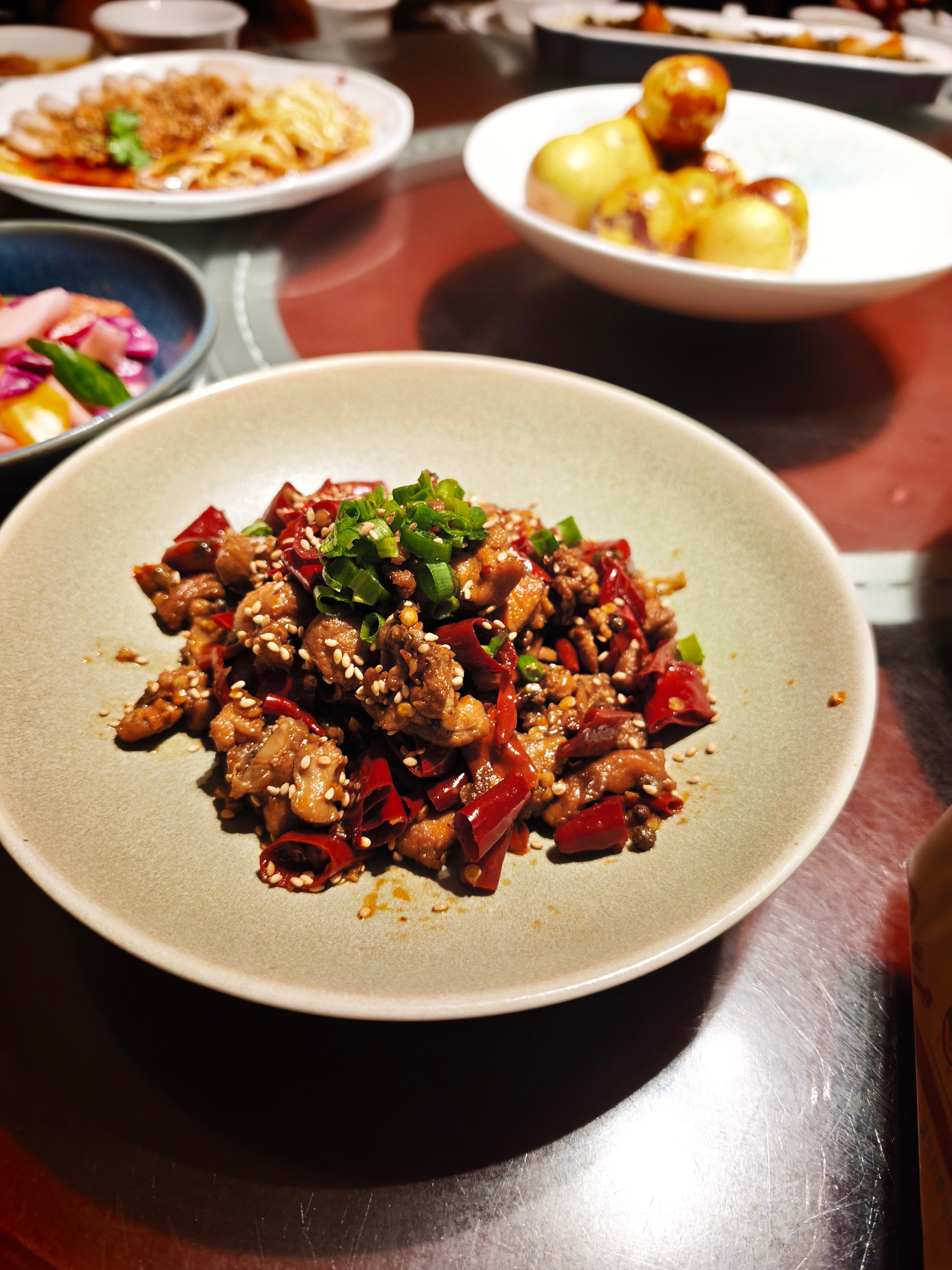
Spicy rabbit bites with dried tangerine peel and white sesame at Yongle Restaurant. Photo by Debra
Its spicy rabbit bites with dried tangerine peel and white sesame were particularly memorable, balancing heat with a distinctive citrus aroma.
As hotpot is one of Chengdu's most popular dishes, we also went to Chuanxi Bazi Hotpot on Jiaozi Avenue,where diners can choose from the classic spicy red broth, a milder yuanyang combination and other options. Beef slices, shrimp balls, vegetables and mushrooms all make popular choices.
After a sumptuous dinner, you can walk to a footbridge on Jiaozi Avenue to appreciate a light show displayed on the façade of the 218-meter twin towers.
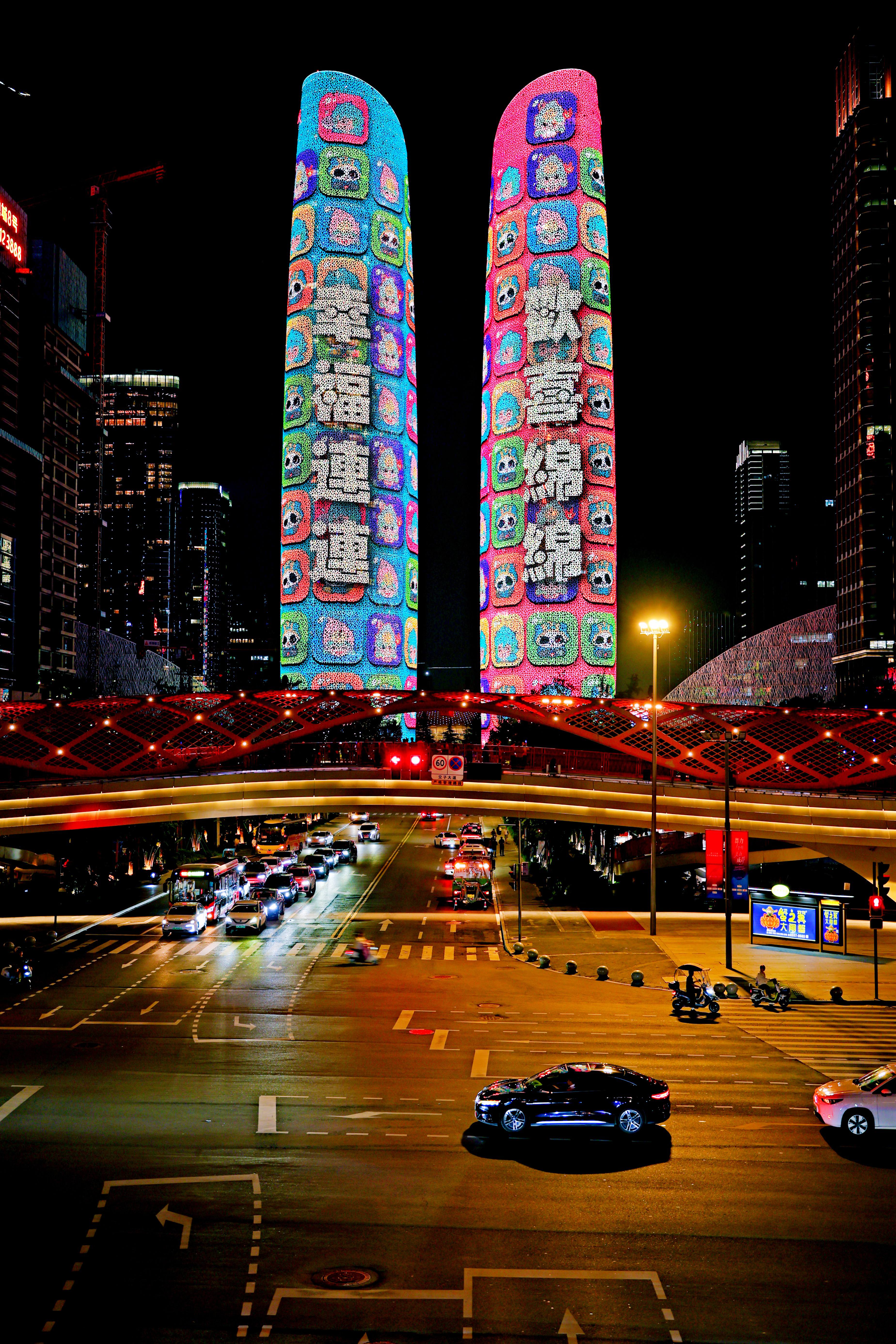
A light show is displayed on the twin towers
Chengdu Panda Base
The love for giant pandas is so obvious in Chengdu, you can spot panda imagery everywhere, from a huge installation at Shuangliu airport to bus stops, plazas, outdoor screens and even prints of paws on pavements.
Therefore, the Chengdu Research Base of Giant Panda Breeding, simply referred to as Chengdu Panda Base most of the time, is a must-visit.
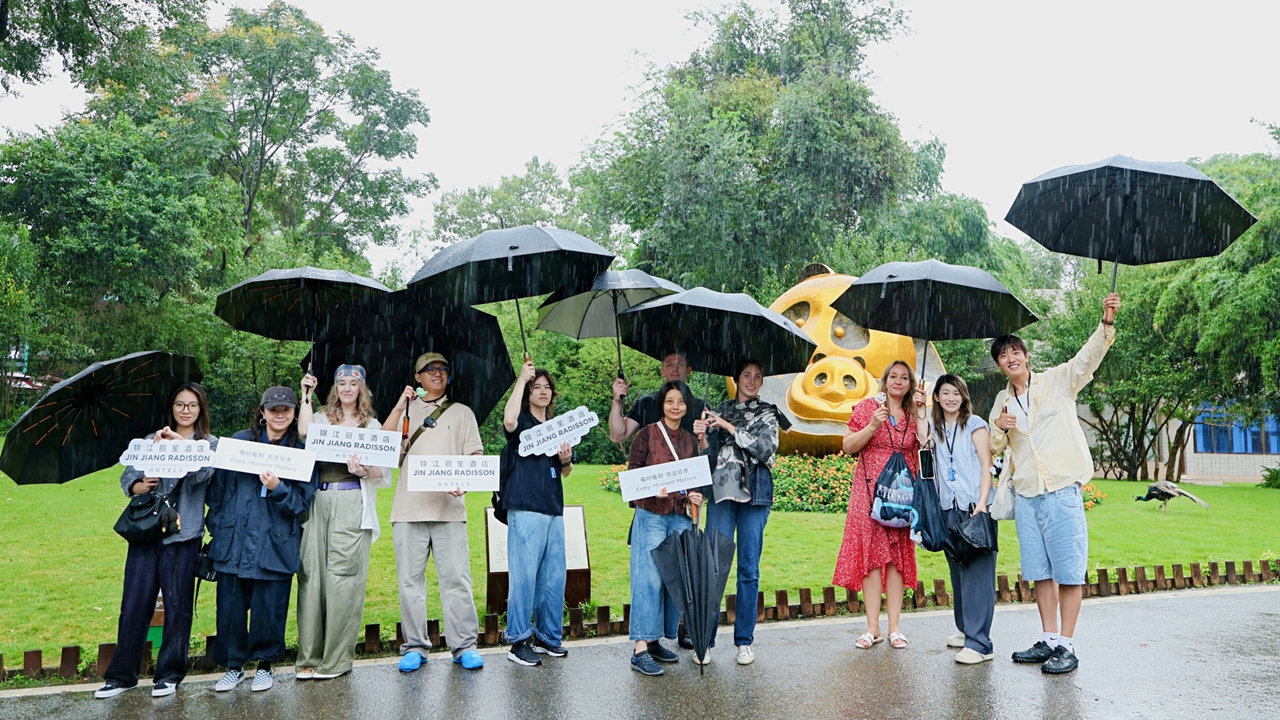
A group photo at Chengdu Panda Base.
A little more than 10 km north of downtown Chengdu, the base is the world's leading research center of its kind. Its sweeping 2.4 sq km campus, sheltering more than 200 giant and 160 red pandas, has 18 enclosures spread across various zones, including four huge courtyards completed in 2022, as well as labs, museums and entertainment facilities. It takes three to five hours to explore the campus; it’s best to visit in spring and autumn, as the pandas would climb trees and frolic in the outdoor gardens only on cool sunny days. Also, early morning is their most active time of the day.
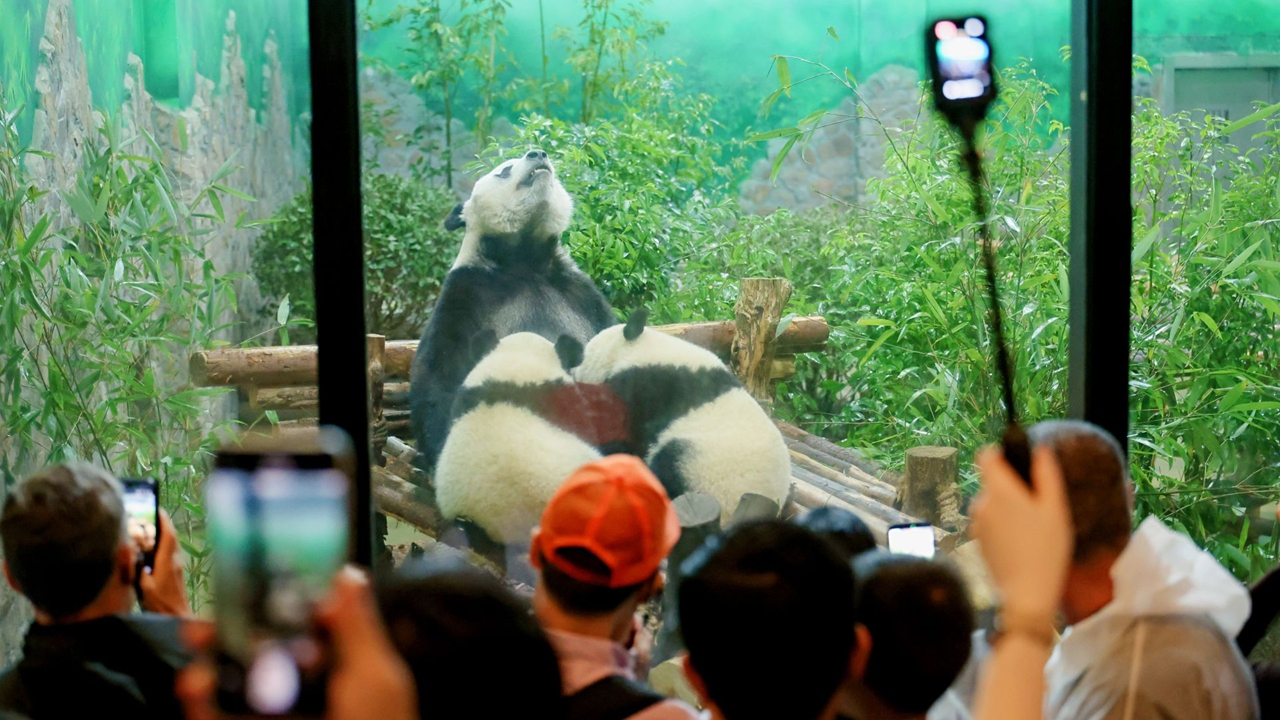
Crowds watch and snap photos as a panda mom breastfeeds two cubs.
During our visit, we saw a giant panda mother breastfeeding two cubs at the Moon Maternity Ward. In another villa, a panda scratched its back against wooden branches, as if performing a swing dance.
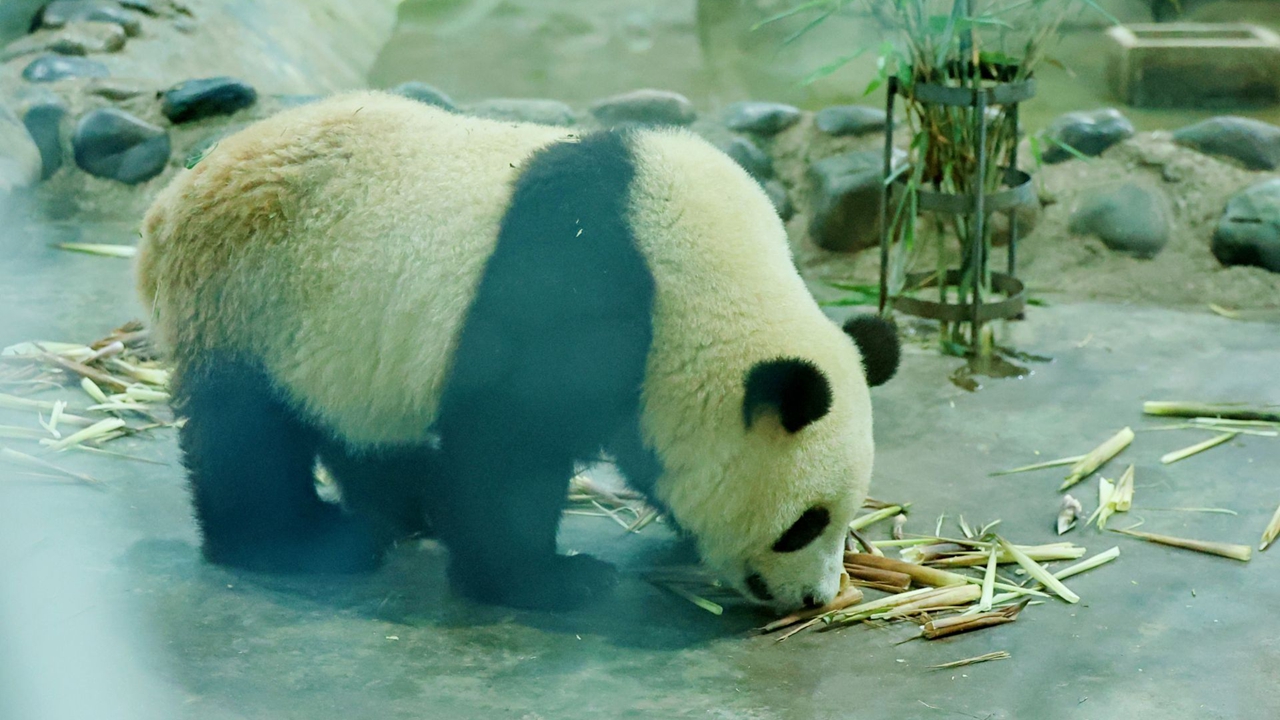
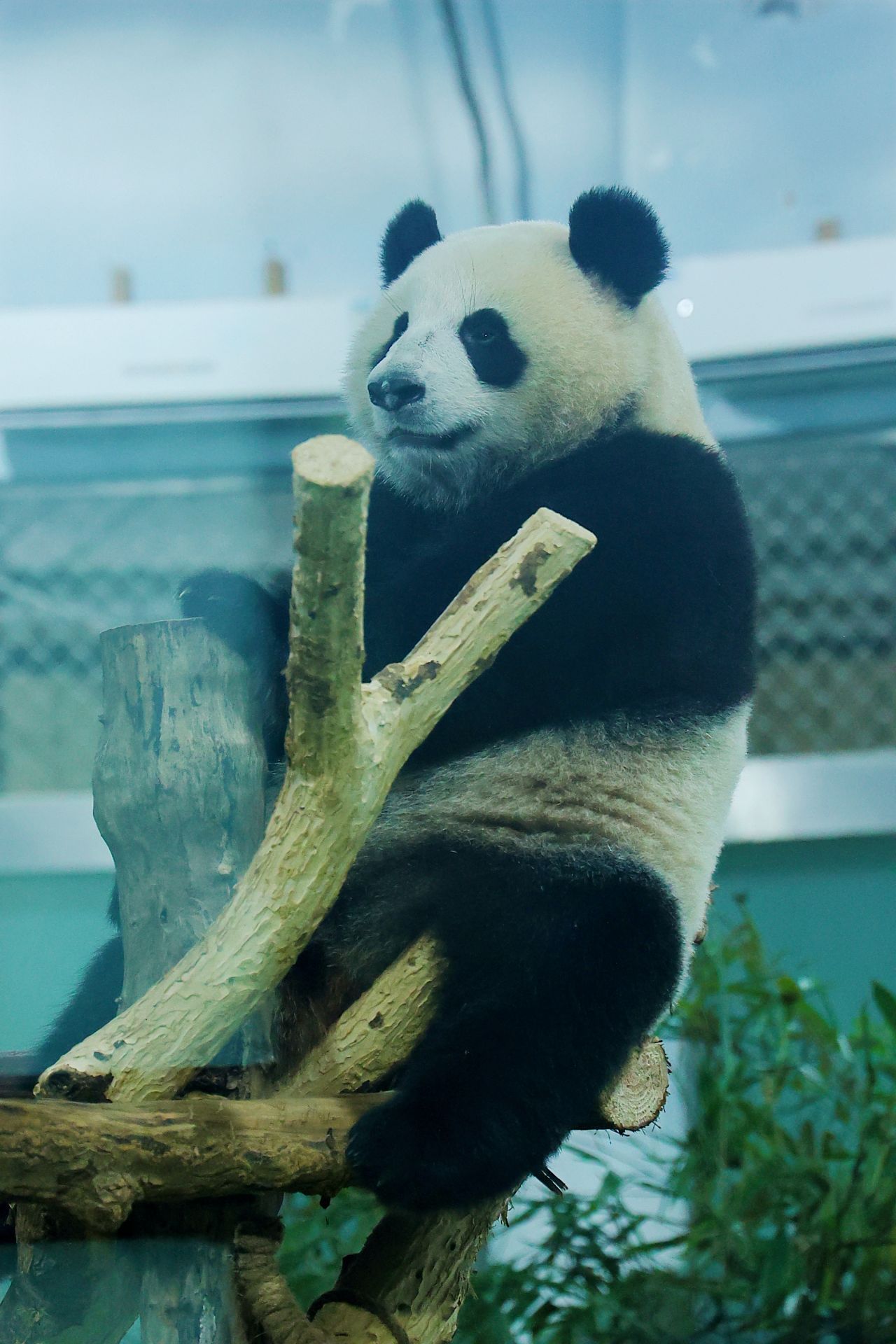
Cute pandas at Chengdu Panda Base.
If you visit on a rainy day, like we did, it's better to enter from the south gate and visit the pandas in their villas, which are close to one another.
For a first close-up encounter with pandas, even through a glass window, it was hard not to be charmed.
Wuhou Shrine
Located in the south-central part of Chengdu, Wuhou Shrine isn't merely a temple. It is the holy grail for fans of "Romance of the Three Kingdoms" — one of the four great classical Chinese novels.
But even if you have never heard of these ancient warlords, you will enjoy visiting this aesthetically stunning, perfectly preserved traditional garden complex of typical Sichuan style.
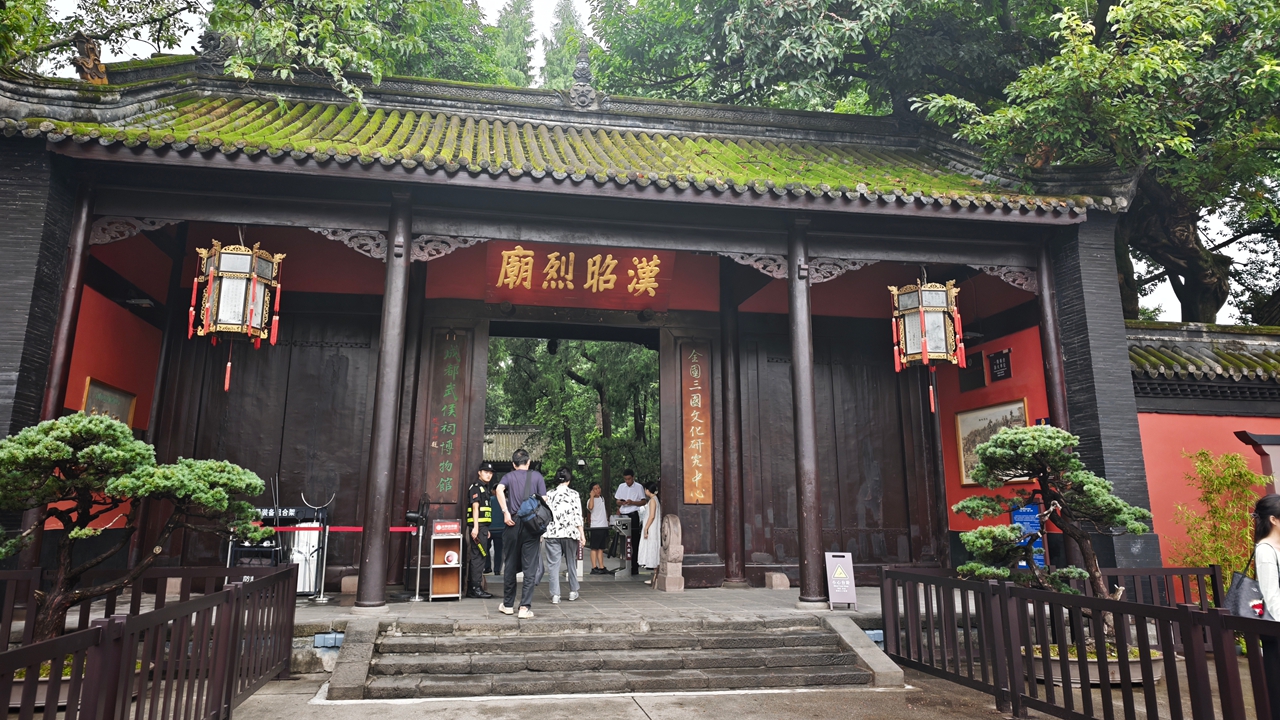
The entrance to Wuhou Shrine.
The shrine is dedicated to Zhuge Liang, known by his title "Wuhou" (Martial Marquis). He was a chancellor and military strategist so brilliant that his name is synonymous with "genius" in Chinese. Legend says he could predict the weather to win battles and invented a "wooden ox" (a kind of wheelbarrow) to transport supplies over mountains. He serves as the ultimate paragon of loyalty in Chinese culture, having worked himself to death trying to unify the country for his lord Liu Bei.
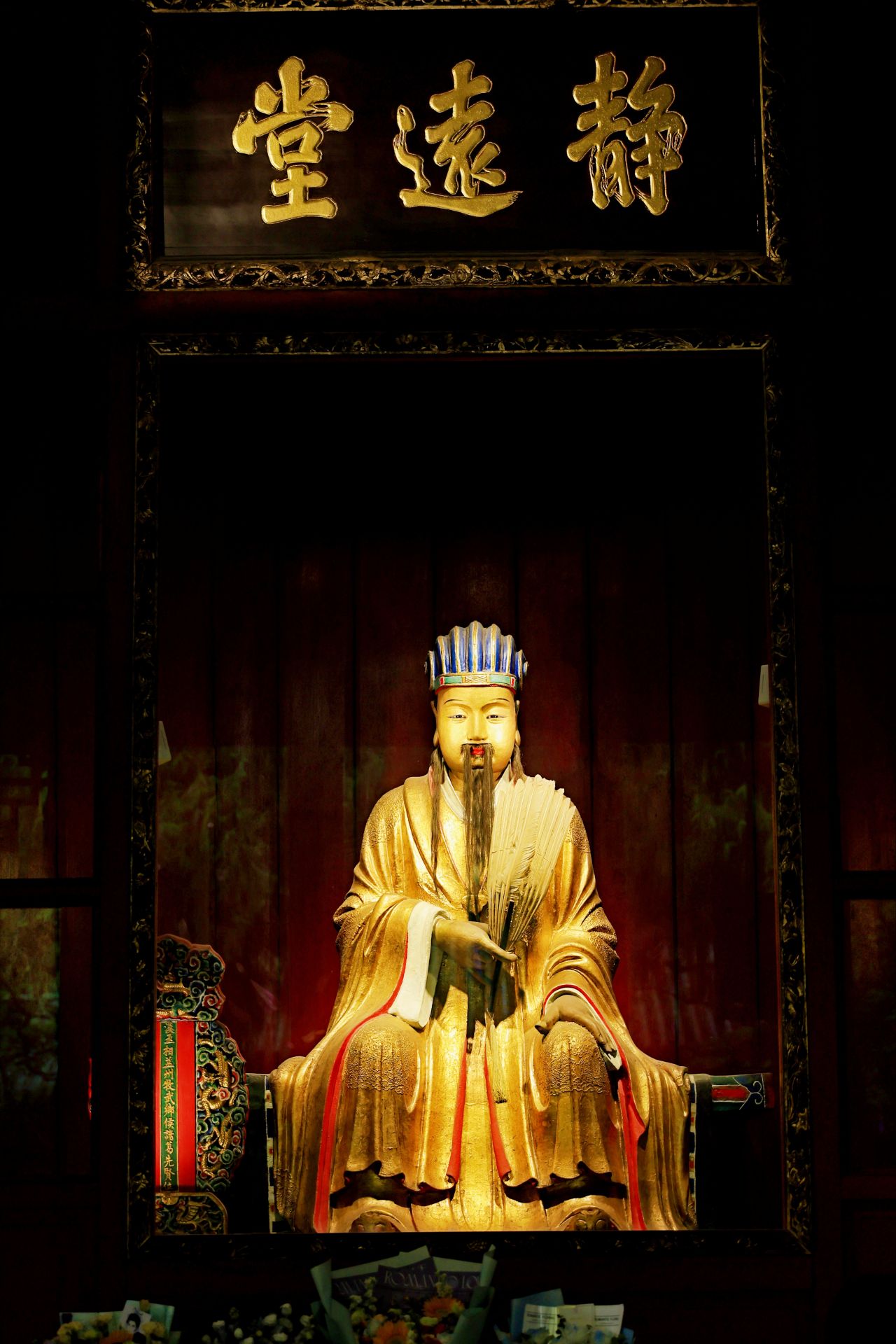
Zhuge Liang's statue in his memorial hall at Wuhou Shrine.
Liu, the emperor of the Shu Han Kingdom in the Three Kingdoms Period (220-280), is worshipped, and also buried, at the shrine — a rare occasion in ancient China with strict hierarchy. Zhuge Liang himself was buried at the foot of Dingjunshan Mountain in Shaanxi Province, after dying during the last battle he fought for his kingdom.
During the Ming Dynasty (1368-1644), the individual temples of the two men were merged into a single complex. To maintain a shred of imperial dignity, Liu's hall was placed slightly higher and in front of Zhuge's hall — but make no mistake, 90% of the people who visit are coming for the brilliant minister, not the emperor.
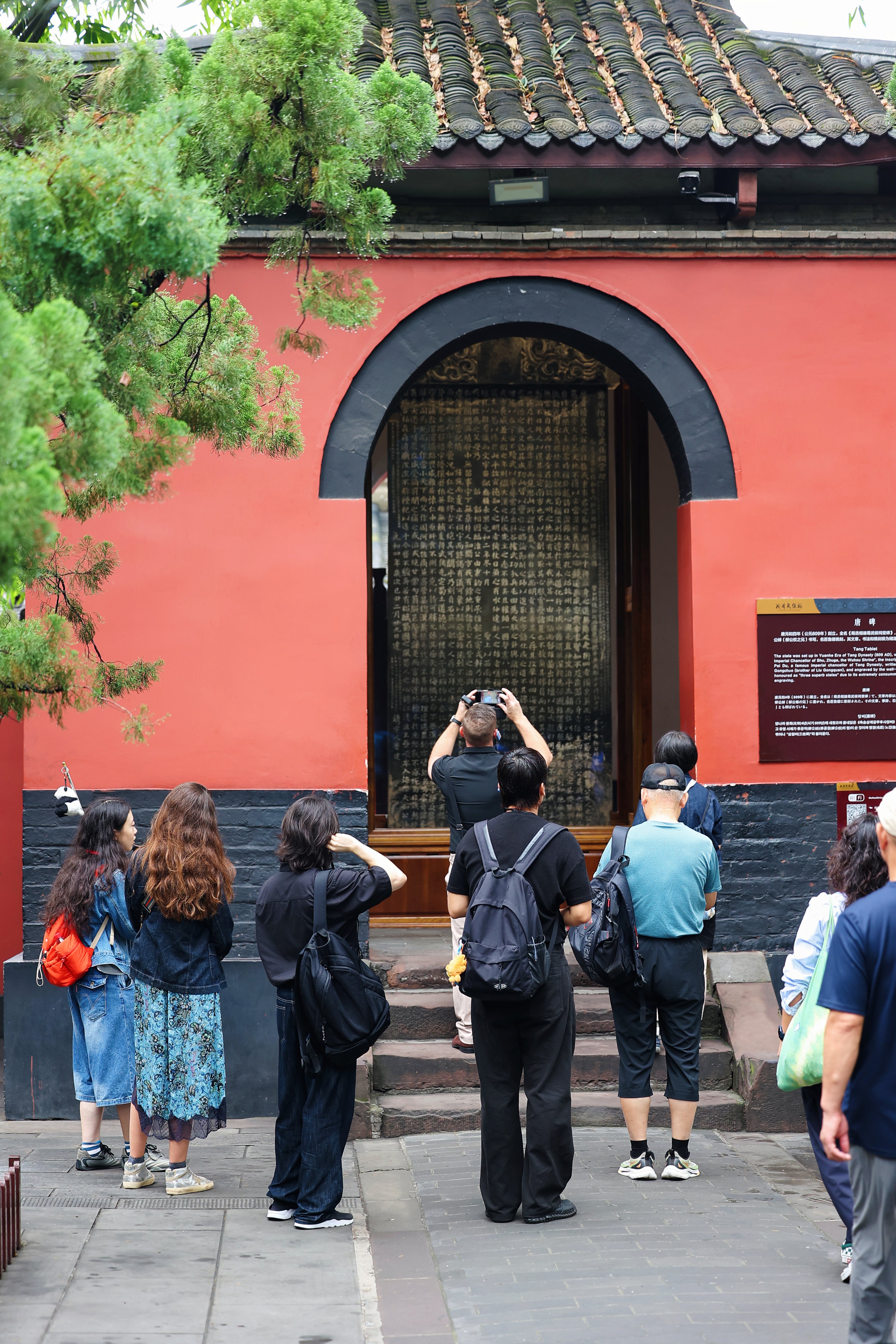
Travels are taking photos of this Tang tablet.
Even without knowing much about the Three Kingdoms period, visitors can still enjoy the beautifully preserved traditional Sichuan-style garden complex, where red walls, bamboo and stone paths create one of the city’s most recognizable photo spots.
A slow-paced life
To spend a leisurely afternoon like a local, you can sip jasmine tea at the Chen Jin Teahouse on Tiexiang Temple Riverfront, while enjoying a performance of the traditional Sichuan tea ceremony and face-changing that is unique to Sichuan opera.
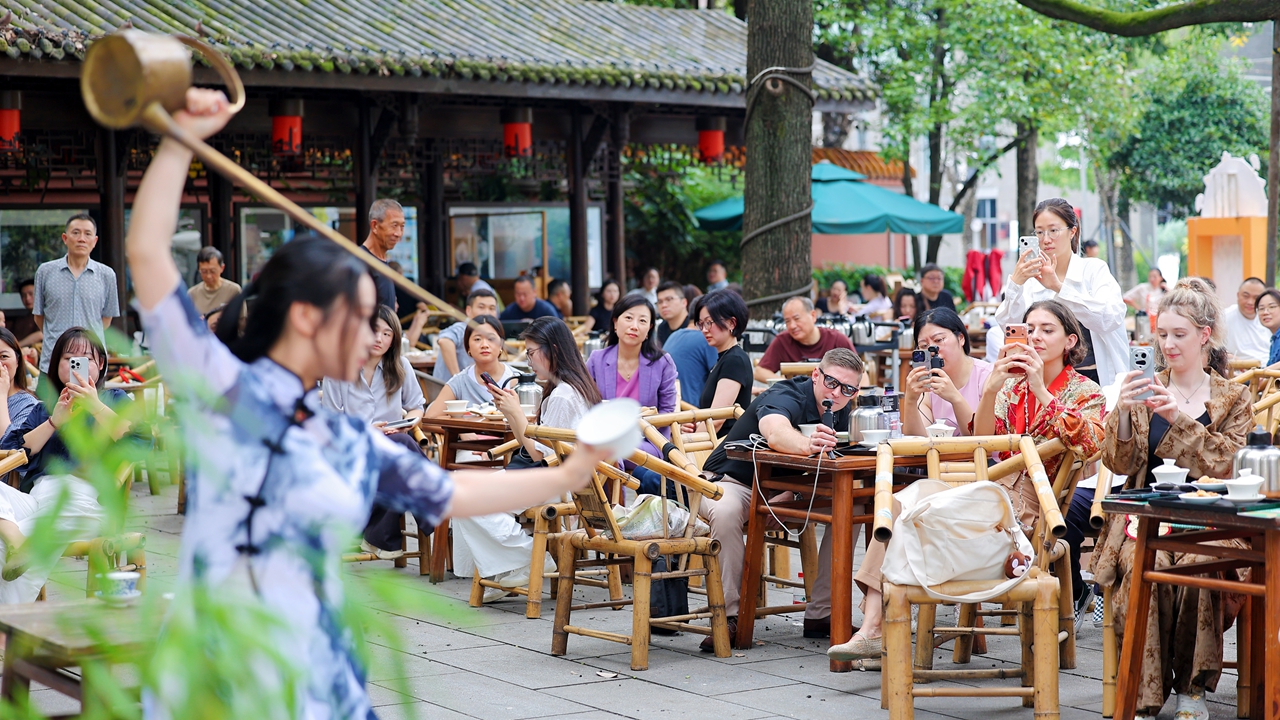
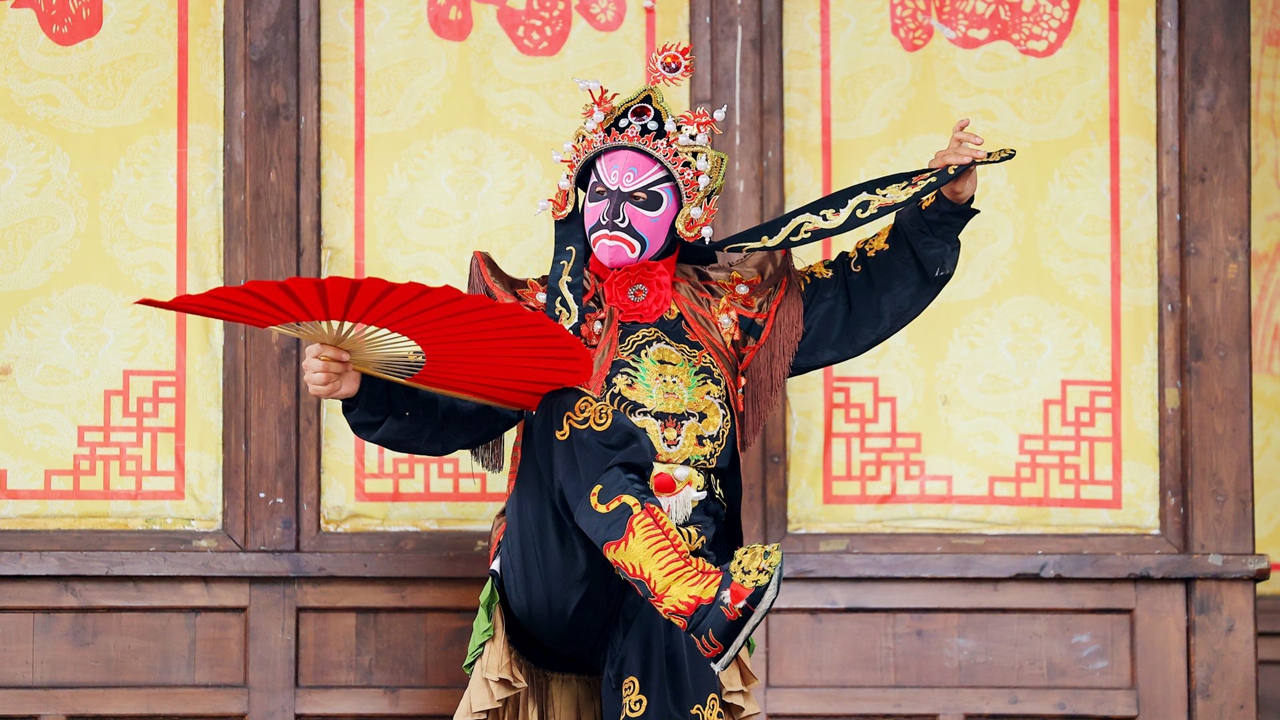
(Top) A young woman performing traditional Sichuan tea ceremony; a man performing face-changing that is unique to Sichuan opera.
For an evening out, you may try the beverages in bars on Fangcao Street, where individual singers and bands croon over a guitar.
Or, when you simply feel like staying in, Radisson Collection Hotel, Hi-Tech Zone Chengdu provides another pleasant way to enjoy the city. Part of the Jin Jiang Radisson Hotels portfolio, the hotel occupies floors 31 to 46 of the Yunduan Tower within the China-Europe Center, offering breathtaking views of the Chengdu skyline and Jinjiang River.
On clear days, you may even catch a glimpse of the snow-capped mountains in the distance.
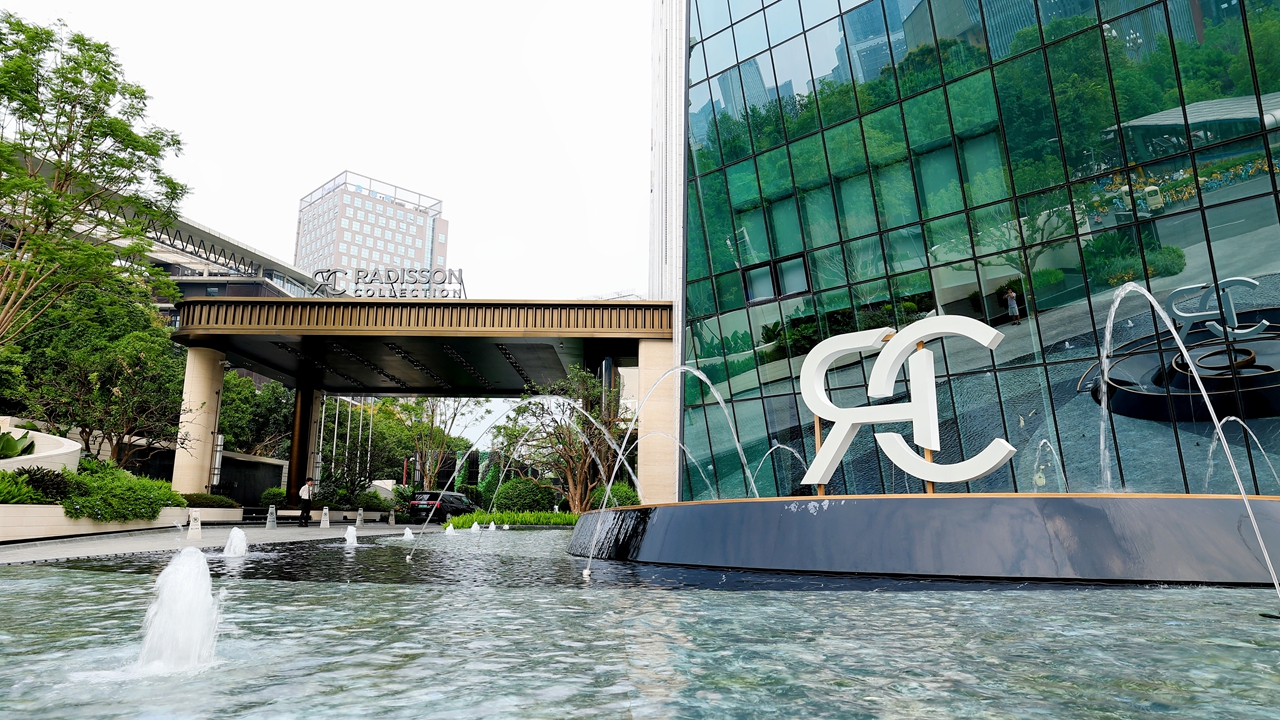
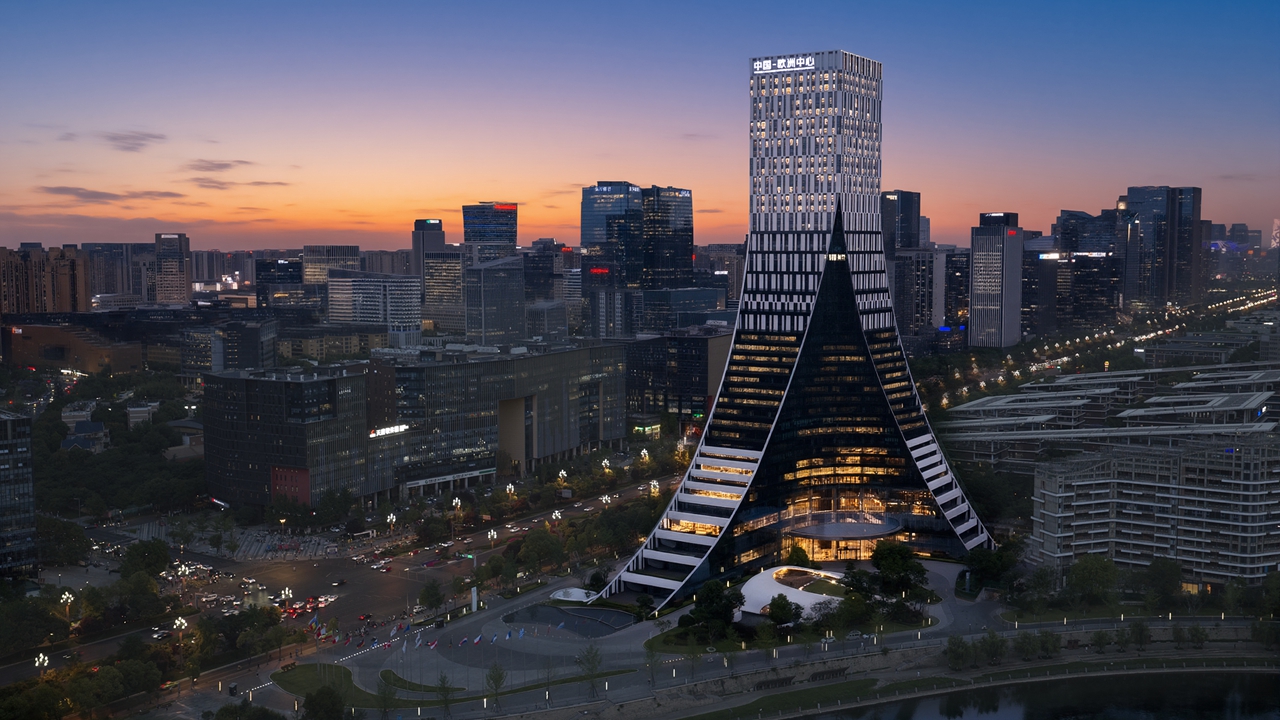
Located on the middle section of Tianfu Avenue, Radisson Collection Hotel, Hi-Tech Zone Chengdu can be your cozy home away from home.
As the couplets in front of the outdoor stage at Chen Jin Teahouse read, "Life is long, why in such a hurry?"