
 Share
Share


 Print
PrintSZ a magnet for global talent: Nikola Sretovic
Writer: Li Jing | Editor: Lin Jiayi | From: Original | Updated: 2026-09-10
For Nikola Sretovic, Shenzhen is a city of near-limitless possibility — so much so that its very essence defies encapsulation in any single phrase.
With over 14 years on the global design scene, Sretovic has won 16 international awards and worked with brands including JBL, Peavey, Elica and RingConn — as well as Fortune Global 500 giant Harman International, a Samsung subsidiary. He also teaches at Shenzhen Technology University and Harbin Institute of Technology’s Shenzhen campus. For all his global travels, it is Shenzhen that the Serbian designer now calls home.
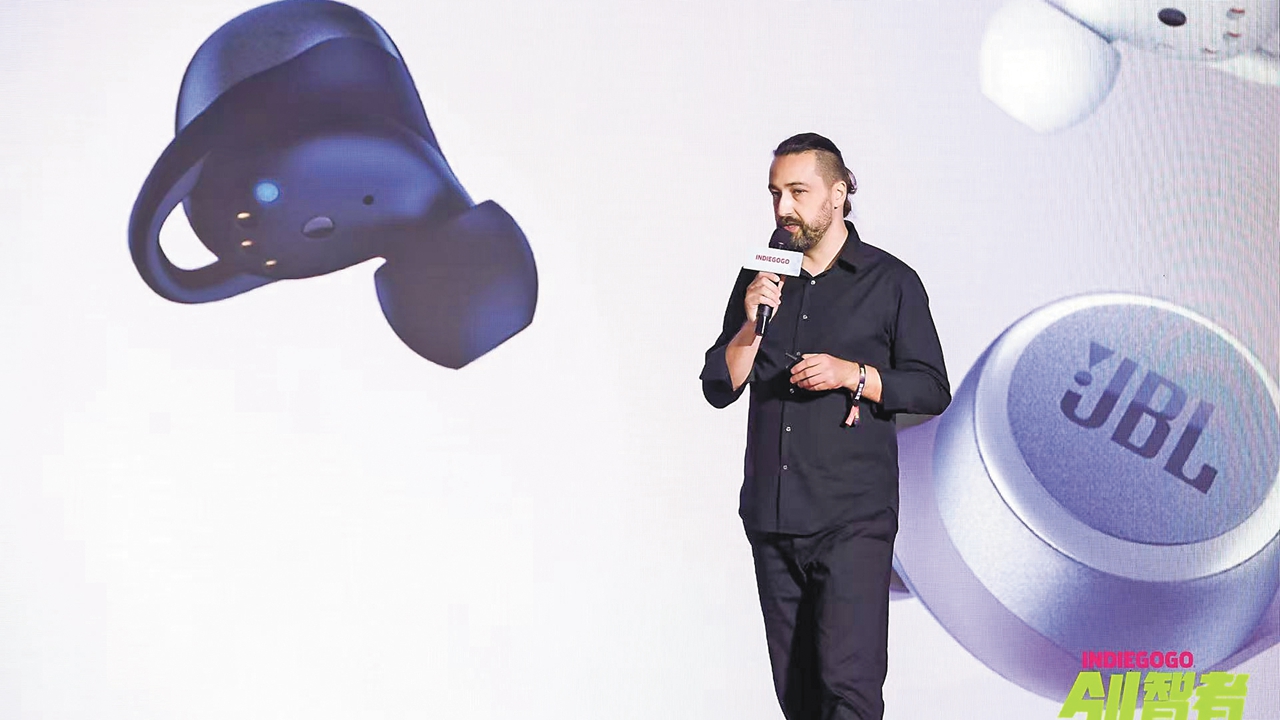
Nikola Sretovic, winner of iF, Red Dot, and G-Mark design awards. Photos provided to SZ Daily
“Design is not just about products — it’s about understanding people: their needs, emotions, behaviors, struggles and the world around them.”
That perspective was shaped by a difficult childhood.
Growing up in war-torn 1990s Serbia, he recalled: “My family tried to give me a normal life, but war shaped how I see hardship — and how to help. It made me more empathetic and gave me a desire to make a difference.”
In high school, he volunteered with Serbian NGOs, which earned him a UNESCO scholarship to study in Switzerland. Three years later, he graduated from the University of Applied Sciences and Arts Northwestern Switzerland, where he designed prosthetics for child victims of war as his graduation project.
The boy from the warzone chose to fight suffering with design.
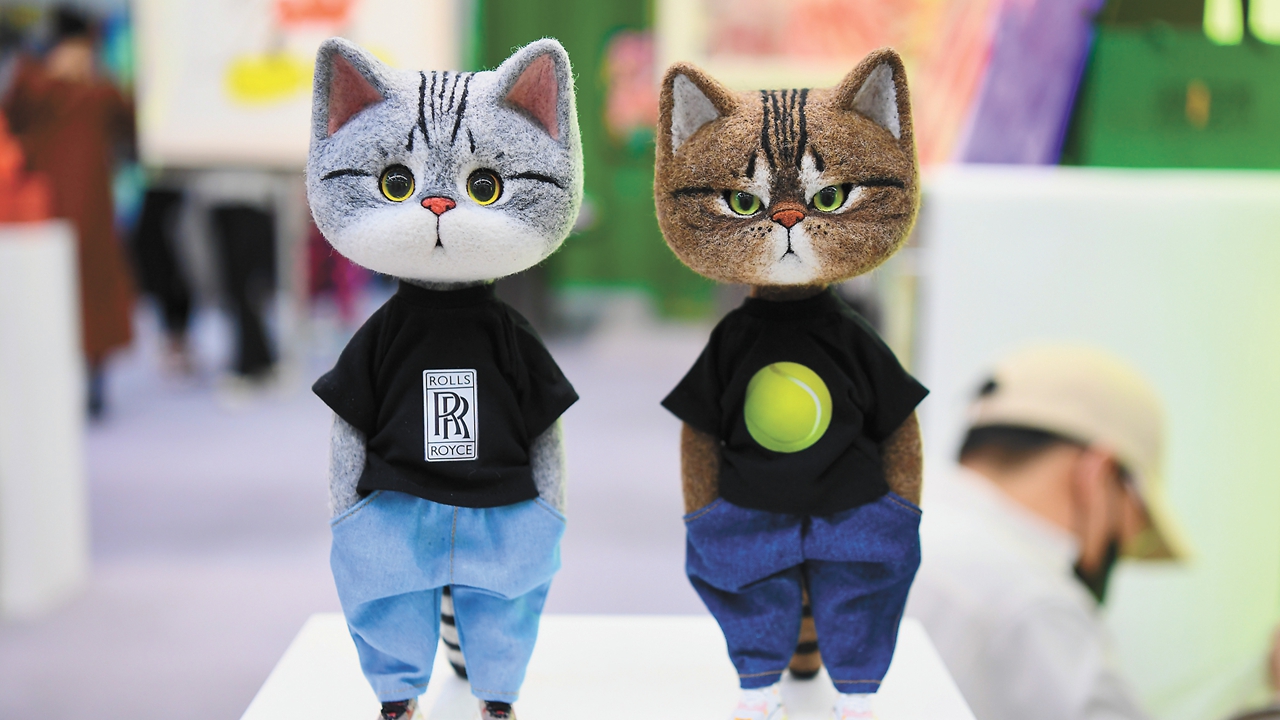
Cat-themed design works on display at the Shenzhen Convention and Exhibition Center in this file photo.
Sretovic later worked in Switzerland and Germany. His work has earned 16 design patents and 16 international awards, including the iF Design Award, Red Dot Design Award and Good Design Award, or the G-Mark.
The turning point in his life came in 2017, when he accepted an invitation from Harman International and moved to Shenzhen.
When he first arrived, Sretovic felt “somewhat lost.” Everything — the city’s scale, its pace, its collaborative culture — was new.
“What impressed me most is Shenzhen’s ability to transform ideas into reality. Here, designers, engineers, suppliers and manufacturers are closely connected. Concepts on a sketchpad can quickly become prototypes and then products on store shelves.”
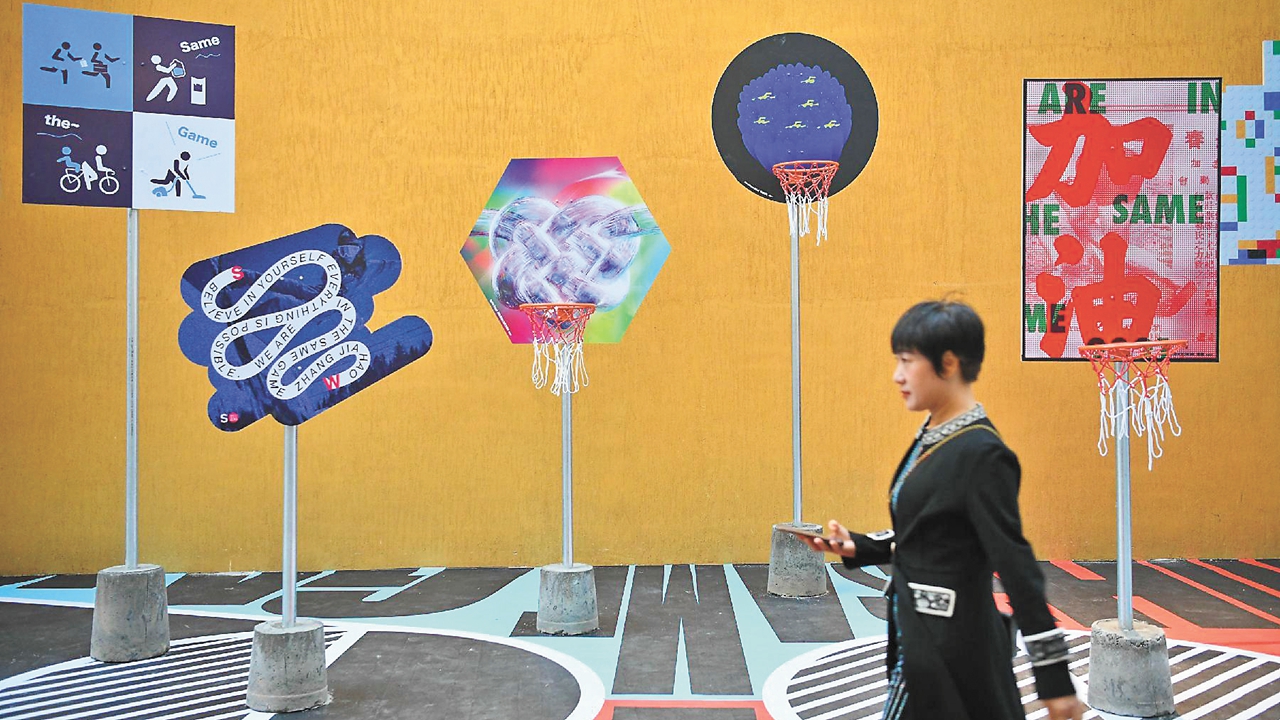
A visitor walks past exhibits during a previous edition of Shenzhen Design Week.
In Switzerland, he learned design thinking and user research. In Germany, he gained experience in engineering precision and structured processes. Shenzhen, he said, offers an ecosystem that brings these strengths together.
“Shenzhen doesn’t just make technology — it puts it in creators’ hands,” he said.
Consider one small detail. In 2009, Sretovic saw a 3D printer for the first time in Switzerland. “If I could own a machine like that, I’d be as excited as a kid in a candy store,” he recalled.
Years later, he found that “candy store” in Shenzhen.
“Our design office has three 3D printers, all made in Shenzhen,” he said.
The shift from “dream machine” to everyday tool says everything about Shenzhen’s approach to technology. The quiet hum of those three printers? That’s the sound of creation here.
The 33rd APEC Economic Leaders’ Meeting will take place in Shenzhen this November. For Sretovic, however, the city’s international character is not a slogan polished for a global summit — it’s an everyday reality he has lived for nine years.
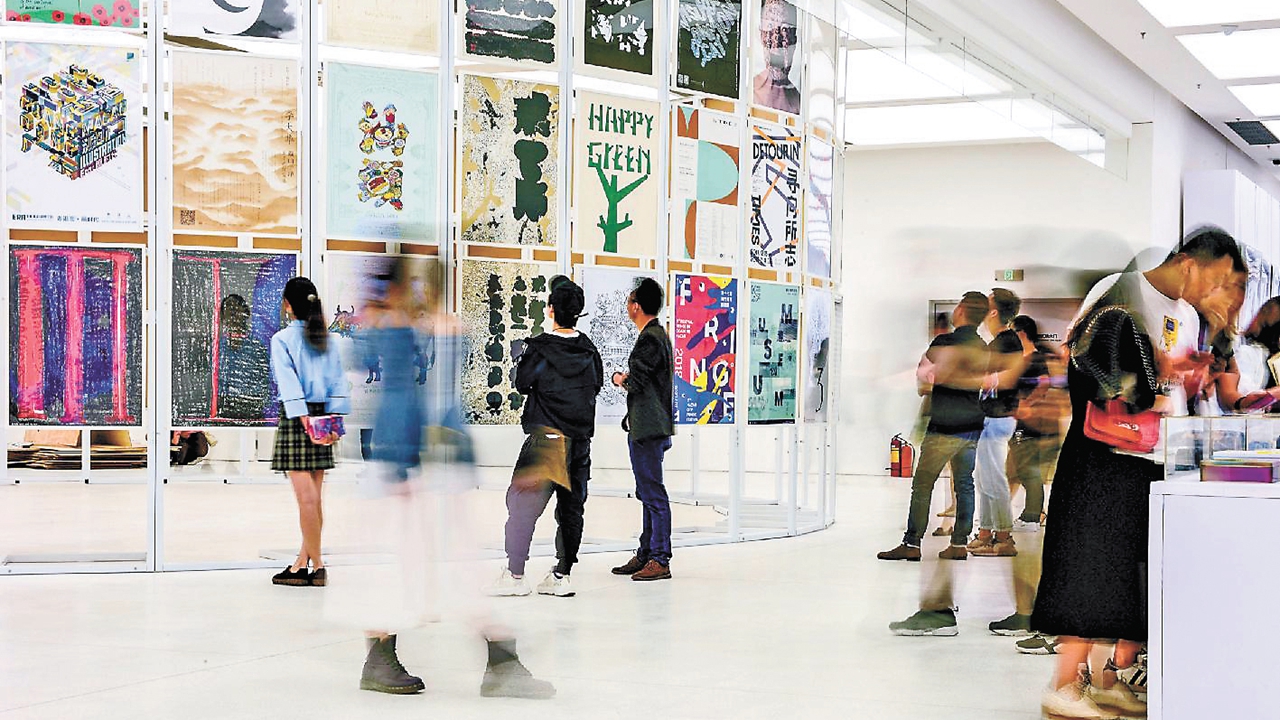
A scene from a previous edition of Shenzhen Design Week.
Shekou, where his office sits, offers a glimpse of that reality. The area is home to entrepreneurs, designers and engineers from around the world. They exchange ideas, collaborate, develop products and sell them globally.
“The future of design is international, and Shenzhen is the most vivid stage for that internationalization,” he said.
That character turned Shenzhen from workplace into home. Over the past nine years, he has founded Neuroma Design Studio, developed products for global markets, and grown as a designer, lecturer and entrepreneur.
He also gives back — teaching at Shenzhen Technology University and Harbin Institute of Technology’s Shenzhen campus. His students have won 17 international design awards in three years. And he channels part of his studio’s revenue into supporting design students: More than 150 have received materials, 3D printers, and scholarships.
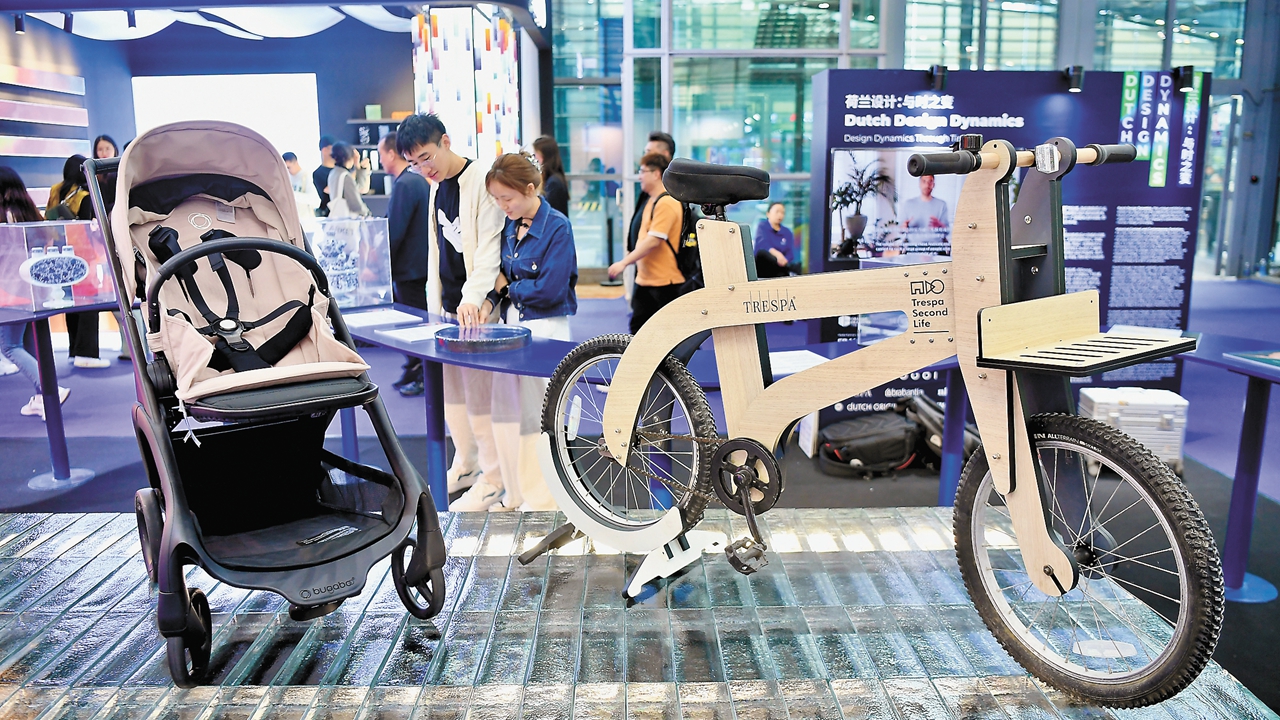
Design works on display at a “Design Shenzhen” event on March 21, 2024.
For Sretovic, Shenzhen’s real gift is its ability to turn dreamers into doers — and doers into who they want to be.
“The sooner you come,” he said, “the sooner you’ll understand.”