Share
Share


 Print
PrintPan Yuliang exhibition takes visitors on a cinematic journey
Writer: Cao Zhen | Editor: Cao Zhen | From: Original | Updated: 2026-08-24
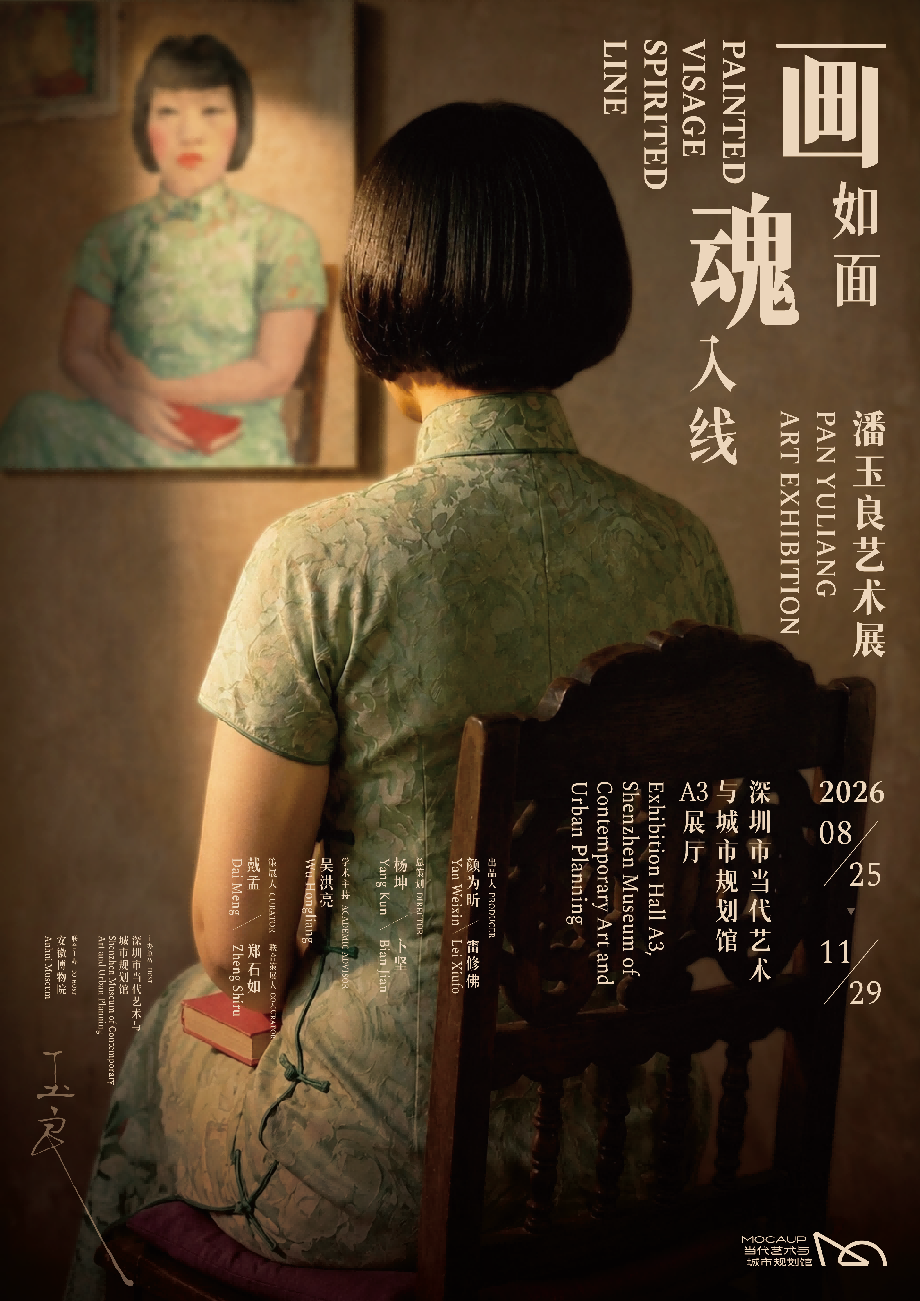
Walking into the exhibition “Painted Visage, Spirited Line” feels less like entering a gallery than stepping into a film. The paintings are not arranged chronologically. Instead, the exhibition unfolds like a four-act drama, guided by the question that haunted the legendary artist Pan Yuliang (1895-1977) throughout her life: “Who am I?”
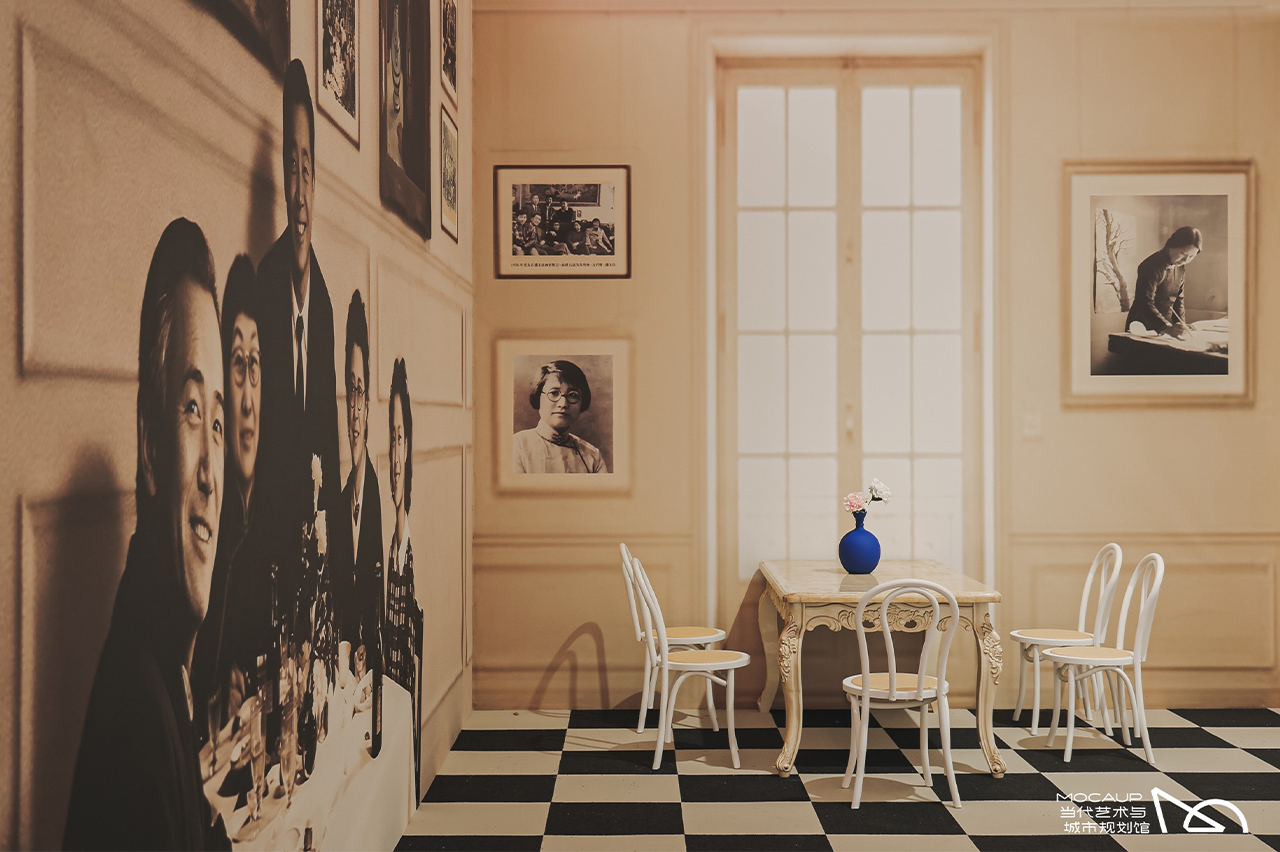
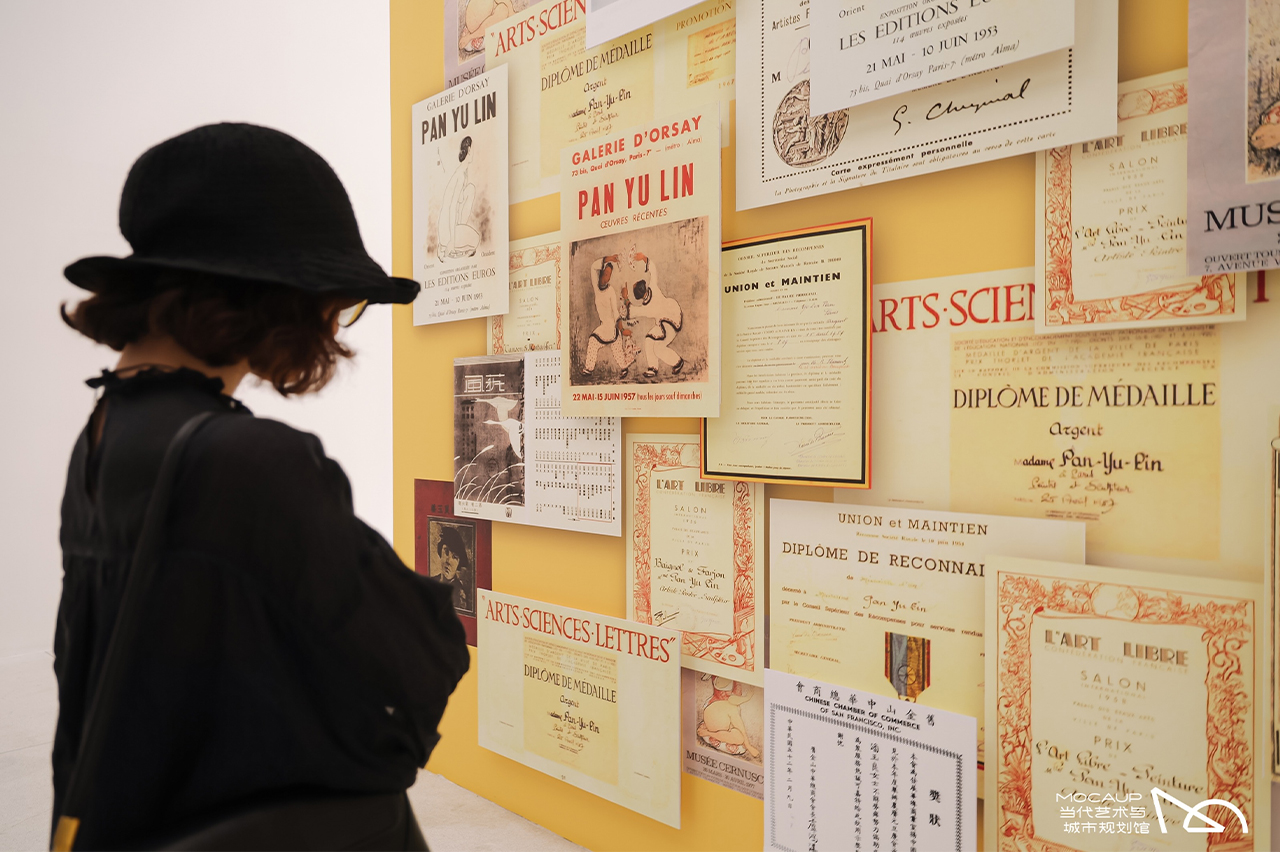
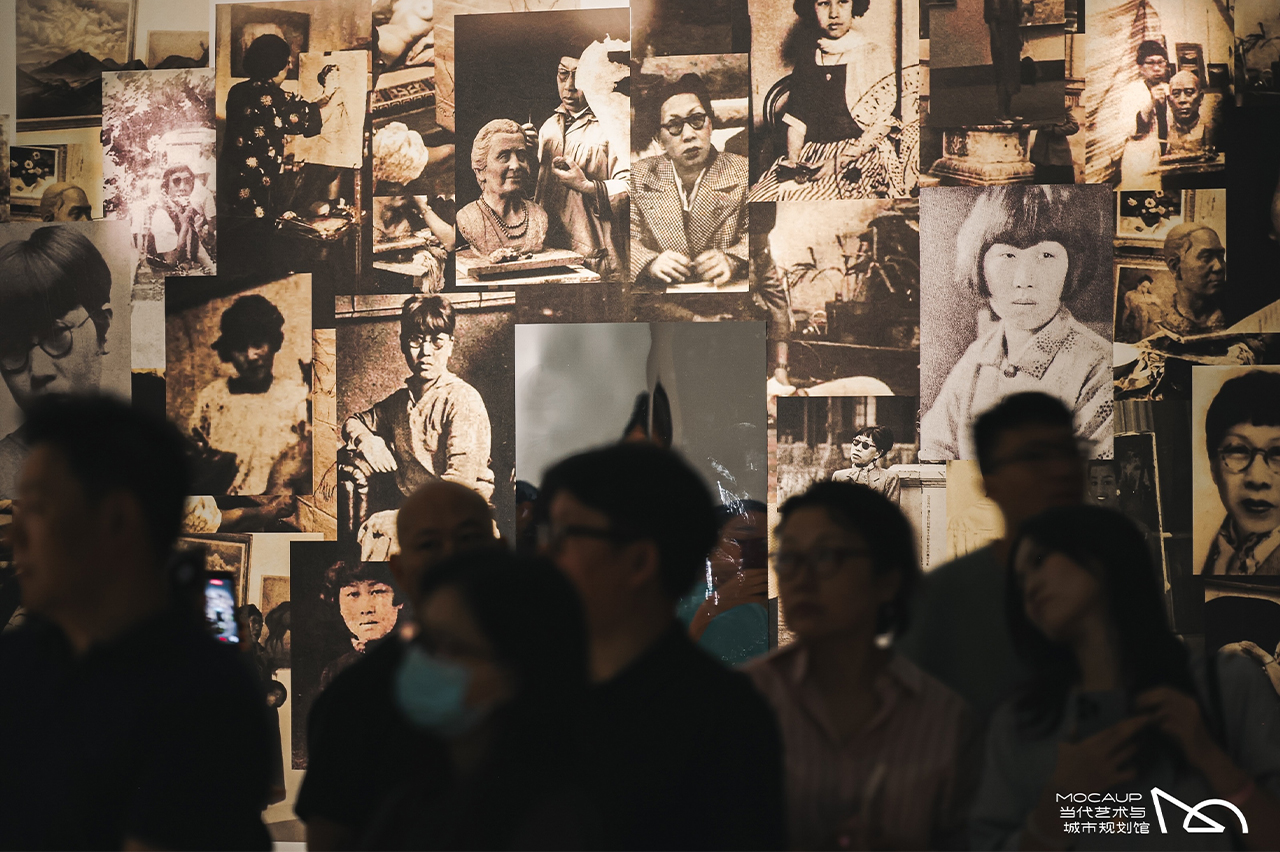
The first act explores this question through an animated account of Pan’s life. The second traces her departure from China through five immersive spaces, taking visitors from the Shanghai Fine Arts School to the deck of the ship that carried her to Europe, and from her studios in Lyon, Paris and Rome to her sickbed, where a cat kept her company.
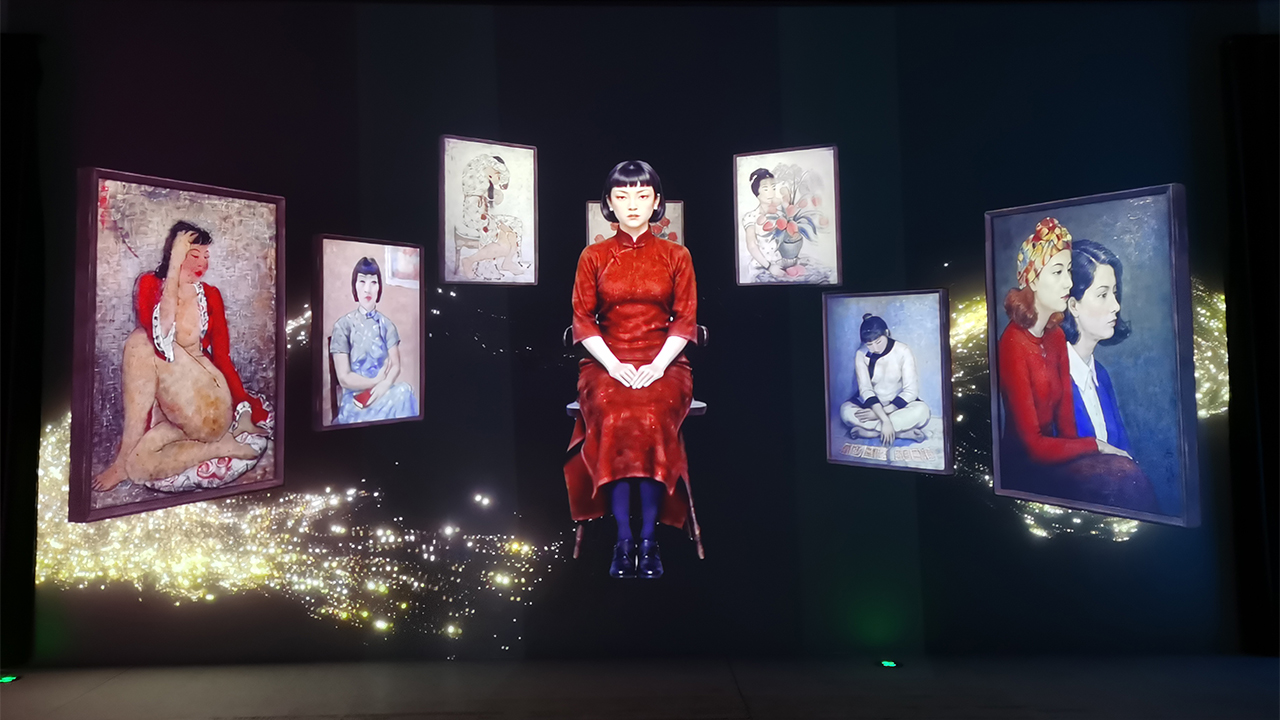
An animated video depicting Pan Yuliang’s life is shown at the exhibition. Photos by Cao Zhen unless otherwise stated
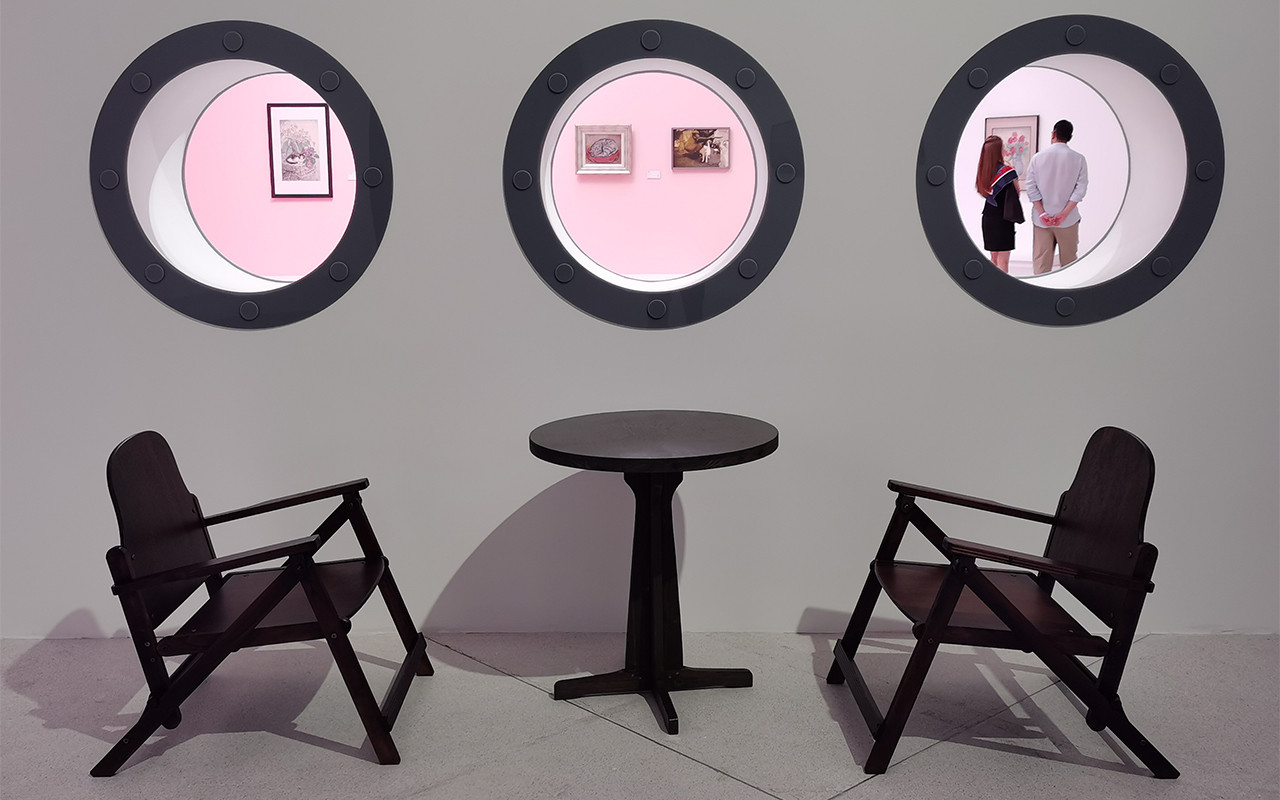
The exhibition recreates a ship’s interior, evoking Pan Yuliang’s voyage to Europe.
The third act turns toward home. Although illness prevented Pan from returning to China, she sent thousands of her works back, believing they could find a home in her homeland. The fourth suggests that her answer to the question “Who am I?” was never final. It could only be found in her next painting, as she transformed suffering into an enduring pursuit of beauty.
Yet the experience is far from abstract. Visitors can admire 90 works from the collection of the Anhui Museum, including oil paintings, ink-and-color paintings, and line drawings. Together, they offer a comprehensive view of an artist who refused to be confined to any single artistic tradition.
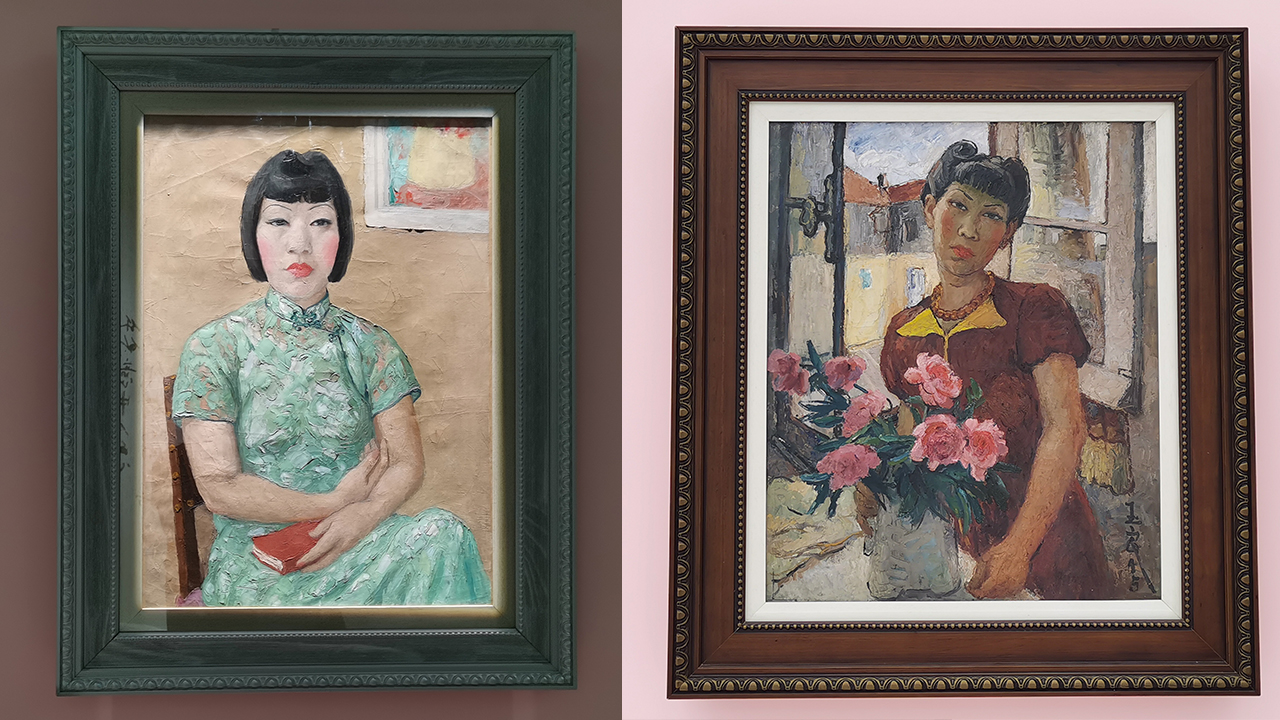
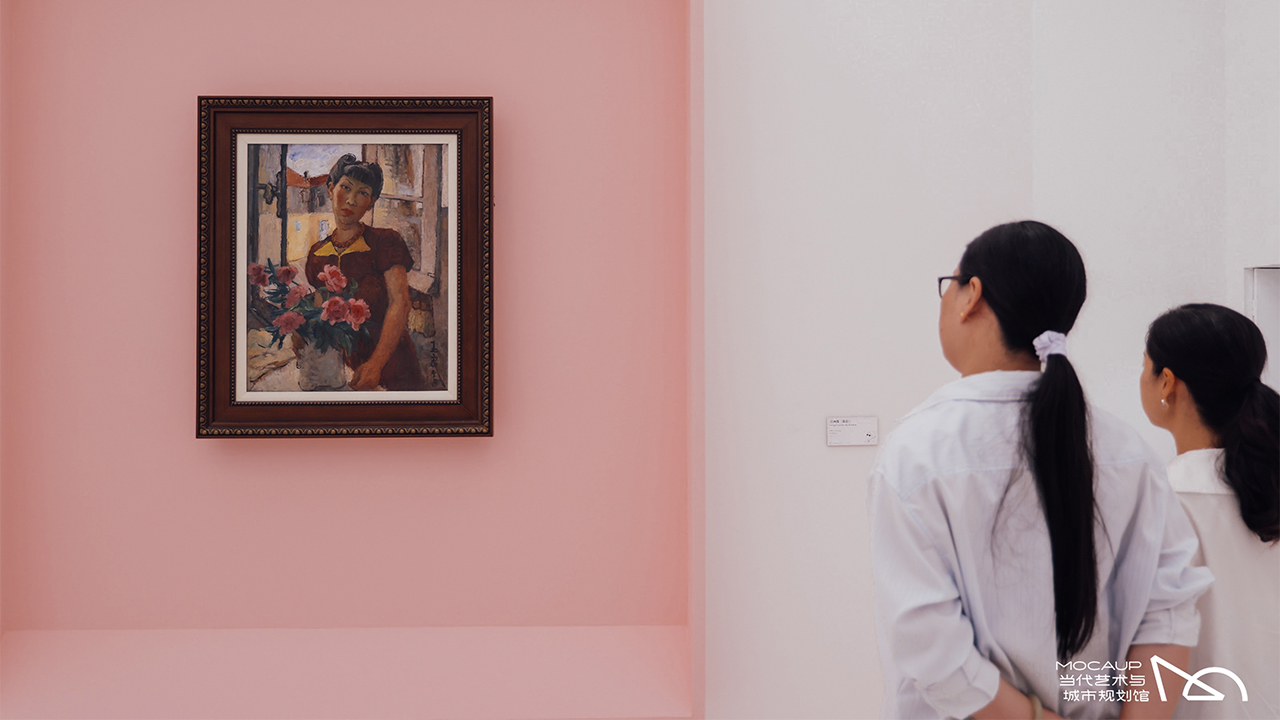
Pan Yuliang’s self-portraits on display.
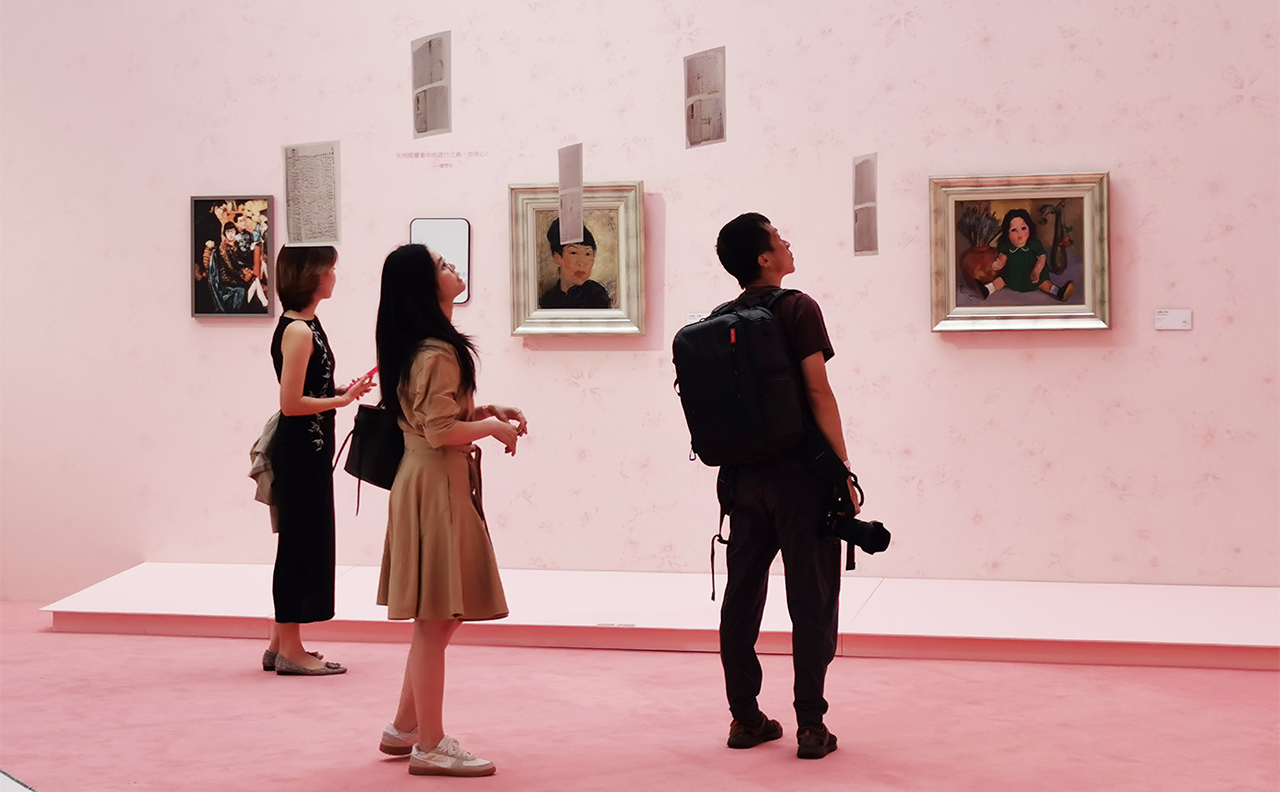
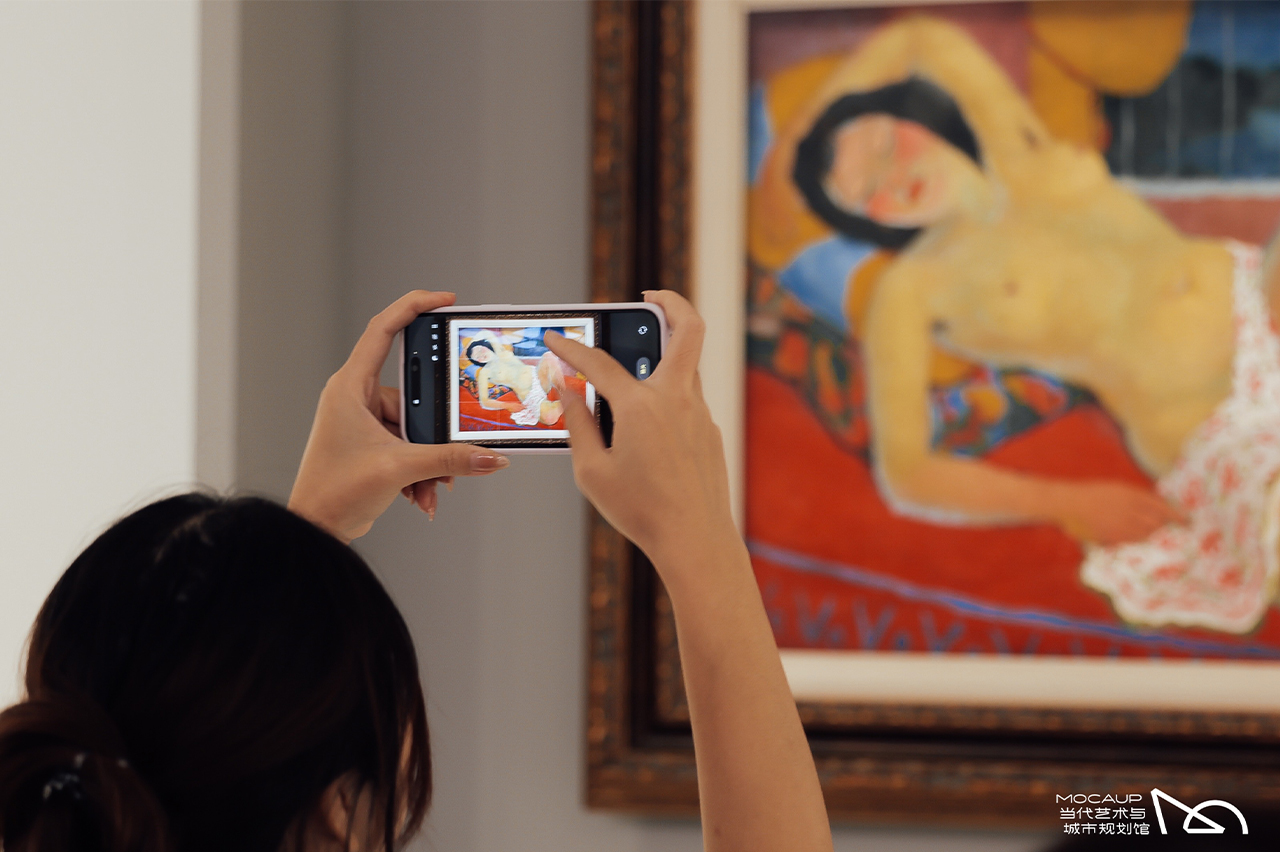
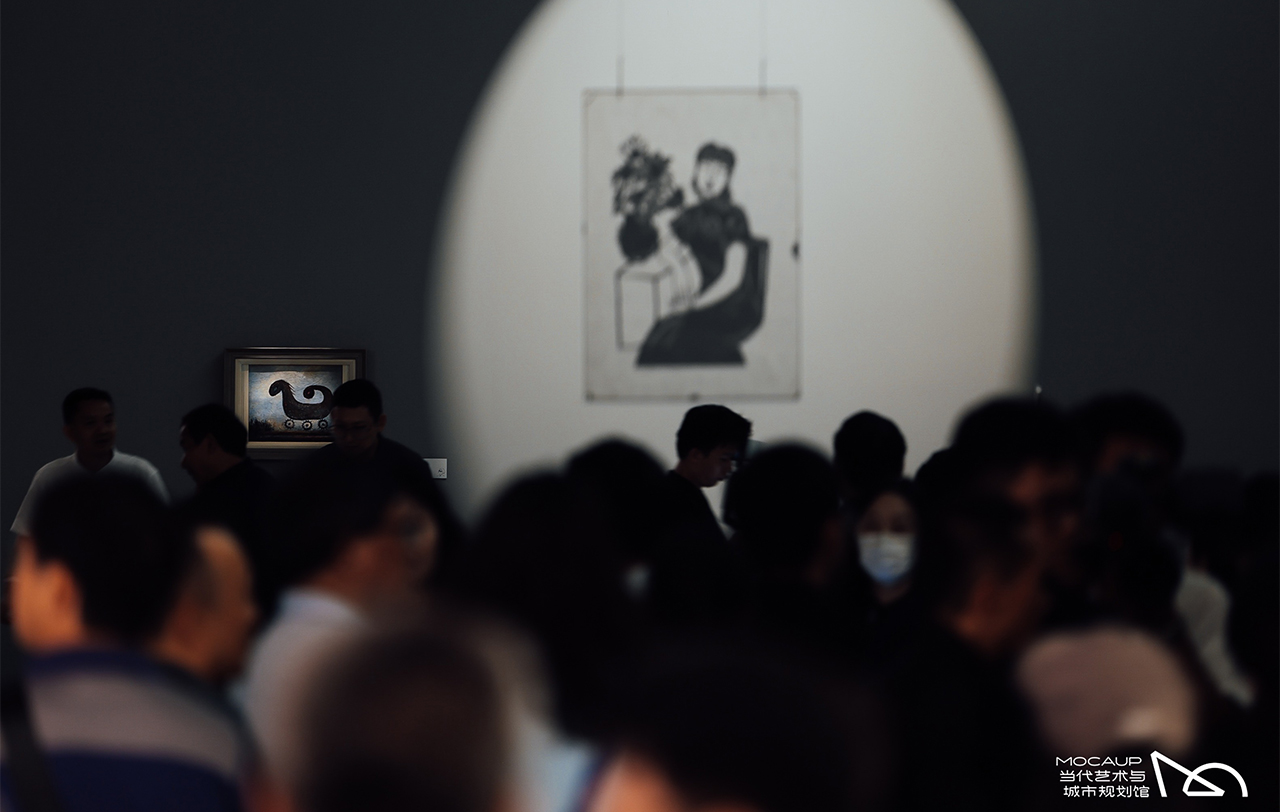
Visitors admire works at the exhibition.
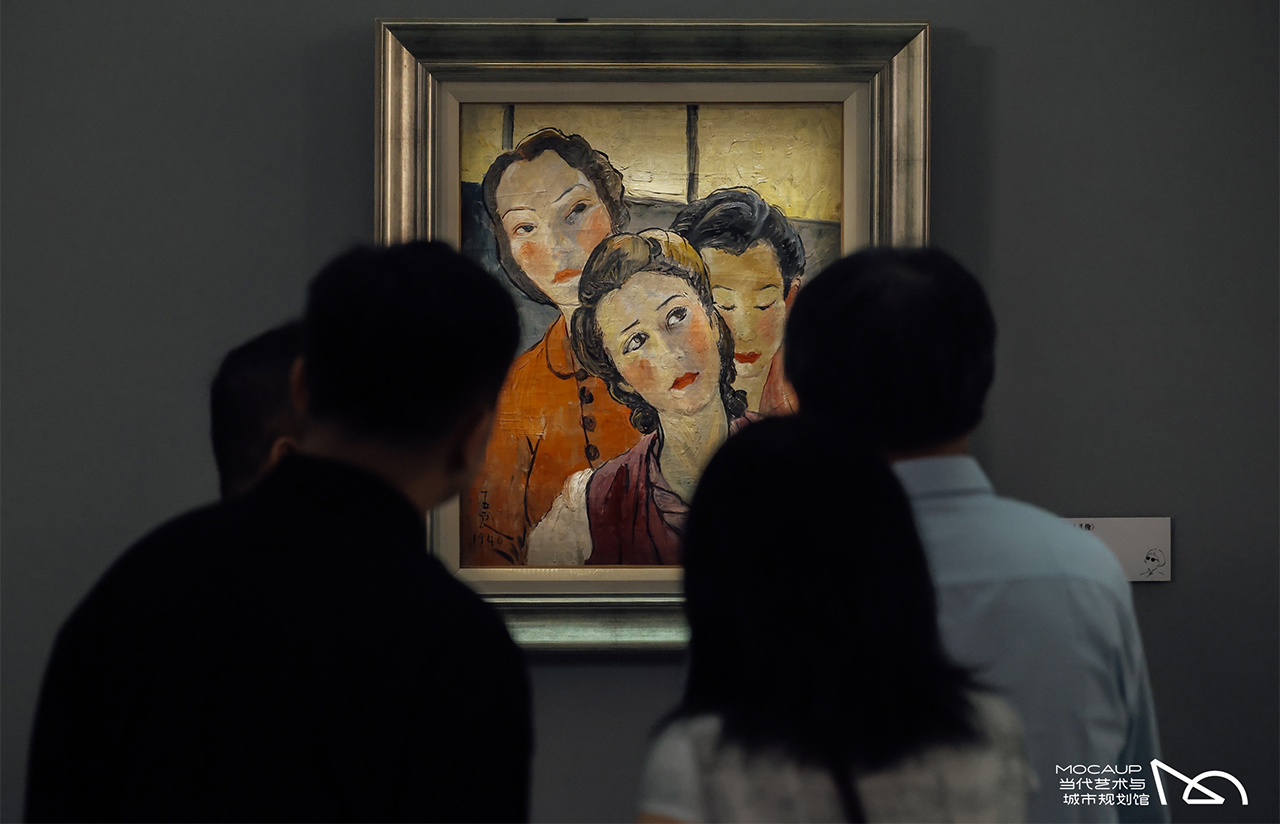
Pan repeatedly painted herself over the decades, using self-portraits to record different stages of her life. These works provide a window into her character and inner world, revealing both her determination and her honesty.
Her figures are candid and true to life, reflecting what she saw as the purest essence of existence. Her brushwork is crisp, her colors bold and vibrant, and her forms unrestrained.
Influenced by Western painting, her oil works avoid distortion and abstraction while retaining a distinctive freshness and vitality. She captured both the subtle physical presence and the emotional depth of her subjects. Each work reflects her life experiences and personal emotions.
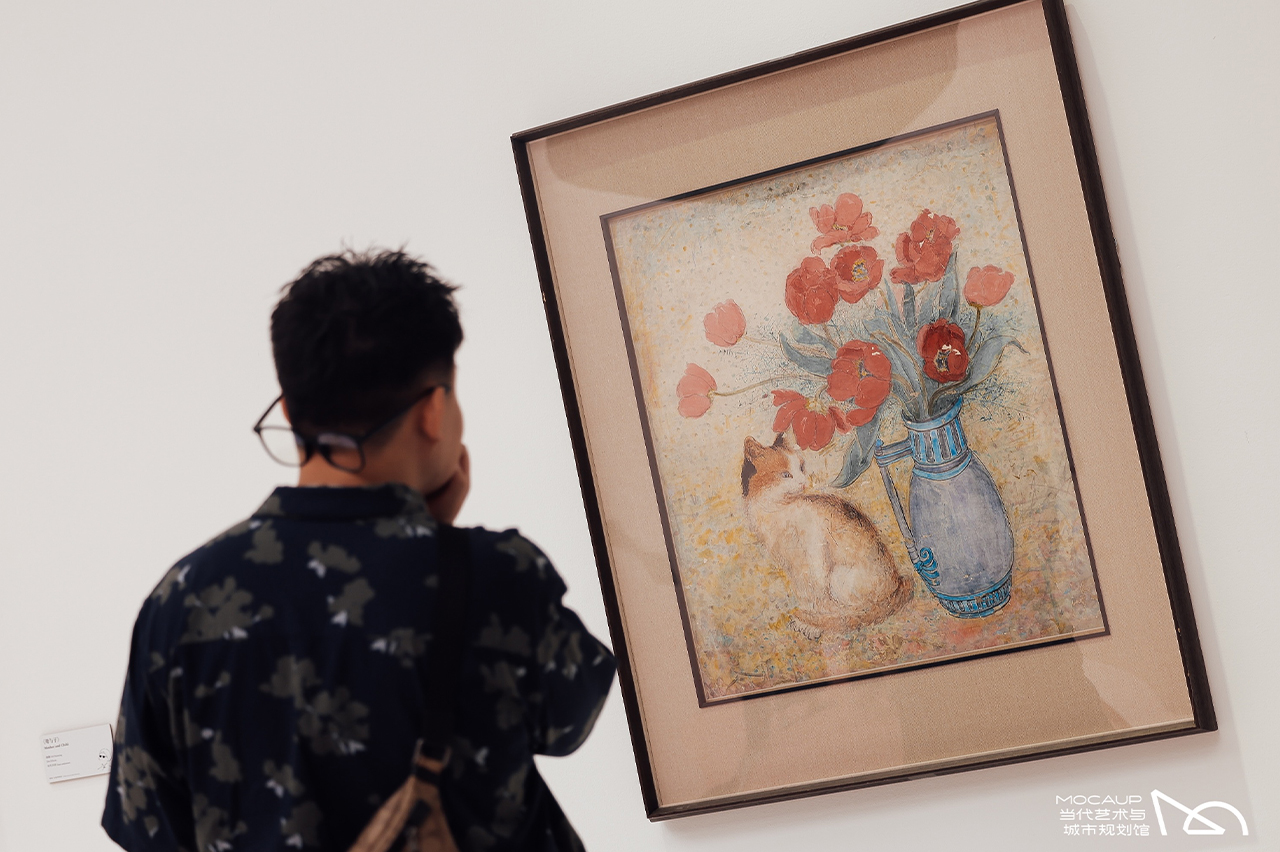
Her tulip paintings demonstrate a growing fusion of artistic influences. The petals and leaves are outlined with rhythmic, expressive lines that convey both elegance and vitality. Her cats, often shown sleeping beside flowers, bring a sense of tranquility and harmony to otherwise lonely spaces.
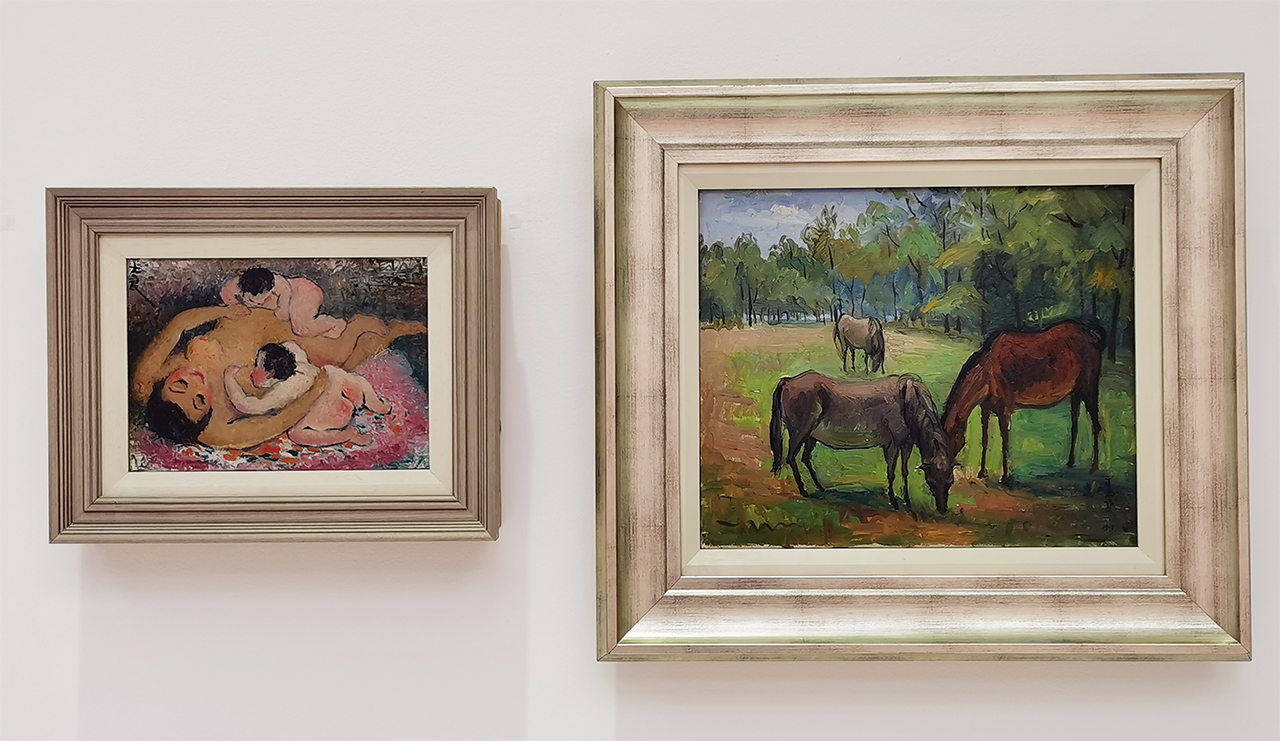
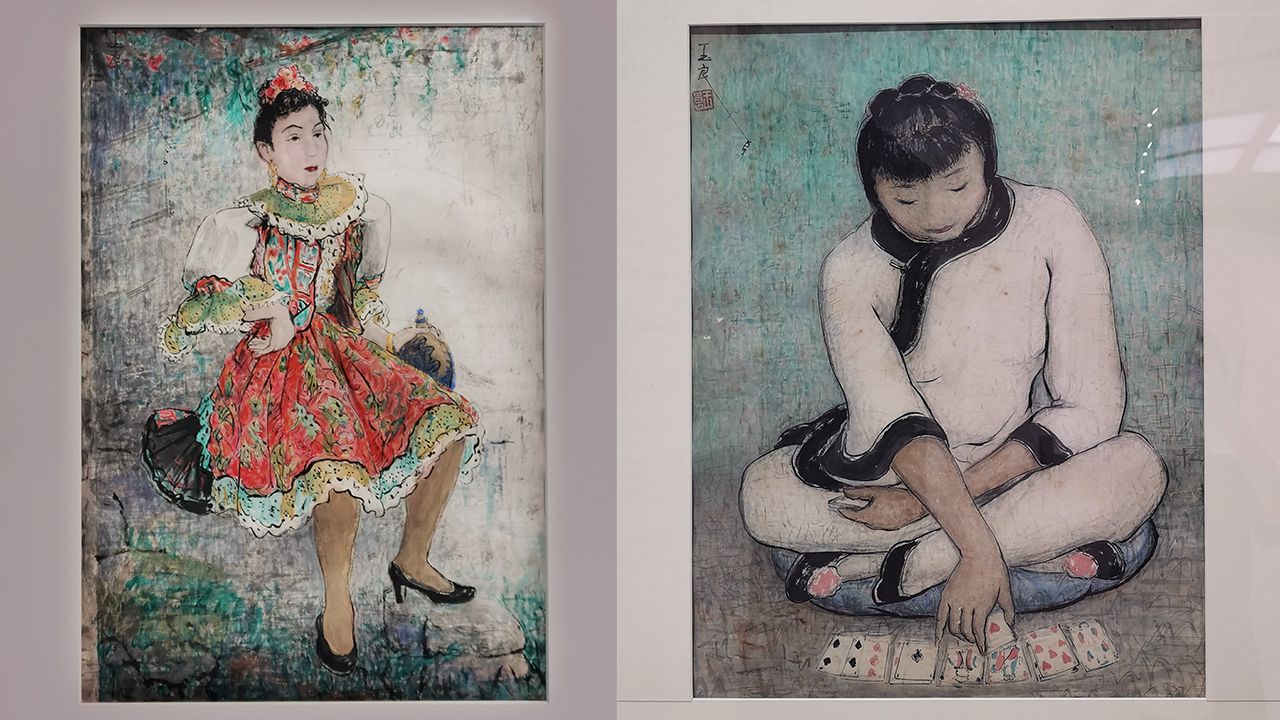
Paintings by Pan Yuliang on display.
Pan also drew inspiration from Chinese murals, New Year prints and embroidery — folk-art forms that infused new energy into her lifelong pursuit of “merging East and West.” Her “Dance” series, created from 1955 to 1957, features dancers in traditional Chinese attire arranged in solo, duo, trio and group compositions, forming a distinctly personal visual sequence.
Pan’s mother-and-child paintings are not simply depictions of everyday life. She sometimes portrayed nude figures, suggesting that these tender images emerged from her imagination. Pan never gave birth, and the works became a way for her to express her longing for the warmth of family and the joys she could experience only through art.
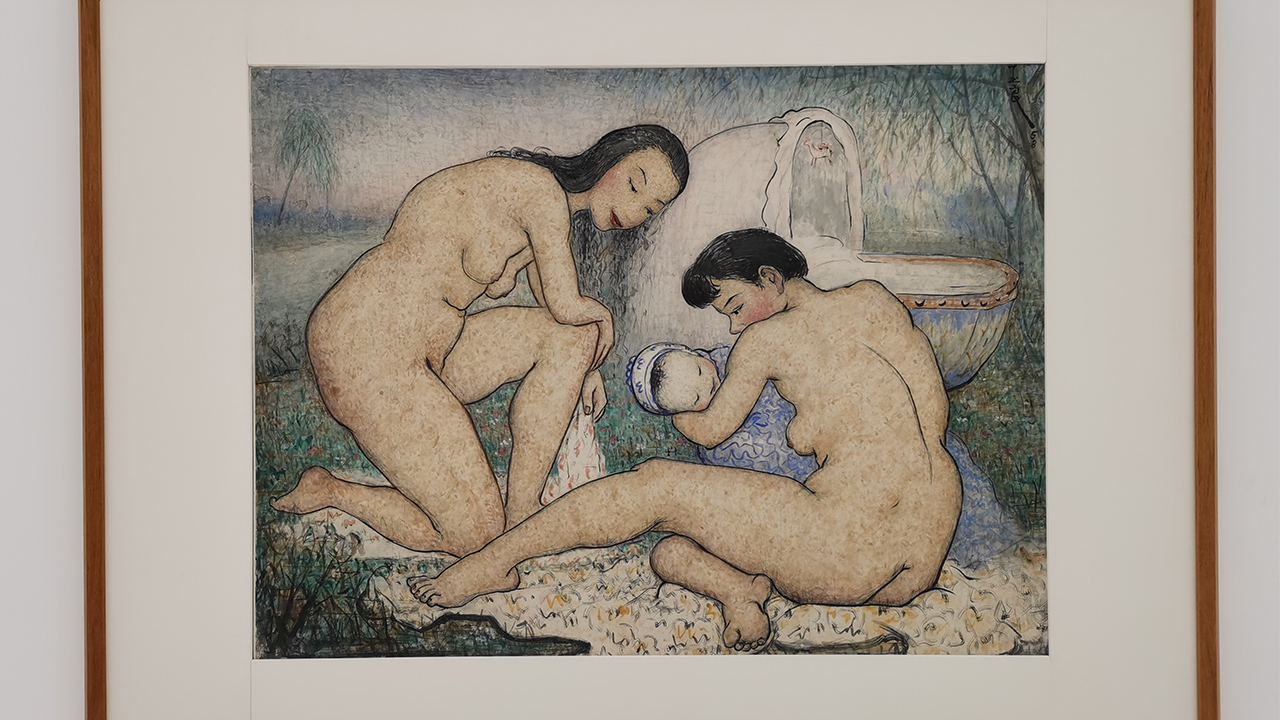
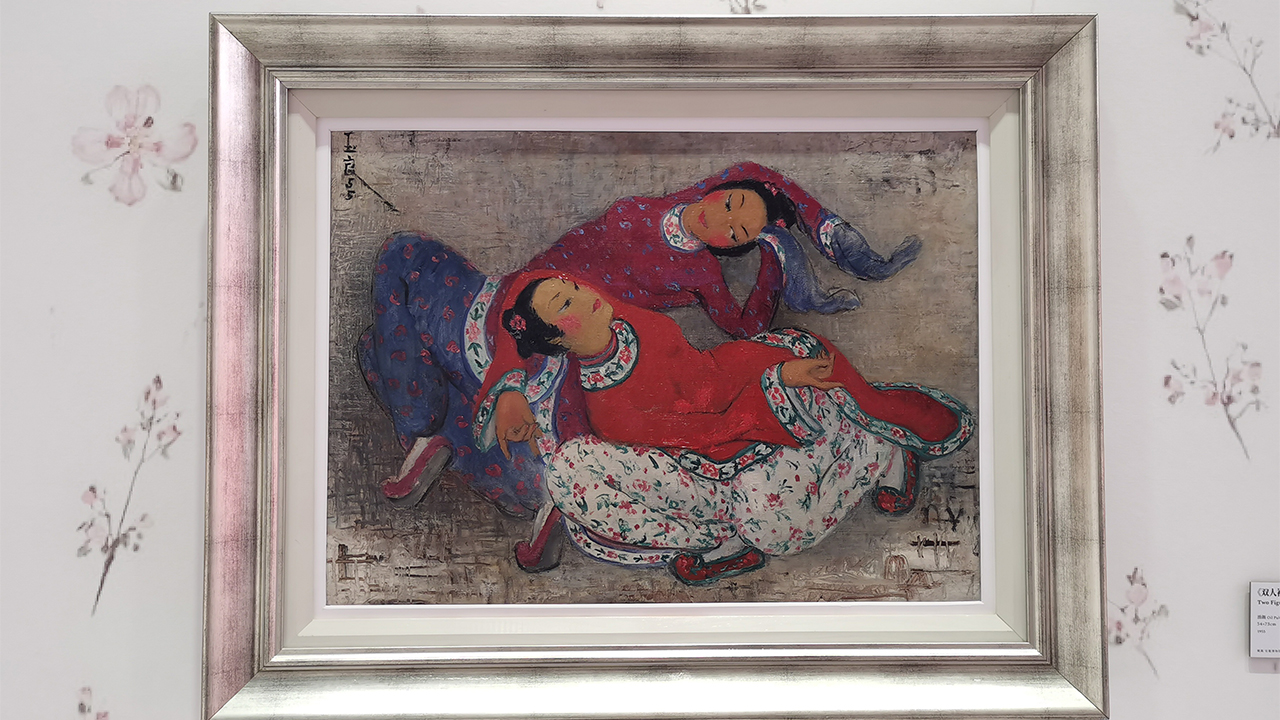
Paintings by Pan Yuliang on display.
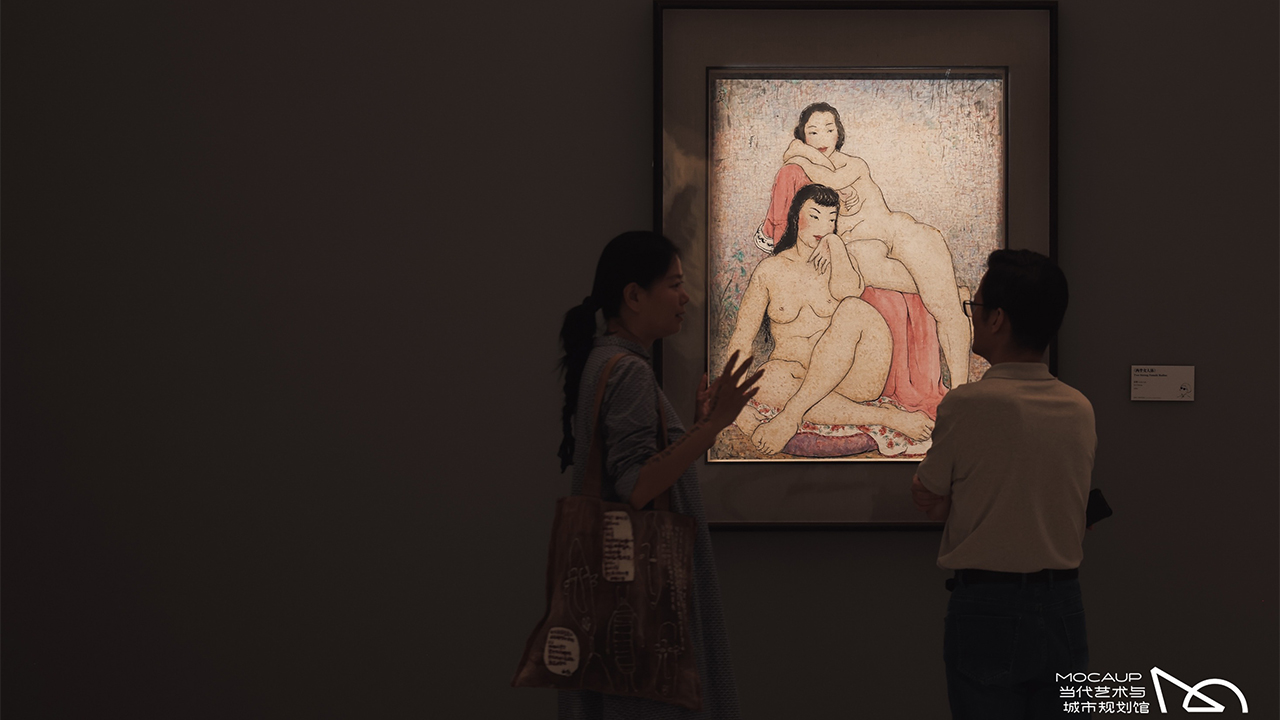
Pan’s depictions of the female body in delicate ink-and-color line drawings represent her most celebrated artistic achievement. Unlike her contemporaries Lin Fengmian and Wu Guanzhong, who used color washes primarily in their landscapes and figure paintings, Pan applied the technique mainly to her studies of the nude.
She began by lightly coloring selected areas of her distinctive line drawings, gradually developing the technique into full, layered washes. As ink lines interweave with color, the figures seem to breathe. The palette in these works remains restrained, quite unlike the warmth of her oil paintings.
Pan suffered from a nasal ailment throughout her life and underwent repeated surgeries in France after 1937. In some of her paintings, the figure’s nose is deliberately omitted and replaced by a soft blur of ink. This detail may be read as an act of avoidance — or of reconciliation.
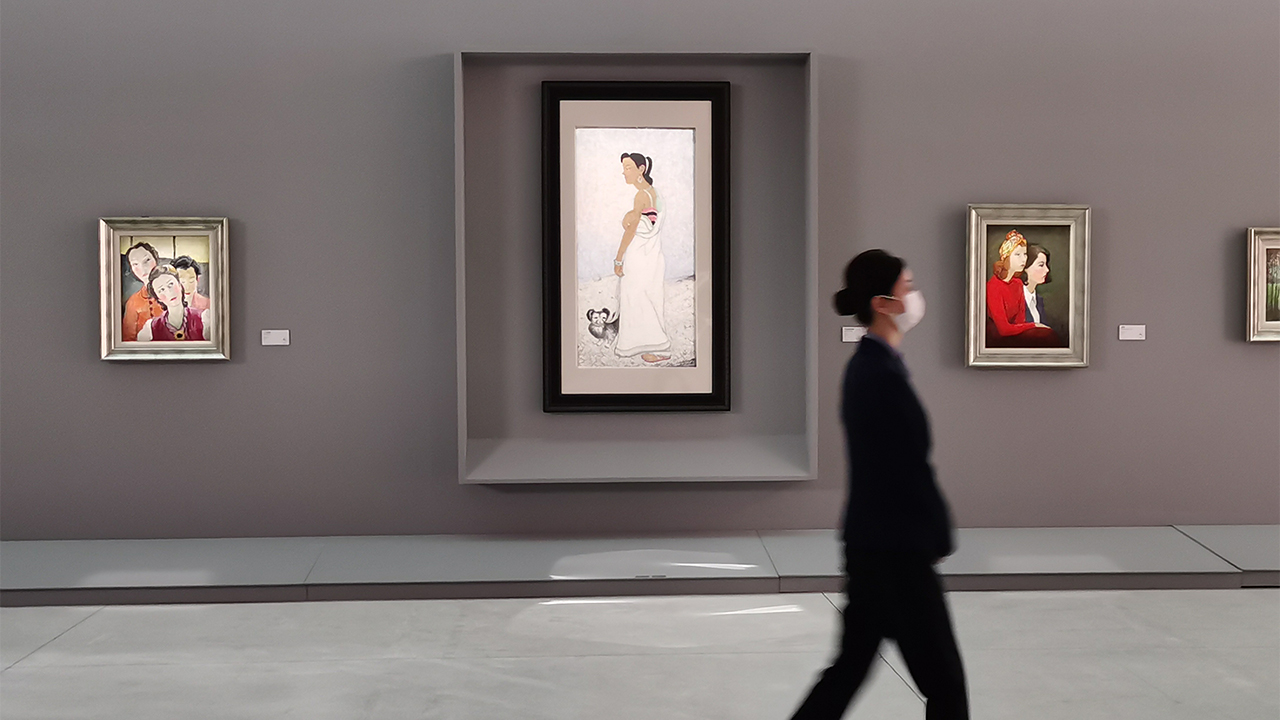
A visitor walks past paintings at the exhibition.
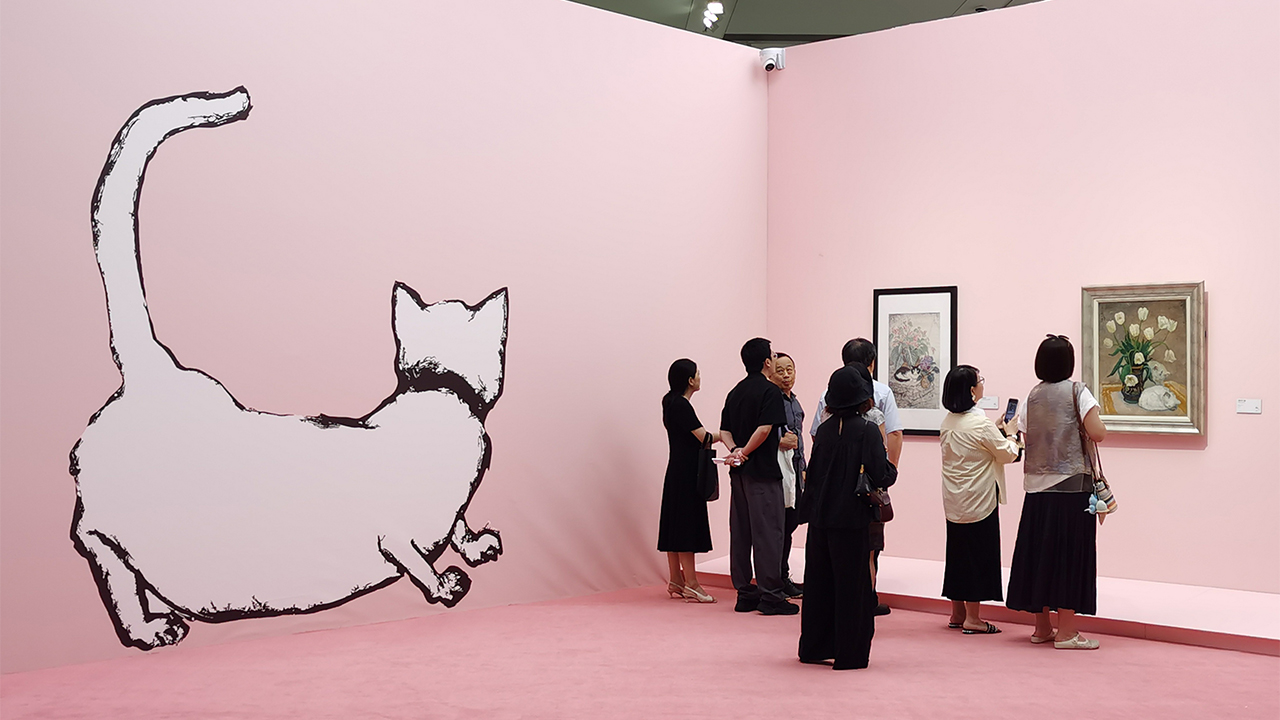
Visitors admire Pan Yuliang’s paintings.
Dai Meng, the exhibition curator, remarked that Pan’s greatest legacy lies in her life itself: a life that became an act of artistic expression, breaking free from constraints and remaining true to herself. Despite the many obstacles she faced, Pan possessed a tenacious spirit and never abandoned her artistic dream.
“Pan wandered in loneliness, held firm amid confusion and slowly made peace with herself after weathering life’s storms. She used her brush to accept everything life gave her — never shying away from vulnerability and never retouching past wounds. The canvas was both her source of strength against fate and her sanctuary for dialogue with herself,” Dai wrote in the curatorial statement.
Photos from the organizers:
Dates: Through Nov. 29
Tickets: 75 yuan (various discounts available)
Venue: Shenzhen Museum of Contemporary Art and Urban Planning, Futian District (深圳市当代艺术与城市规划馆)
Metro: Line 3 or 4 to Children’s Palace Station (少年宫站), Exit A2