Share
Share


 Print
Print'Qingzhou Smile' makes Bay Area debut in major buddhist sculpture exhibition
Writer: Zhang Chanwen | Editor: Lin Qiuying | From: Shenzhen Daily | Updated: 2026-08-24
Video and photos by Liu Xudong
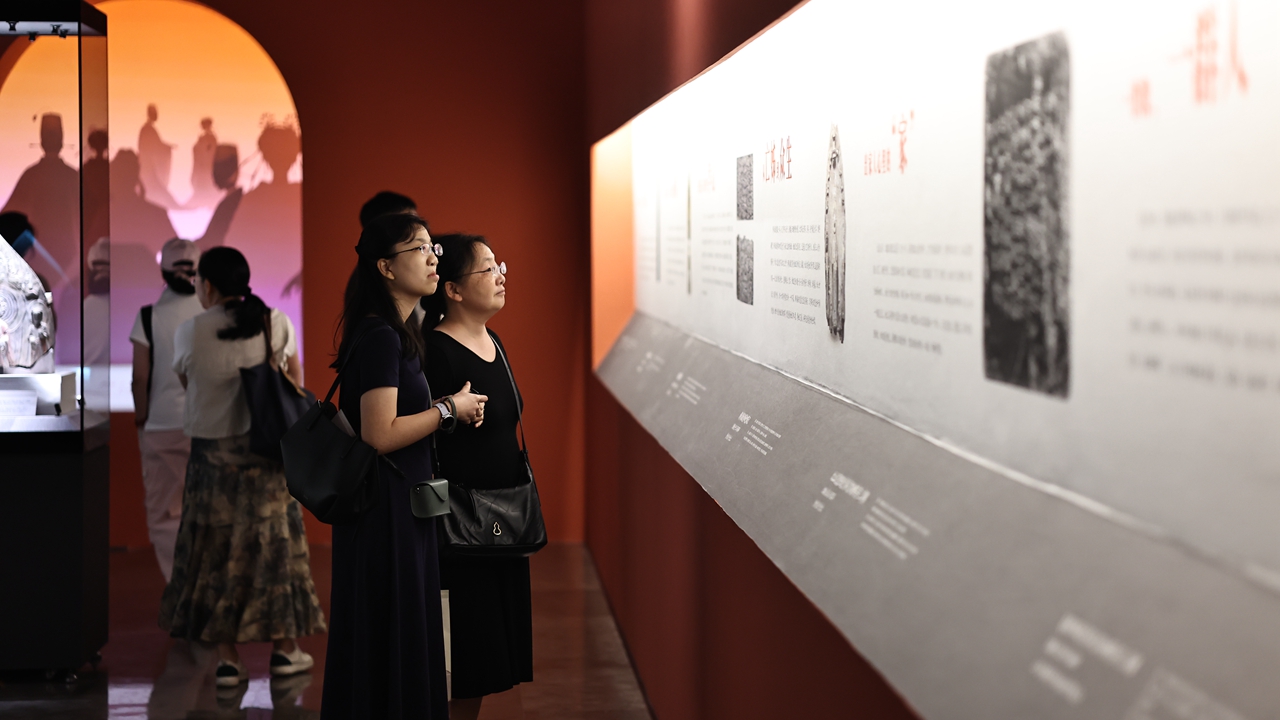
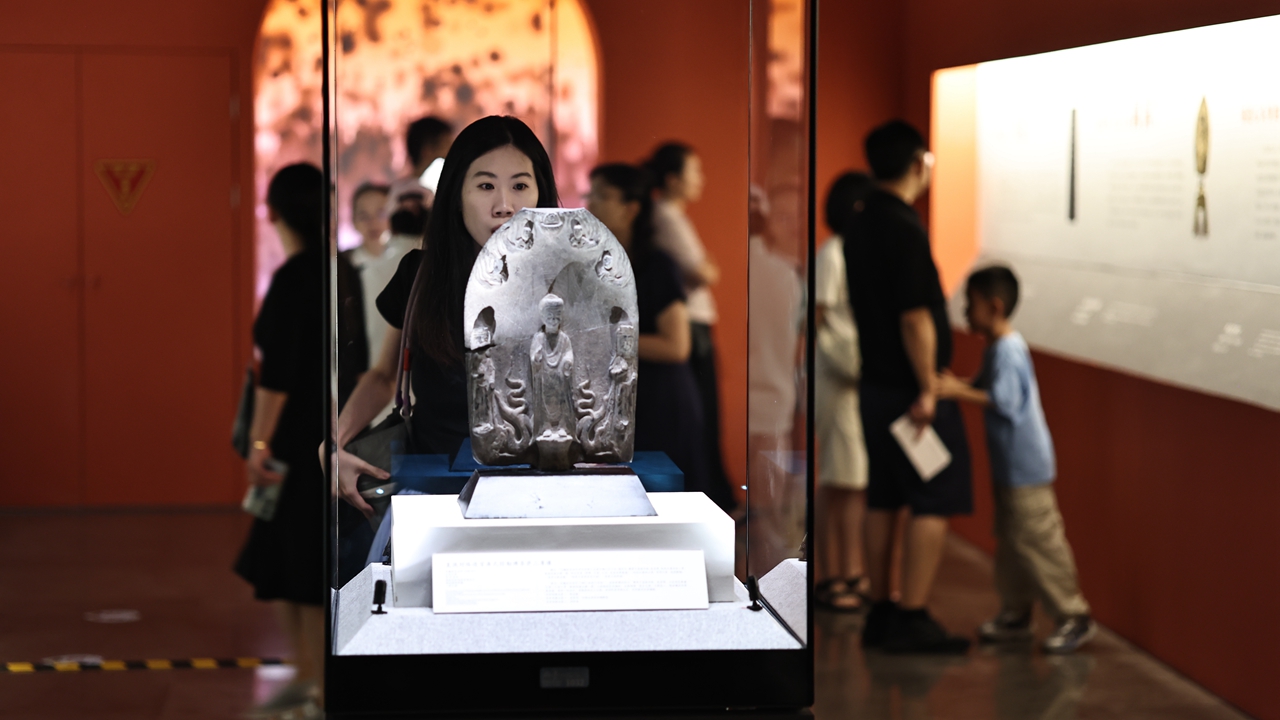
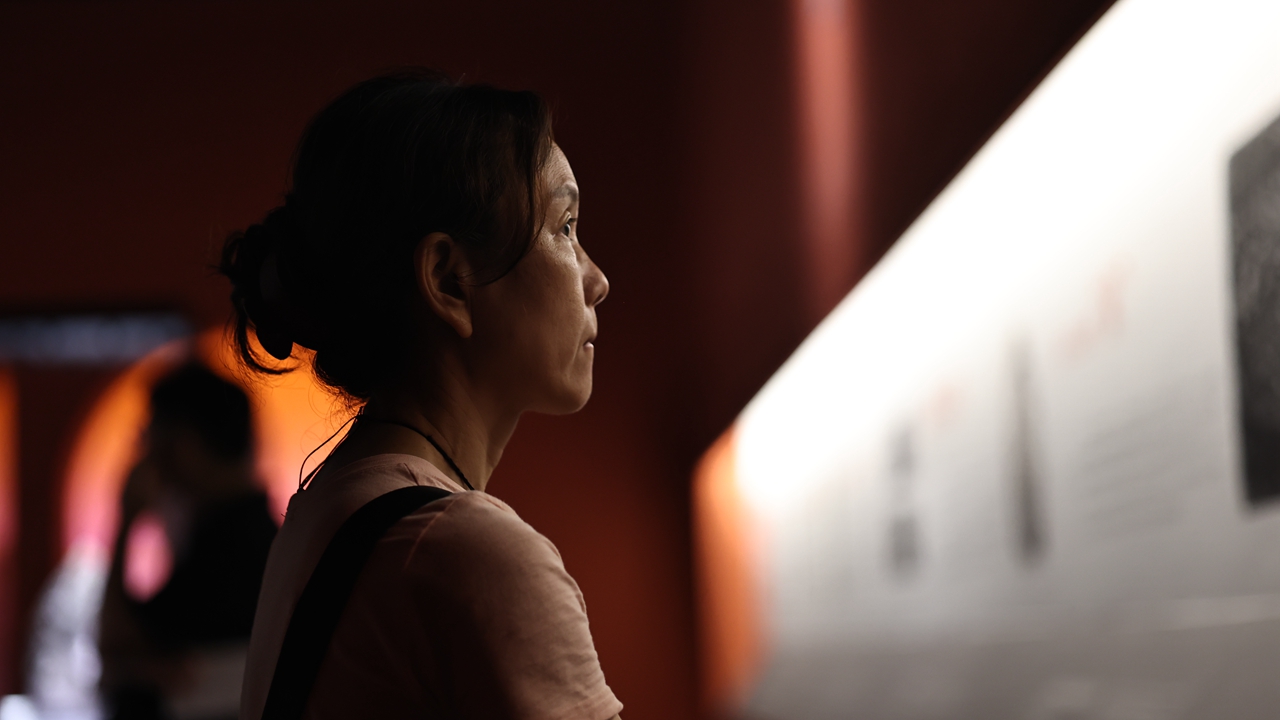
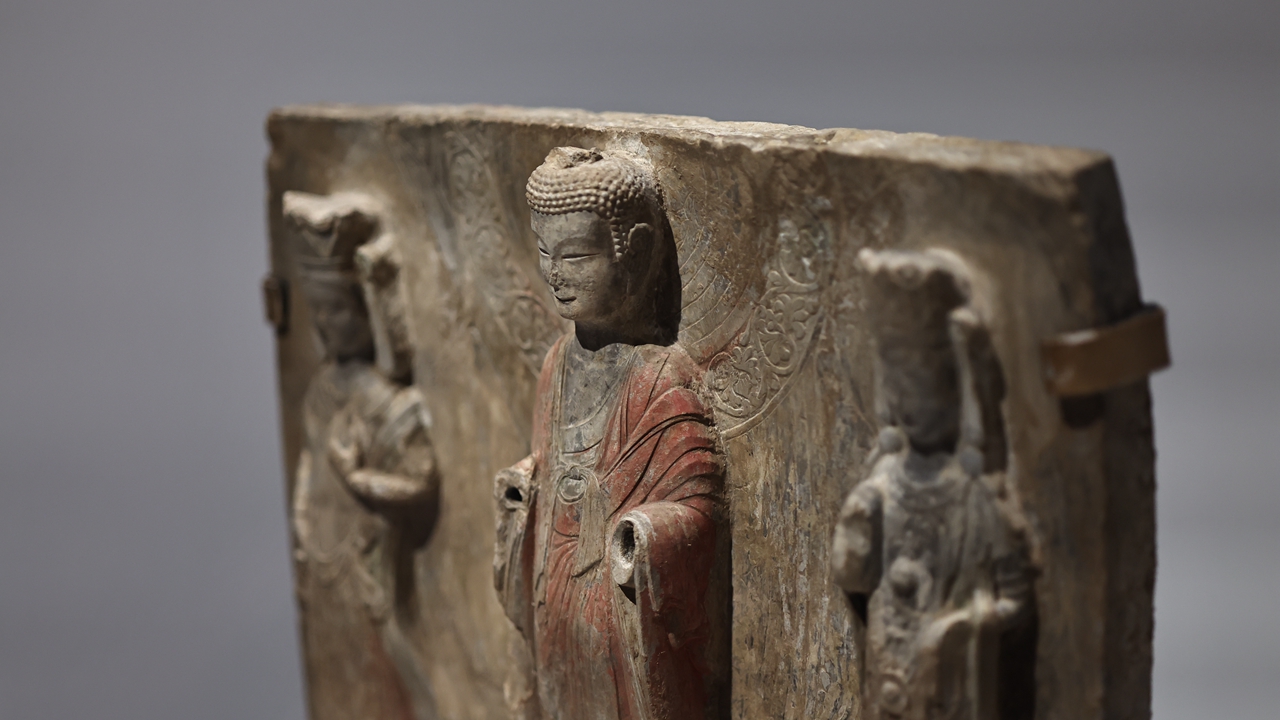
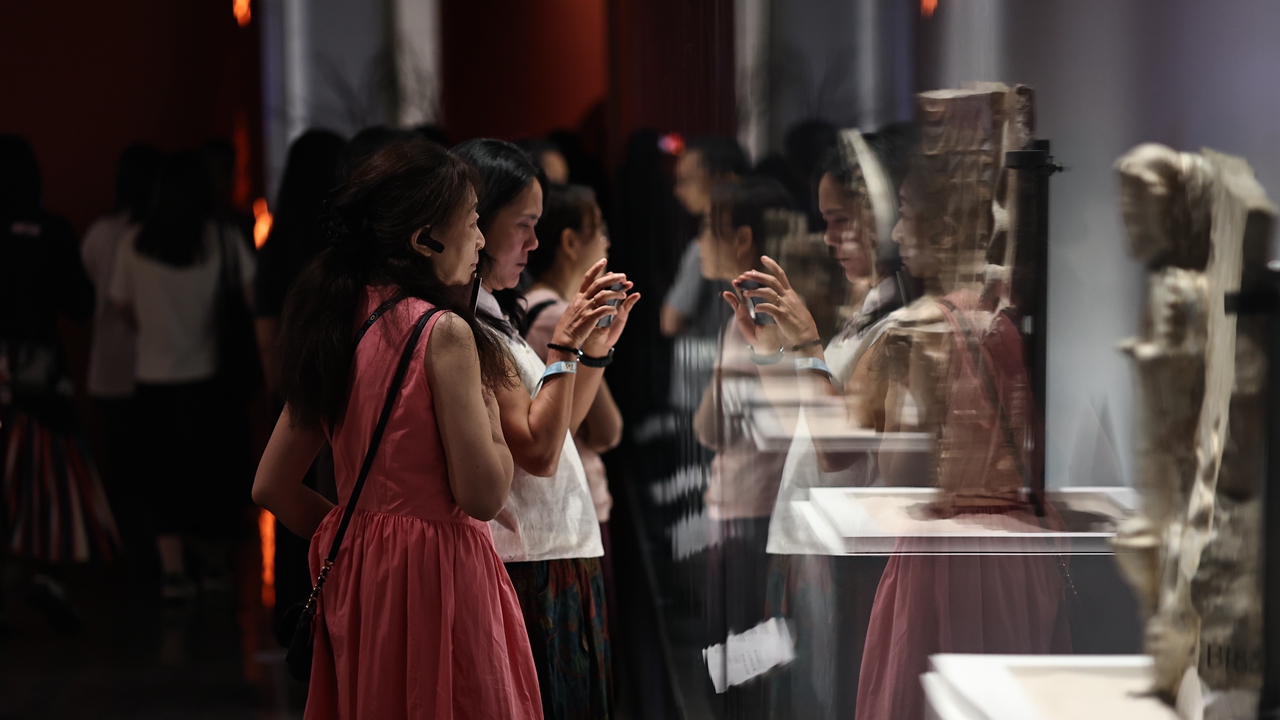
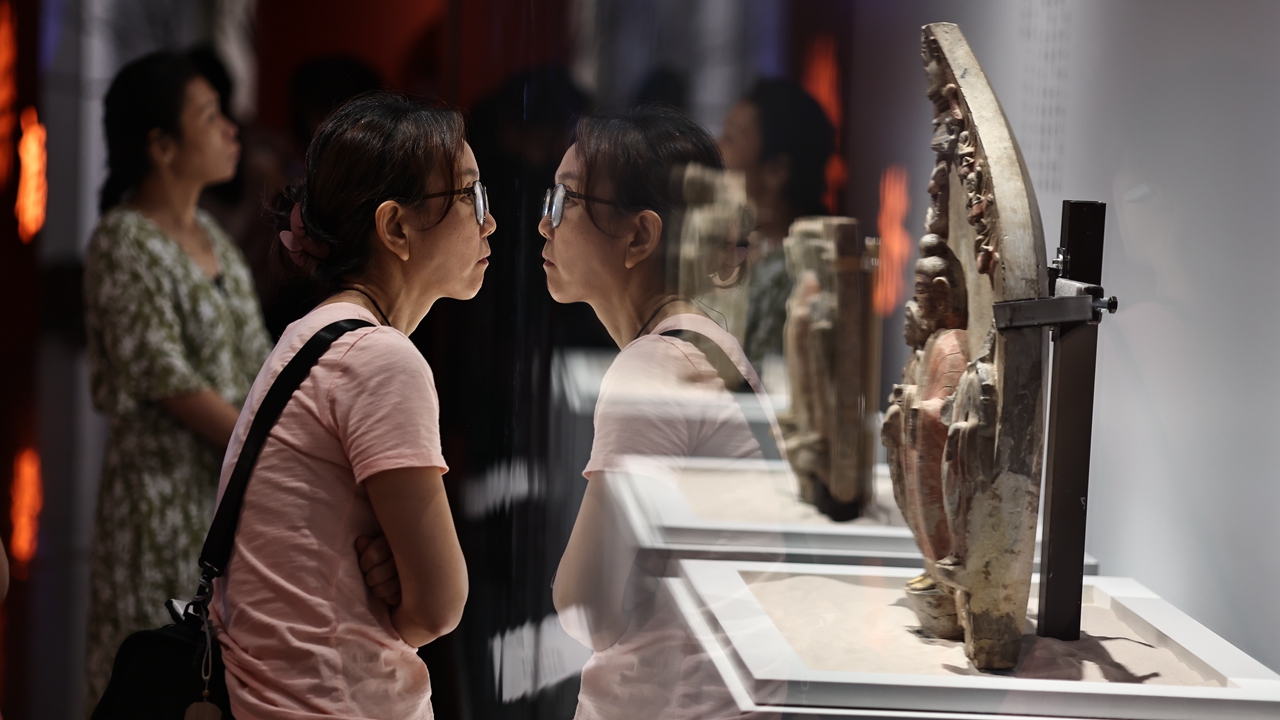
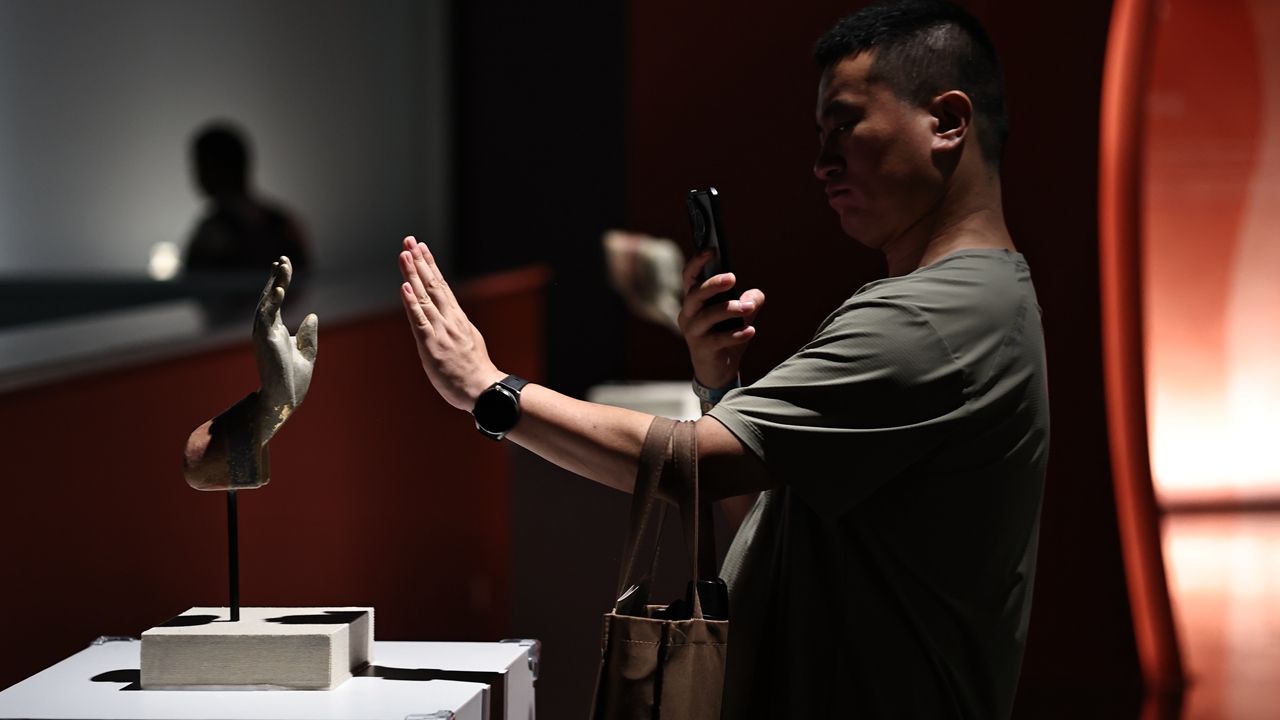
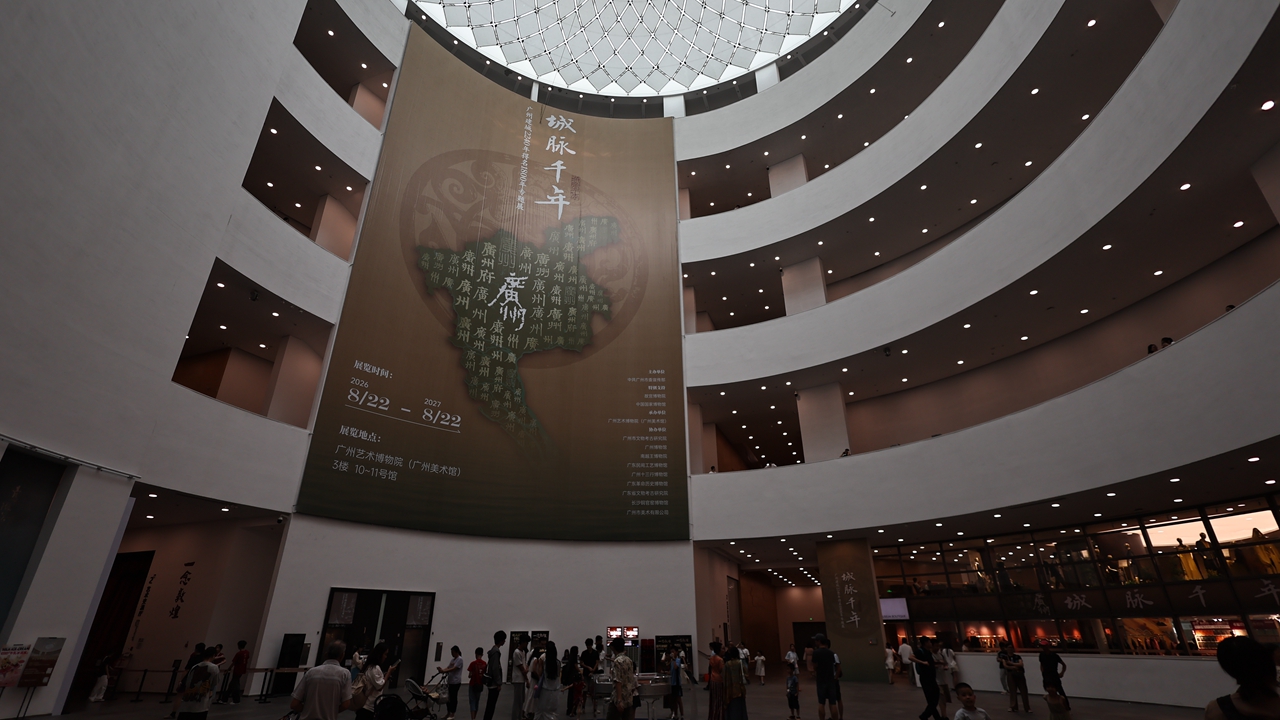
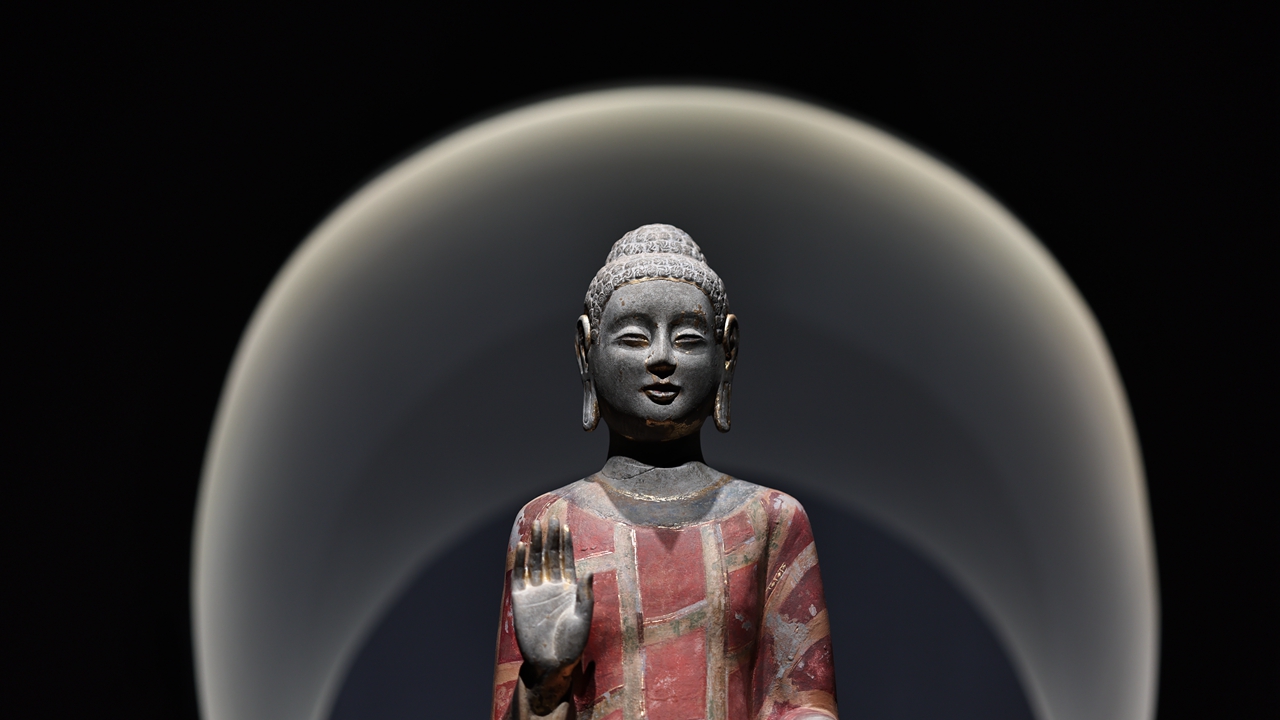
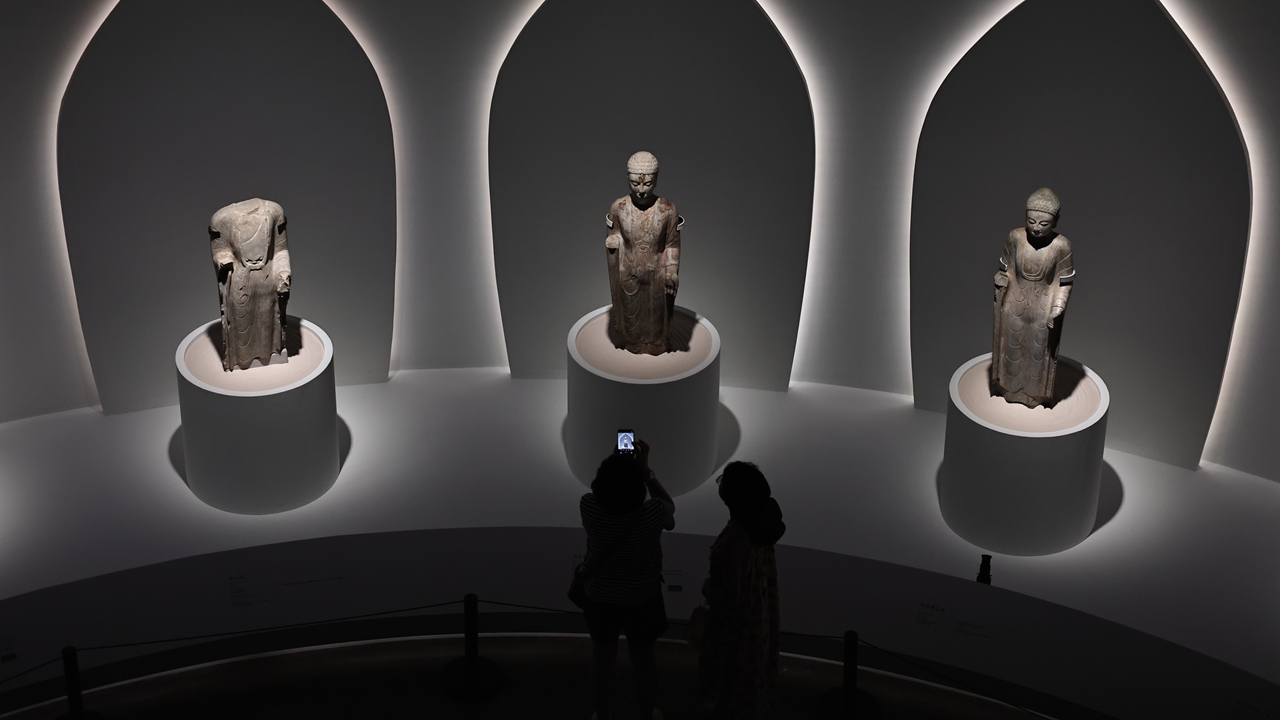
The Buddhist Sculpture Art of Ancient Qingzhou exhibition officially opened at Hall 1 of the Guangzhou Museum of Art on June 20. This grand event marks the first large-scale, high-profile debut of the “Qingzhou Smile”— hailed as a discovery that rewrote the history of world art — in the Greater Bay Area. As a major cultural highlight in South China, the exhibition will run until Dec. 19.
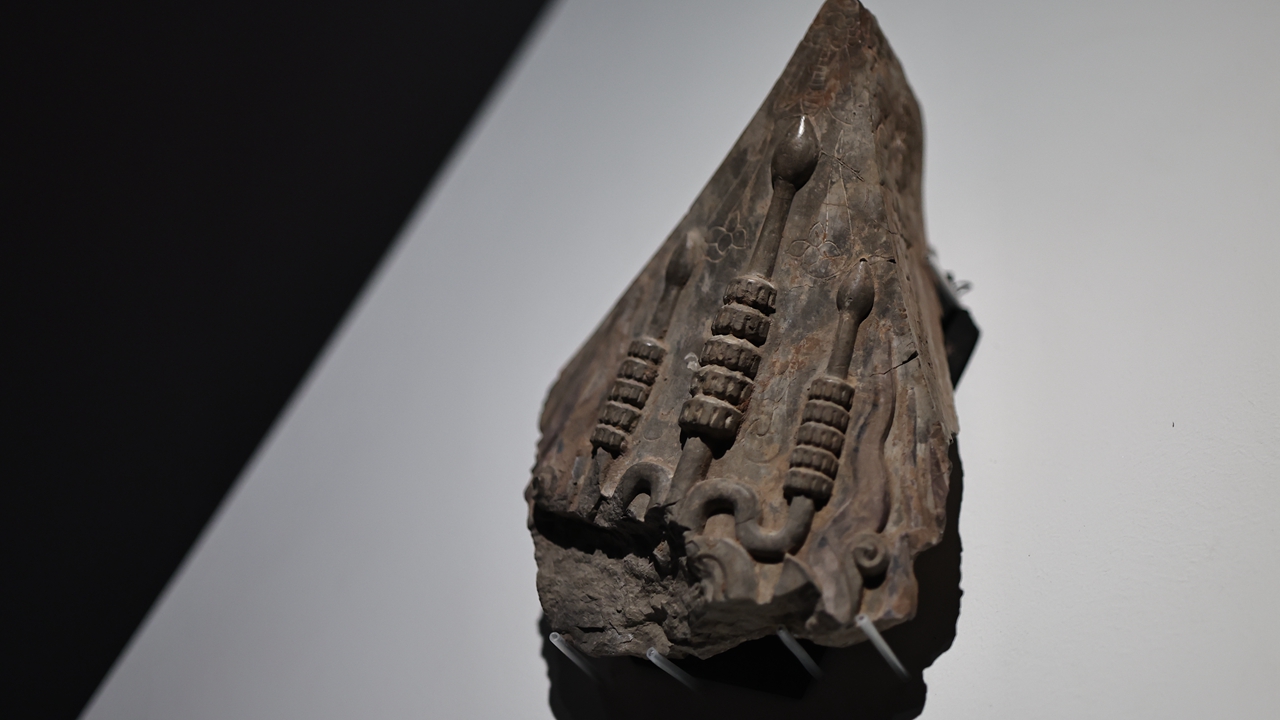
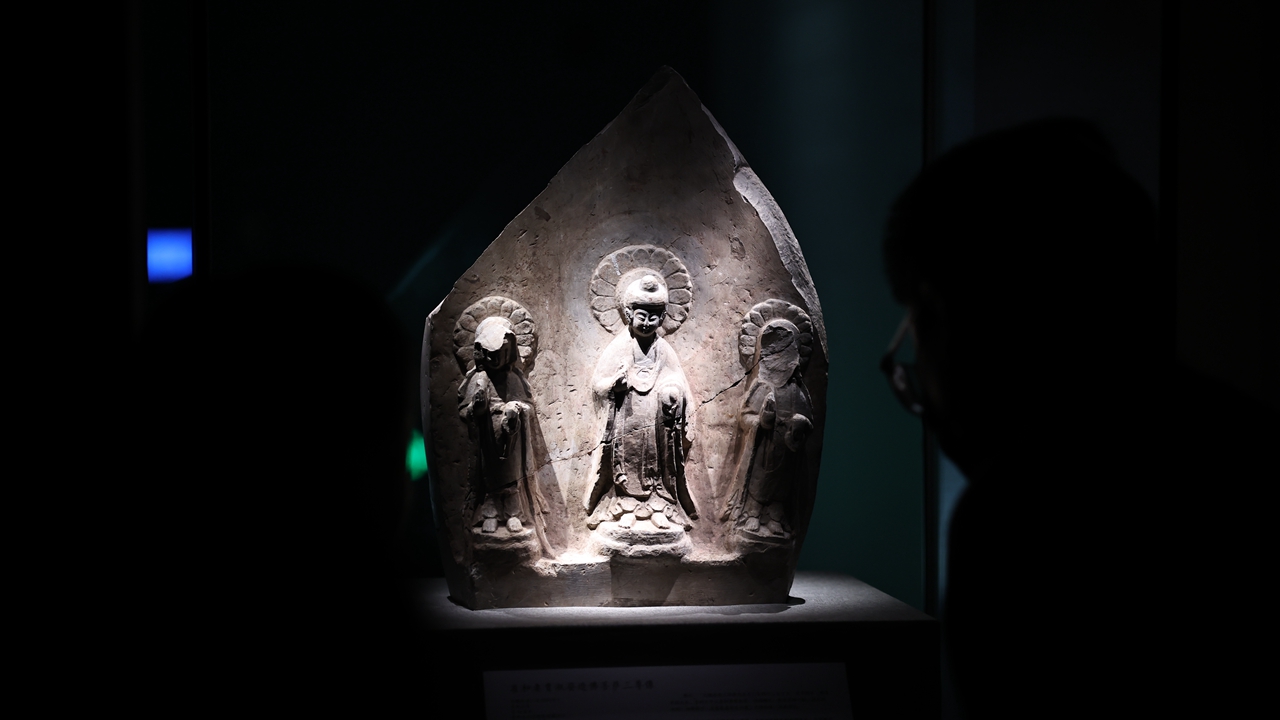
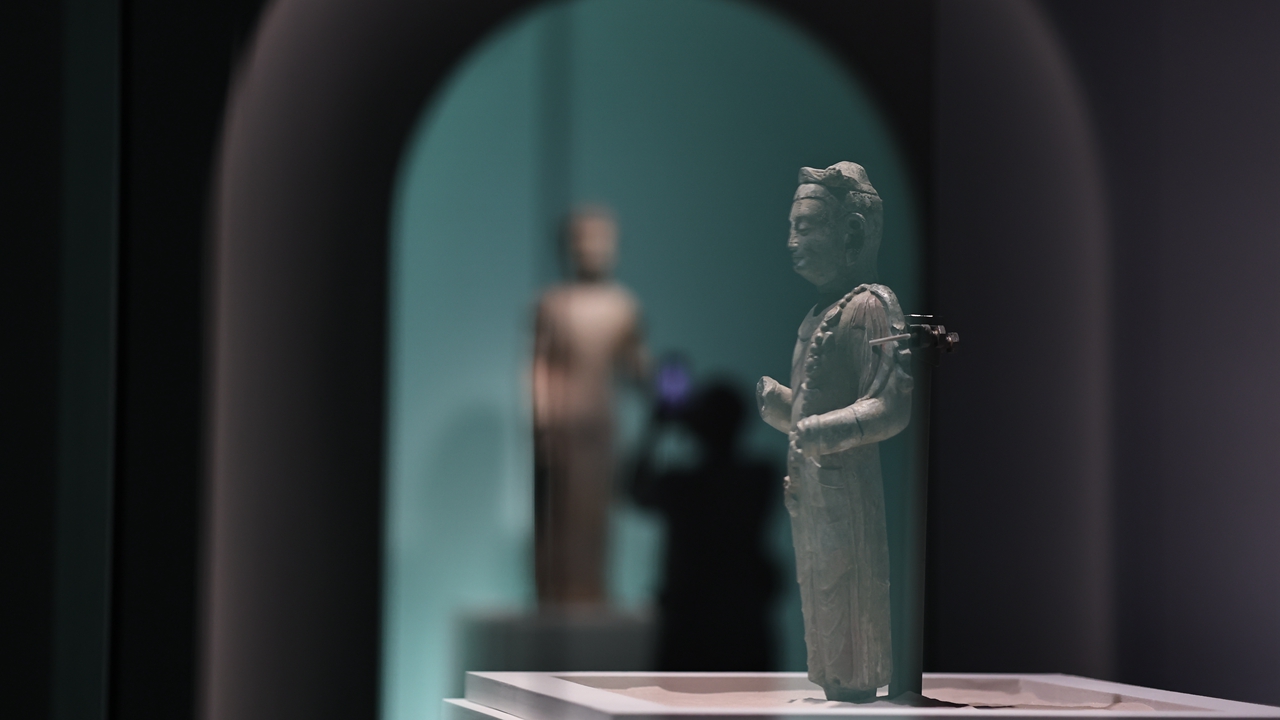
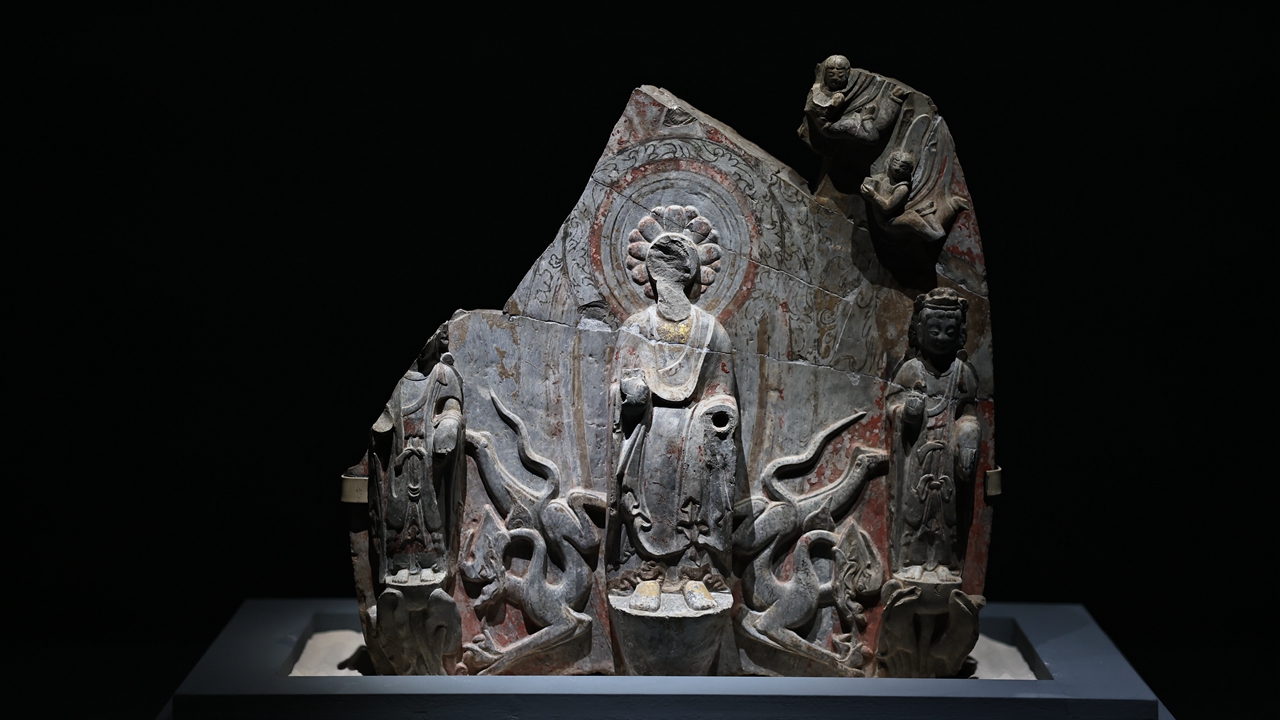
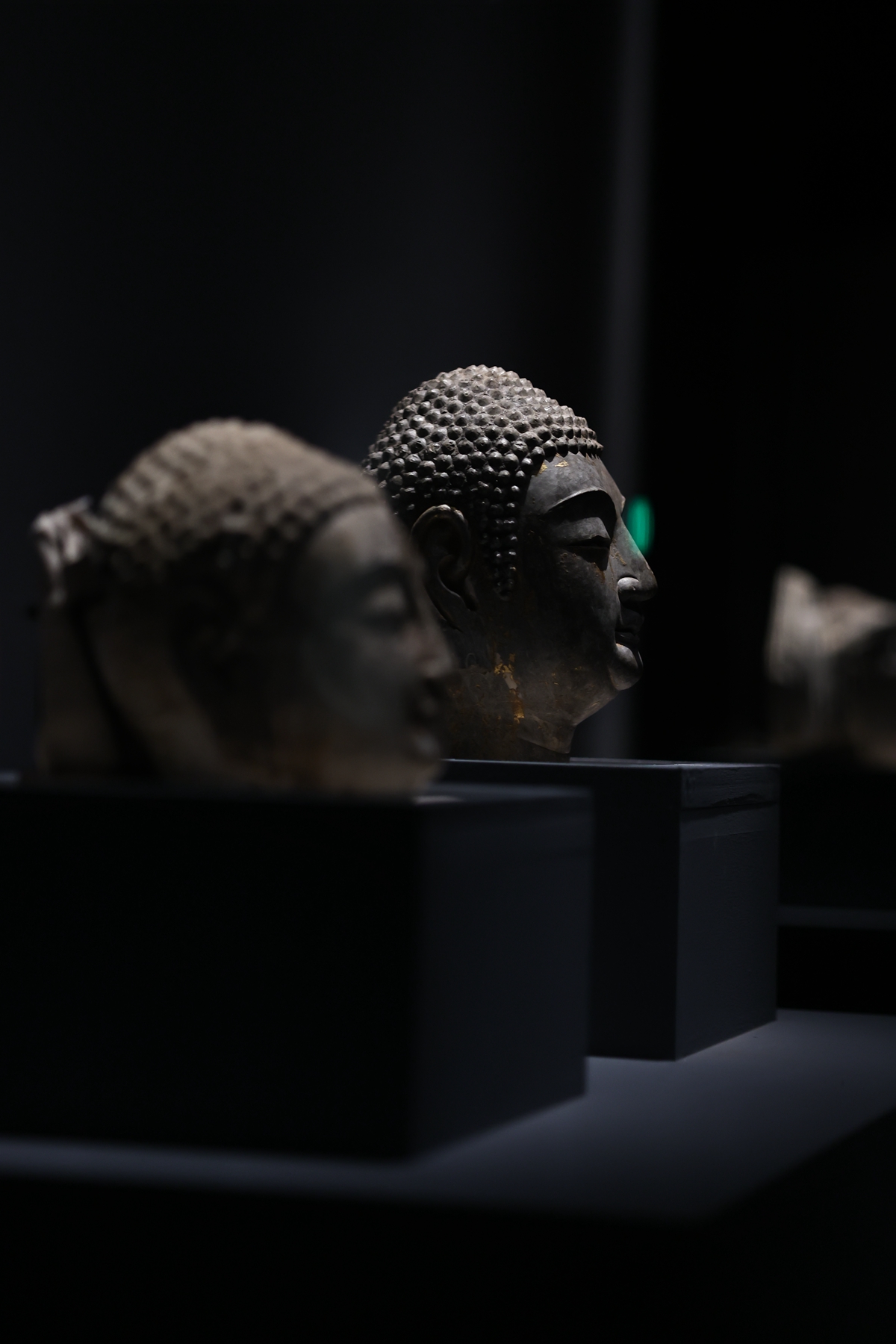
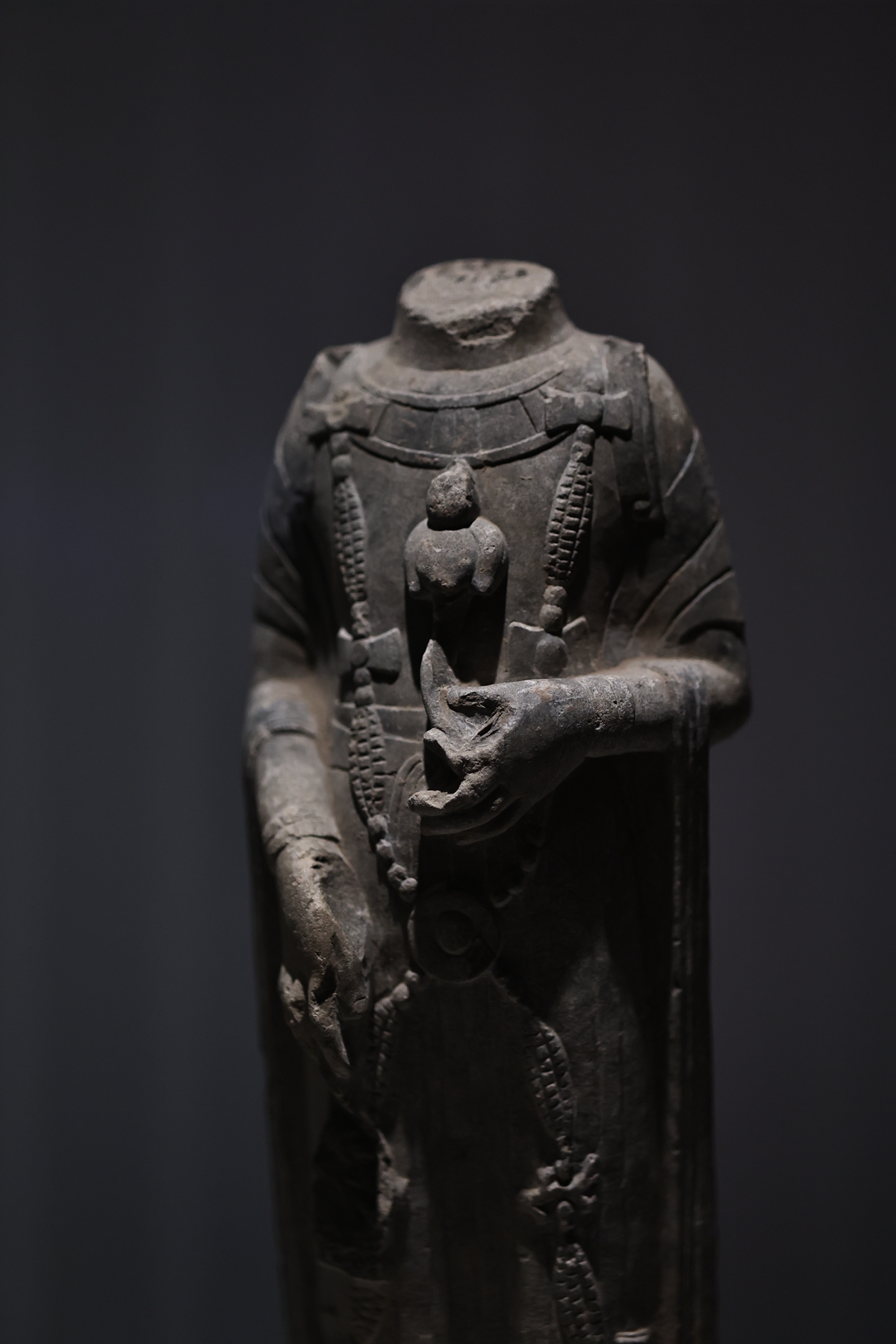
The exhibition features 62 exquisite Buddhist sculptures from two major institutional collections, including 22 grade-one national cultural relics — accounting for over one-third of the total exhibits. Spanning five centuries from the Northern Wei (386-534) to the Northern Song (960-1127) dynasties, the showcase systematically traces the evolution and aesthetic pinnacle of the “Qingzhou Style.”
Qingzhou, one of the ancient Nine Provinces, derives its name from its eastern location: in traditional Chinese cosmology, the east is associated with the wood element, whose color is blue-green. Situated at the crossroads of the maritime, overland, and grassland Silk Roads, Qingzhou became a melting pot of diverse civilizations.
With extraordinary artistic creativity, Qingzhou Buddhist sculptures achieved a profound fusion of southern and northern cultures, as well as a deep integration of foreign Buddhist art with indigenous Chinese aesthetics.
Celebrated as the pinnacle of ancient Chinese sculptural art, these masterpieces stand as a vivid testament to the Chinese civilization’s spirit of inclusiveness and mutual learning.