
 Share
Share


 Print
PrintAPEC officials meet in Shenzhen to discuss the future of forestry
Writer: Zhang Yu | Editor: Zhang Chanwen | From: Original | Updated: 2026-07-30
When you think of forests, you might think of the Amazon or the Congo. But the Asia-Pacific region actually holds more than half of the world's forests and nearly half of its mangroves. It also drives about 60% of global forest production and 40% of forest trade.
That's why the 2026 APEC Ministerial Meeting on Forestry, held in Shenzhen from July 27 to 28, matters — because protecting Asia-Pacific forests means protecting the planet's green future.
The Asia-Pacific has vast and diverse forests, but each economy has its own stage of development. So how do we find common ground? At the meeting, officials from across the region shared their perspectives with Shenzhen Daily reporter Zhang Yu.
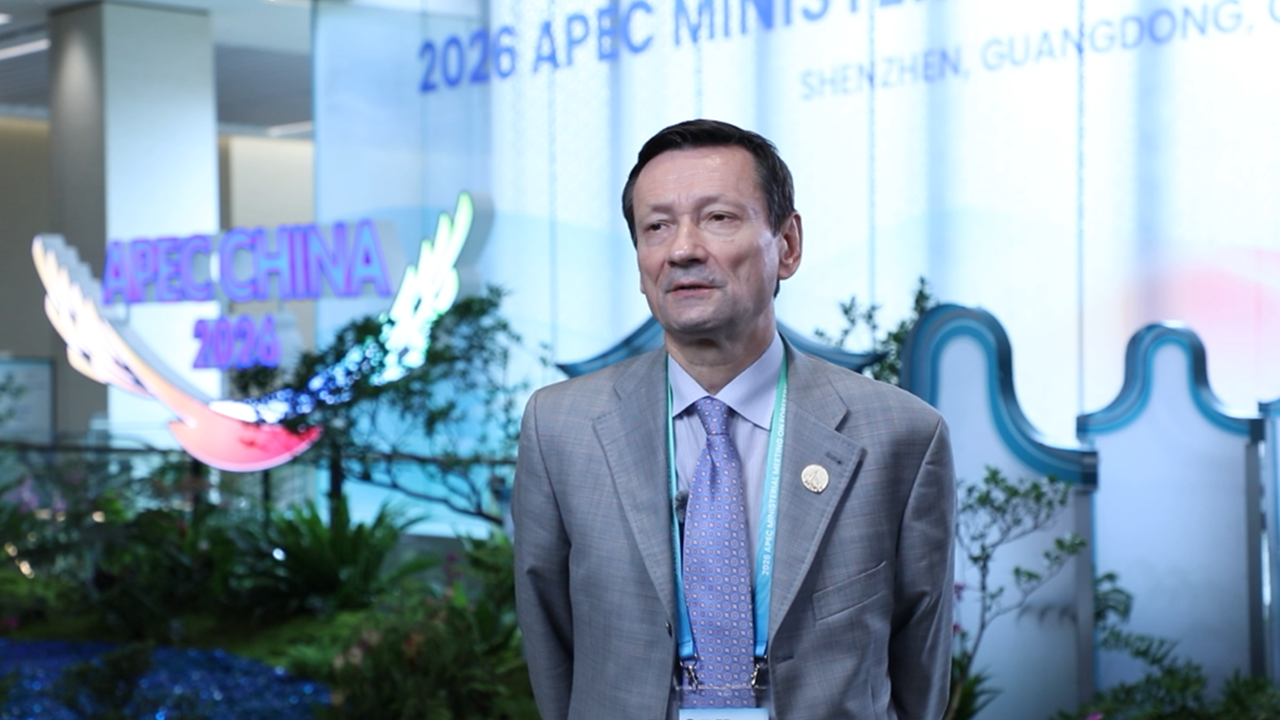
Alexander Panfilov — deputy head of the Federal Forestry Agency (Rosleskhoz) in Russia
Alexander Panfilov, deputy head of the Federal Forestry Agency (Rosleskhoz) in Russia, offered a clear starting point for the dialogue: "First, APEC economies should practice sustainable forestry in their own jurisdictions, based on their priorities. Together, we must tackle climate change and deforestation, while developing new wood and forest products. We must also ensure generational continuity and train new talent."
His message was twofold: act locally, but think regionally. For Panfilov, sustainable forestry begins at home — but the challenges of climate change and deforestation are shared ones that require collective action.
Some connections are invisible, but they're written in the sky. Every year, migratory birds travel over 9,000 kilometers from New Zealand to the wetlands of southern China.
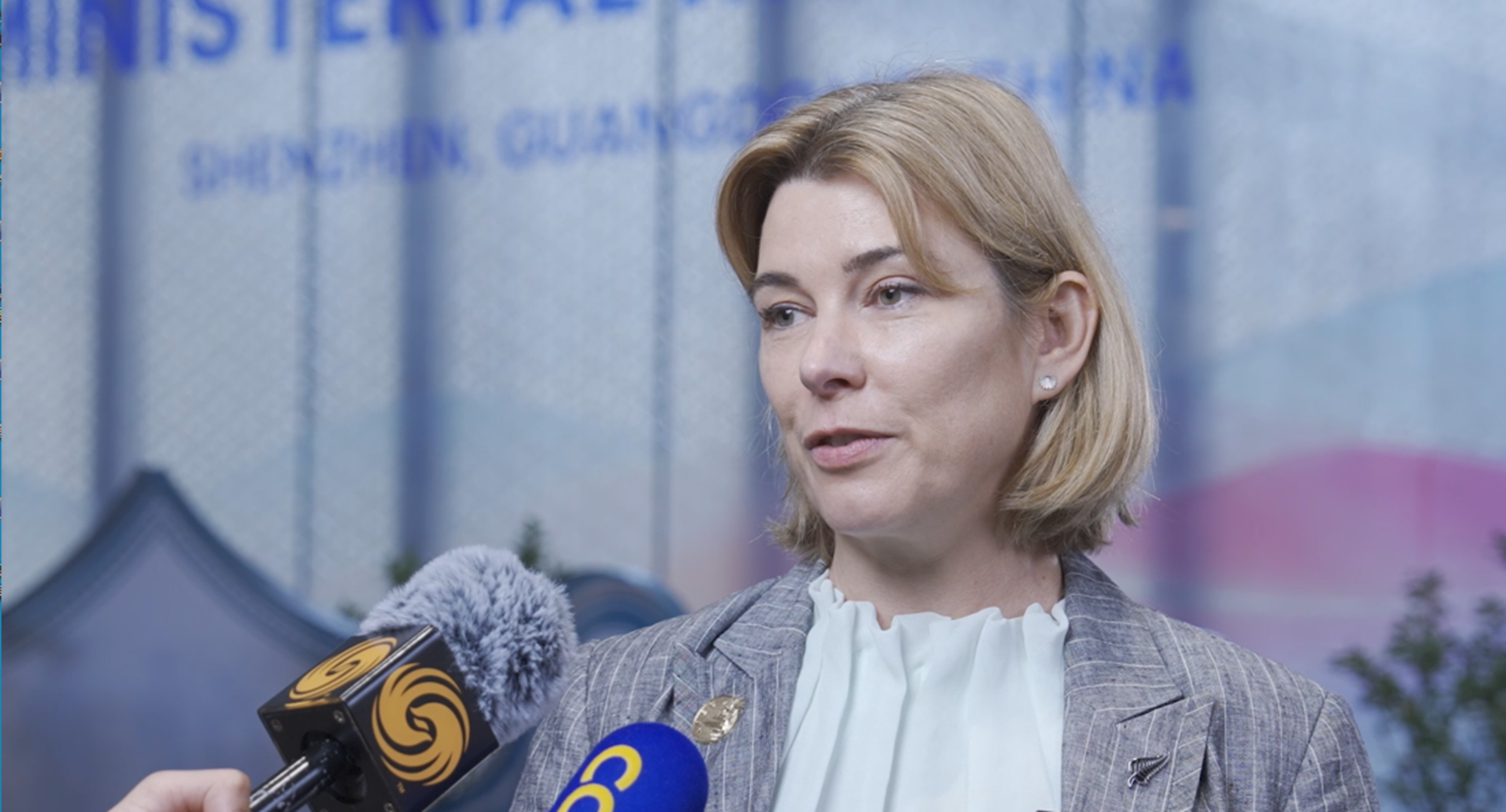
Jenny Cameron — deputy director-general for China Relations at New Zealand's Ministry of Primary Industries
Jenny Cameron, deputy director-general for China Relations at New Zealand's Ministry of Primary Industries, brought this vivid image to the conversation. "China and New Zealand share many things in common when it comes to forestry and mangrove protection," she said. "In fact, migratory birds leave from New Zealand and fly over 9,000 kilometers to land here in Shenzhen, where they refuel before heading on to Russia. So things like species of birds and forests share no borders. And that's why it's really important for APEC economies to get together."
For Cameron, the birds are more than a metaphor — they are a reminder that ecological systems do not recognize the lines humans draw on maps. What happens in one economy's forests has consequences for others, and that interdependence is precisely why dialogue matters.
But commitments alone are not enough. Across the region, real, tangible work is happening on the ground.
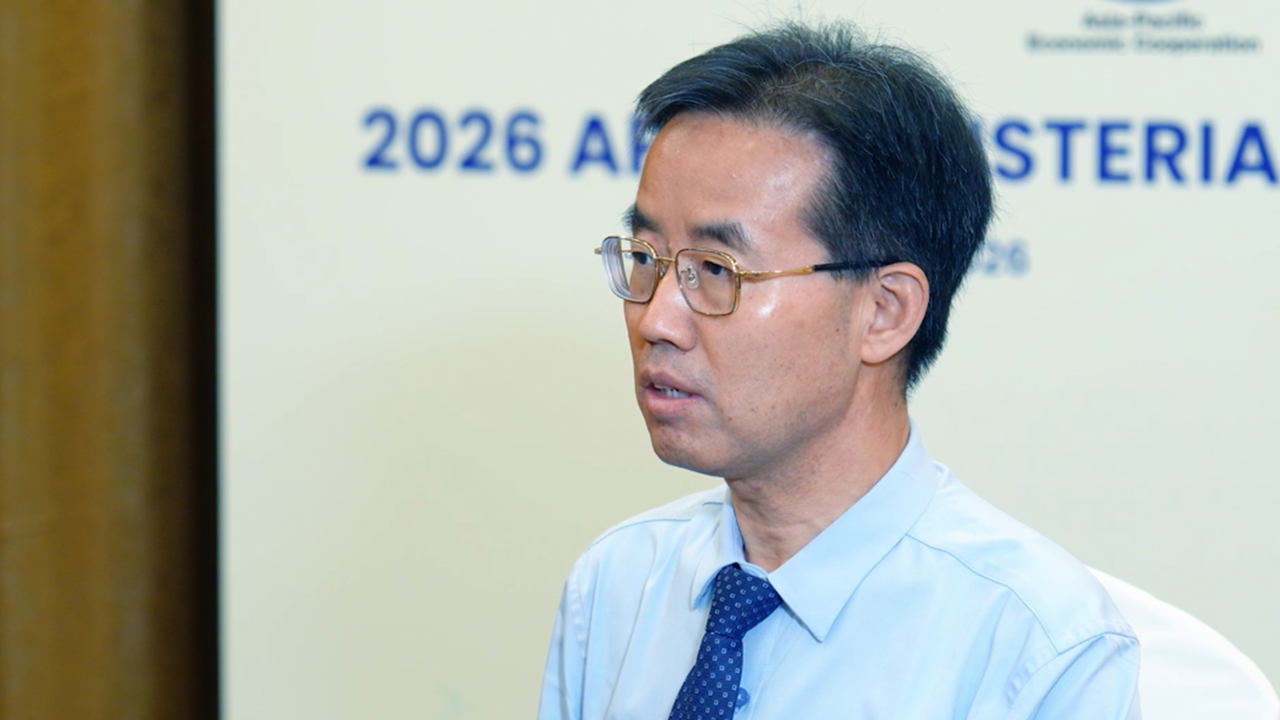
Wang Chunfeng — executive director of APFNet (Asia-Pacific Network for Sustainable Forest Management and Rehabilitation)
Wang Chunfeng, executive director of APFNet (Asia-Pacific Network for Sustainable Forest Management and Rehabilitation), shared concrete evidence of what cooperation has already achieved: "Since its founding, APFNet has carried out nearly 60 demonstration projects on sustainable forest management and restoration across more than 20 economies, investing about US$45 million in total. These projects haven't just spread best practices; they've also provided tangible support and real-life models for local communities to improve their livelihoods."
His words underscored a key theme of the meeting: that dialogue must lead to action, and action must benefit the people who live closest to the forests.
Beyond the meeting rooms, delegates went out to see for themselves how Shenzhen protects its green assets amid rapid development. Their itinerary included mangrove planting, smart forestry initiatives, and the Dasha River Ecological Corridor — living examples of how a megacity can balance growth with environmental stewardship.
For many delegates, seeing Shenzhen's approach firsthand added a new dimension to the discussions. The city's transformation — from a fishing village to a global innovation hub — has not come at the expense of its natural environment. Instead, green space has been woven into the fabric of urban life, offering a model that other rapidly developing economies might learn from.