
 Share
Share


 Print
PrintSummit gathers insiders to discuss SZ's tech ecosystem
Writer: Chen Siqi | Editor: Lin Qiuying | From: Shenzhen Daily | Updated: 2026-07-25
Video and photos by Chen Siqi
Distinguished scholars, industry leaders, and young talents from around the world gathered for the “Technological Innovations for a Better Life” Global Youth Sci-Tech Leaders Summit at Southern University of Science and Technology (SUSTech) on Saturday to engage in discussions on frontier technologies, pathways for commercializing scientific achievements, and the development of young innovators to enrich Shenzhen’s tech ecosystem.
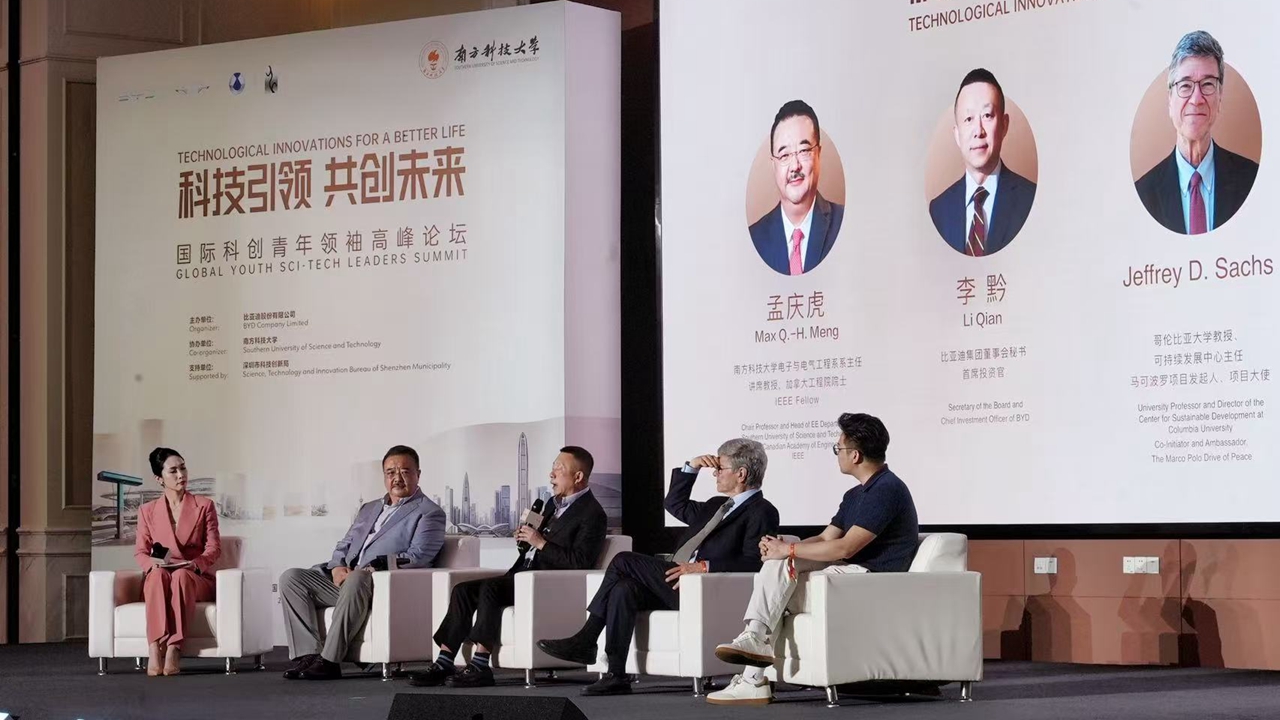
A roundtable discussion on Shenzhen's future technological development at the summit.
SUSTech president Xue Qikun delivered a speech during the summit, noting that the city’s PCT patent applications have ranked first in China for 22 consecutive years, and data shows that Shenzhen’s R&D spending accounted for nearly 7% of GDP in 2024 — the highest among Chinese cities. Over 45 years, Shenzhen has grown from zero higher education institutions to 17, blending academic research with industrial application. SUSTech itself, founded in 2010, has already placed its chemistry and engineering disciplines among the world’s top tiers. “Shenzhen is not just a city,” Xue said, “but an innovation-driven hub that attracts talent and investment from everywhere.”
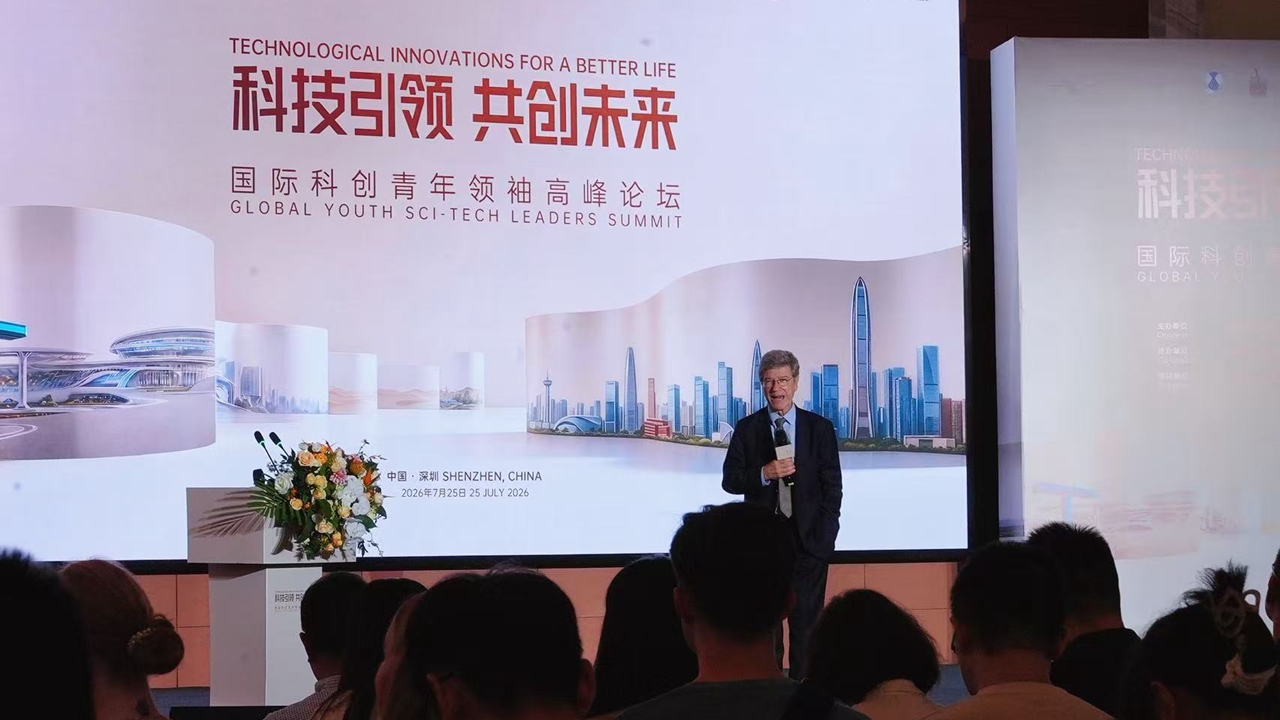
Jeffrey D. Sachs, a Columbia University professor and renowned economist, delivers a keynote speech at the Global Youth Sci-Tech Leaders Summit held at Southern University of Science and Technology (SUSTech) on Saturday.
Jeffrey D. Sachs, the Columbia University professor and a renowned economist, delivered a keynote speech. Citing World Intellectual Property Organization rankings, he pointed out that the Shenzhen‑Hong Kong‑Guangzhou innovation cluster has been ranked first globally in the Global Innovation Index, followed by Japan’s Tokyo‑Yokohama and San Jose‑San Francisco clusters in the U.S. He contrasted Shenzhen with Silicon Valley: “There, they innovate and create ideas, but they don’t make things. In Shenzhen, they do everything — design, production, scaling, finance.”
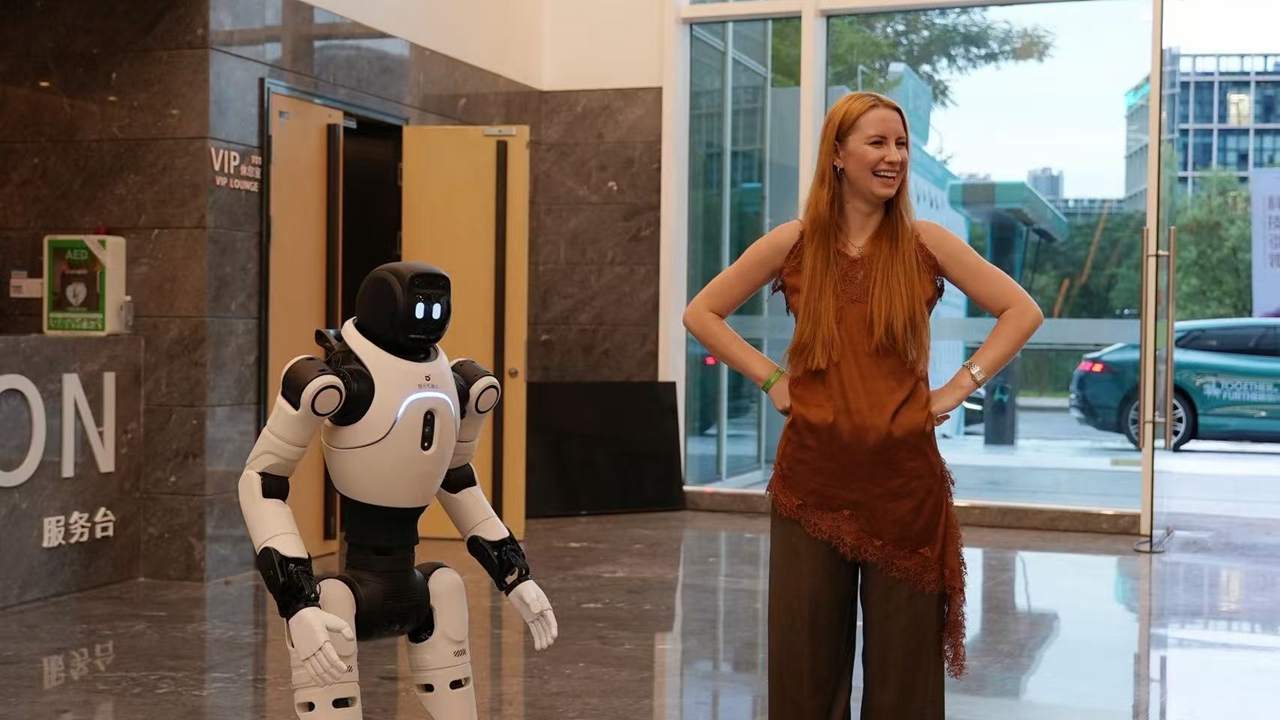 A guest interacts with a humanoid robot during the summit.
The event also served as the final stop of the “Marco Polo Drive” — a 15,000‑km all‑electric caravan that retraced Marco Polo’s route from Rome to China, arriving after 43 days and crossing 10 countries. Seven centuries after Marco Polo travelled the Silk Road to China, this modern-day expedition completed its own eastward journey, ending in Shenzhen.
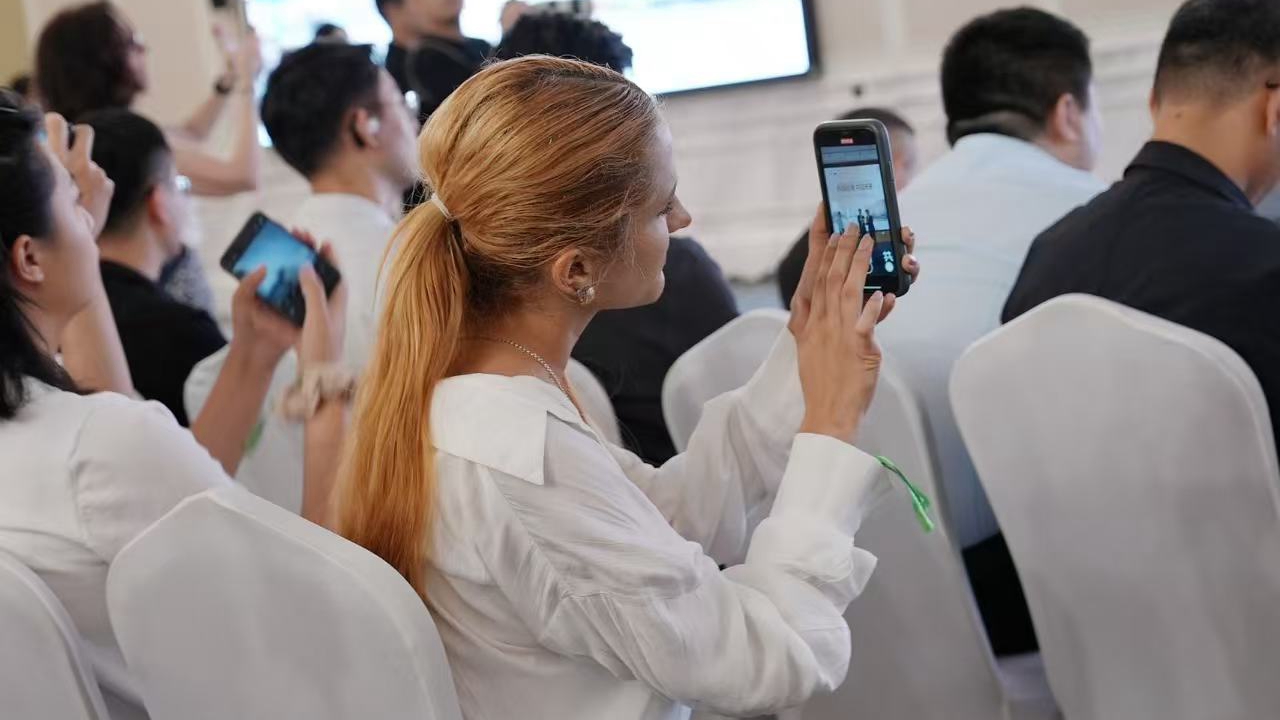
A participant takes a picture of the speakers.
Sachs, who co‑initiated the project, explained that the Marco Polo Drive was designed to demonstrate both green technology and East‑West connectivity. Over the 15,000‑km journey, the team found widespread enthusiasm for electric vehicles and for closer ties with China. Sachs praised BYD and other Shenzhen companies for leading the green transition, adding: “Only China can provide the scale for global transformation over the next quarter‑century.”
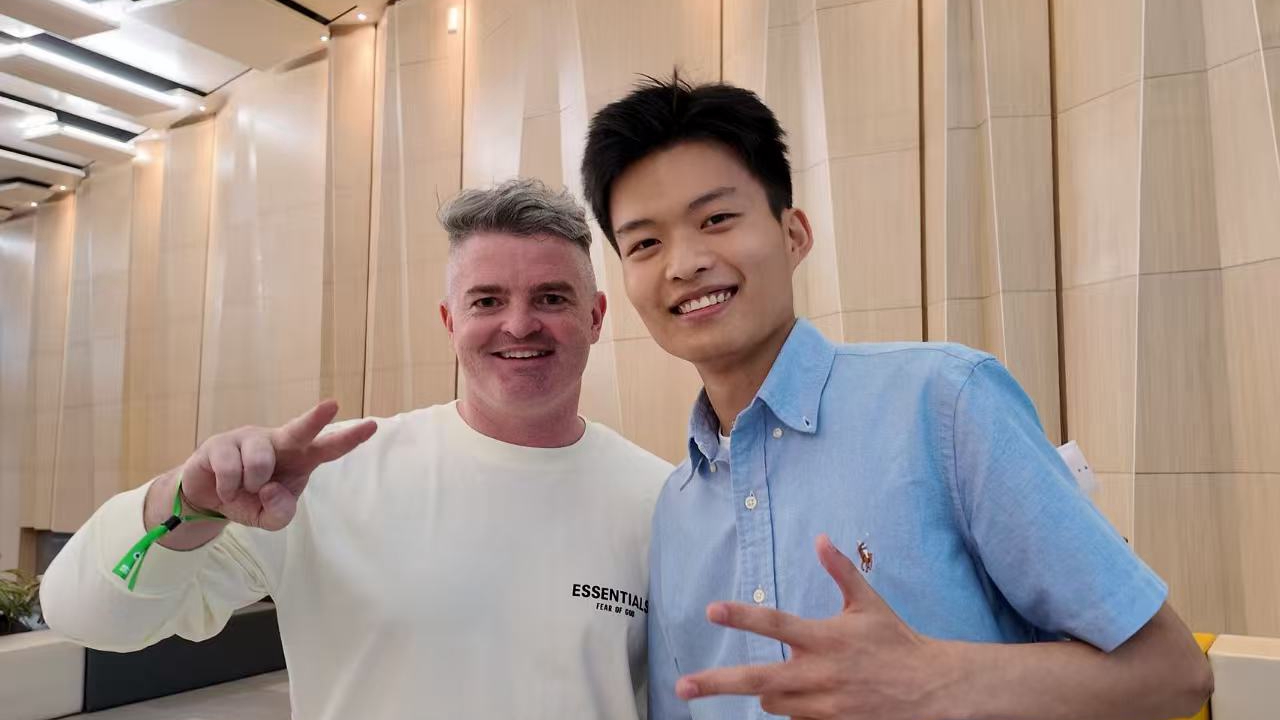
Shenzhen Daily reporter Kyle Ma poses for a photo with Irish influencer Luke O'Farrell at the summit.
Irish influencer Luke O'Farrell at the event recalled his first ride in a driverless robotaxi operated by Pony.ai in Shenzhen: “I thought the vehicle would lose control for the first 100 meters. Then I realized it was great.” He described Shenzhen as “ultra‑modern, everything mixed,” where everyone wants to create something new that benefits the world. “Here, you can make your idea a reality because the manufacturers are all around you.”
Sachs closed with a broader message: “Shenzhen represents human creativity at its apex. It shows that fundamental global transformation is possible. Your success is the world’s success.”