Share
Share


 Print
PrintSign review campaign deepens participants' love for SZ
Writer: Chen Siqi | Editor: Lin Qiuying | From: Original | Updated: 2026-07-24
Video by Wang Haolan
The rain had just cleared over Longgang District, but the air remained heavy with muggy humidity. Against this backdrop, the seventh offline challenge of the "City Language Watch” Monthly Challenge, part of Shenzhen’s 2026 public foreign-language signage improvement campaign, took place on July 21. A mixed team of Chinese and expatriate residents fanned out across Huawei’s Bantian Base and the Longgang International Arts Center, scrutinizing every public sign they encountered.
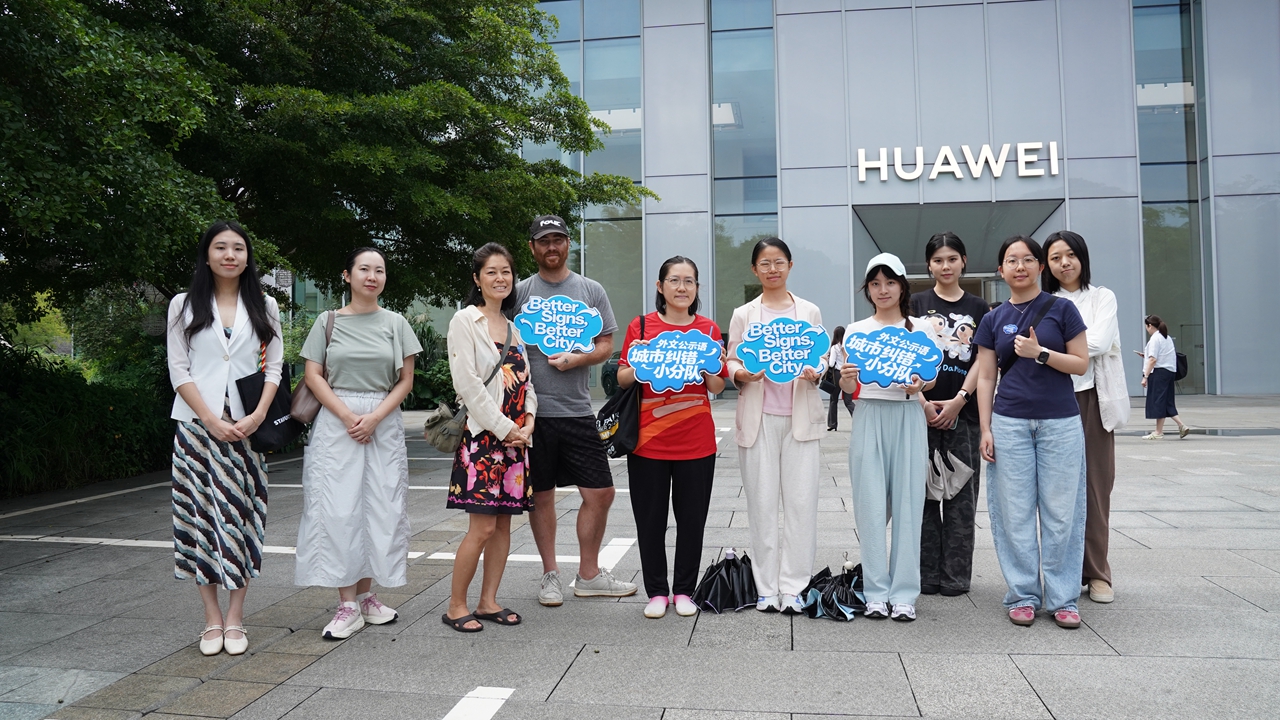
Participants pose for a photo near a Huawei flagship store at Zone G of the company’s Bantian headquarters on July 21. Wang Haolan
Before the event, the organizer briefed participants on the most common mistake types — translation mistakes, missing English translations, and incomplete information — and how to use the "Inquiry System of Chinese-English Public Signs in Shenzhen" WeChat miniprogram.
Newcomers: English signs are helpers
Dylan and Jane, both from California, the U.S., have been in Shenzhen for just over two months, yet they have already experienced the city’s international, inclusive and open atmosphere.
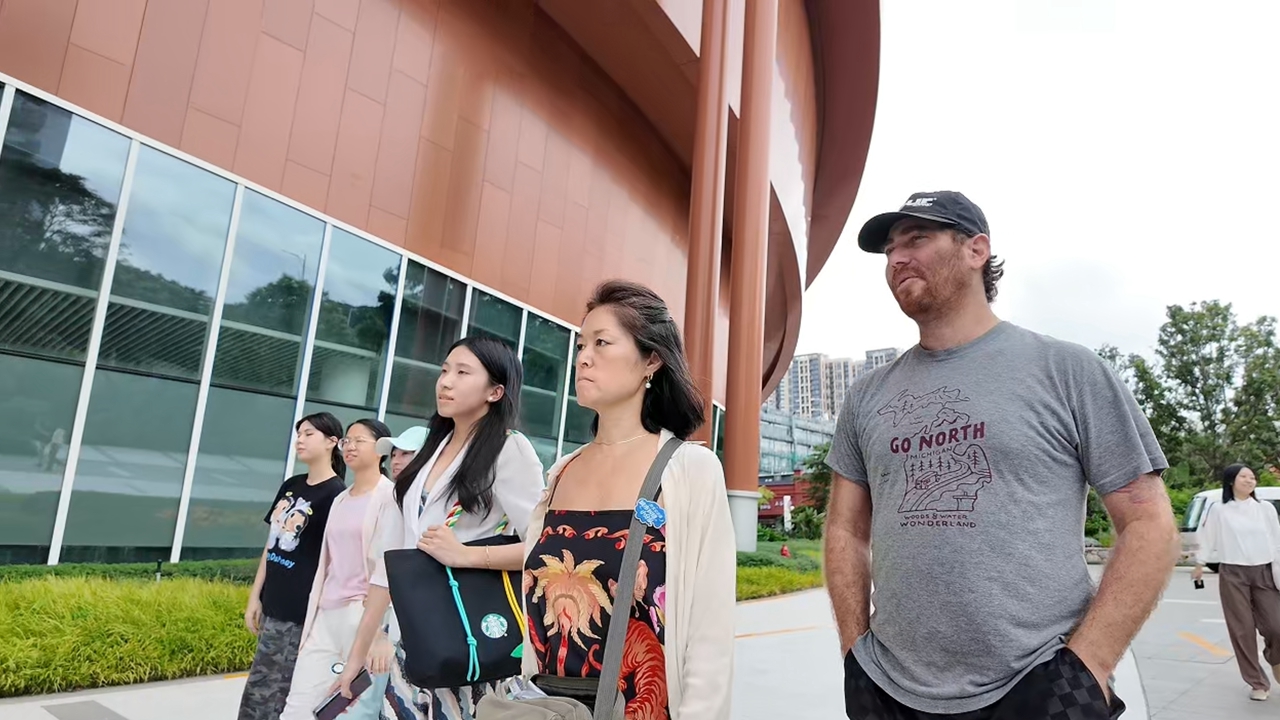
Participants visit the Longgang International Arts Center on July 21. Chen Siqi
“We can’t understand Chinese – most foreigners can’t,” Dylan told Shenzhen Daily while visiting the Longgang International Arts Center. “Being able to understand the basics in English, or a different language, helps us navigate and get around. It makes it more comfortable as we explore the city.”
He drew a comparison: “In California, many signs are provided in both English and Spanish. And in areas such as Chinatown or Little Saigon, you can also find signage in Chinese or Vietnamese alongside English. It helps everyone feel more at home.”
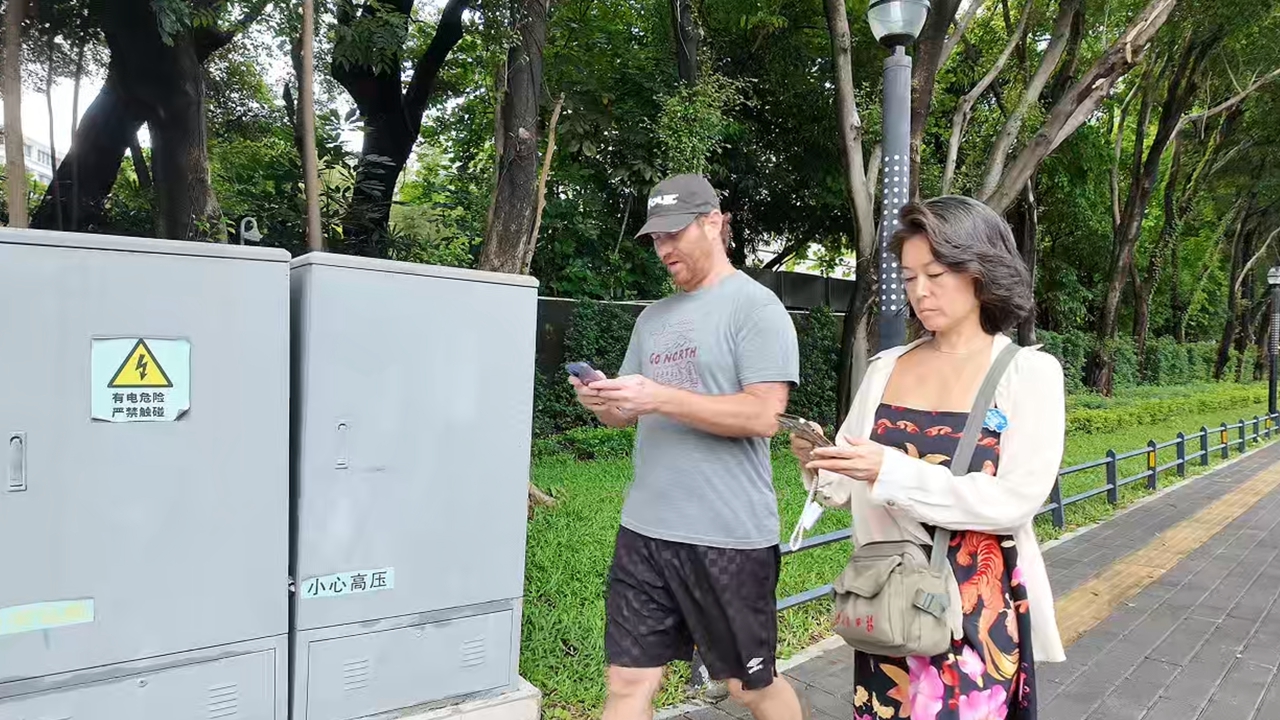
Dylan (L) and Jane check public signs near Huawei headquarters in Bantian, Longgang District. Chen Siqi
Jane, meanwhile, spotted a tiny glitch on a public bin: the English word “recyclable” had its “l” misprinted as an “i.” “It’s subtle – on a keyboard, they look the same, but the lowercase makes it look like an ‘i’,” she said. She noted she wasn’t nit‑picking: “Shenzhen is one of the best Chinese cities I’ve been to for English signage. The subway announcements, the ticket machines — everything is easy.”
Local participant: love for the city shows in action
Among the group was Zeng, a second-generation Shenzhen resident and current university student. She had previously done a course project on bilingual signage correction on campus, and even wrote a report. “I found it really interesting,” she said.
She learned about the citywide campaign earlier this year and signed up as soon as she returned home for summer break.
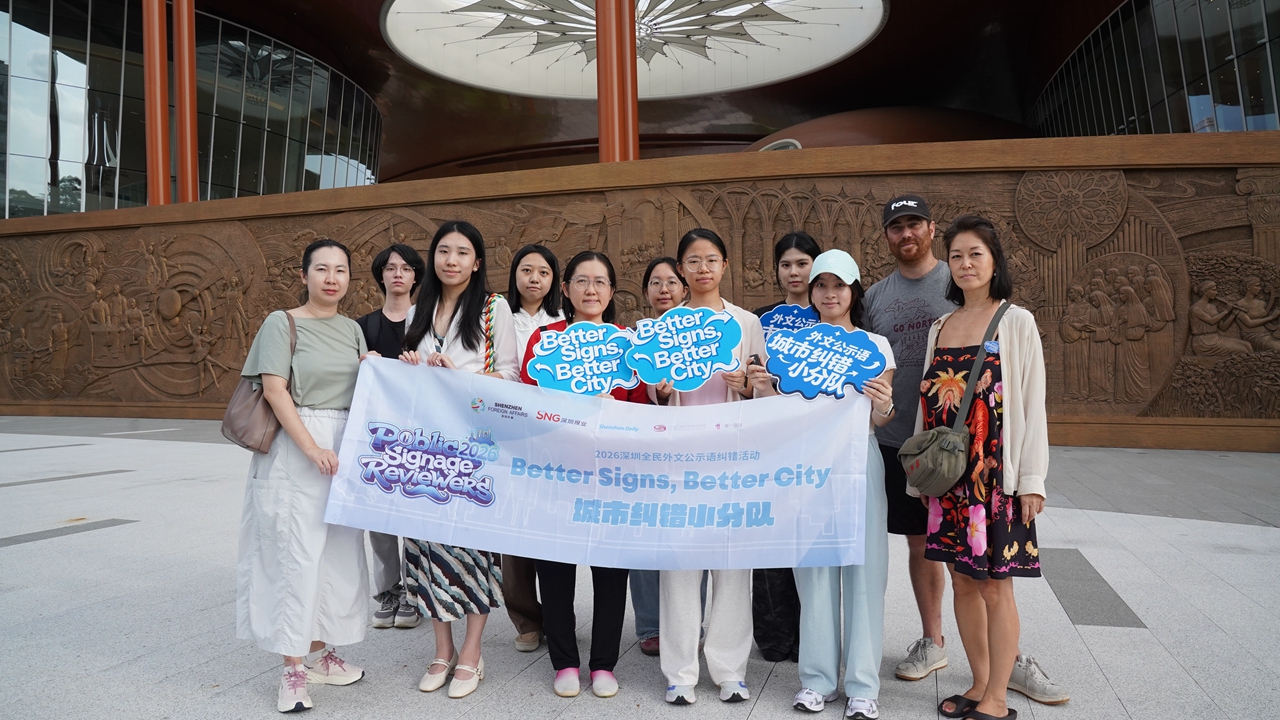
Participants pose for a photo near at the Longgang International Arts Center on July 21. Wang Haolan
“Shenzhen is one of the host cities of this year’s APEC meetings, so a huge number of international guests are coming. If signs all over the city match their language habits, they’ll feel welcomed,” Zeng said.
For her, the campaign is about much more than error finding: “When citizens of all ages and backgrounds join in, they develop a deeper affection for the city. It’s one of the most direct ways to take part in building the place we call home.”
More than reviewer, a journey of discovery
When asked what else Shenzhen could improve, Jane gave an unexpected answer: “I don’t really want to change China that much — I like it how it is. Translation apps on phones are pretty sufficient. I know Chinese people are a bit shyer to speak English, even though they know more than most visitors. Maybe people could interact more — but I don’t think they need to bend over backwards. They’re already very welcoming and warm, and they have things written down. They’ve done enough.”
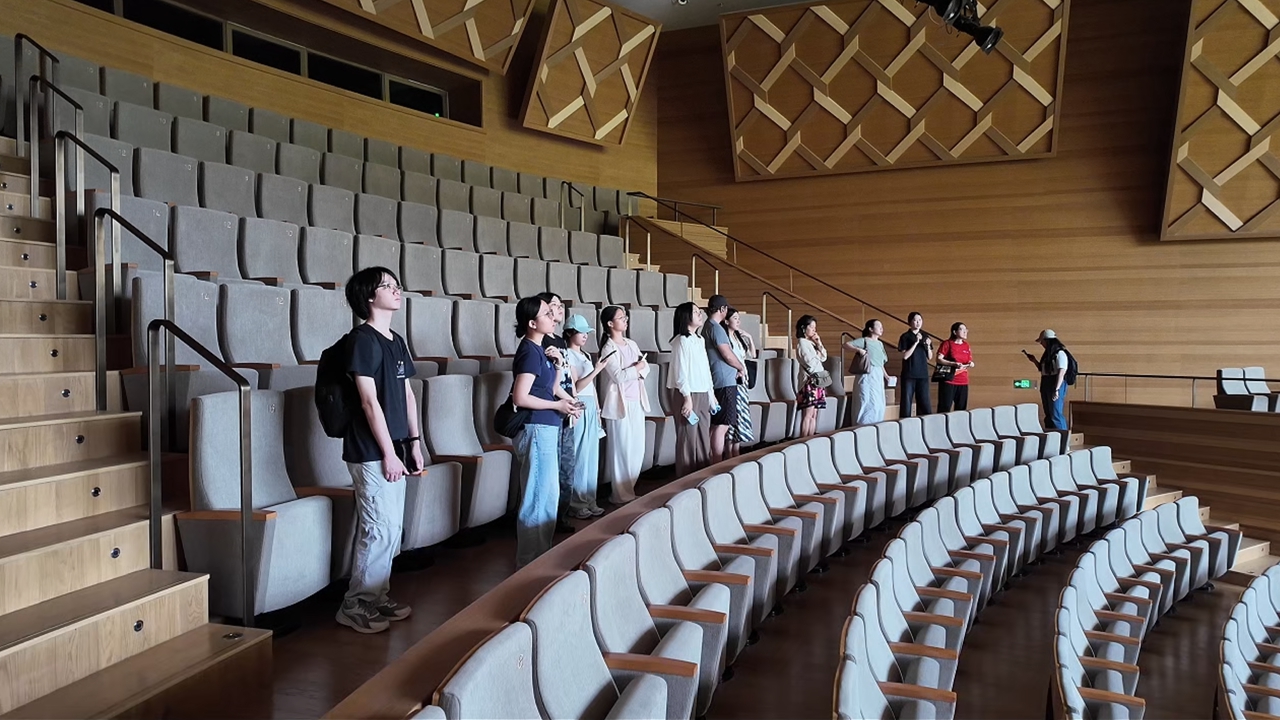
Participants visit one of the theaters at the Longgang International Arts Center on July 21. Wang Haolan
One of the venues visited — the Longgang International Arts Center — opened this January. Covering 43,000 square meters, it is adjacent to Huawei's Bantian Base. Most participants said it was their first time visiting the venue. The public signage review challenge turned into an exploration of the city, helping to polish its international image while giving everyone a chance to appreciate the energy and diversity of this young metropolis.
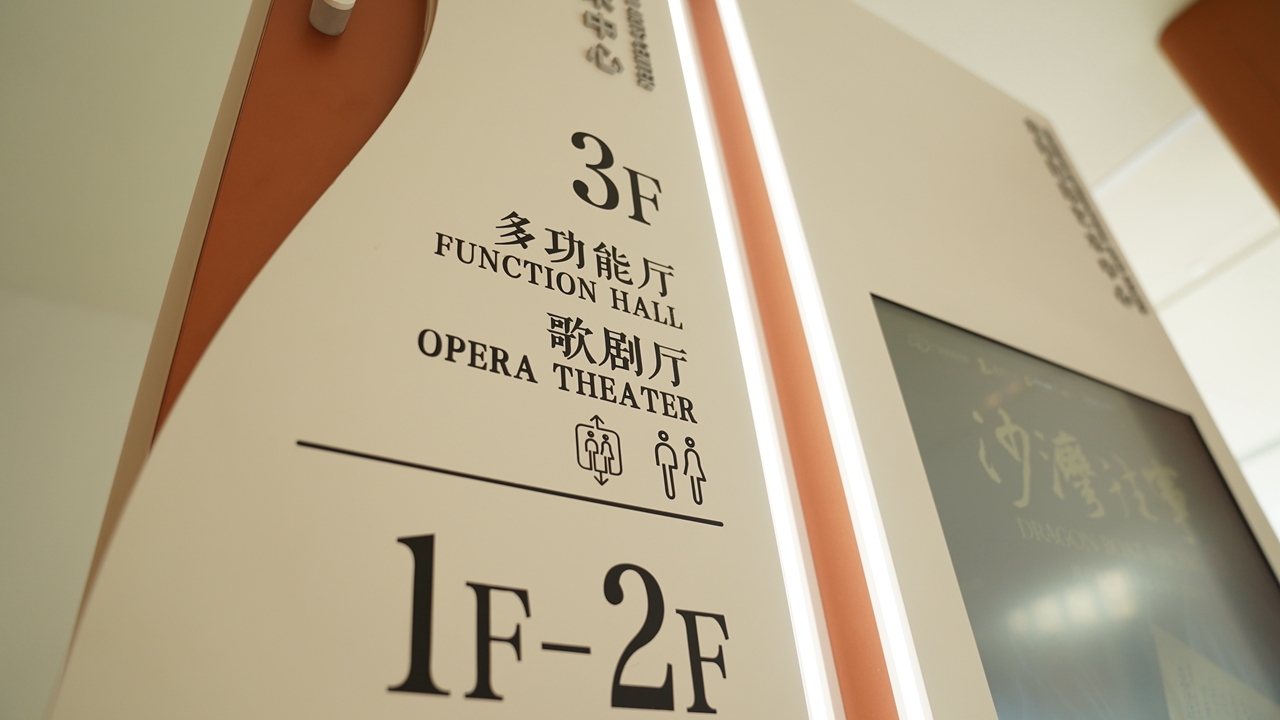
A bilingual sign at the Longgang International Arts Center. Wang Haolan
The “City Language Watch” monthly challenge, organized by Shenzhen Foreign Affairs Office, Shenzhen Daily, and Shenzhen Media Group’s “1st to the Scene,” has now completed seventh monthly offline challenges since the start of the year, covering transport hubs, key venues, and commercial areas. The online competition remains open to the public through November, with offline events scheduled monthly.