
 Share
Share


 Print
PrintShenzhen's gimbal camera sparks queuing frenzy in Tokyo
Writer: Debra Li | Editor: Lin Qiuying | From: Shenzhen Daily | Updated: 2026-07-03
A domestically produced gimbal camera has sparked a queuing frenzy in Tokyo's Shibuya district.
Japanese customers are seen in a store for the Luna Ultra launch. Photos provided to Shenzhen Daily
The Luna Ultra — an 8K dual-lens gimbal camera co-engineered with Leica — is Insta360's flagship entry into the premium handheld gimbal camera market, positioned as a direct competitor to the DJI Osmo Pocket series.
It combines professional-grade imaging with a compact, portable form factor aimed at creators, vloggers, and mobile filmmakers. Designed and developed in Shenzhen, the cameras are manufactured in factories across the Pearl River Delta.
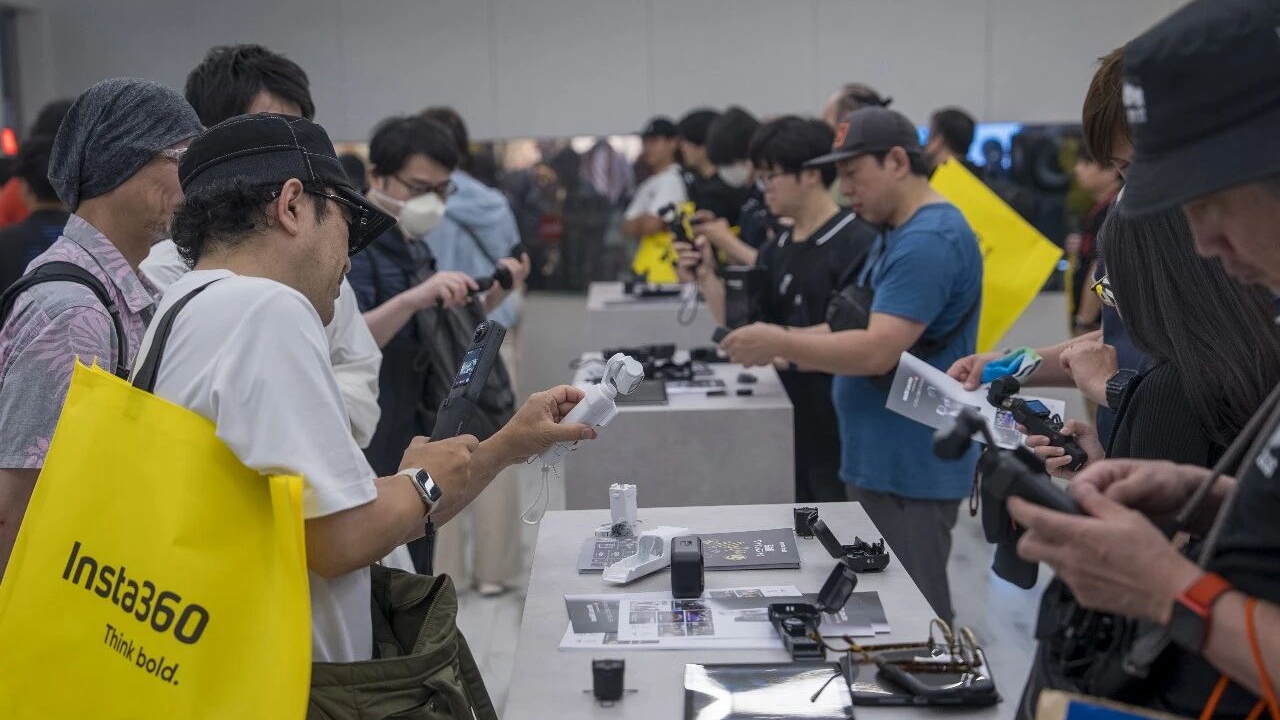
Japanese customers get hands-on with the Insta360 Luna Ultra gimbal camera.
Shibuya, home to the world's busiest pedestrian crossing and renowned for its dense concentration of trendy shopping centers, saw hundreds of Japanese consumers lining up for the June 10 product launch. The event officially began at 3 p.m., but some enthusiasts had already arrived with folding stools by 9 a.m. — a few were even waiting on-site as early as 6 a.m.
"I've been here since 6 a.m. — I'm the first buyer," said a customer who identified himself as Dan. He drove 40 kilometers from Yokohama for the event.

Japanese residents queue up for the launch of Insta360 Luna Ultra.
One of the Luna Ultra's most innovative features is a 2-inch OLED touchscreen that can be detached and used as a remote control and monitor with HD video transmission up to 20 meters. The remote also has a built-in microphone for convenient audio capture. Pricing starts at US$769.99 for the standard bundle and increases for creator-focused packages that include additional accessories such as a microphone and battery grip.
The two-day launch event drew over 1,000 participants, with pre-order units selling out rapidly. Some traveled over 550 kilometers from Osaka to attend, and Japanese comedian Tokui Yoshimi with 1.74 million followers was among the first customers.
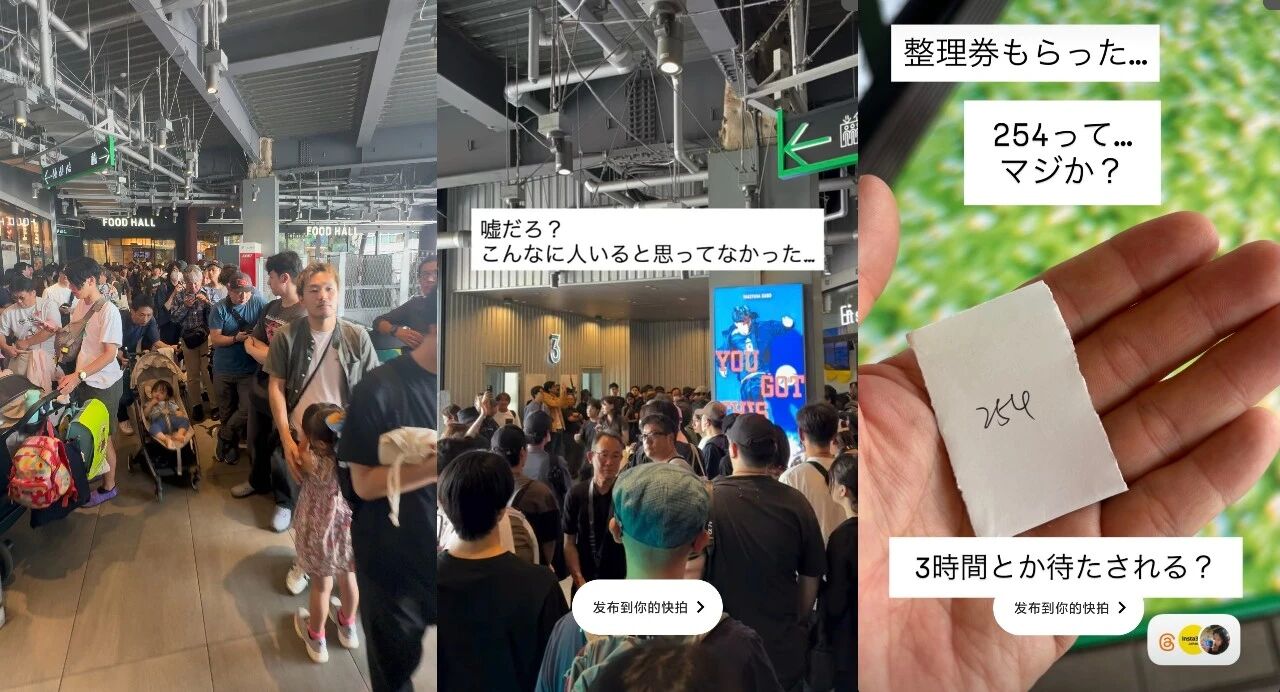
Japanese customers share posts online, amazed that "there were so many people."
Major Japanese tech media outlets including DC Watch and ITmedia covered the event. "The shop distributed around 450 admission tickets on the first day, and they were all claimed within 30 minutes of opening. Most customers headed straight to the checkout line upon entering the store," one report said.
A female customer said she received ticket No. 280 and waited 2.5 hours in the long queue. "I can't wait to use such advanced technology," she said, adding that she plans to use the camera to document daily life, capture happy moments, and record her travels.
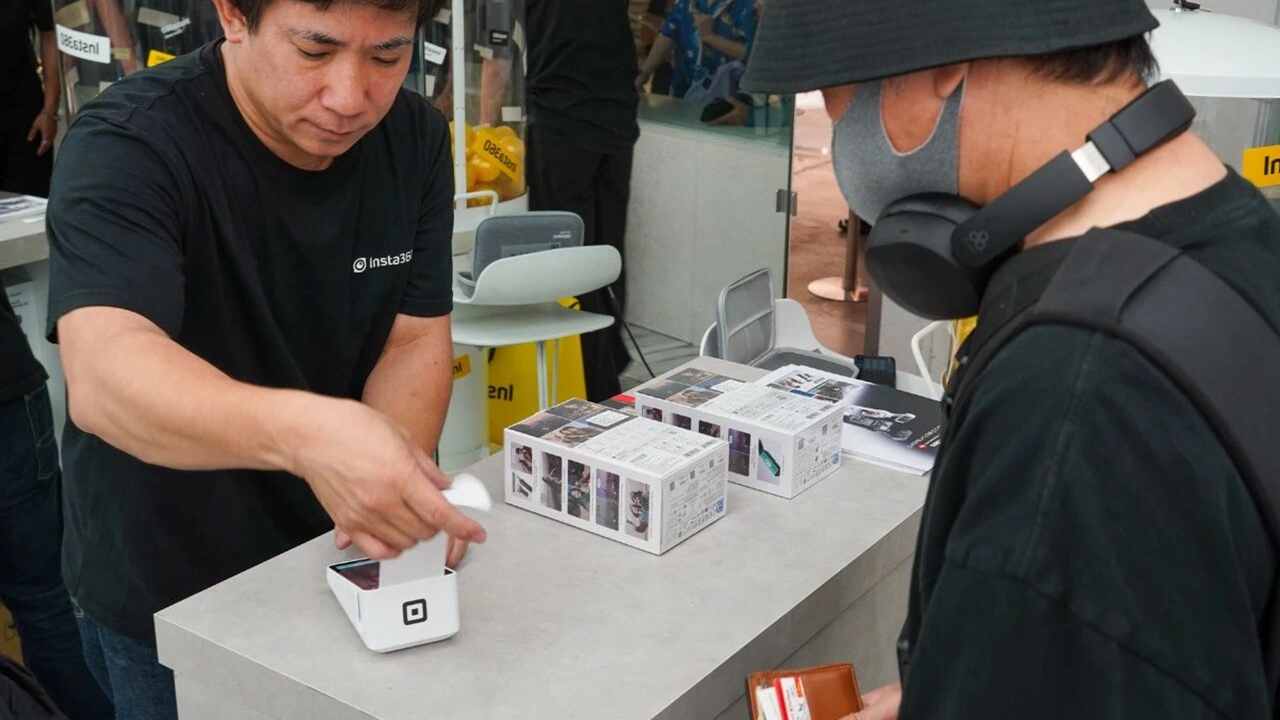
A customer pays for the Luna Ultra.
The white version sold out online within five minutes of its Japan launch, while offline it broke into the top three sales rankings at electronics retailer Yodobashi Camera in just 12 hours.
The stock shortages have since sparked widespread discussion online. A Japanese tech influencer with over 4 million followers commented that the Luna Ultra signals a future trend where traditional video cameras will gradually be replaced by smart portable alternatives.
For decades, Japanese brands like Sony and Canon have dominated the global camera industry, leveraging a century of optical expertise to set standards in hardware, craftsmanship, and imaging technology. However, in the age of short-form video, Chinese brands have leveraged an integrated ecosystem of hardware, algorithms, and AI to overtake incumbents in the smart portable imaging niche, redefining the future of creator cameras.
Many netizens have observed that whereas Chinese tourists once flocked to Japan to queue for rice cookers, DSLR cameras, and cosmetics, it is now Japanese consumers lining up for Chinese-made products.
On the evening of the launch, the Luna Ultra sold out within 5 minutes across major e-commerce platforms, topping sales charts in both the Chinese and U.S. markets. Offline stores in multiple cities also saw long queues of eager buyers.
According to IDC, global shipments in the handheld smart camera market grew 33% year-on-year in the first quarter of 2026, with the rapid growth driven primarily by two Chinese brands — Insta360 and DJI.
Insta360 continues to hold the No. 1 position globally in both sales volume and revenue in the panoramic camera segment, with a 71% market share. In the broader action camera category, Insta360 and DJI each account for approximately 40% of the global market, further squeezing legacy player GoPro.