
 Share
Share


 Print
PrintShenzhen reports cleaner air and stronger environmental performance
Writer: Cynthia Song | Editor: Lin Qiuying | From: Shenzhen Daily | Updated: 2026-07-02
Shenzhen recorded continued improvements in air quality, water quality and carbon reduction in 2025, according to the city's annual environmental report released this week, highlighting progress as China concluded its 14th Five-Year Plan (2021–2025).
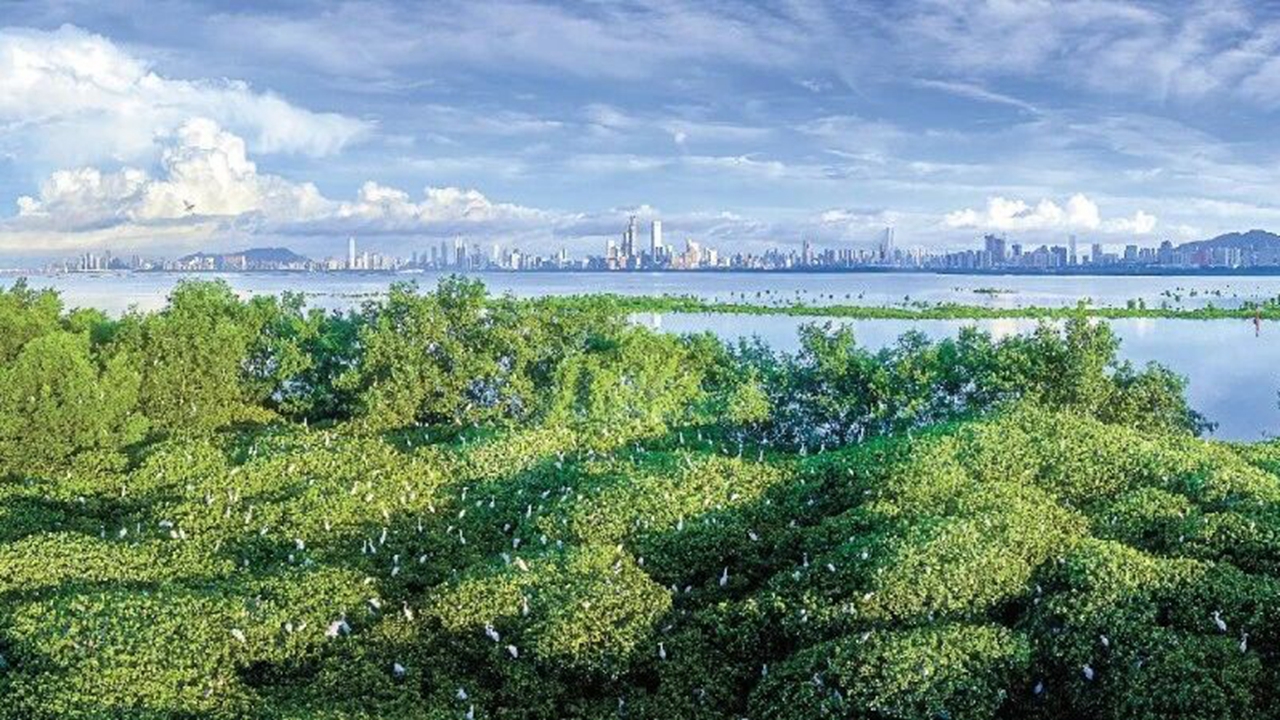
An aerial view of Shenzhen. Que Yongfu
The report, published by the Shenzhen Municipal Ecology and Environment Bureau, showed the southern Chinese metropolis maintained high environmental standards while expanding green infrastructure and accelerating its transition toward a low-carbon economy.
According to the report, Shenzhen's air quality reached the national "excellent or good" standard on 97.5% of days in 2025, with "excellent" air quality recorded on 62% of days. Average concentrations of PM2.5, fine particulate matter considered harmful to human health, fell to 16.8 micrograms per cubic meter, while PM10 concentrations declined to 32 micrograms per cubic meter. The city's average PM2.5 concentration was the lowest among cities in Guangdong Province.
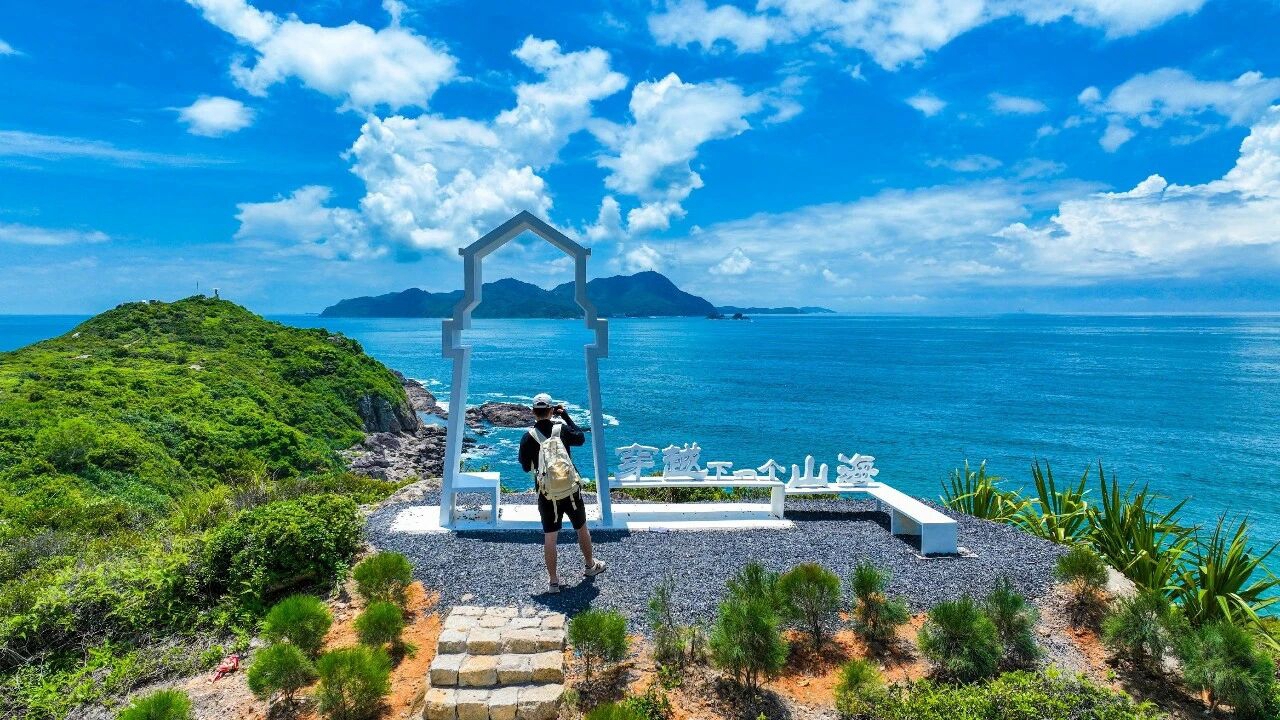
A visitor photographs the scenery along the Dongchong coastal hiking trail in Dapeng. The trail offers panoramic views of the South China Sea and is one of the city's popular outdoor recreation destinations. Cheng Haikun
Shenzhen also reported progress in climate-related initiatives. The city's carbon emissions trading market has accumulated approximately 110 million tons in trading volume, with total transaction value exceeding 2.5 billion yuan (US$350 million). Authorities added 113 climate finance projects during the year, which are expected to reduce carbon emissions by around 2.86 million tons annually.
Nine near-zero carbon emission pilot zones have also been completed, while Shenzhen said it became the first city in China to conduct coordinated monitoring of both carbon emissions and conventional pollutants.
Green public spaces continued to expand in 2025. Shenzhen added 30 new parks, bringing the total to 1,350 citywide. More than 91% of residents now live within the service radius of a park or green recreational area. The city also built an additional 300 kilometers of greenways, increasing the total greenway network to about 4,019 kilometers, including the Shenzhen-Shanwei Special Cooperation Zone.
The city said environmental awareness also increased, with 68 public environmental education facilities hosting more than 6,900 educational events throughout the year. Around 5,000 volunteer environmental instructors participated in programs that attracted more than 1.11 million visits.
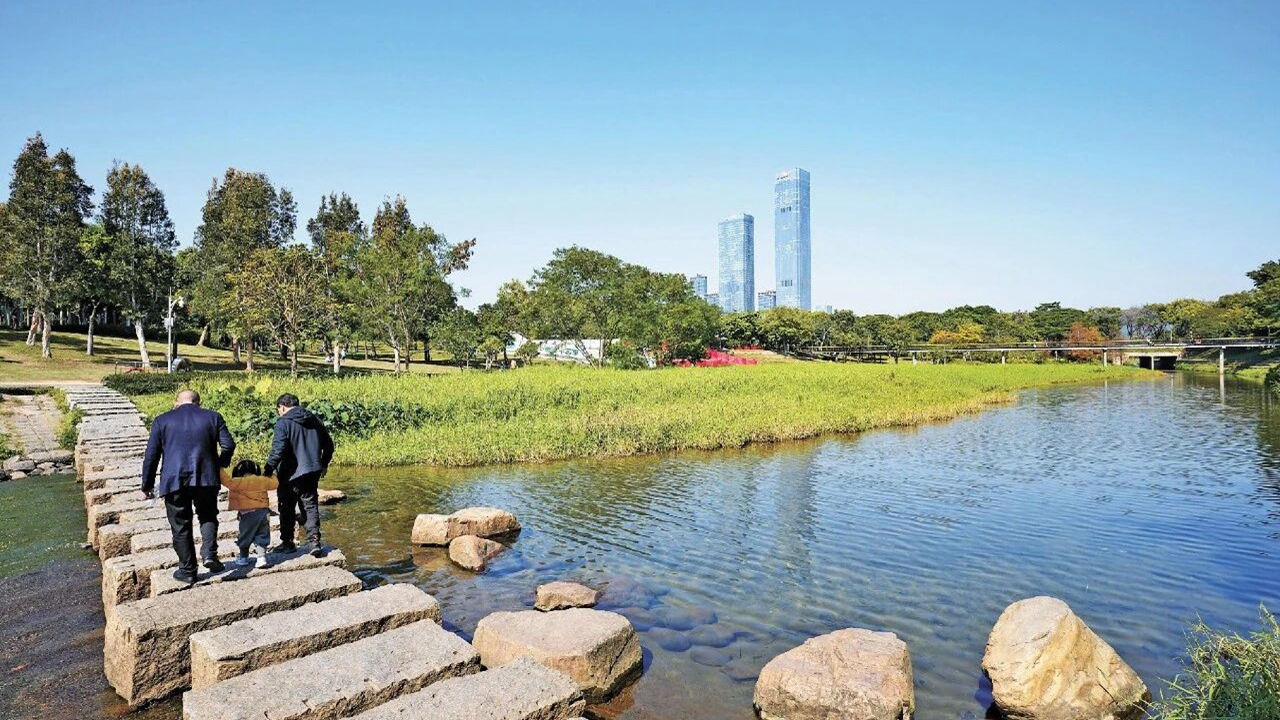
People cross a stepping-stone path over the Futian River in Shenzhen. Improved water quality and expanded riverside green spaces have made the urban waterway a popular destination for recreation. Lu Ying
Water quality remained another environmental highlight. Shenzhen said all monitored centralized drinking water sources met national quality standards in 2025.
Water quality at all national and provincial assessment sections remained at excellent levels for a third consecutive year. The proportion of the city's 310 rivers classified as having good water quality rose from 82.8% to 90.1%, while total phosphorus concentration at the Shenzhen River estuary fell 6.2% from a year earlier to the lowest level since monitoring began.
Authorities also upgraded wastewater infrastructure by rehabilitating 297 sewage discharge outlets, constructing or renovating 110.8 kilometers of sewer pipelines and adding treatment capacity of 750,000 tons per day.
Along the coast, seawater quality in Shenzhen's eastern nearshore waters was rated "excellent," according to the report.
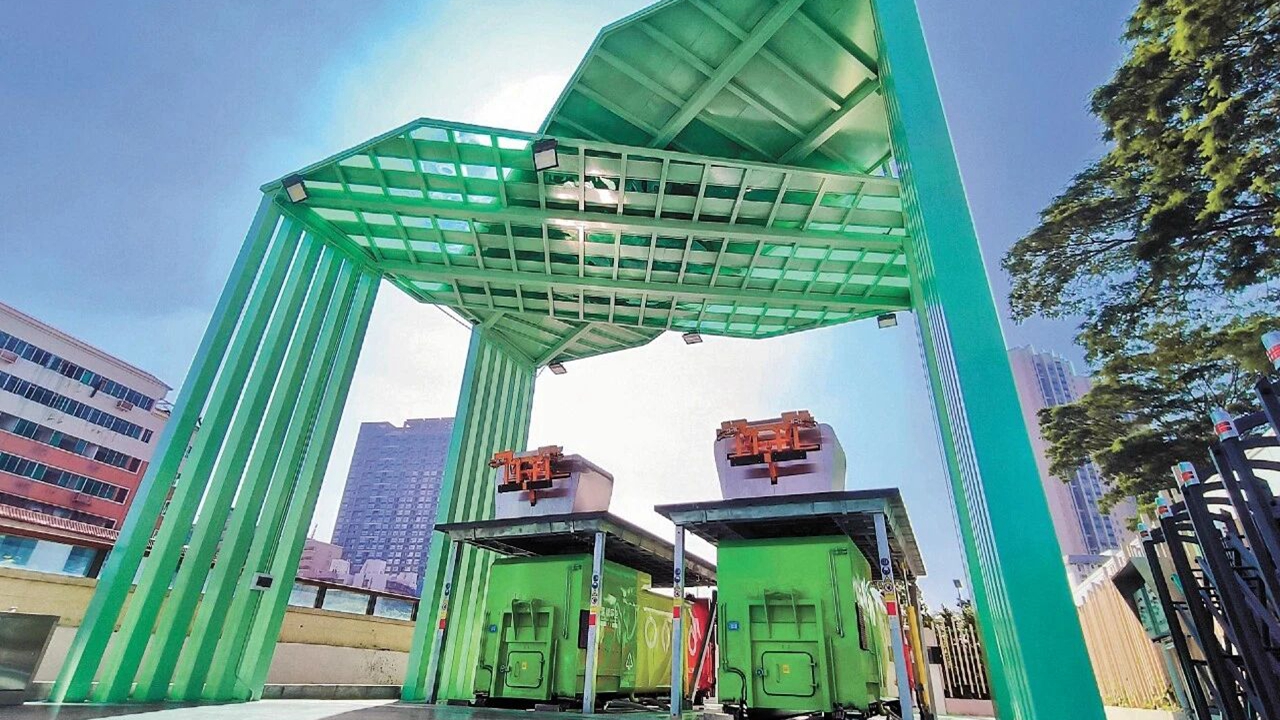
An intelligent underground waste collection station is pictured in Luohu District. The automated facility is designed to improve waste collection efficiency while reducing odors and minimizing the visual impact of above-ground garbage bins. Shenzhen Special Zone Daily
The city also expanded its waste management capacity. Daily solid waste treatment capability increased to 351,000 tons, while annual recycling of renewable resources rose by 114,000 tons to 4.13 million tons. Shenzhen collected 9.07 million tons of household waste during the year, with food waste and other municipal waste either recycled or incinerated for energy recovery.
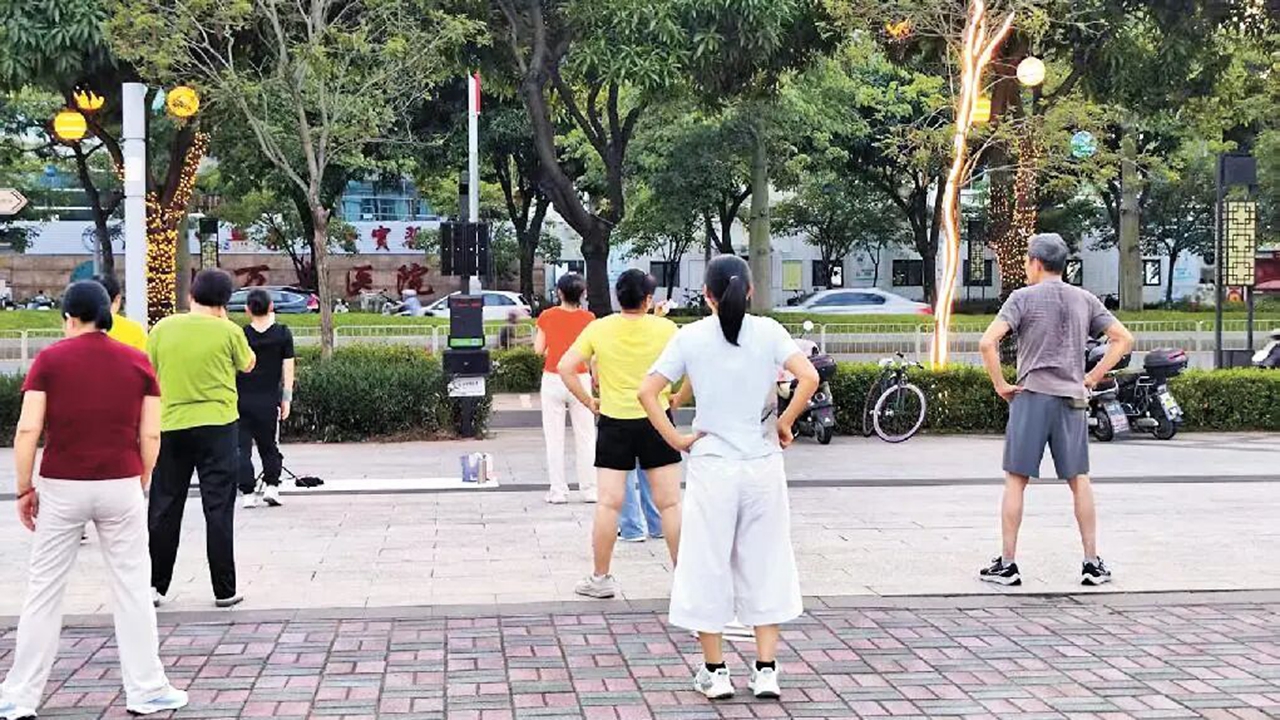
Residents take part in a square dancing session at Shaqi Community in Xinqiao Subdistrict, Bao'an District. The community has installed directional speakers to help reduce noise from public dancing while minimizing the impact on nearby residents. Bao'an Daily
To improve urban livability, Shenzhen continued its "Quiet City" program, establishing 10 low-noise residential communities benefiting around 8,000 households. The city upgraded directional public-address systems at 50 schools and installed more than 900 directional speakers across Shenzhen to reduce noise pollution.