
 Share
Share


 Print
PrintPenguin Island
From: Original
On the coast of Shenzhen’s Qianhai Bay, a miniature city built from scratch is taking shape. Tencent’s new headquarters campus, with a planned total floor area exceeding 3 million square meters, began trial operations in October 2025.
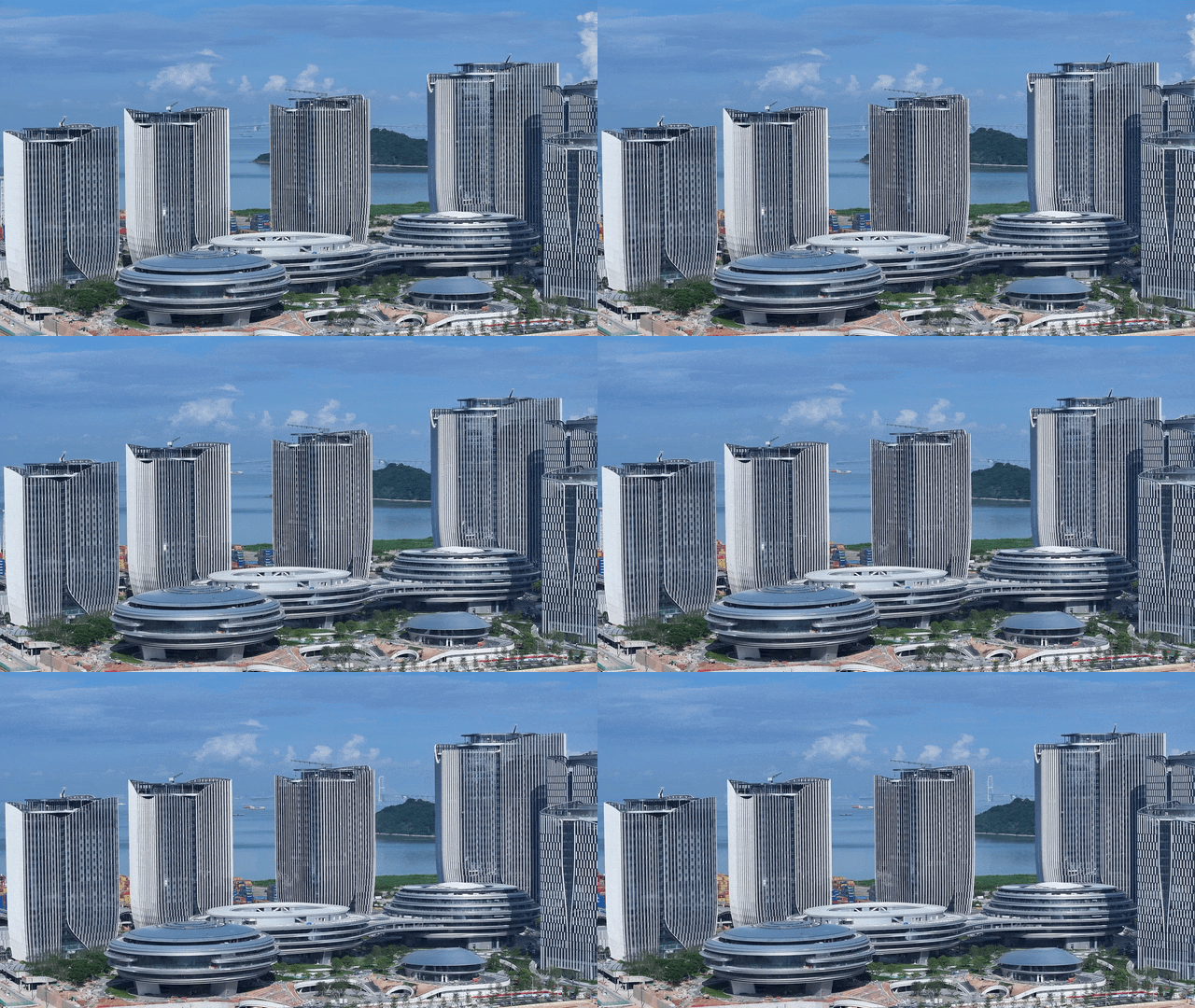
Tencent's new campus is taking shape on the coast of Qianhai Bay. Image from Tencent
Built on 809,000 square meters of reclaimed land, the campus is divided into five blocks from south to north, featuring office buildings, youth apartments, schools, and parks. As the first two blocks begin trial operations this year, a brand new way of working and living is unfolding.
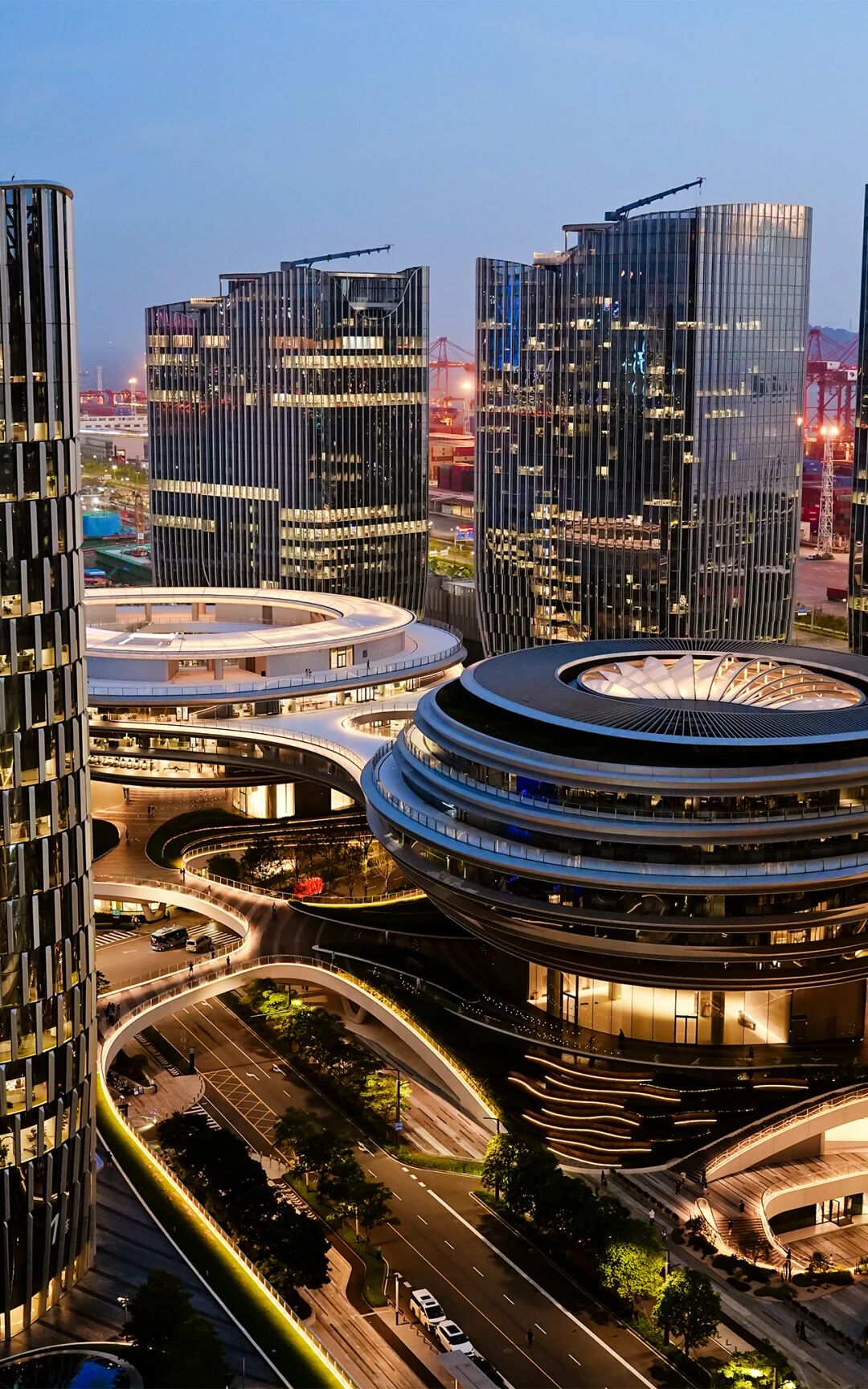
Tencent's new campus at dusk. Photos by Shenzhen Look unless otherwise stated
With 30% of construction complete, around 14,000 employees have already moved in, and the number is expected to double by the end of next month. When the second phase is completed, the campus will accommodate over 80,000 people working and living simultaneously, with public spaces open to all.
Offices in the garden
The most iconic structure in the mini-city is the Cloud Towers designed by Ma Yansong’s MAD Architects, located in Block 04. Housing conference and exhibition halls and offices, the three towers at the center of the campus literally float above the ground, with open first floors allowing sea breezes, pedestrians, and light to pass through. The southernmost tower will host product launches, exhibitions, conferences, and exchange events in the future.
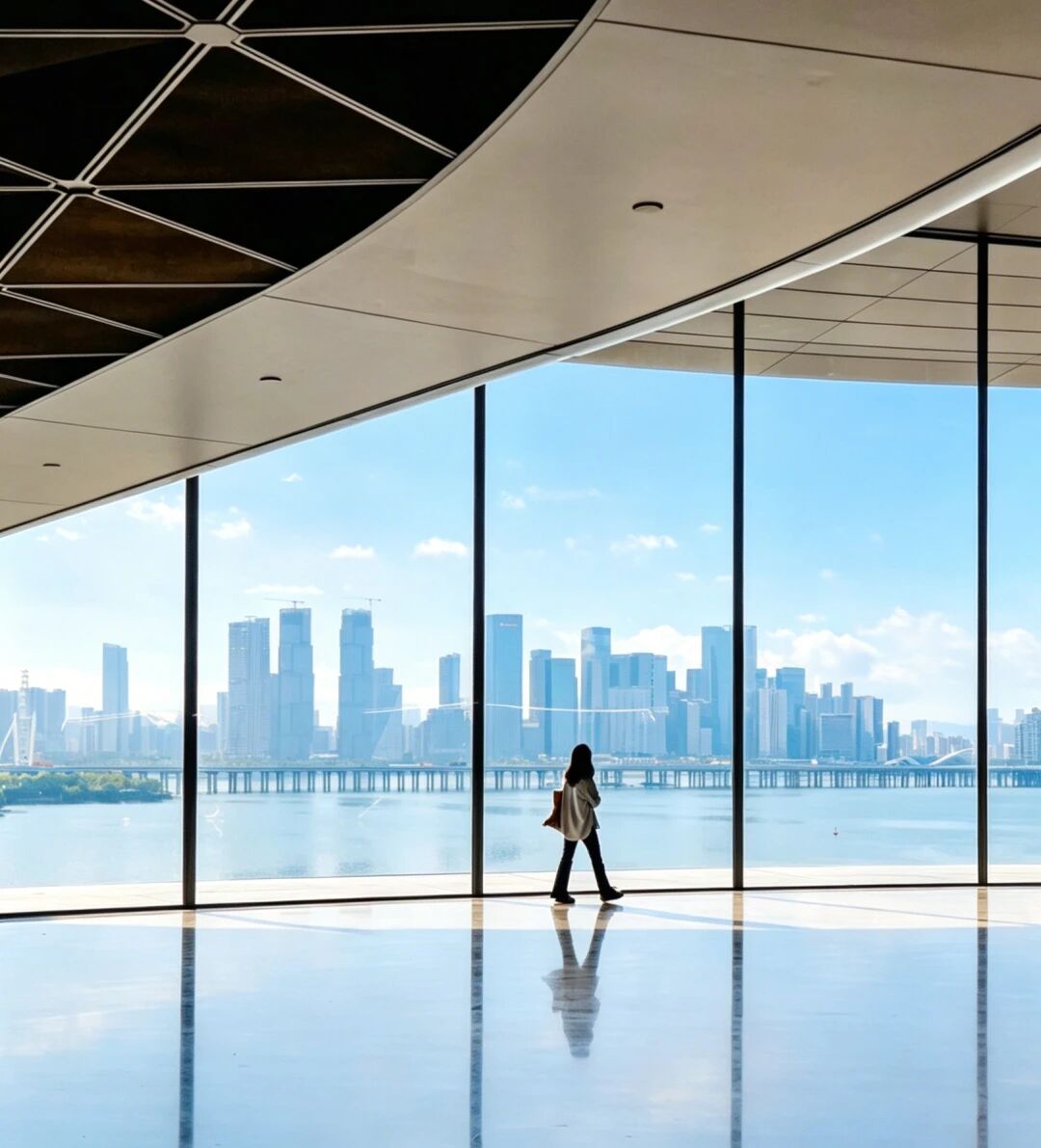
The office buildings offer a breathtaking sea view.
Six tall office buildings, each taller than the one in front, unfold along the coastline, forming a layered coastal skyline and allowing unobstructed sea views for employees.
Wang Ji, an architect at Tencent’s infrastructure department, explained that about 80% of the workstations in each office building offer a direct sea view by the windows. Even the break rooms are arranged to face the coastline as much as possible.
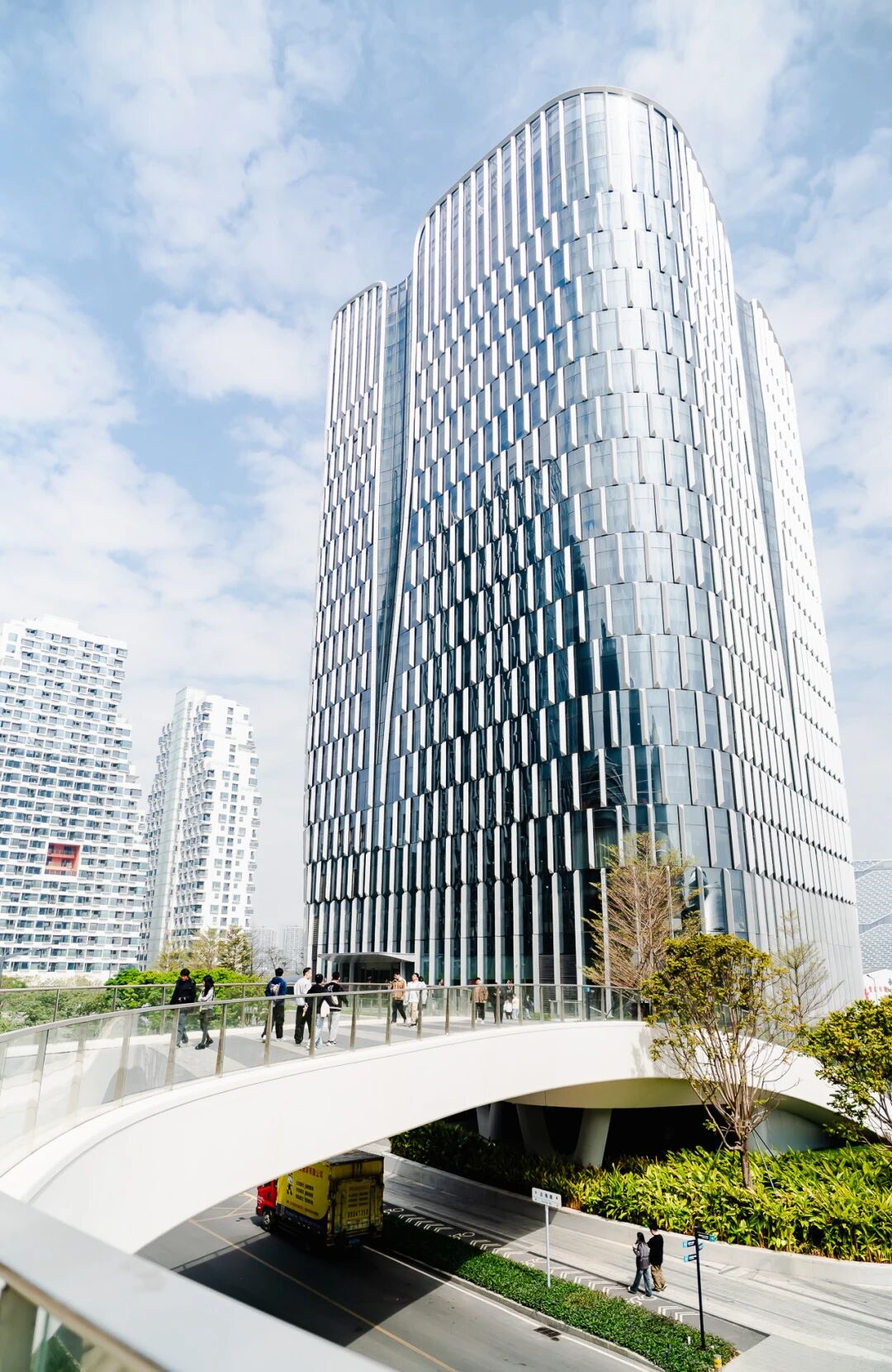
Block 04 is an office area in the garden.
“We hope most employees can look up from their work and enjoy the sea view, because it feels so good,” he said.
A cozy community
If Block 04 is an interconnected garden-style workplace, Block 05 is more like a living community. Here you will find Penguin Apartments, two schools, a cultural and sports center, a commercial street, and a health clinic.
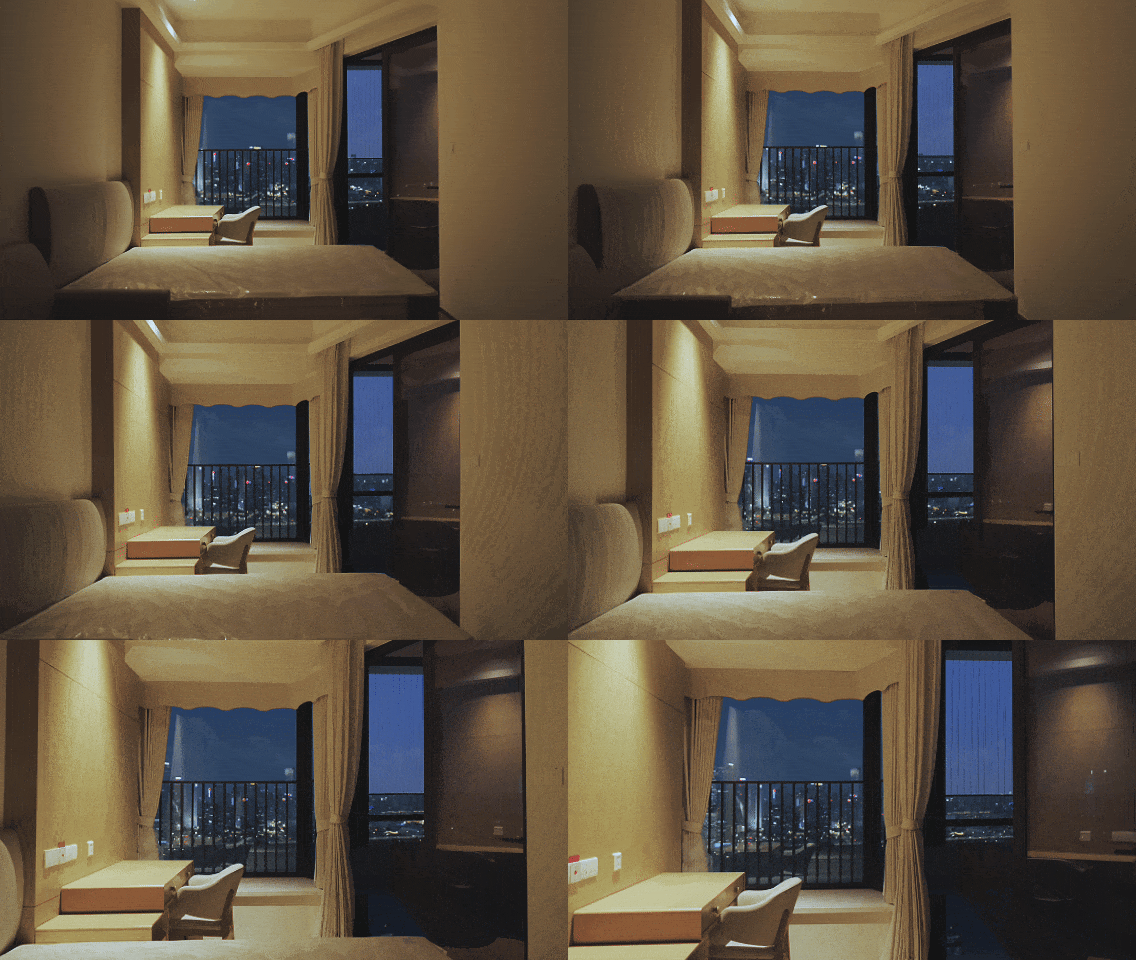
The standard apartment room. Image from Tencent
The 11 Penguin Apartment buildings use a staggered “terraced” layout to allow sea views for as many residents as possible. In fact, about 90% of the rooms have windows facing the sea. The standard apartment unit, about 41 square meters, is equipped with a refrigerator, washing machine, bedding, and a sofa.
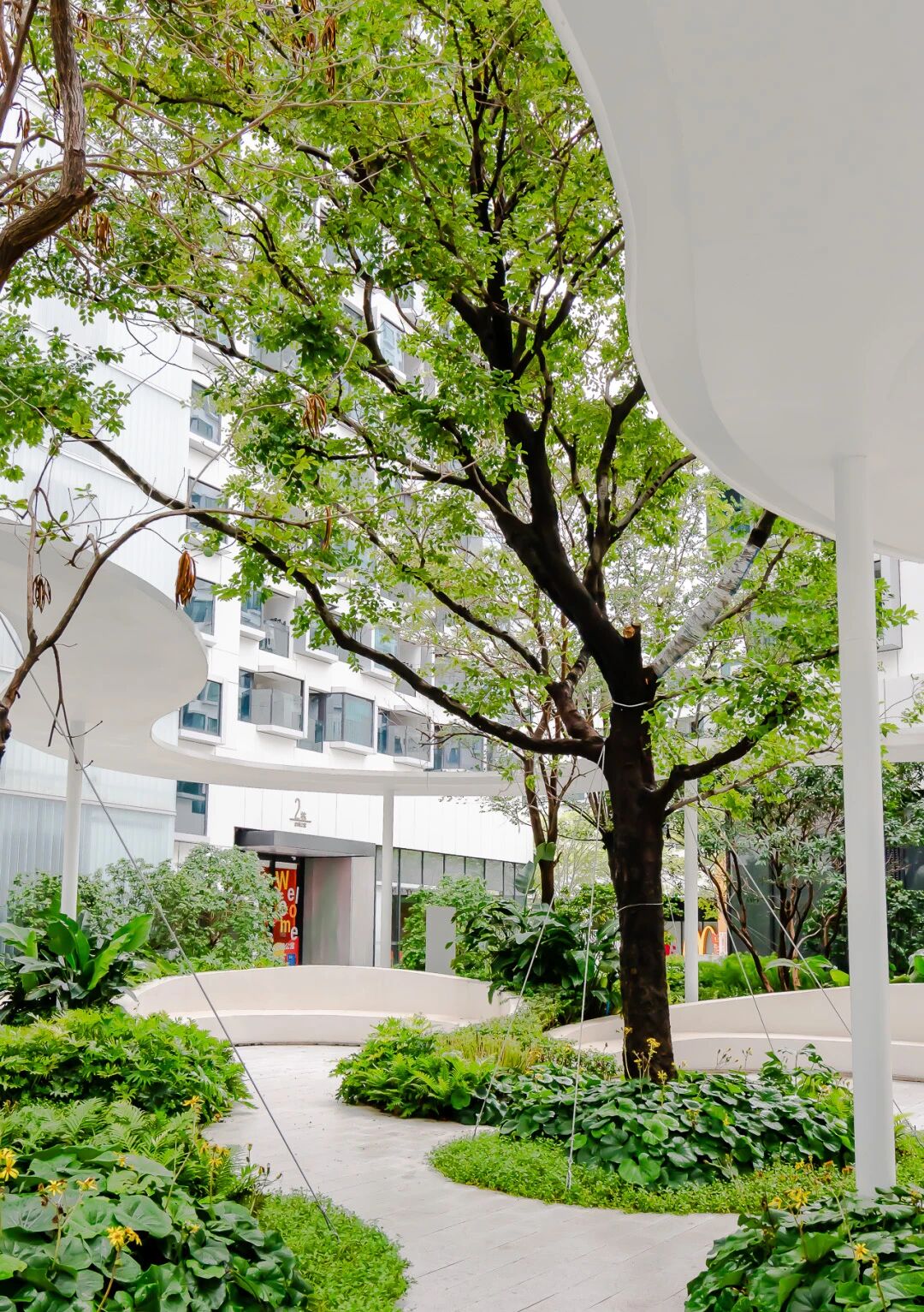
A lush courtyard is downstair the apartments.
The community also includes shared kitchens, a gym, and central courtyards, with more sports facilities and parks nearby. Employees who have graduated within the last three years and do not own a home in Shenzhen enjoy priority to move in.
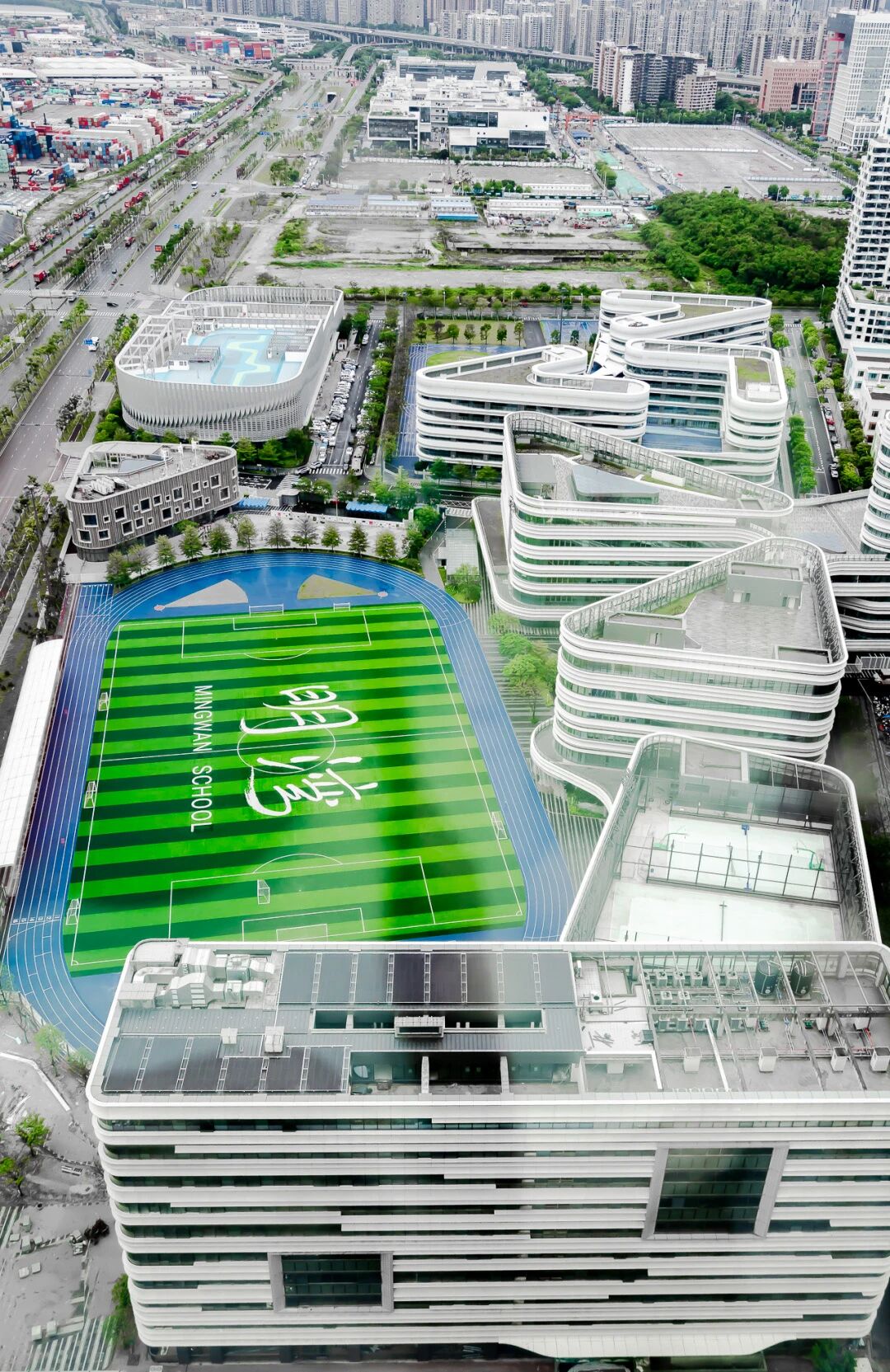
An aerial view of Mingwan School.
Mingwan School is a K-15 bilingual school, covering kindergarten through high school with a flexible curriculum, while Qianwan School is a public nine-year school.
A futuristic campus
Visitors will immediately feel futuristic vibes, as smart systems come into sight at every step. The campus currently operates two autonomous minibus routes: one connecting Bao’an Center Metro Station, and another linking to surrounding parking lots.
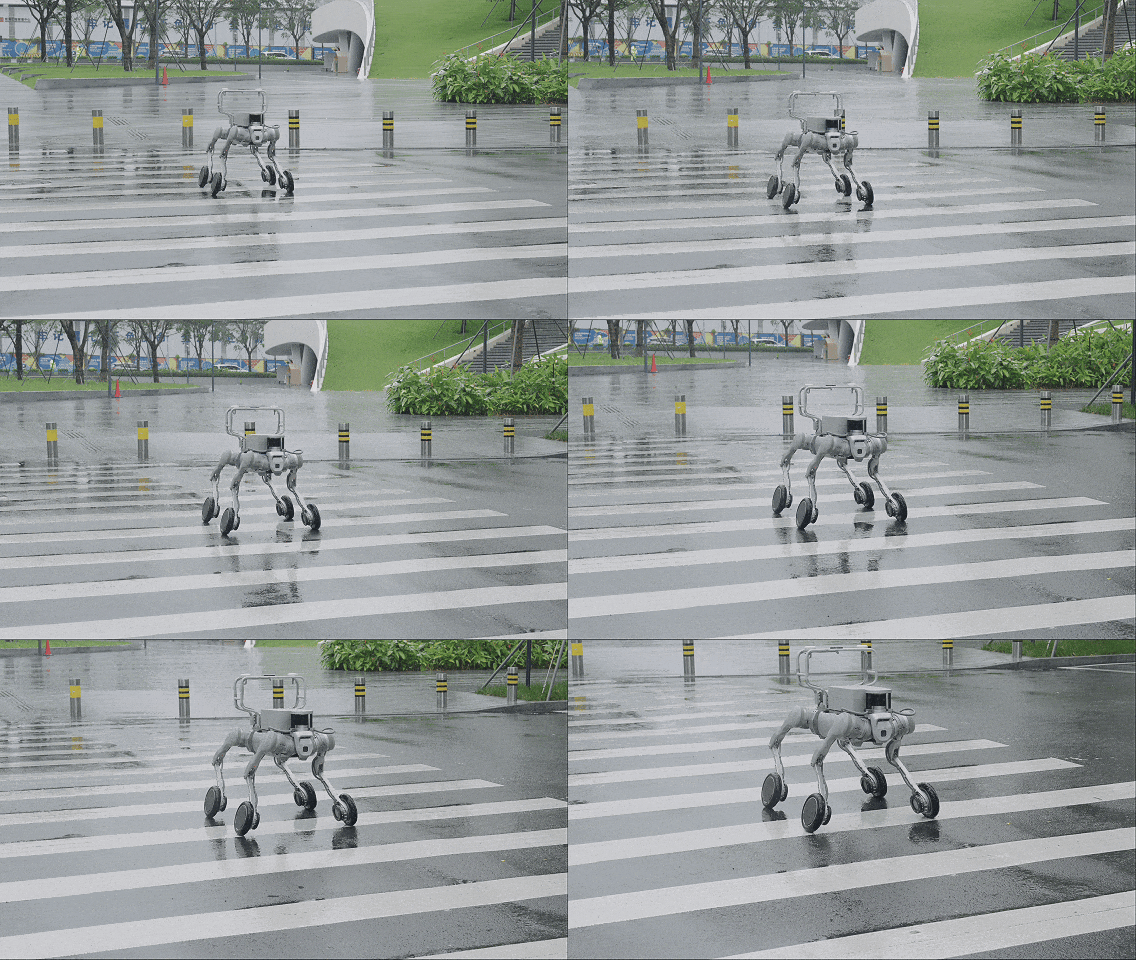
A robotic dog on patrol. Image from Tencent
Li Jiangtao, Tencent’s autonomous driving project manager, revealed that more smart-driving shuttles are planned for transport within the campus and between buildings.
Patrol robots and cleaning robots make their rounds regularly. A four-legged robotic dog, with hardware from Unitree and powered by Tencent’s self-developed Tairos embodied AI large model, can identify problems that need fixing. It will then report fallen trees, overflowing trash bins, a person collapsing or other emergencies to the security system.
Long Yueyu, product manager at Tencent Robotics X, explained that the robots can “operate around the clock and reach blind spots.”
The larger goal is to build an integrated digital system for the campus. In the future, seven types of robots, responsible for security, delivery, maintenance, and transportation, will be connected to the same platform for coordinated dispatch. For instance, if the robotic dog detects someone falling, it will call on other robots to deliver a first-aid kit.
Tencent has already partnered with robotics companies such as Unitree, Zhongqing, and Leju. The campus will be opened up to various embodied robotics companies for real-world scenario training, technical validation, and product iteration.
A green life
In addition to being smart, the campus also highlights low-carbon designs. Photovoltaic benches store solar energy in built-in batteries, allowing people to charge their phones while resting. Photovoltaic parking canopies charge the electric vehicles parked beneath them. To make use of the sea breezes, the campus has fitted micro-wind turbines on building facades, rooftops, and along the coastal boardwalk.
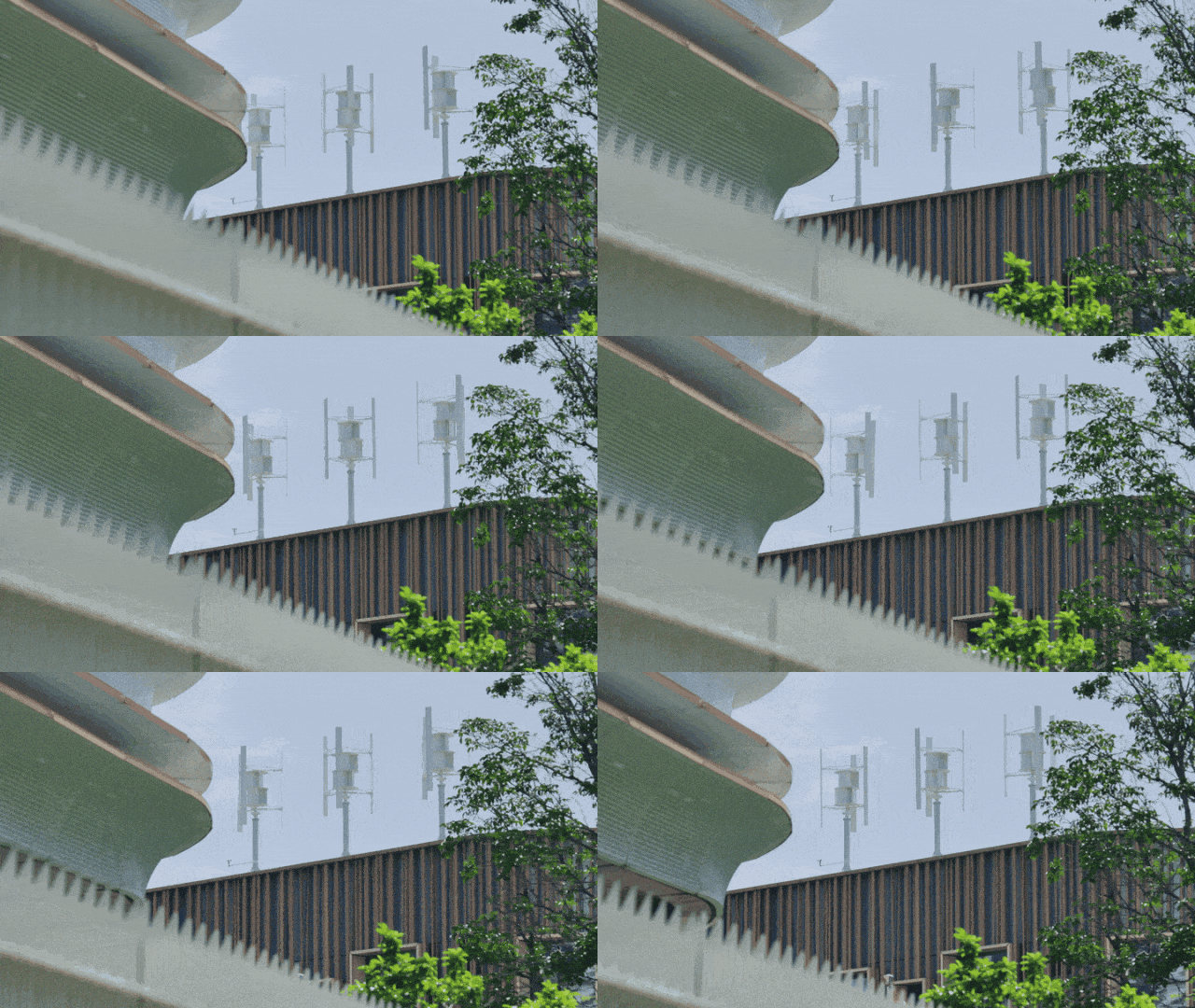
Wind turbines are fitted to make use of the sea breezes. Image from Tencent
The campus also takes care of the creatures that share nature with us. Along the coast, dual-spectrum thermal imaging pan-tilt cameras, time-lapse cameras, and ecological monitoring systems have been installed to observe birds, fiddler crabs, mudskippers, and the growth of mangrove trees.
So far, 107 bird species have been sighted. Many glass surfaces on campus are dotted with small white spots — bird collision deterrent stickers that help prevent birds from flying into the glass.