
 Share
Share


 Print
PrintShenzhen fostering a vibrant cultural industry ecology
Writer: Li Dan | Editor: Lin Qiuying | From: Shenzhen Daily | Updated: 2026-05-25
Shenzhen-produced word-of-mouth hit “Dear You” crossed the 1-billion-yuan (US$146 million) mark at the box office as of this morning, according to ticketing platform Maoyan. This marks a major milestone for the low-budget, Teochew-dialect film featuring a largely unknown cast.
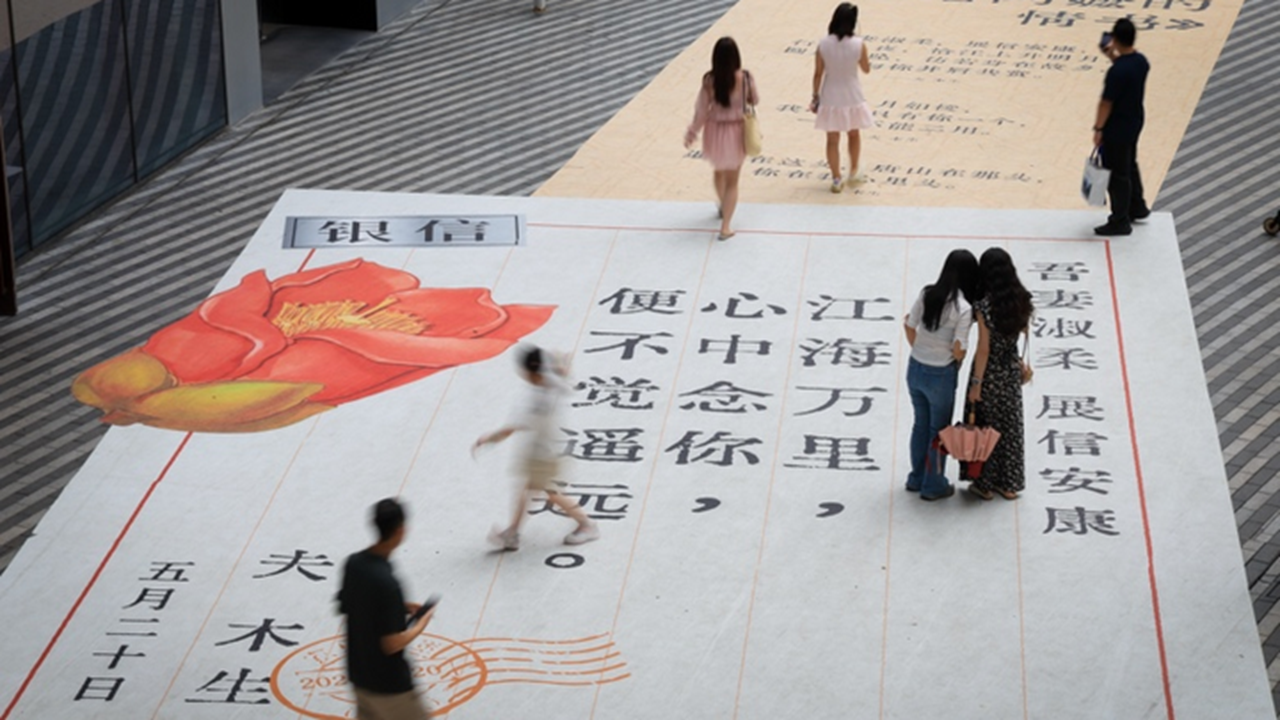 Pedestrians walk past a block in Shenzhen where letters from "Dear You" are projected onto the pavement. Photos by Xinhua
The film centers on Grandma Ye Shurou, a woman from the Chaoshan region whose quiet twilight years are upended when her debt-ridden grandson, Xiaowei, travels to Thailand to find his rumored billionaire grandfather, Zheng Musheng. The search uncovers a hidden story of friendship and commitment spanning half a century, revealing that the person Grandma had been exchanging letters with for decades was a complete stranger.
The third installment of director Lan Hongchun’s Chaoshan Trilogy, the film has plucked the heartstrings of millions of Chinese moviegoers.

A scene from Shenzhen-produced dance drama "Wing Chun."
Shenzhen’s Publicity and Culture Development Fund has sponsored Lan’s creations from the start. Behind his success lies an ecosystem for nurturing low-budget films and a mechanism for cultivating young creative talent.
“The city’s supportive policies have allowed me to focus on refining my work,” Lan said, noting that the financial support made it unnecessary for him to seek quick success.
Shenzhen has built a low-budget film support system that covers every stage of production, from scriptwriting and project pitching to shooting, post-production, and submission to authorities for review.
“Shenzhen is a fertile ground for artistic creation, as policymakers always treat fostering creativity as the lifeline of cultural products,” said Li Yawei, chairwoman of the Shenzhen Film and Television Artists Association. She attributed the continuous emergence of original works in Shenzhen in recent years to the “tropical rainforest-style” cultural ecosystem the city has fostered for the film and television industry.
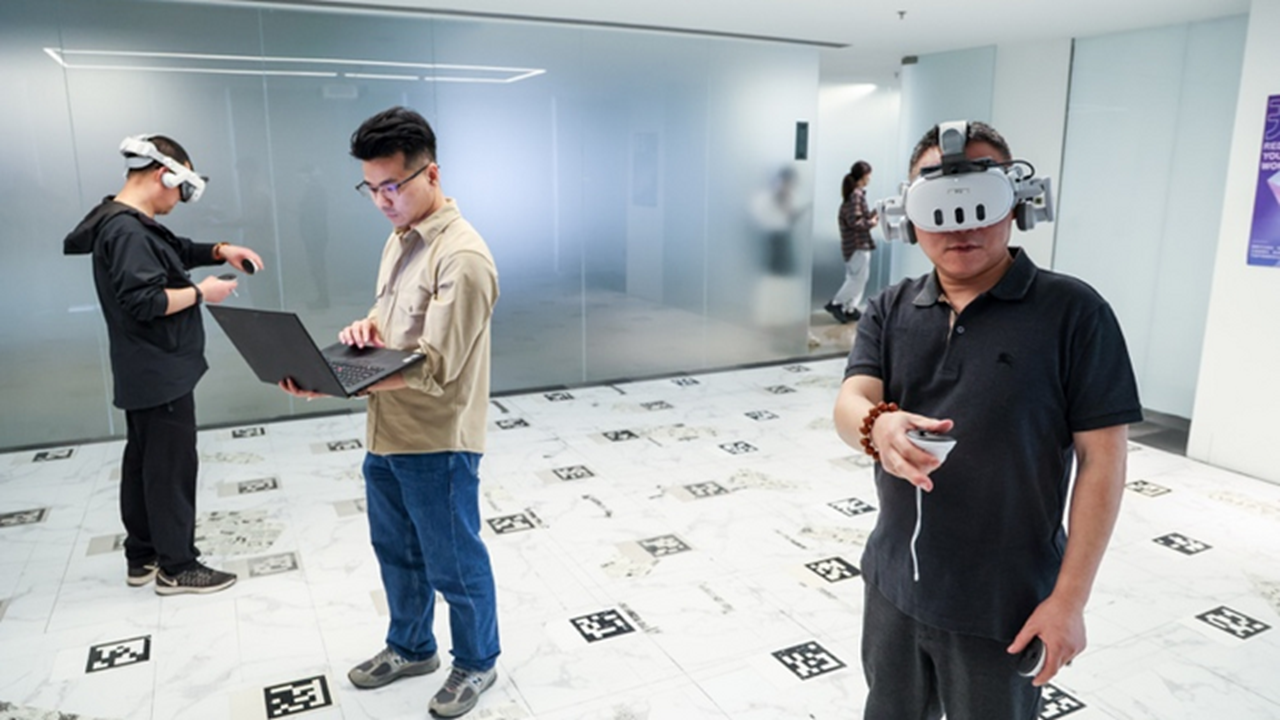
Staffers test VR devices at Nanshan-based Yuanxiang Technology (XVerse).
Statistics show that since 2019, more than 20 films have been successfully released in cinemas with support from the Shenzhen government. An industry insider noted that many young people passionate about film are working in the low-budget film sector. While their films may lack big budgets and major stars that can generate huge online traffic, these young talents are committed to making good films and telling authentic stories that resonate with the public.
Shenzhen’s thriving cultural industry, among the top in Chinese cities, has previously produced hits like the dance drama “Wing Chun,” which toured Singapore, London, Paris, Moscow, and Toronto, and received rave reviews from critics and audiences alike. The city is also a leader in micro-dramas, a popular form of entertainment today. According to the DataEye Drama Tracker report, Shenzhen ranks second nationwide in micro-drama exports.
Recently released data shows that in 2025, Shenzhen had 3,904 registered cultural industry enterprises, with total revenue exceeding 1.5 trillion yuan, up 16.6% from the previous year.
In recent years, Shenzhen has introduced policies to support the digital creative industry and encourage the creation of original intellectual property.
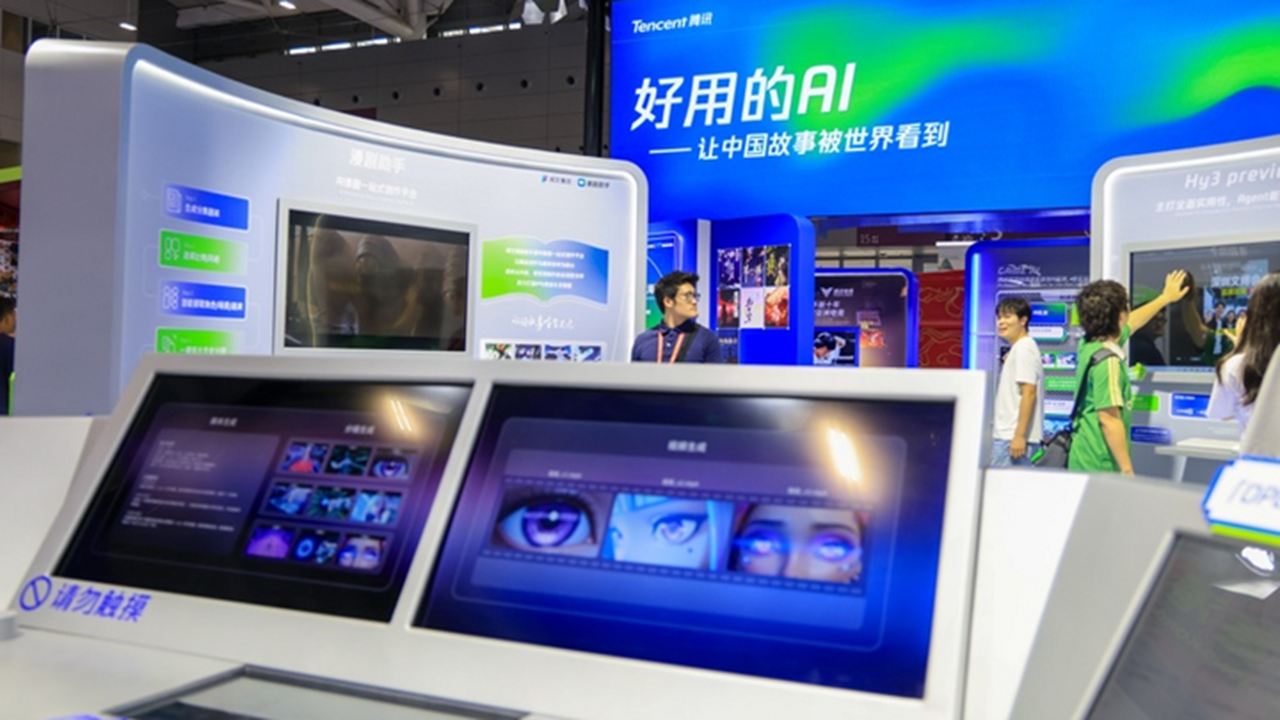
Tencent's booth at the 22nd ICIF held in Bao'an District.
On May 21, the China (Shenzhen) International Cultural Industries Fair (ICIF) opened at the Shenzhen World Exhibition and Convention Center in Bao'an. Over 22 years, the exhibition has expanded from 45,000 square meters at the first session to 160,000 square meters today. Some 65 countries and regions are participating in the current fair, with over 120,000 cultural products on display.
Professor Wu Guanping from the Beijing Film Academy believes that Shenzhen has achieved excellence in its cultural production, which has benefited from its leading strength in science and technological innovation. The city’s digital technology, AI imaging, and animation production industries provide robust support for its cultural sector.
Li Daoxin, a professor at Peking University’s School of Arts, believes that Shenzhen, as the forefront of reform and opening-up, is becoming a cultural highland, thanks to its thriving cultural ecology.