
 Share
Share


 Print
PrintShenzhen adds 15 newly discovered species in five years
Writer: Song Yingwen | Editor: Lin Qiuying | From: Shenzhen Daily | Updated: 2026-05-25
In the estuary wetlands of Shenzhen’s eastern Dapeng Peninsula, botanist Huang Yi pointed to a fern rising quietly from the grass.
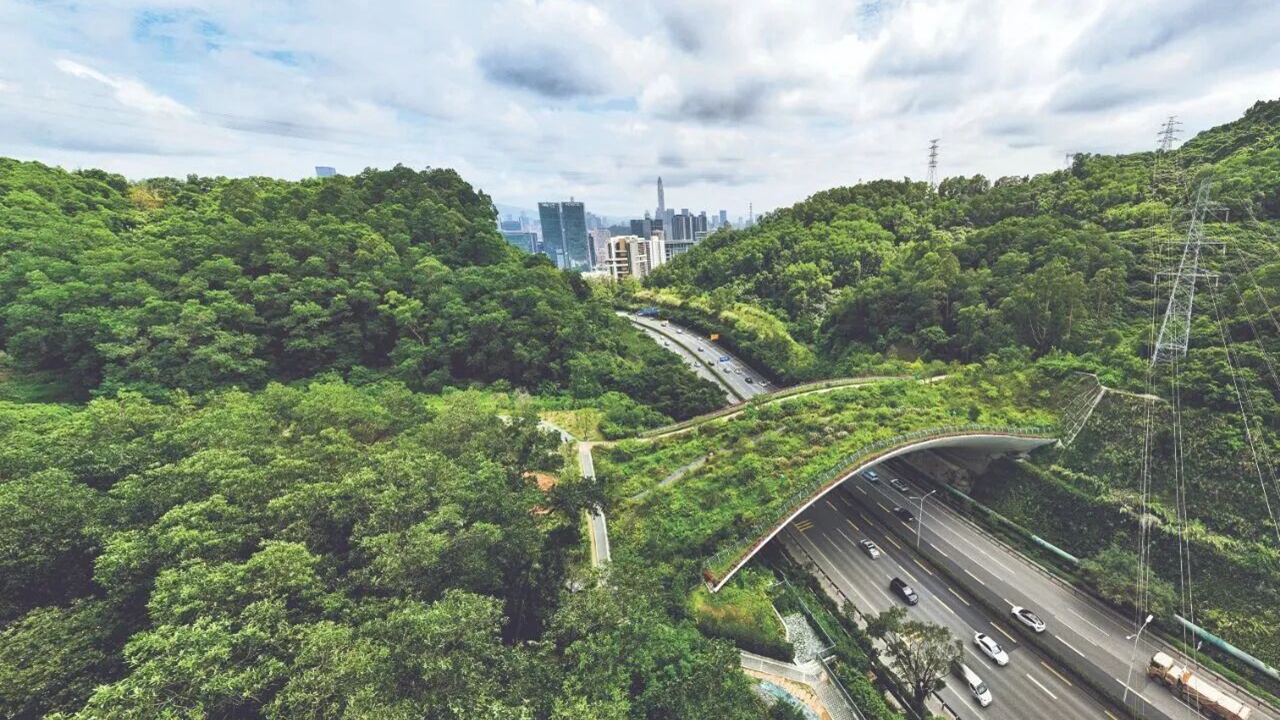
Vehicles pass beneath Shenzhen’s Kunpeng Trail Bridge No. 1, an ecological overpass designed to reconnect fragmented wildlife habitats running above Meiguan Road in Futian District. The bridge is planted with more than 80 species of native vegetation and includes a misting system to regulate temperature and humidity. Lu Ying
“This is the Baguang water fern,” said Huang, a research assistant at the South China Botanical Garden under the Chinese Academy of Sciences. “Its leaves curl inward toward the central vein, which distinguishes it from related species.”
The plant, standing about 30 centimeters tall, was identified as a new species after researchers conducted specimen comparisons, phylogenetic analysis and chromosome observations following a biodiversity survey in 2023.
The findings were officially published last year, and the species was named after Baguang, the coastal area where it was discovered.
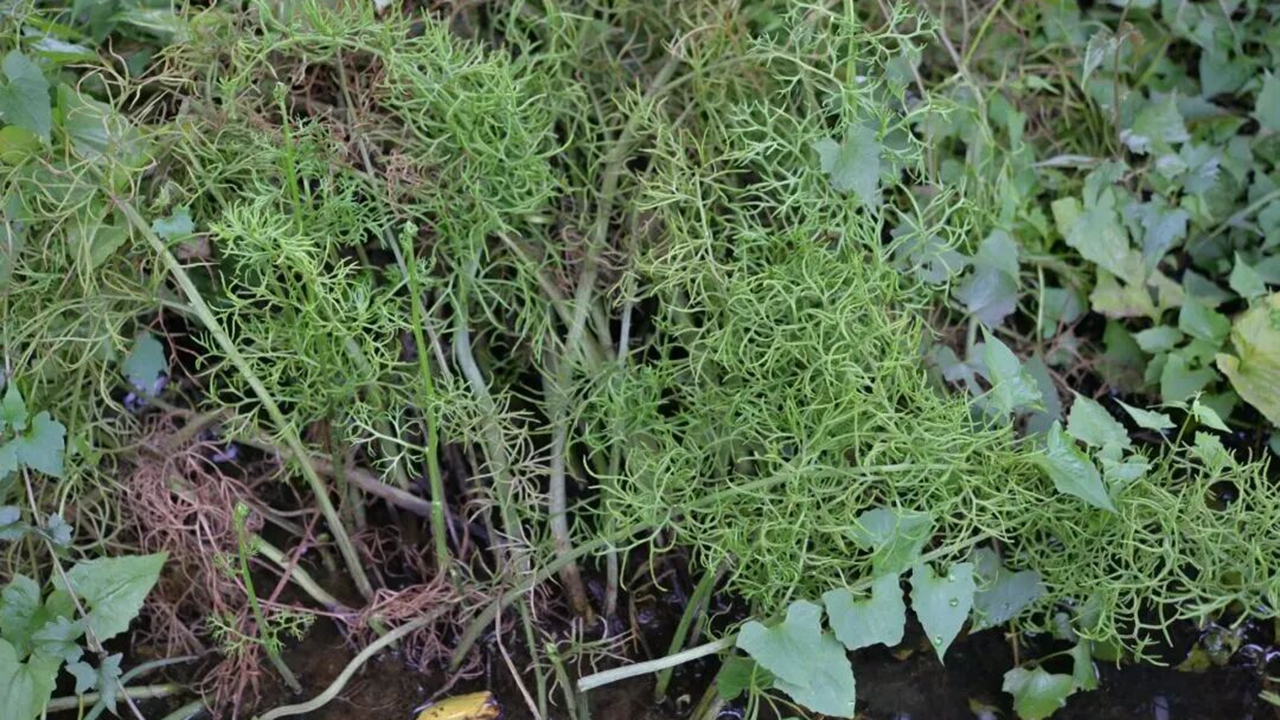
Baguang water ferns grow in a coastal wetland in Dapeng New Area. The newly identified species was officially published in 2025 and named after the area where it was discovered. Wang Faguo
The fern is one of 15 species newly identified in Shenzhen between 2021 and 2025, according to the city’s newly released biodiversity white paper published today, the International Day for Biological Diversity.
The discoveries have brought the total number of plants and animals named after Shenzhen to 29, reflecting the growing scientific significance of the southern Chinese metropolis better known globally as a technology and manufacturing hub.
Despite covering less than 2,000 square kilometers and supporting an actual managed population of more than 20 million people, Shenzhen has continued to expand its catalog of wildlife and habitats alongside rapid urban development.
By the end of 2025, the city had recorded more than 6,870 species, a sharp increase from five years earlier, according to the white paper. Recorded marine species surged from 658 to 1,703, while terrestrial vertebrate species rose from 585 to 679. Nationally protected wild plant species more than doubled from 16 to 36.
Among the newly published species are the Shenzhen begonia, Shenzhen spider plant, Shenzhen giant-bellied crab and several species of spiders, frogs, fungi and nematodes.
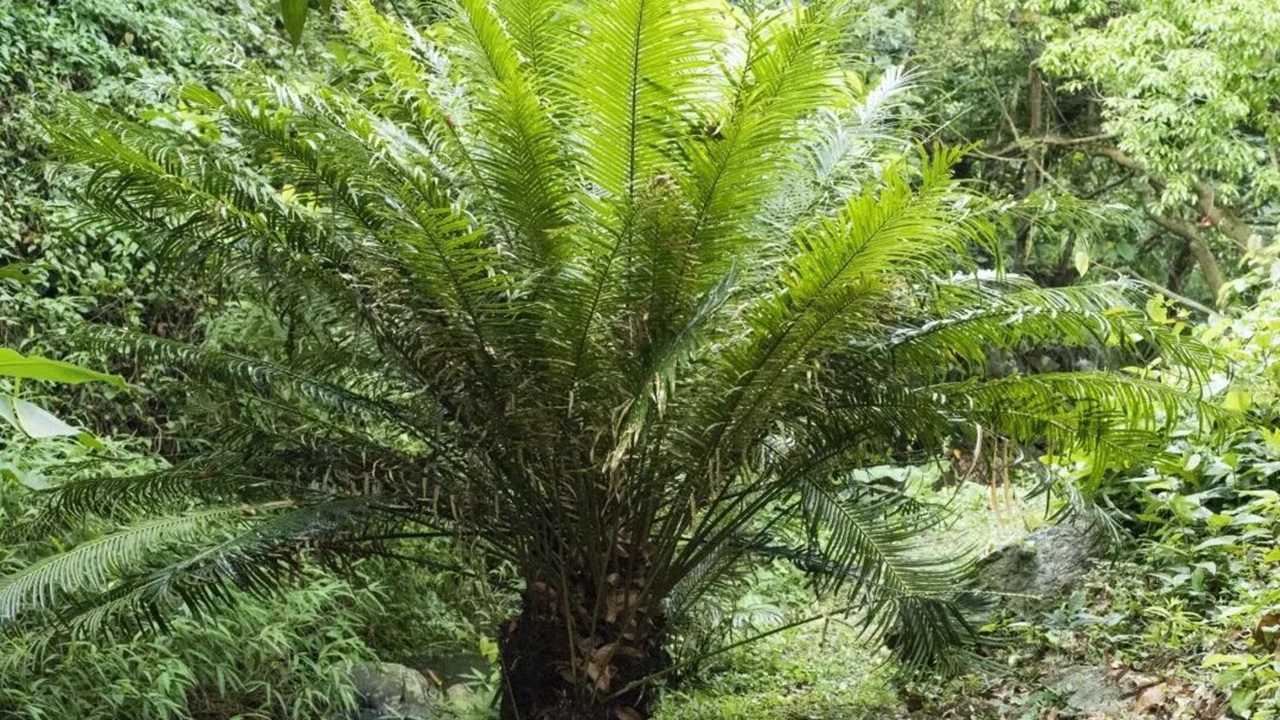
A Xianhu cycad grows at Fairy Lake Botanical Garden in Shenzhen. The nationally protected plant is considered a living fossil with origins dating back millions of years. Tan Yalu
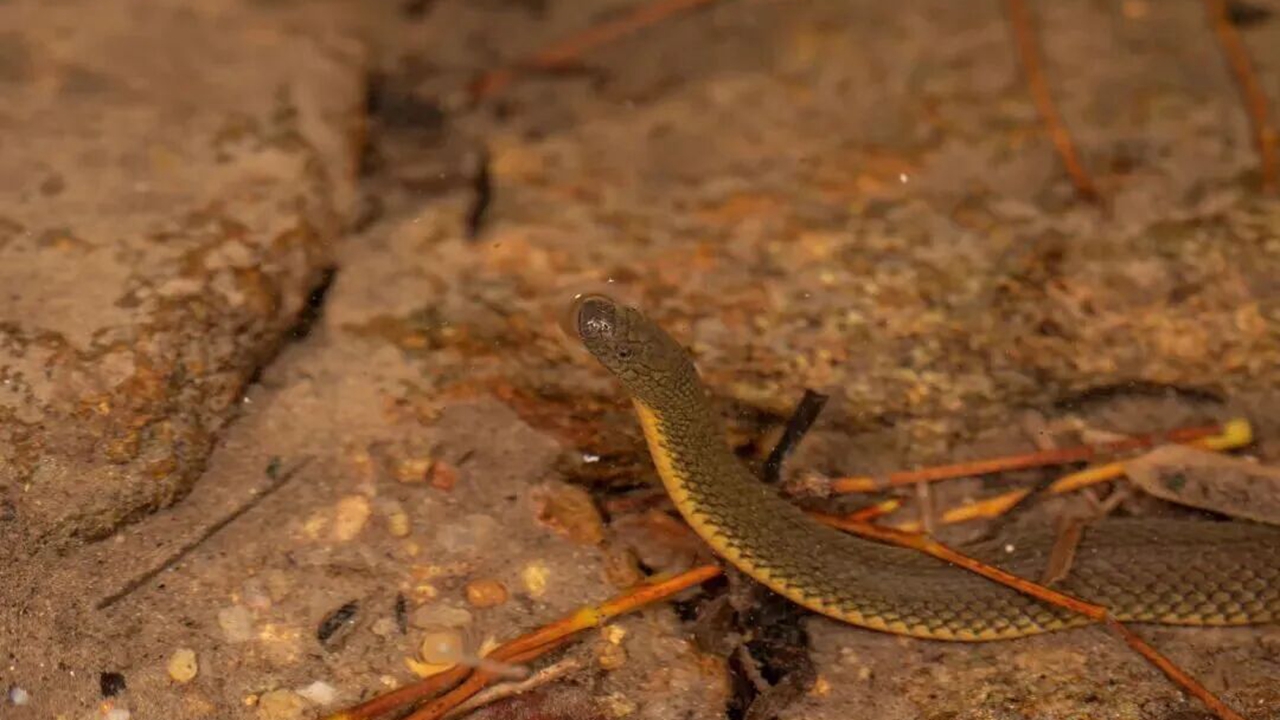
A Shenzhen keelback snake is seen in its natural habitat in Shenzhen. Researchers say the species is endemic to a narrow region in southern China and carries unique genetic value. Huang Yaoliang
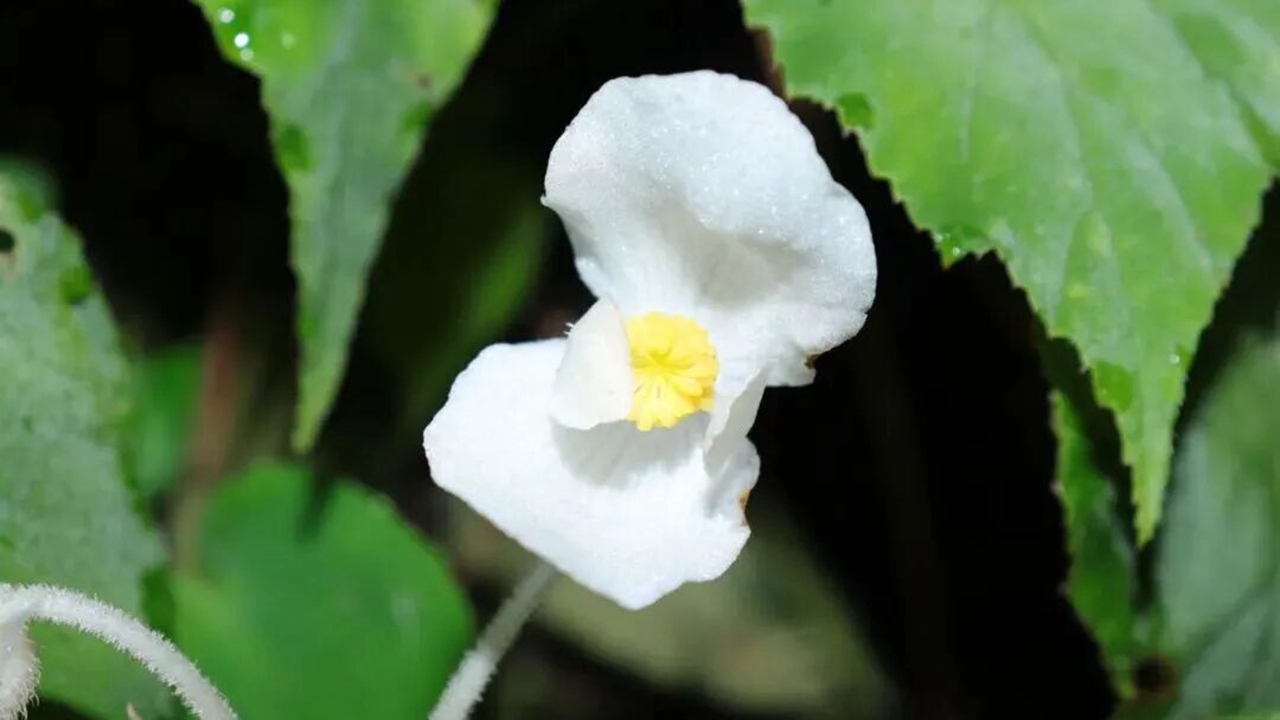
A Shenzhen begonia is pictured in Shenzhen. The plant is among several newly identified species named after the southern Chinese tech hub in recent years. Wang Haowei
Scientists say the rise in “Shenzhen-named” species reflects both intensified ecological surveys and the city’s unusually rich range of habitats, including mountains, rivers, wetlands, forests and coastlines.
“Species are often named after the place where they are first discovered, especially when they have a narrow distribution range,” said Sun Fangfang, a researcher at the Shenzhen Academy of Environmental Sciences. “The increasing number of species named after Shenzhen shows that the city possesses rich and distinctive biodiversity.”
Shenzhen sits at the intersection of tropical and subtropical climate zones in southern China and shares a peninsula ecosystem with neighboring Hong Kong. Researchers say the area’s relative ecological isolation has allowed some species to evolve unique genetic characteristics over time.
Several species, including the Shenzhen keelback snake and the Shenzhen giant-bellied crab, are found only in limited areas around Shenzhen, giving them particular scientific and conservation value, Sun said.
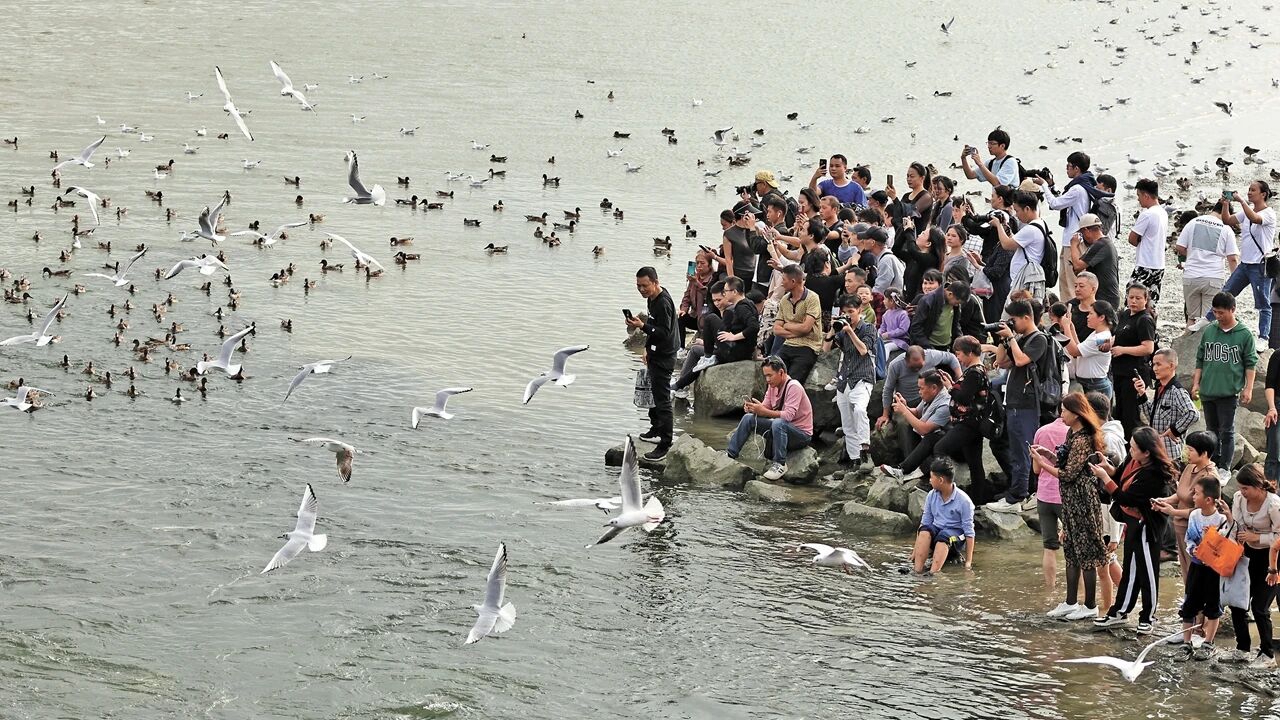
People watch migrant birds during the migratory bird season at Shenzhen Bay Park. Liu Xudong
The city has also seen the return or expansion of several nationally protected and endangered species in recent years. Migratory birds such as the black-faced spoonbill and pied avocet continue to flock to the Shenzhen Bay, part of a major East Asian migratory flyway.
Meanwhile, species rarely seen in previous years — including the Chinese pangolin, small Indian civet and black giant gecko — have established or expanded local populations, according to survey data.
Officials say Shenzhen has established one of China’s first long-term biodiversity monitoring systems for a megacity, conducting citywide ecological surveys every five years and annual assessments in key areas.
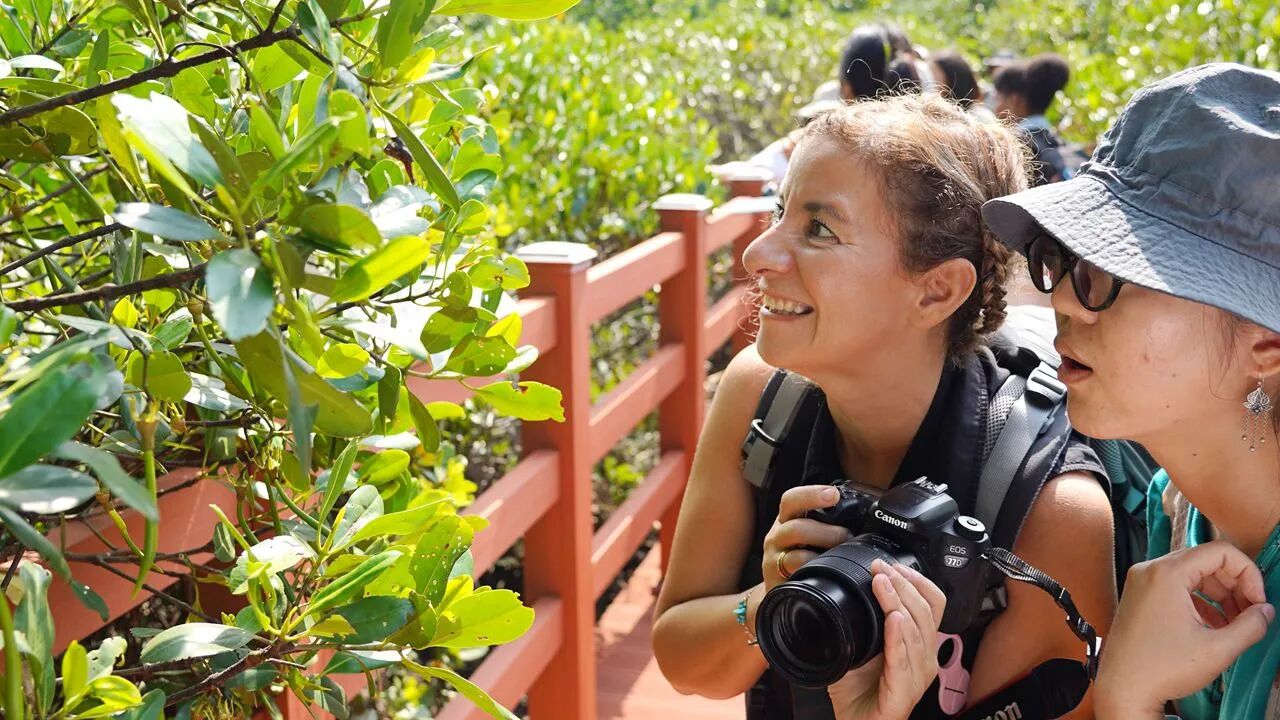
Ana Gouveia (L), an assistant professor of the Institute of Environment and Ecology of Tsinghua Shenzhen International Gratitude School from Portugal, observes a Kandelia obovata tree during a hike at the Baguang Heritiera Wetland Park in Dapeng New Area in October 2024. Lin Songtao
Beyond scientists and government agencies, amateur naturalists and ordinary residents have also played a growing role in species discoveries.
Wang Xiaoyun, an accountant currently working in Uzbekistan who previously lived in Shenzhen, participated in the discovery of several new plant species, including three named after the city.
“Having species named after Shenzhen gives people a sense of pride,” Wang said. “It encourages residents to pay more attention to the plants and wildlife around them, and to explore nature more actively.”
In Baguang’s coastal wetlands, where mangroves and rare ferns grow beside one of China’s fastest-growing cities, Shenzhen’s expanding biological family tree is reshaping assumptions about what biodiversity can look like in a modern megacity.