Share
Share


 Print
PrintA weekend staycation in Shanghai's hidden cultural oasis
Writer: Tang Li | Editor: Cao Zhen | From: Shenzhen Daily | Updated: 2026-05-07
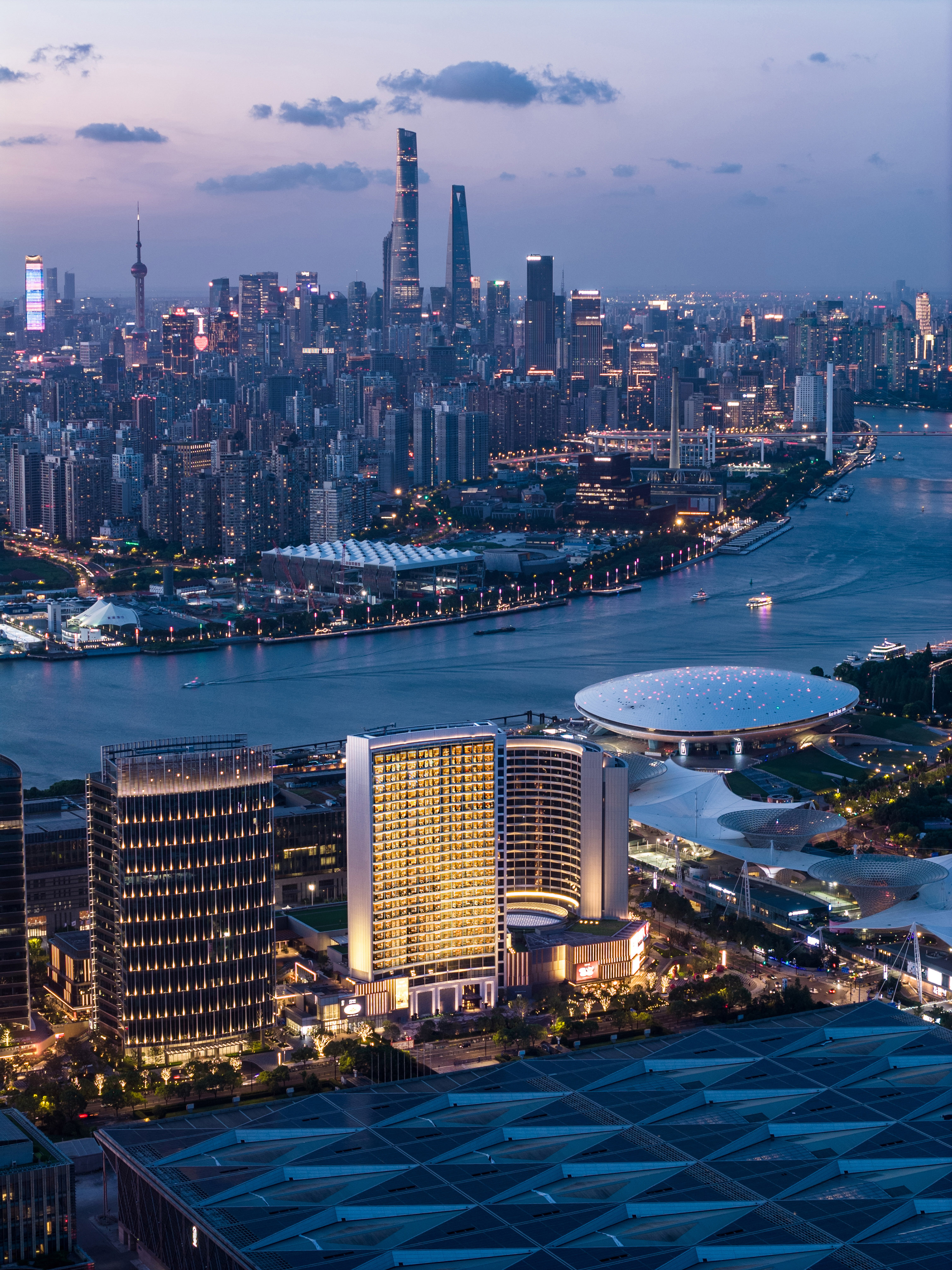
When people think of Shanghai, the Bund’s dazzling skyline and the bustling lanes of the French Concession usually come to mind. But venture just a few kilometers south of Lujiazui’s financial towers, and a different Shanghai awaits — defined not by crowds, but by calm, culture, and nature.
Around the former 2010 Shanghai World Expo site in Pudong, the landscape has been transformed into the Expo Culture Park — a roughly two-square-kilometer riverside sanctuary. Blending cultural landmarks, ecological design, and architectural heritage, it offers an ideal setting for a staycation that feels both restorative and enriching.
Here is a nature + art roaming route for the perfect weekend.
China Art Museum (China Art Palace)
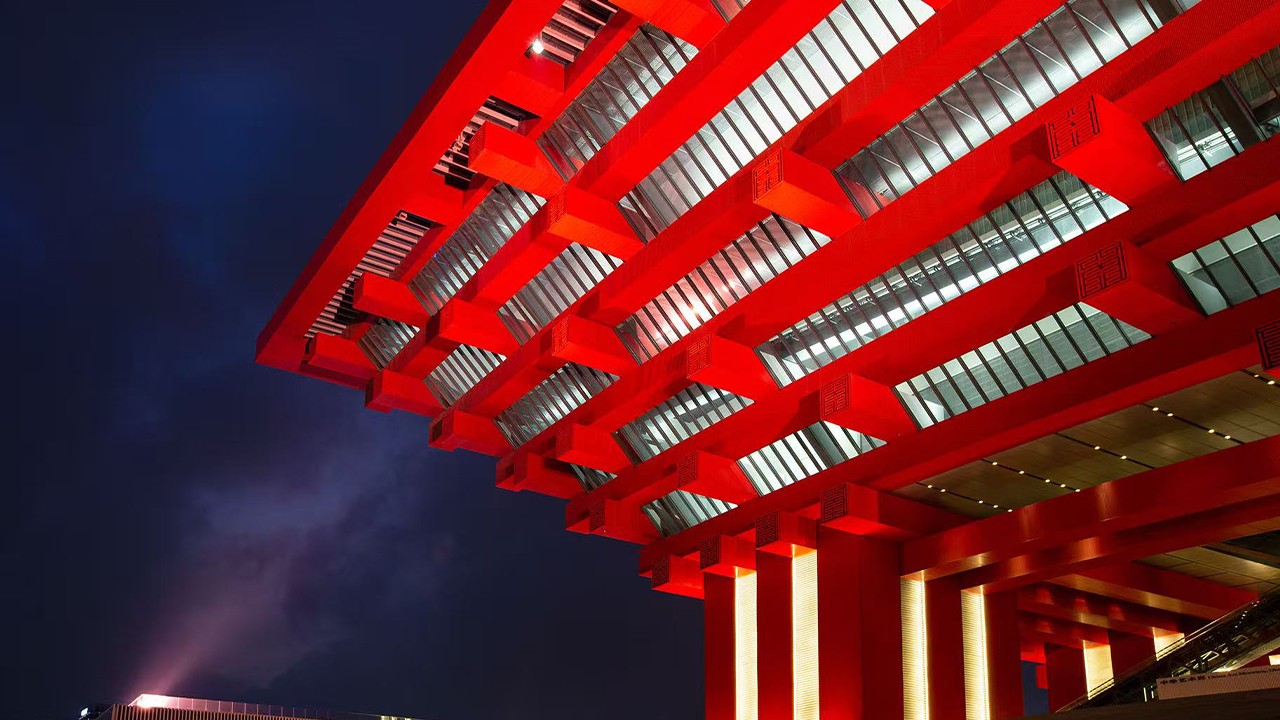
Begin your artistic journey at the China Art Museum, housed in the iconic red “Crown of the East” building — the former China Pavilion of Expo 2010. Known for its layered traditional structural details and grand central axis, the structure itself is an architectural statement.
Inside, the museum is a treasure trove of modern Chinese art. Across multiple floors, the permanent collections feature ink paintings, calligraphy, oil works, and sculptural pieces. Just as impressive is the museum’s atmosphere: spacious galleries and quiet pacing make it an excellent start for a slow-travel weekend.
Tip: Don’t miss the moving top-floor projection of Along the River During the Qingming Festival — a cinematic reinterpretation of a Chinese classic.
Rodin Art Center (Centre d’Art Rodin)
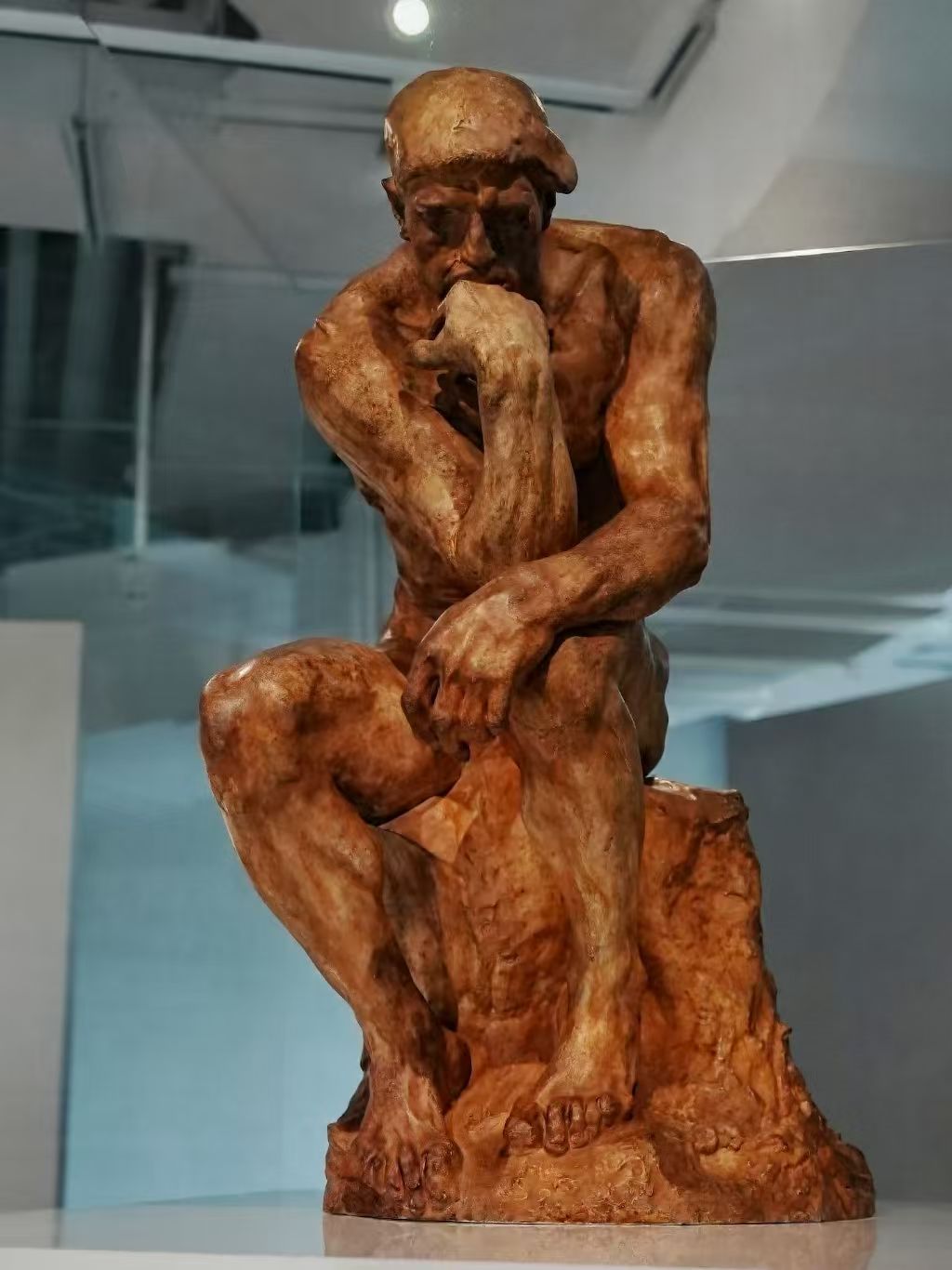
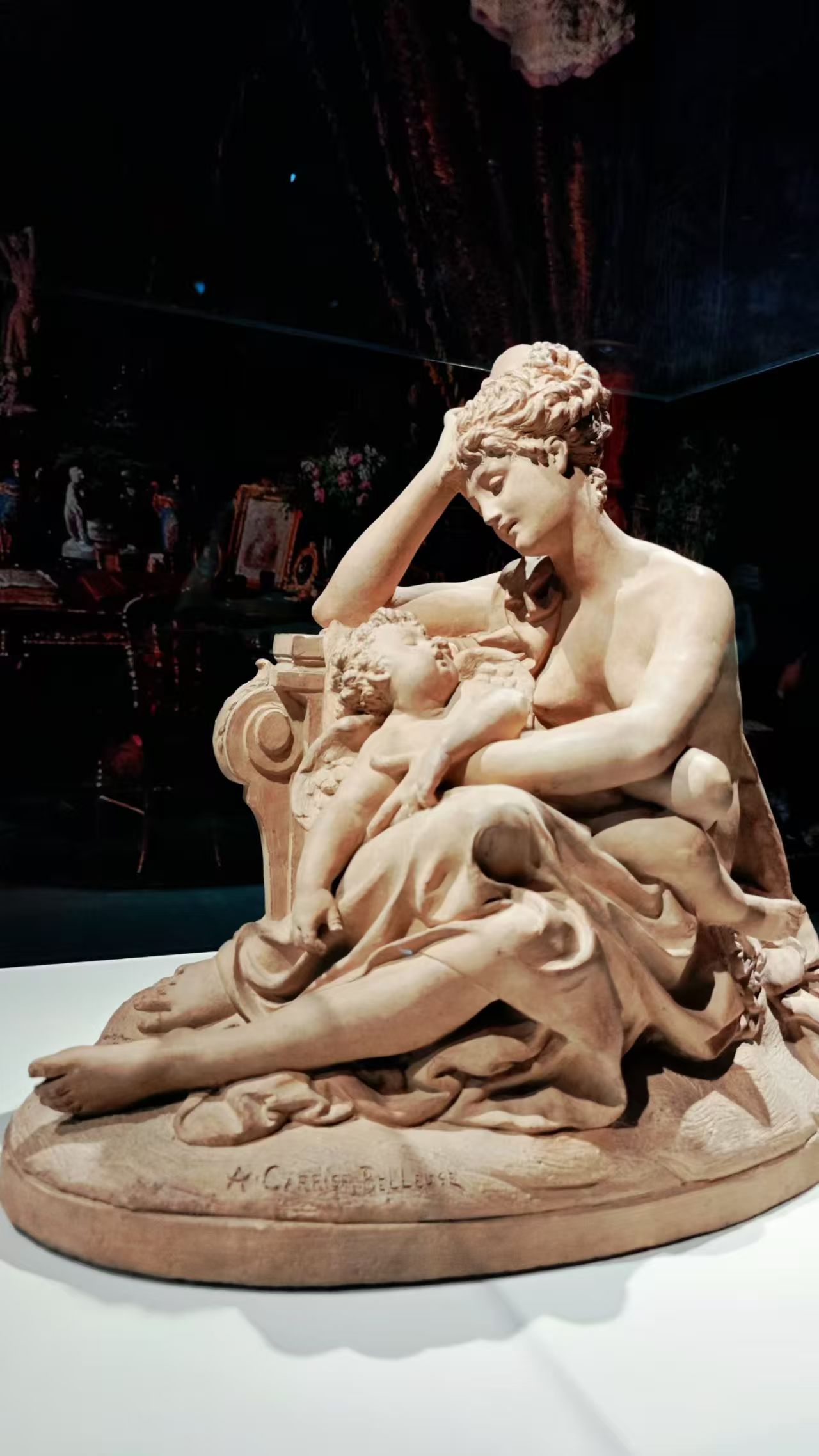
A short walk through the park’s northern section leads you to one of its most quietly impressive cultural spots. The Rodin Art Center, set within the refined lattice structure that once housed the Expo’s French Pavilion, is the first overseas branch of the Musée Rodin in Paris.
More than a standard gallery, it feels like a conversation between East and West. Taking advantage of the pavilion’s distinctive natural light, the center displays authentic works by Auguste Rodin — including “The Thinker” and “The Age of Bronze.” Standing close to these masterpieces in a reflective setting can feel unexpectedly intimate.
The center often hosts exhibitions that connect classical Western sculpture with contemporary perspectives, making it a must for modern art lovers.
Shanghai Greenhouse Garden
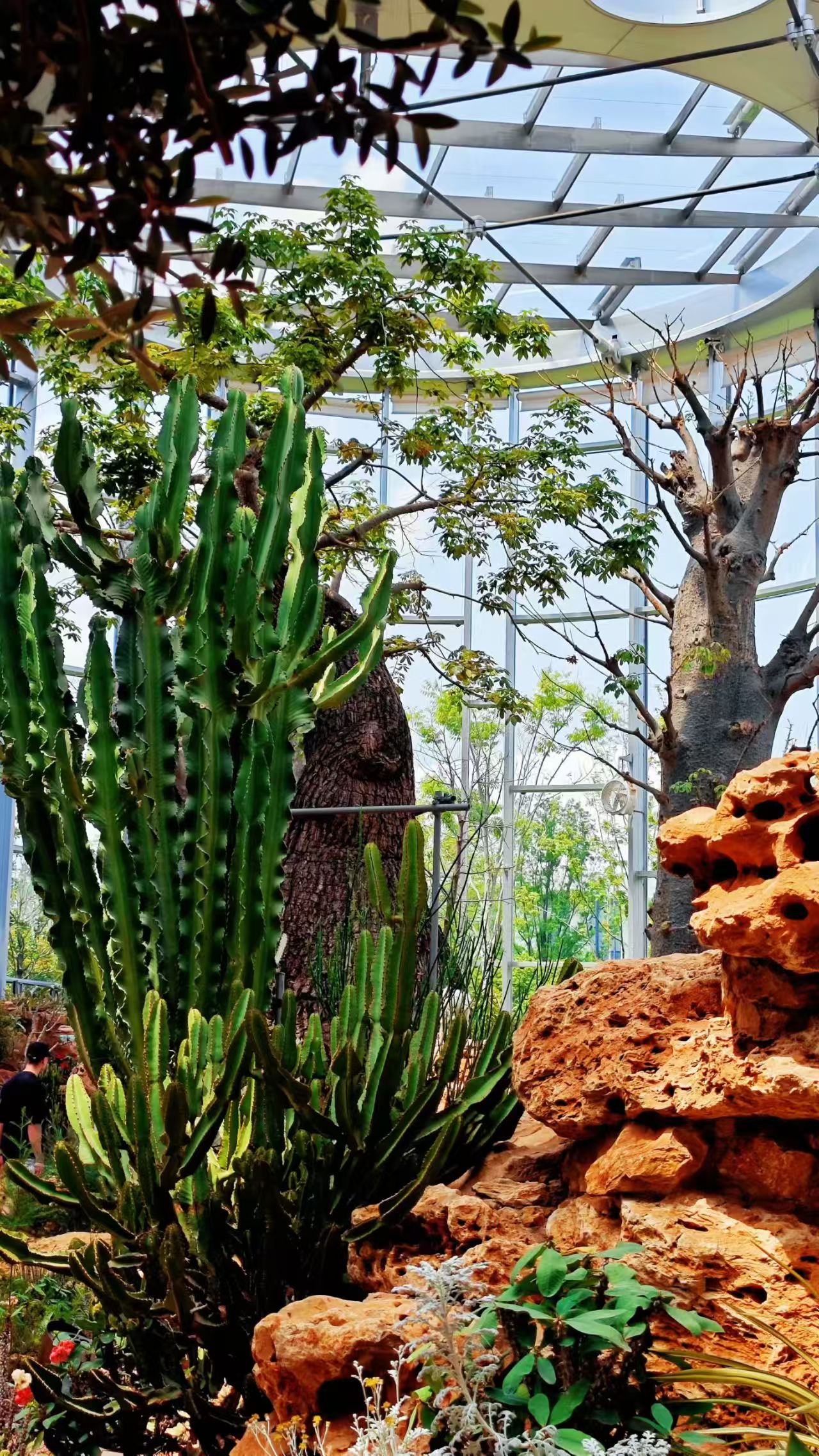
Next, head to the park’s newly opened southern section to discover the Shanghai Greenhouse Garden (debuted in late 2024). Covering about 22,000 square meters, this glass-and-steel “crystal palace” is a family favorite and a dream location for nature photography.
Instead of a traditional single-style botanical garden, the greenhouse is divided into three striking biomes: Desert Sandbar features ancient Welwitschia mirabilis and towering cacti, Cloud Forest features freshwater sharks and massive banyan trees supported by plank roots and Misty Canyon is where a 10-meter waterfall pours through lush tropical plants and vibrant flowers.
In one visit, you can travel across desert, rainforest, and canyon-like landscapes — an immersive lesson in biodiversity, made effortless and beautiful.
Shen Garden
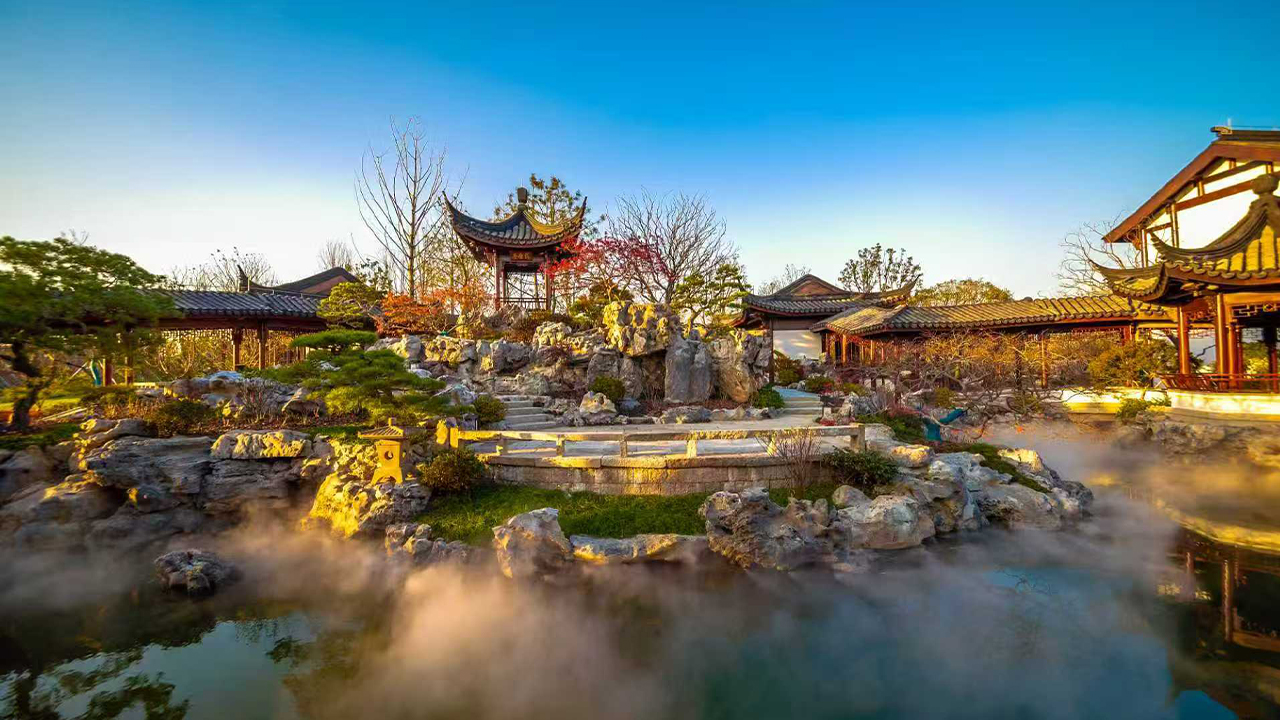
If the Greenhouse Garden offers a global vision, Shen Garden offers the soul of Jiangnan. Tucked into the southwestern corner of the Expo Culture Park, this “garden within a garden” reimagines the elegance of classical Ming (1368-1644) and Qing (1644-1911) dynasty landscape aesthetics.
Shen Garden features misty pavilions, winding bridges over koi-filled water, and rockeries designed to echo natural mountain forms. For photographers, the garden’s “eight classic scenes” provide naturally framed compositions — pavilions, willows, and even glimpses of the Huangpu River skyline.
Expo Culture Park
Connecting everything is the Expo Culture Park itself. Beyond its landmark venues, its landscape design is a highlight.
Stroll along the riverside, or climb Twin Hills — two man-made peaks standing at 48 and 37 meters. Opened in late 2024, they offer panoramic views of the Huangpu River as it curves past the Lujiazui skyline — proof that you don’t need a long hike to find a great view.
The park layers together historical waterways, industrial memories from the old steel mills, and the Expo’s “musical rhythm” into a multi-layered scene of forests, wetlands, and lawns.
Where to stay: Mumian Shanghai Expo
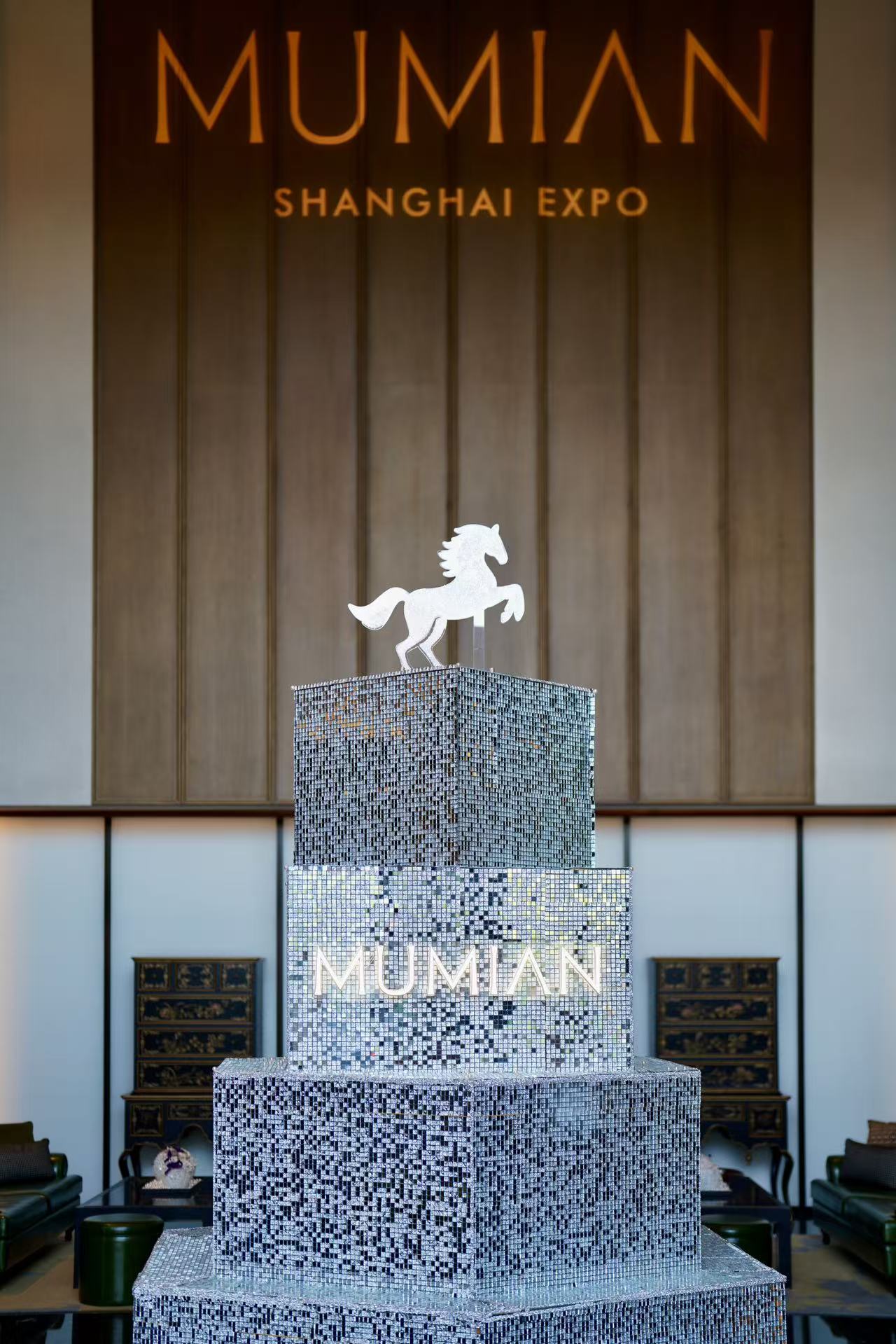
For a seamless staycation base, choose Mumian Shanghai Expo, a member of the Unbound Collection by Hyatt, located beside the Expo Culture Park. It is positioned as a gateway to the district — without the traffic stress that often comes with hopping across the city.
To support the “Expo art holiday” mood, the hotel has curated family- and art-friendly details:
Accommodations: With 329 rooms, the design blends Shanghainese cultural touches with bright, airy spaces. Many rooms offer uninterrupted views of the Huangpu River, creating a calmer atmosphere away from city noise.
Rooftop escape: On the fourth floor, guests can enjoy the rooftop garden and the So Nanyang restaurant. After a day exploring the area, it is a perfect spot for Huaiyang cuisine and quiet relaxation.
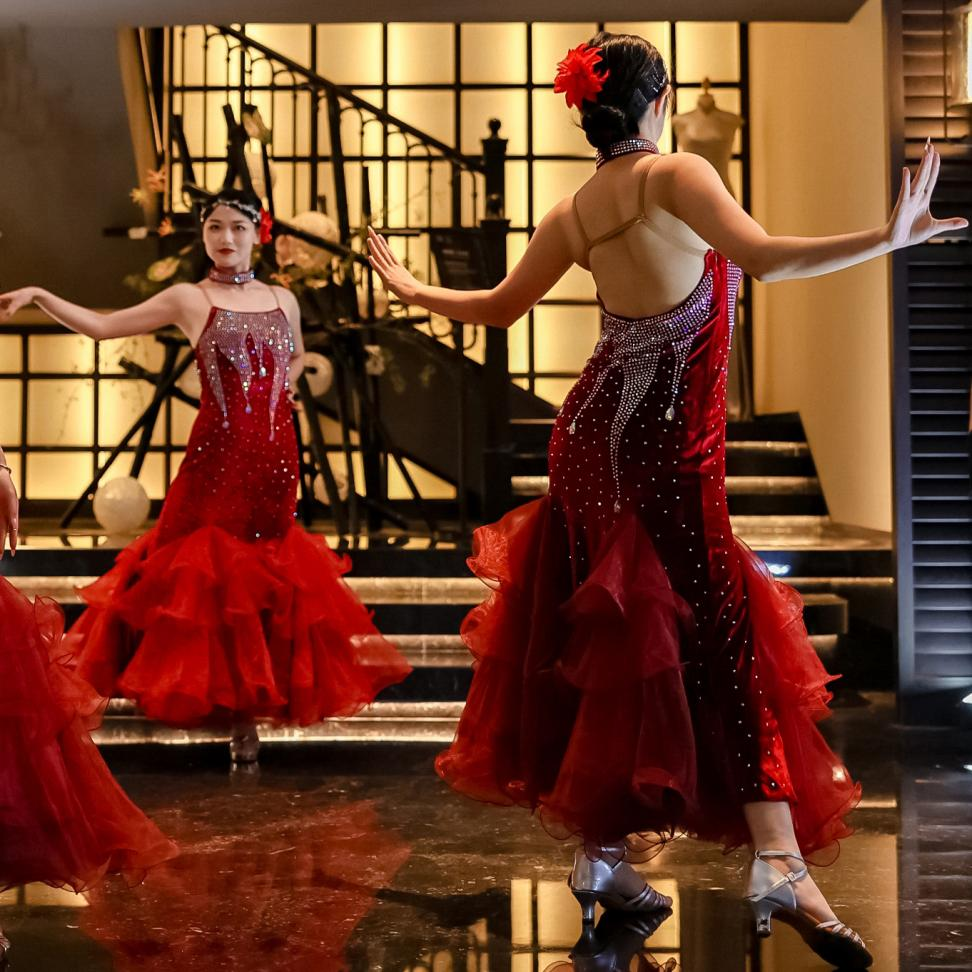
The ritual: Every Friday evening at 6:28 p.m., the lobby hosts the “Shanghai Jazz Ritual.” Guests can watch a free performance featuring qipao dancers, and sip a “Shanghai Special” cocktail to the tune of “Night Shanghai” — an easy, immersive way to feel Shanghai’s history without leaving the hotel.