
 Share
Share


 Print
PrintAPEC Cultural Highlights
Writer: | Editor: | From: | Updated: 2026-04-23
The APEC summit serves not only as a platform for economic and trade dialogue but also as a stage where member economies showcase their rich cultural heritage.
At the Shanghai summit, for example, China’s Shu brocade captivated audiences from around the world. At the Los Cabos summit, Mexico expressed its renowned hospitality through cocktails featuring tequila, the country’s iconic spirit.
1. Woven heritage
Across the Asia-Pacific, cultural heritage is woven into the fibers, fabrics and time-honored crafts passed down through generations. From sheep shearing and silk weaving to batik dyeing and brocade-making, these traditions reveal the identities, environments and everyday lives of the communities that keep them alive.
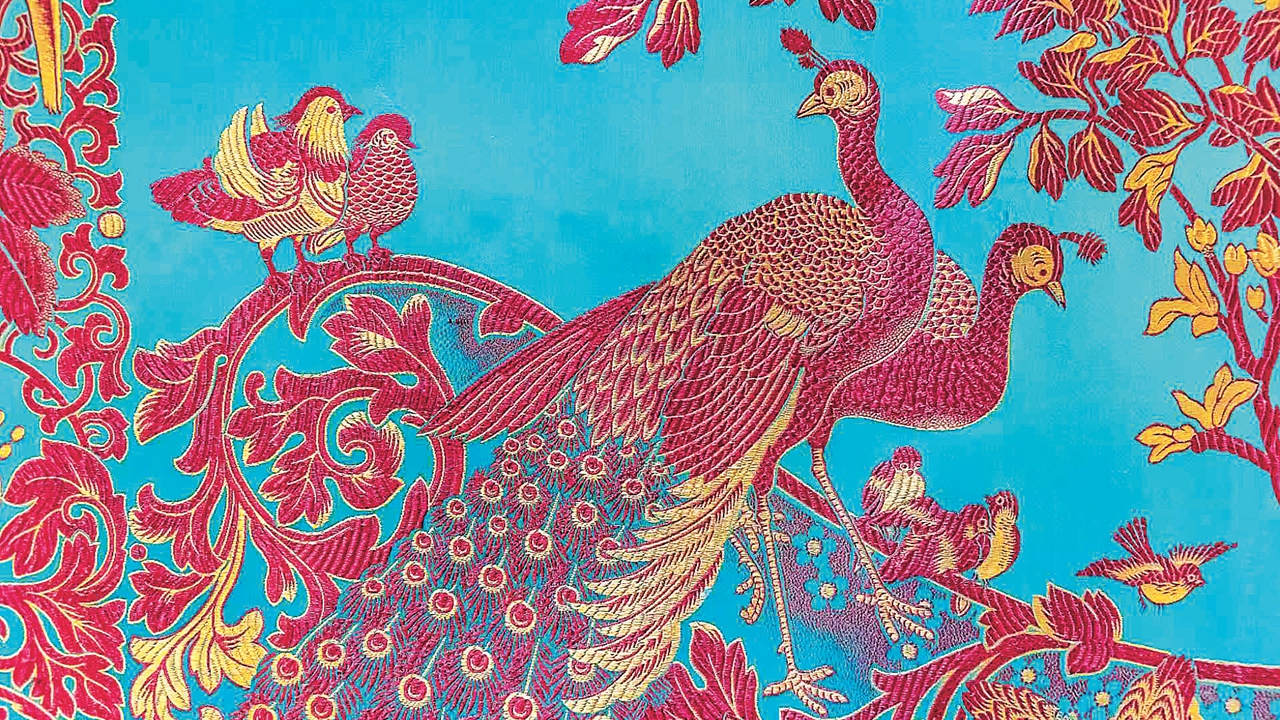
Boasting a 2,000-year history, Shu brocade is celebrated for its symmetrical patterns, vibrant colors, and bold contrasts. A quintessential craft of the Han Chinese, it embodies a distinctive regional aesthetic and was inscribed on the UNESCO Representative List of the Intangible Cultural Heritage of Humanity in 2009.
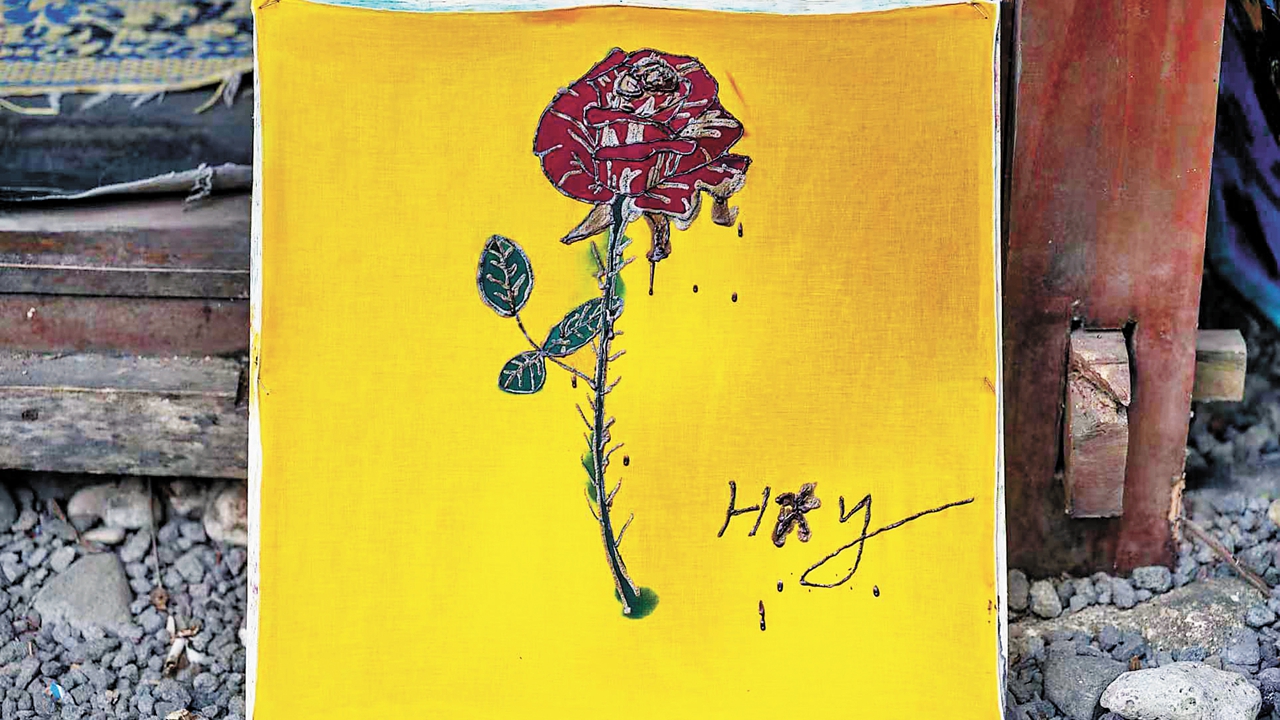
Indonesia’s batik
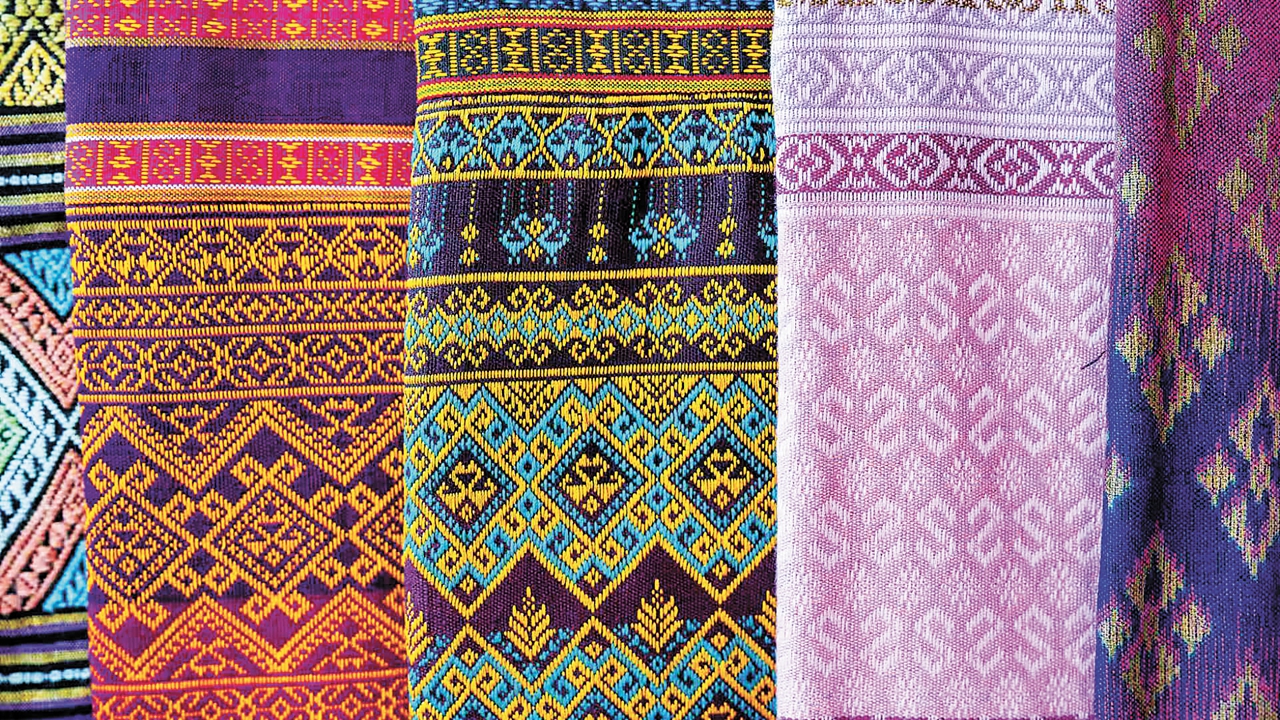
Thai silk
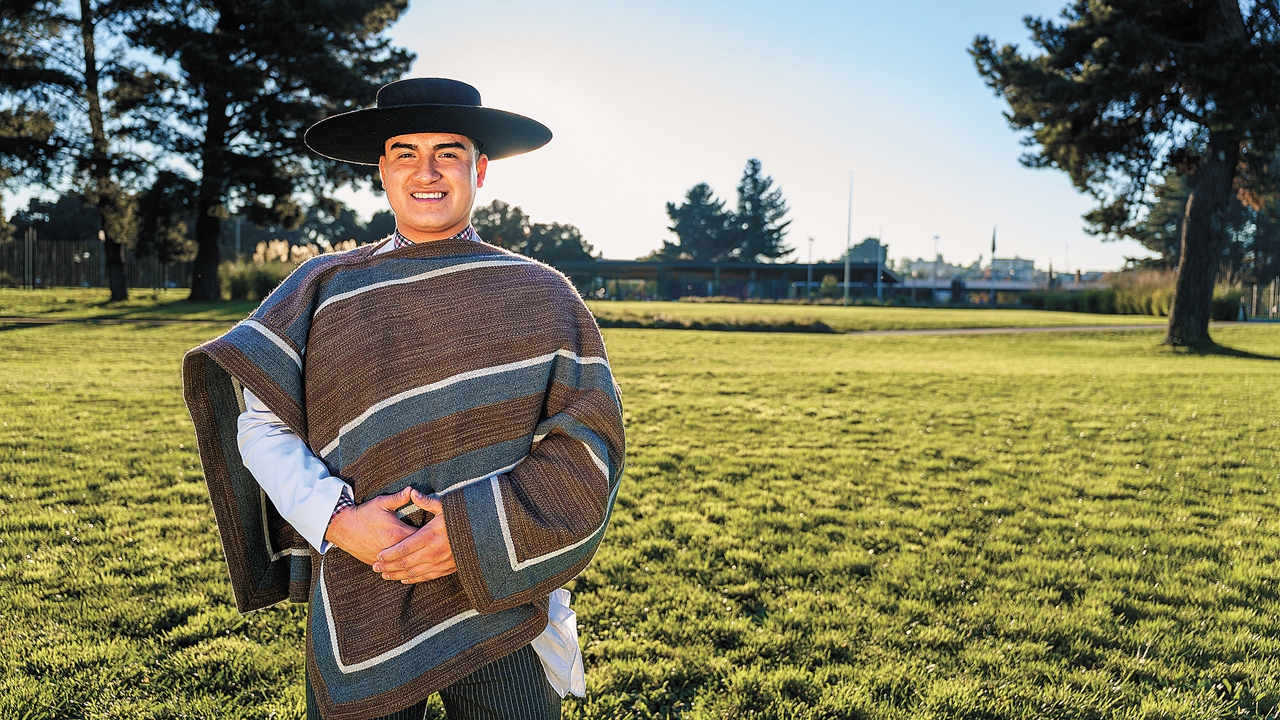
A man wears a traditional Chilean Chamanto. The Chamanto is a handwoven, poncho-style garment crafted from a refined blend of silk and wool. Renowned as one of the most intricate and luxurious traditional textiles created by Chilean weavers, each piece features a unique pattern and reversible construction, allowing it to be worn on both sides. More than just a garment, the Chamanto is a cherished national heritage passed down through generations. It has evolved into a highly prized collector’s item.
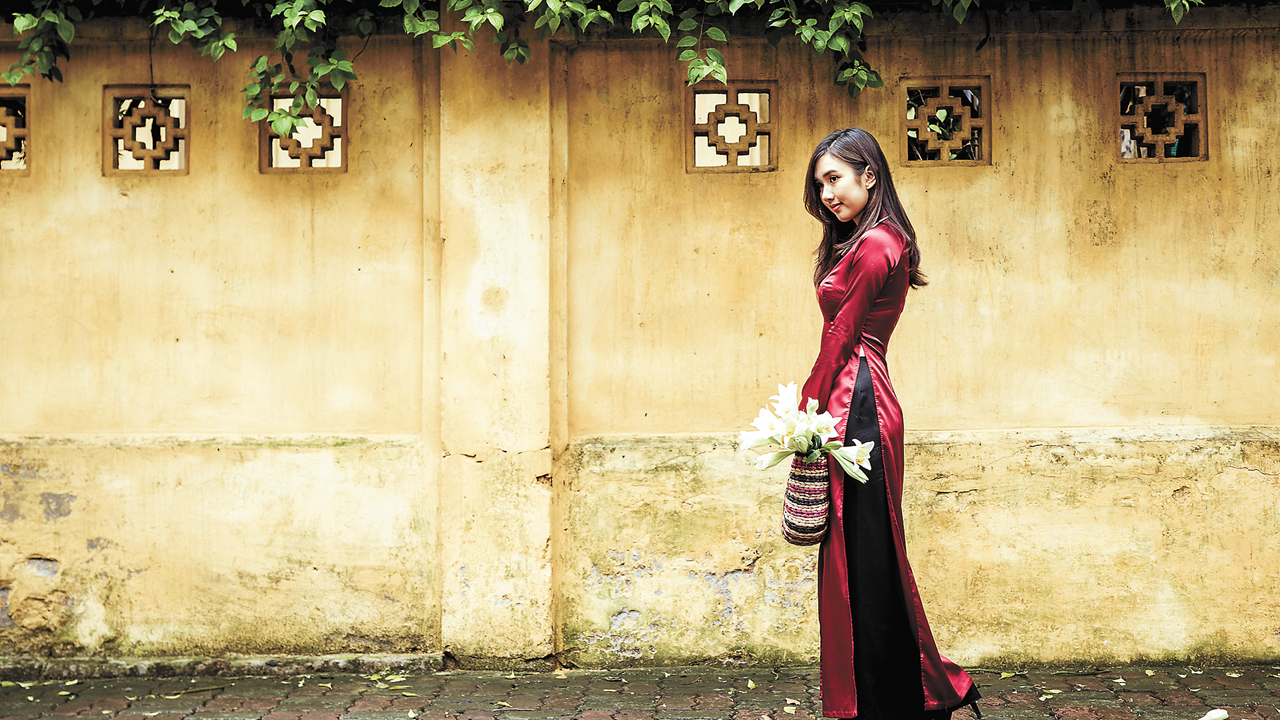
The áo dài is Vietnam’s national dress. It consists of a long, fitted tunic worn over loose-fitting trousers. The tunic resembles the Chinese qipao, with a fitted bodice, a cinched waist and side slits extending from the waist downward. The front and back panels flow gracefully with the wearer’s movements. Women typically wear the tunic over high-waisted, wide-legged trousers in white or a color that complements the tunic. Once associated primarily with the elite, the áo dài is now worn by Vietnamese women of all ages and social backgrounds. It can be seen on festive occasions, at temple fairs and in everyday life. For international visitors, it has become an enduring symbol of Vietnamese culture.
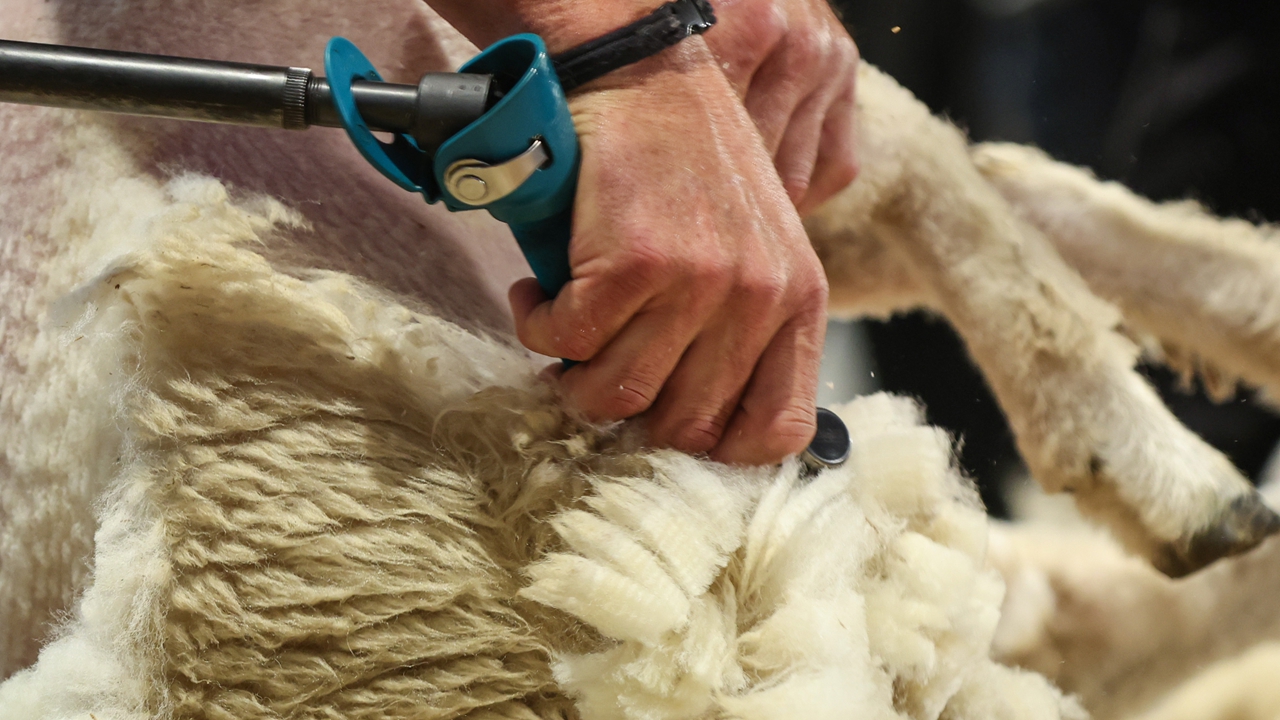
New Zealand is the world’s second-largest producer and exporter of wool, measured on a clean-wool basis. Its wool comes primarily from domestically raised semi-fine-wool sheep, including Romney sheep, and is known for its whiteness and cleanliness. In 2026, China’s country-specific tariff quota for wool imports from New Zealand totals 36,936 metric tons. Allocations are made on a first-come, first-served basis. Applicant firms must meet requirements, including having an annual processing capacity of over 3,000 metric tons. New Zealand wool is used in a range of products, including carpets and home textiles. Photo from Xinhua
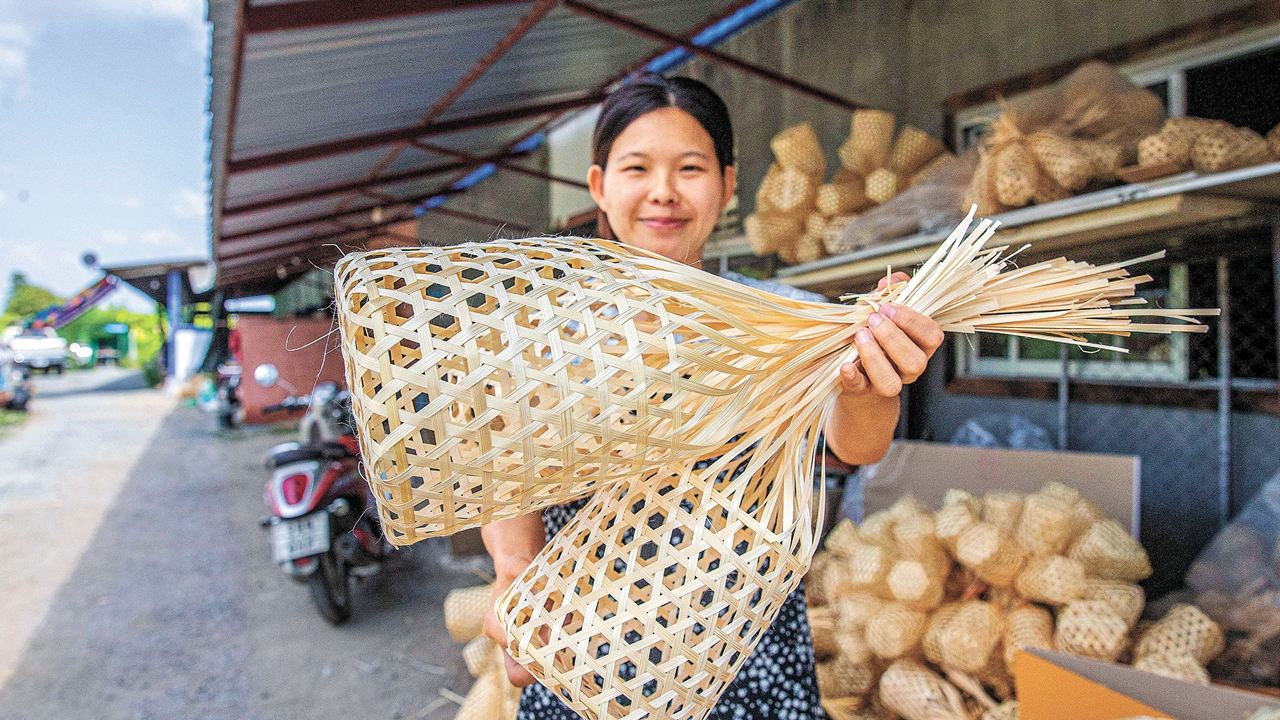
Chalom is a traditional Thai woven bamboo basket that has served as a symbol of trade and commerce in Thailand since ancient times, used for generations to carry travel items and goods. Its interlaced bamboo strips are strong, resilient, and durable, qualities that reflect the stability and sustainability of regional economic cooperation. The basket’s distinctive form features 21 openings between the woven strips, which perfectly correspond to the 21 member economies of APEC — a symbolic alignment that made it an inspired choice as the official logo for APEC 2022 Thailand.
2. Stories in color and motion
From woven textiles, we turn to the visual and performing arts, where legends are captured in woodblock prints and brought to life through movement, music and dance.
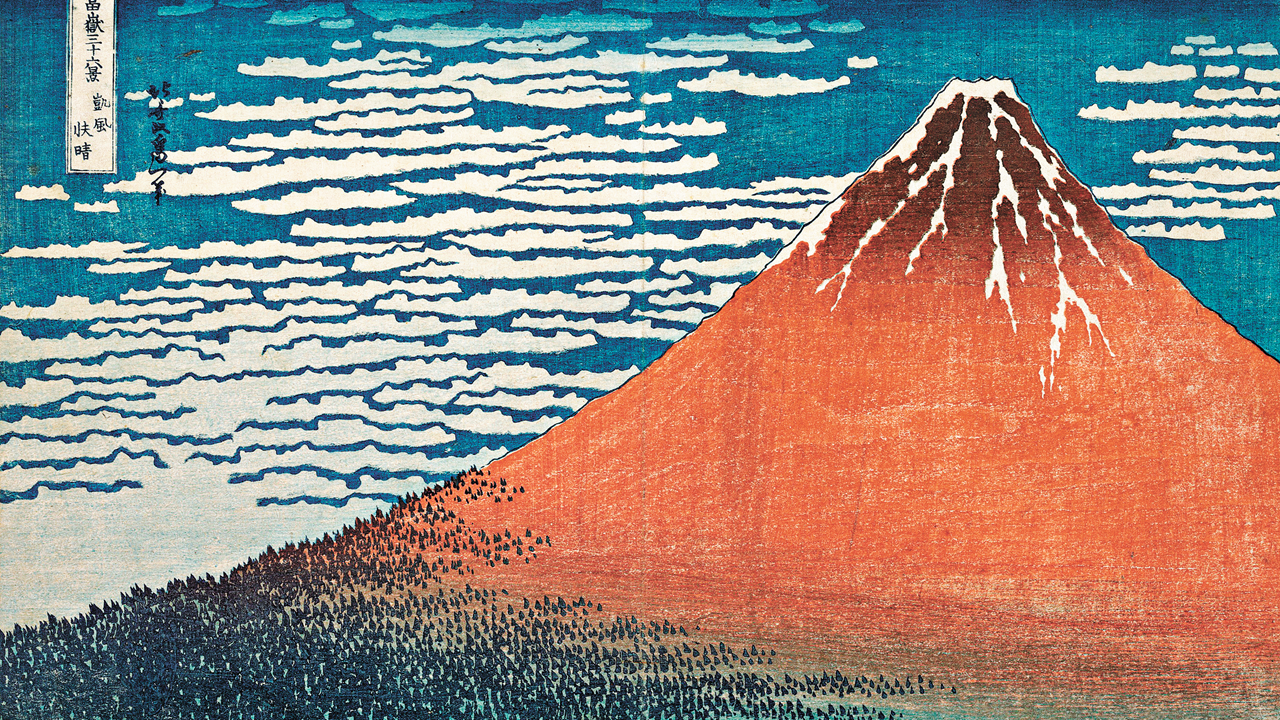
“Red Fuji,” also known as “Fine Wind, Clear Morning,” a ukiyo-e woodblock print by Japanese artist Katsushika Hokusai. Ukiyo-e, a genre of Japanese woodblock prints that flourished from the 17th through the 19th centuries, sparked the 19th-century Japonism craze in Europe. Impressionist and Post-Impressionist masters such as Vincent van Gogh and Edouard Manet drew heavily from its flat coloring, unique perspective, and bold cropping, fundamentally transforming Western modern painting. Today, featured in world-class institutions including the Louvre and the Met, ukiyo-e remains Japan’s most globally recognized visual art.
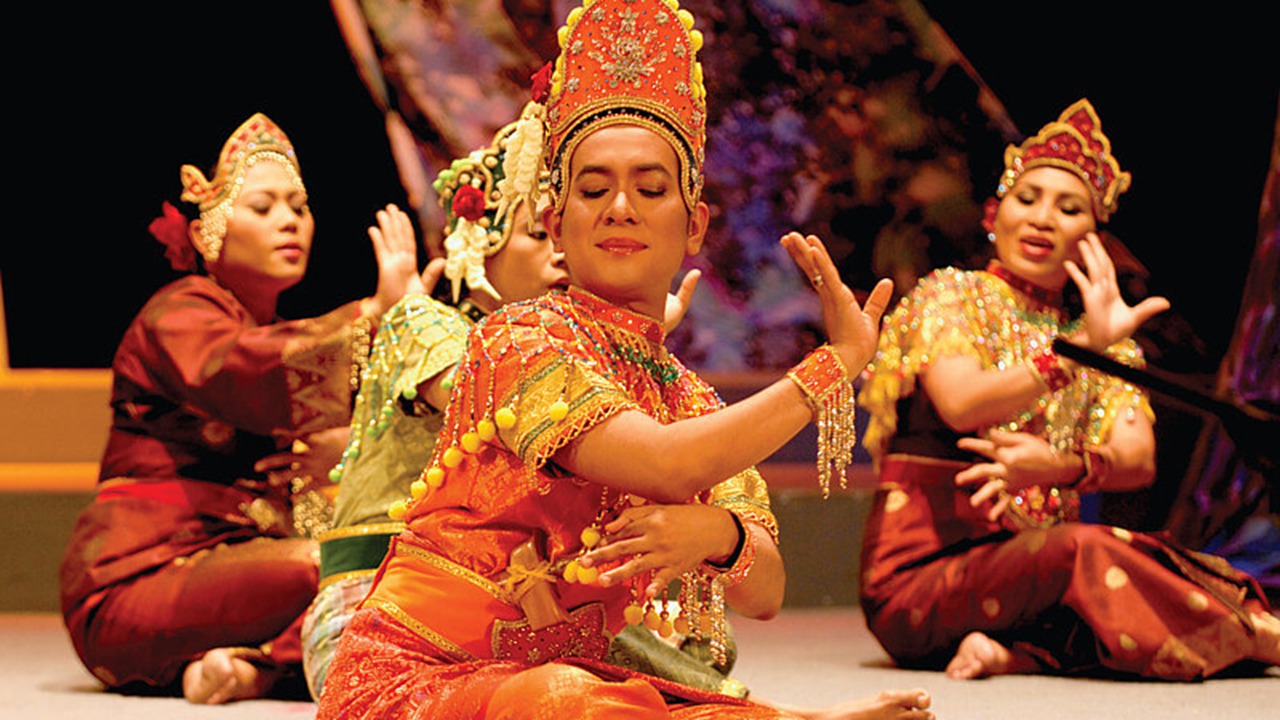
Mak Yong, inscribed on UNESCO’s Representative List of the Intangible Cultural Heritage of Humanity, originated in Kelantan, Malaysia, and evolved from ancient Malay court ritual theater. It combines singing, dance, chanting and storytelling, often depicting Malay myths and folktales. Female performers traditionally take the central roles, using graceful movements and archaic vocal styles to convey Malay cosmology and collective memory. Once performed at royal ceremonies and folk blessing rituals, Mak Yong remains a living expression of Malay heritage.
3. Flavors that connect
While some cultures express themselves through patterns and pigments, others do so through flavor — a universal language that brings people and cultures together across continents.
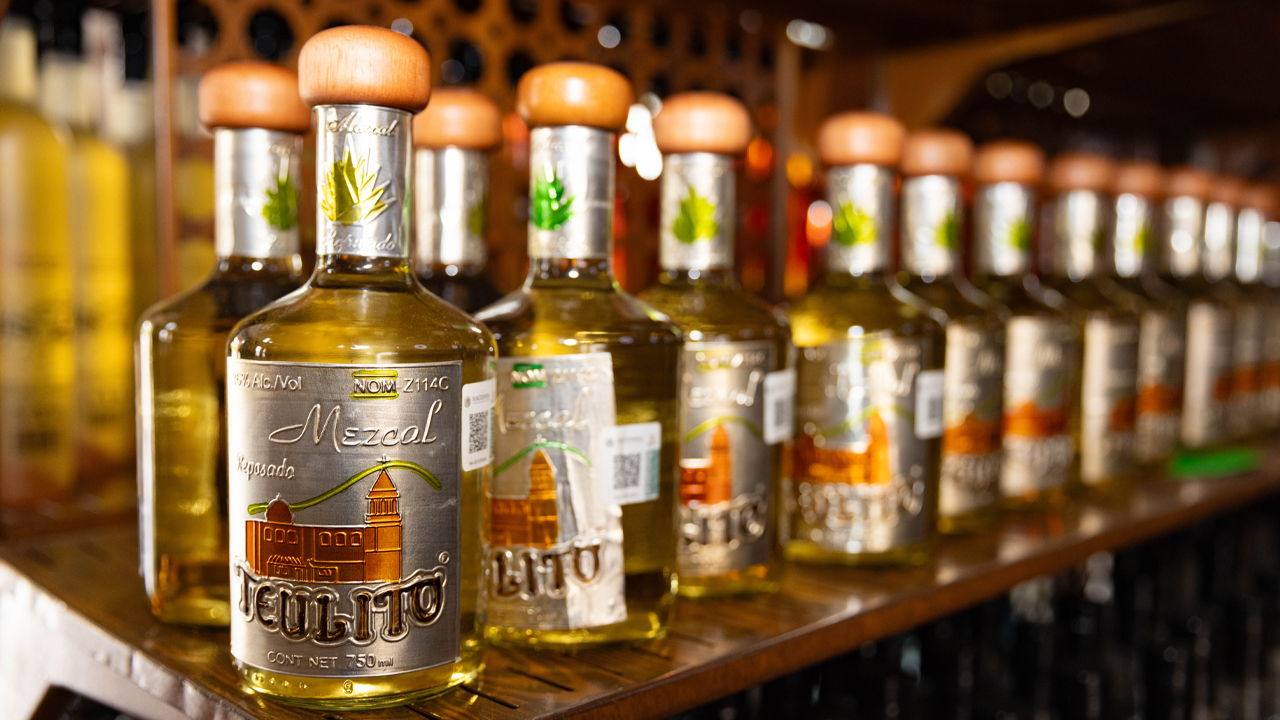
Distilled exclusively from blue agave within protected appellations, tequila is crafted through time-honored cooking and aging processes that yield a bold flavor and a distinct sense of terroir. Photo by Xinhua
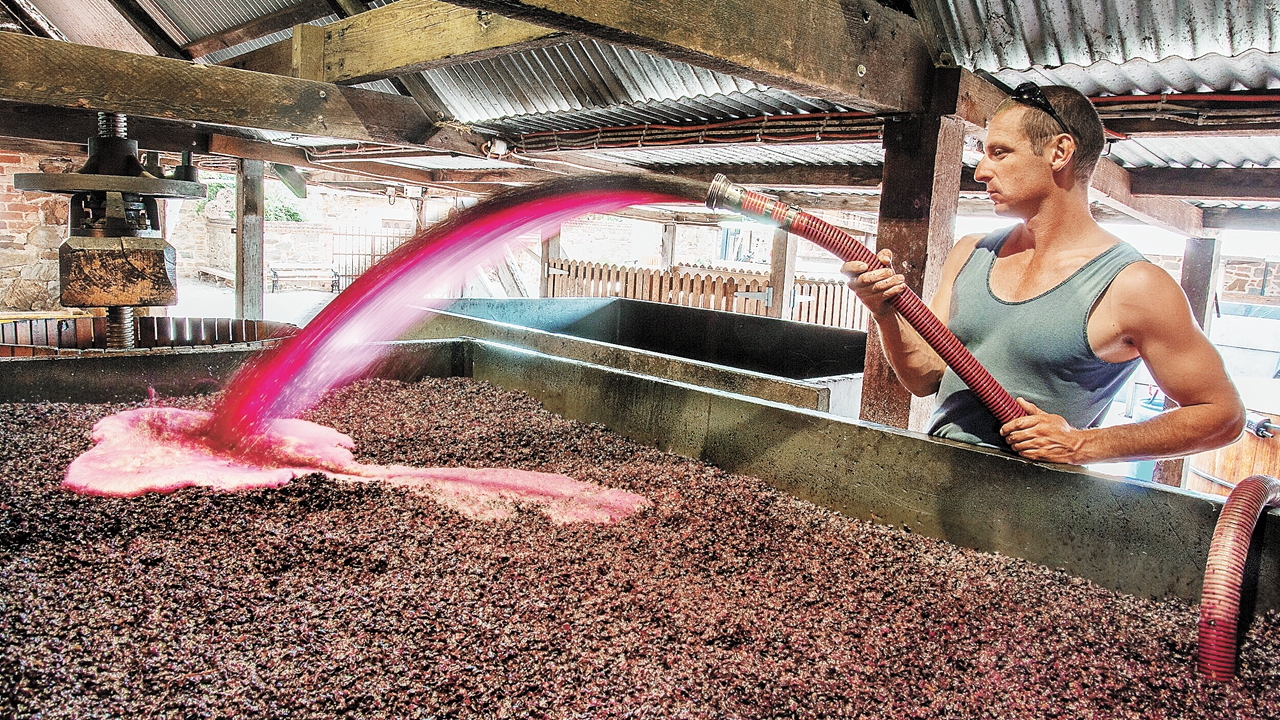
Winemaking in the Barossa Valley, Australia. Australian Shiraz draws character from the Southern Hemisphere’s sun and volcanic soils, delivering a robust, full-bodied profile rich with intense fruit aromas.
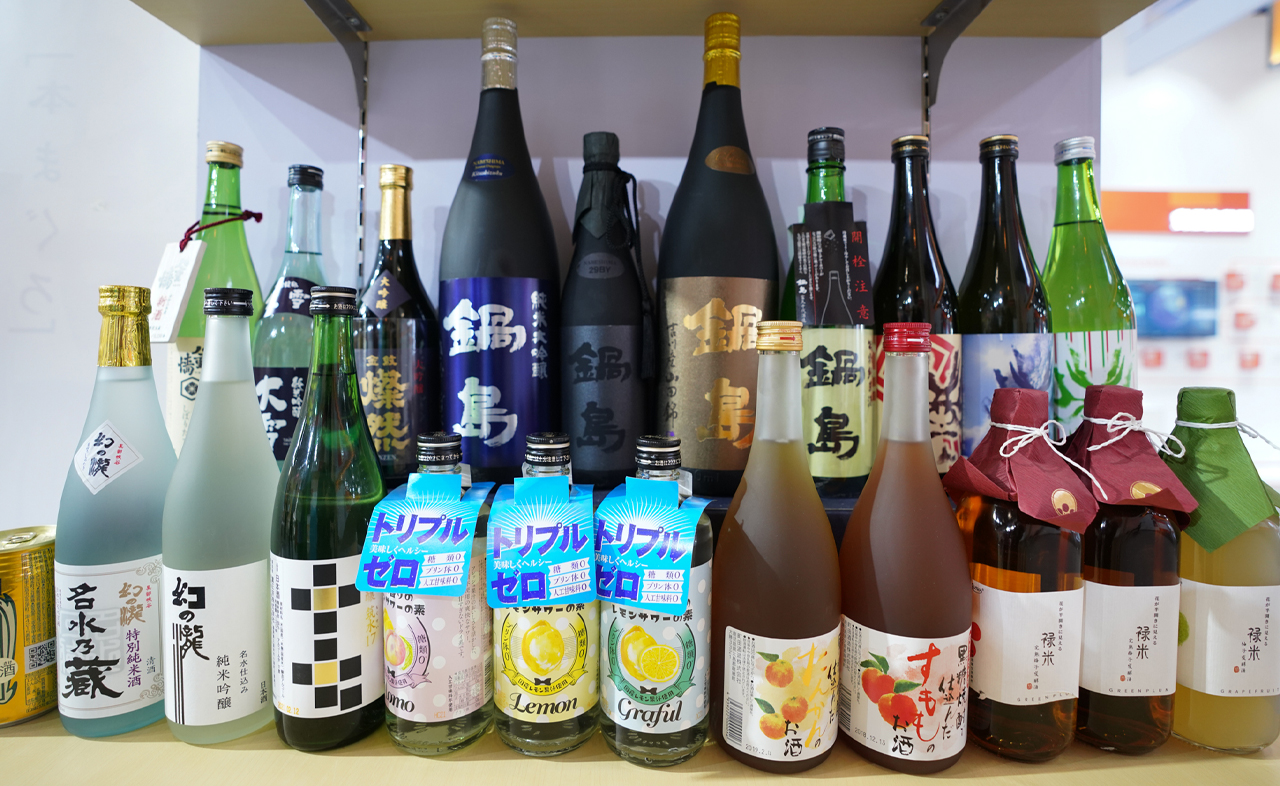
Japanese sake, brewed at low temperatures, offers a clear, mellow taste that embodies the refined elegance of Eastern ritual. Photo from Xinhua
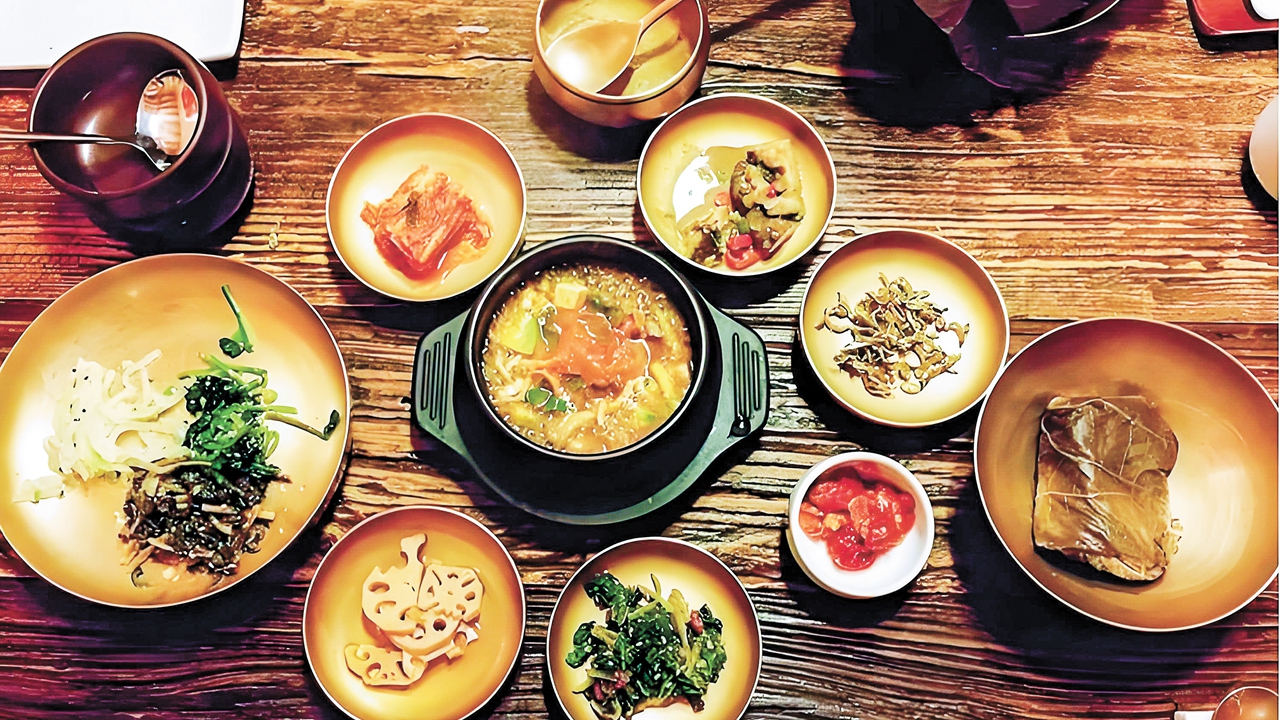
Hanjeongsik, the quintessential Korean formal set meal, is a masterpiece of traditional banquet-style dining. It centers on rice, soup, kimchi, and a savory hot pot stew. Highlights often include Gujeolpan (an elegant platter of nine delicacies wrapped in thin wheat pancakes) and Sinseollo (a royal hot pot). Cooking relies on steaming, grilling, and blanching; no chili powder is used except in kimchi. A full course ranges from three to 12 side dishes, flowing from appetizers to main courses and ending with traditional desserts.
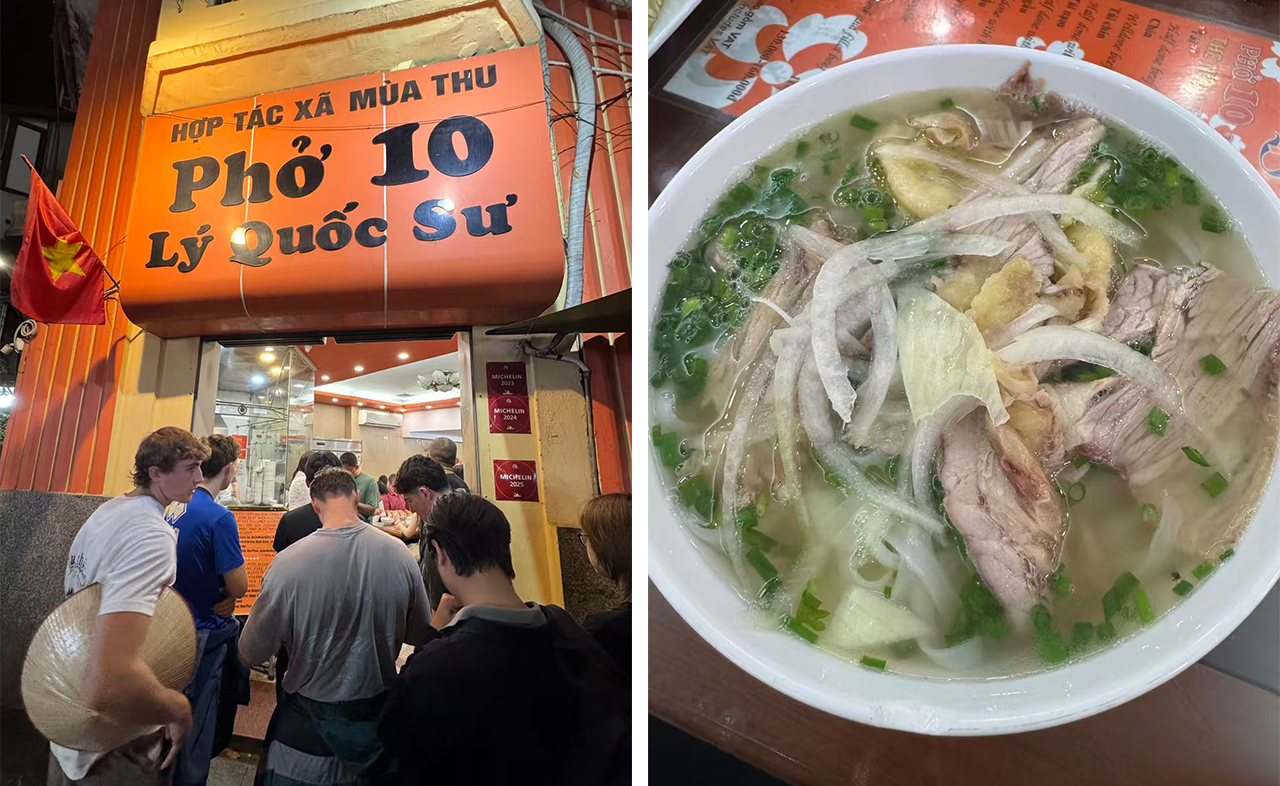
Vietnam’s national dish, Pho, is a versatile rice noodle soup served with beef or chicken. It features three distinct regional styles, each varying in broth flavor and noodle texture. Customarily enjoyed by tasting the broth before adding garnishes like Thai basil and lime, the dish includes famous varieties like the ingredient-rich “Train Head Pho,” a name tracing back to the vendors who once sold it at train stations. In 2024, Hanoi’s Pho culture was officially inscribed as a national intangible cultural heritage. Photos by Lin Songtao
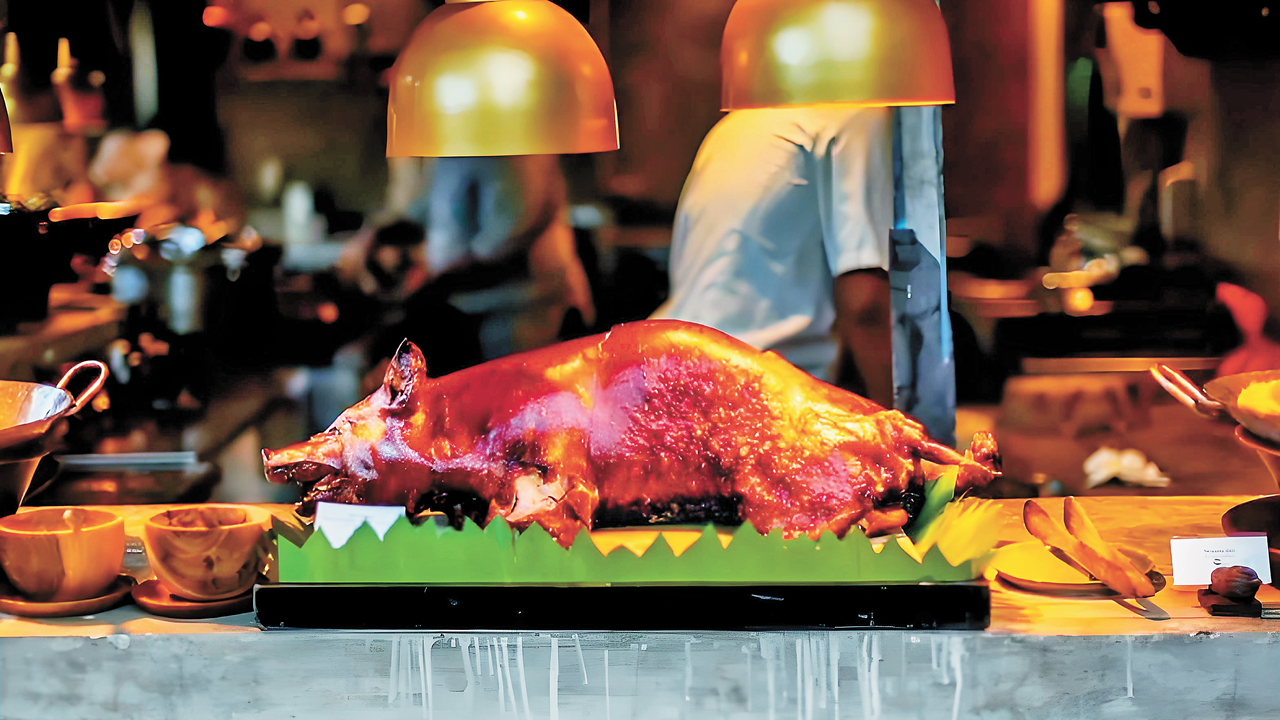
Bali Island’s most iconic culinary staple is Babi Guling, or Balinese roast suckling pig. Celebrated for its crispy skin and spice-infused tender meat, the dish originated as a sacred offering in Balinese Hindu ceremonies but has since become a ubiquitous signature dish for travelers. Preparation begins with the selection of a piglet, typically 1 to 2 months old. Chefs favor this age because the meat remains exceptionally tender with minimal coarse fiber. The roasting process creates a precise balance of textures, resulting in the dish’s hallmark succulent meat and golden, crispy exterior.
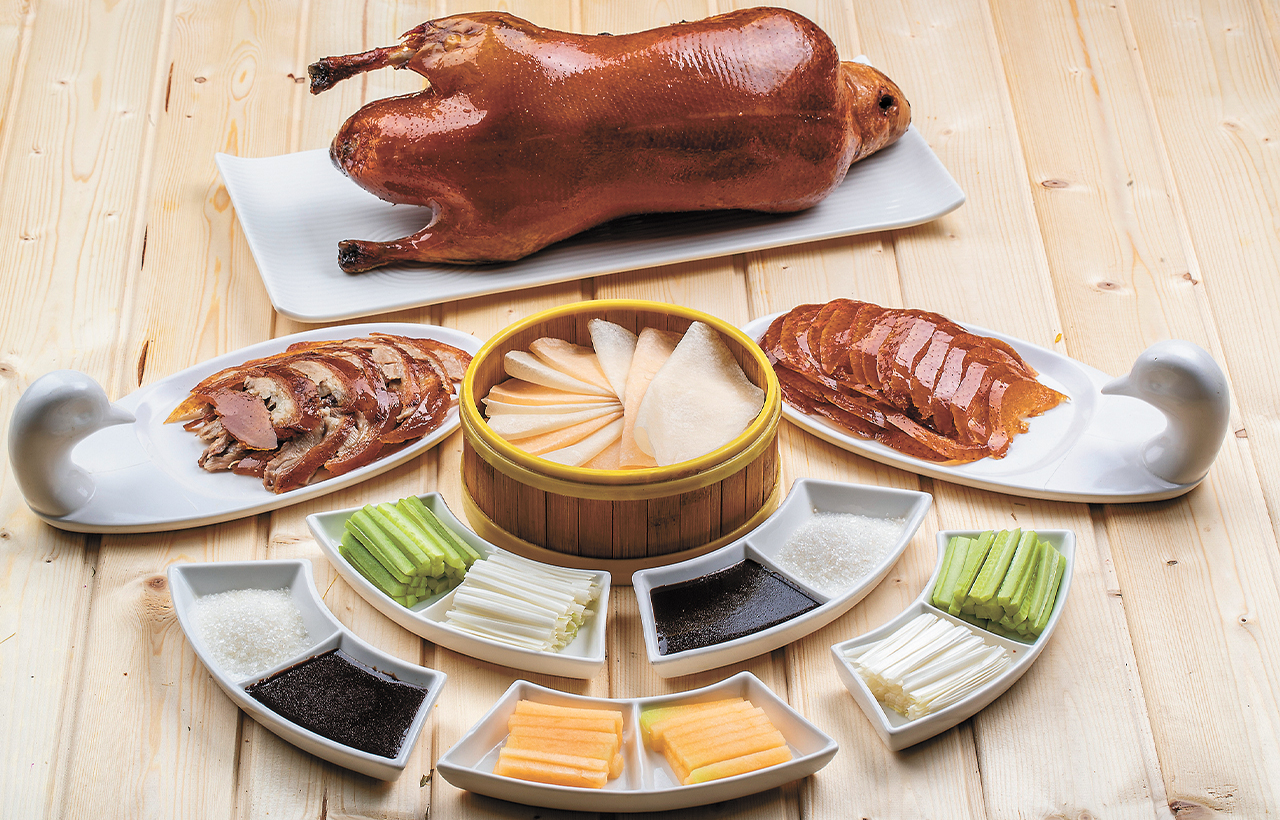
Peking Duck is Beijing’s world-renowned signature dish. Made from high-quality duck roasted over a fruitwood fire, the finished dish features a reddish, glossy skin and tender, flavorful meat that is rich but not greasy. Celebrated for its bright red hue, delicate texture, mellow flavor, and crisp skin, it is a delicacy of worldwide fame. Peking duck is usually served in three courses. The skin is accompanied by hoisin sauce, scallions cut into brushes, and thin wheat-flour pancakes or steamed wheat-flour “lotus buns,” all of which are eaten together as a sandwich. The meat of the duck is cut up and served with vegetables as a second course, and a soup of the duck’s bones with celery cabbage follows.
4. Wildlife of the Asia-Pacific
Beyond human artistry, the Asia-Pacific is also defined by its remarkable wildlife — creatures that roam ancient lands, thrive in diverse habitats and embody the spirit of their homelands.
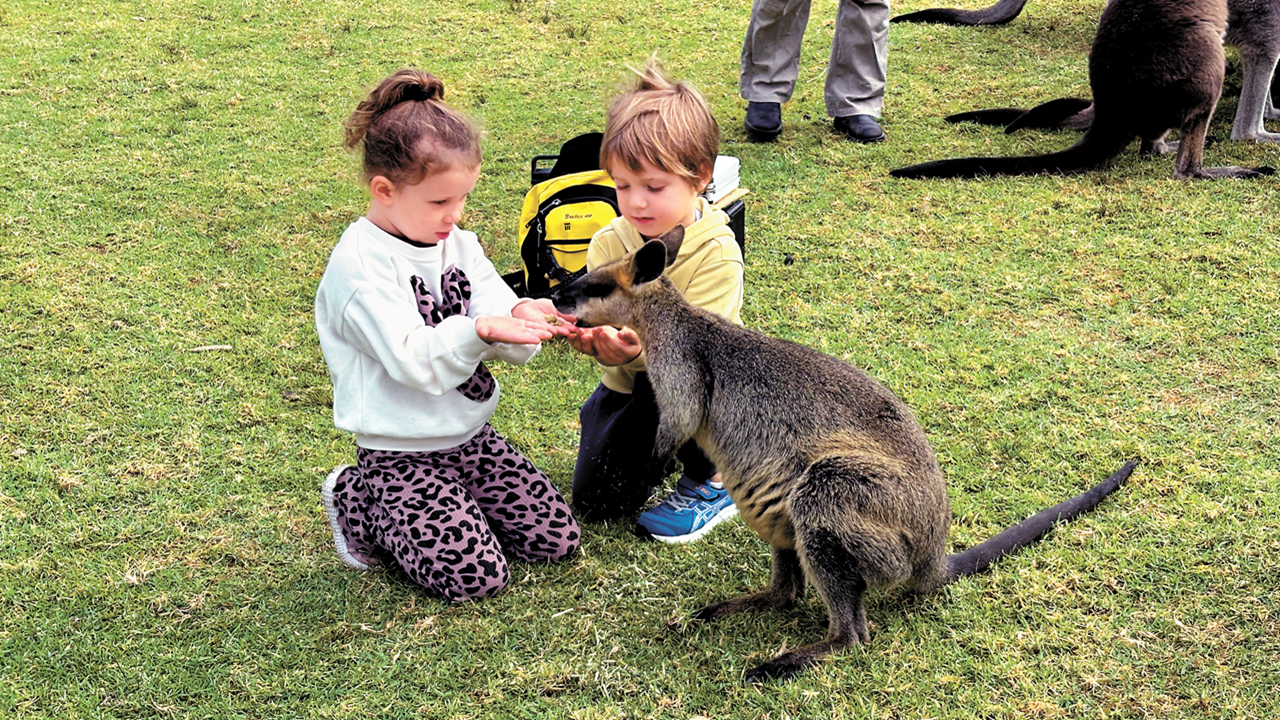
Native to Australia and Papua New Guinea, the kangaroo is an iconic marsupial and a national symbol featured on the Australian coat of arms. These herbivorous macropods are famous for their powerful leaping, using their tail and hind legs for stability. Diverse kangaroo species thrive across various Australian habitats, and their global significance is recognized every Oct. 24 on World Kangaroo Day.
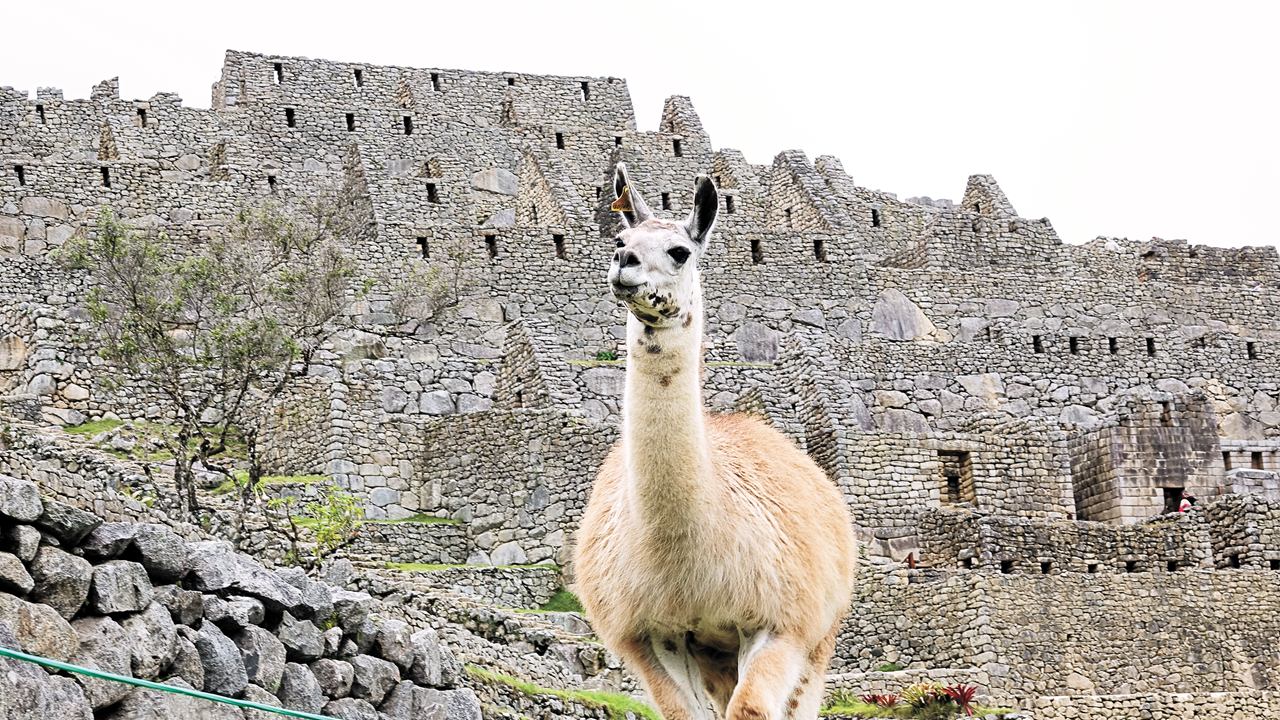
The alpaca is a domesticated member of the camelid family native to South America’s Andean highlands. It is found mainly in Peru at elevations of 3,800 to 4,700 meters above sea level, where about 80% of the world’s alpacas live. The animal has played a vital role in Andean civilization for thousands of years. It is also a national symbol of Peru and a link in APEC’s economic, trade and cultural exchanges.
Alpacas were the principal livestock of the Inca Empire and pre-Inca civilizations. In the Andean highlands, where cattle, horses and sheep were not present, they provided fleece, transportation, meat and leather, supporting local communities. Lightweight, soft, warm and hypoallergenic, alpaca fiber is a premium natural textile.
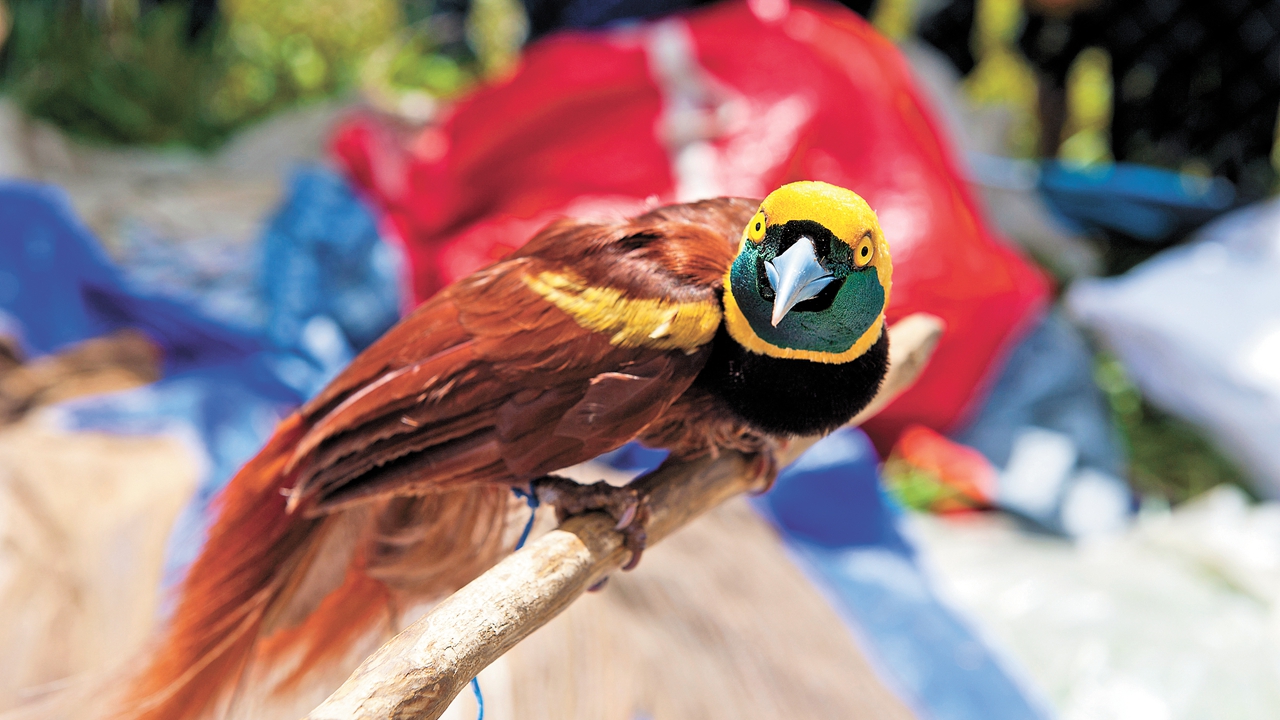
The bird-of-paradise is an iconic and endemic bird of Papua New Guinea and a national symbol. Of the 44 known species worldwide, 38 are endemic to New Guinea, making the island’s tropical rainforests the group’s primary habitat. In 1971, the bird-of-paradise was incorporated into Papua New Guinea’s national identity. It has since become a prominent feature of the country’s flag, coat of arms, currency and cultural tourism logos. Today, it remains one of Papua New Guinea’s most recognizable natural and cultural symbols.
5. Landmarks, shores and streets
The spirit of each member economy is also written into its landscapes and cityscapes: from sacred ruins to modern harbors, from volcanic shores to colorful streets.
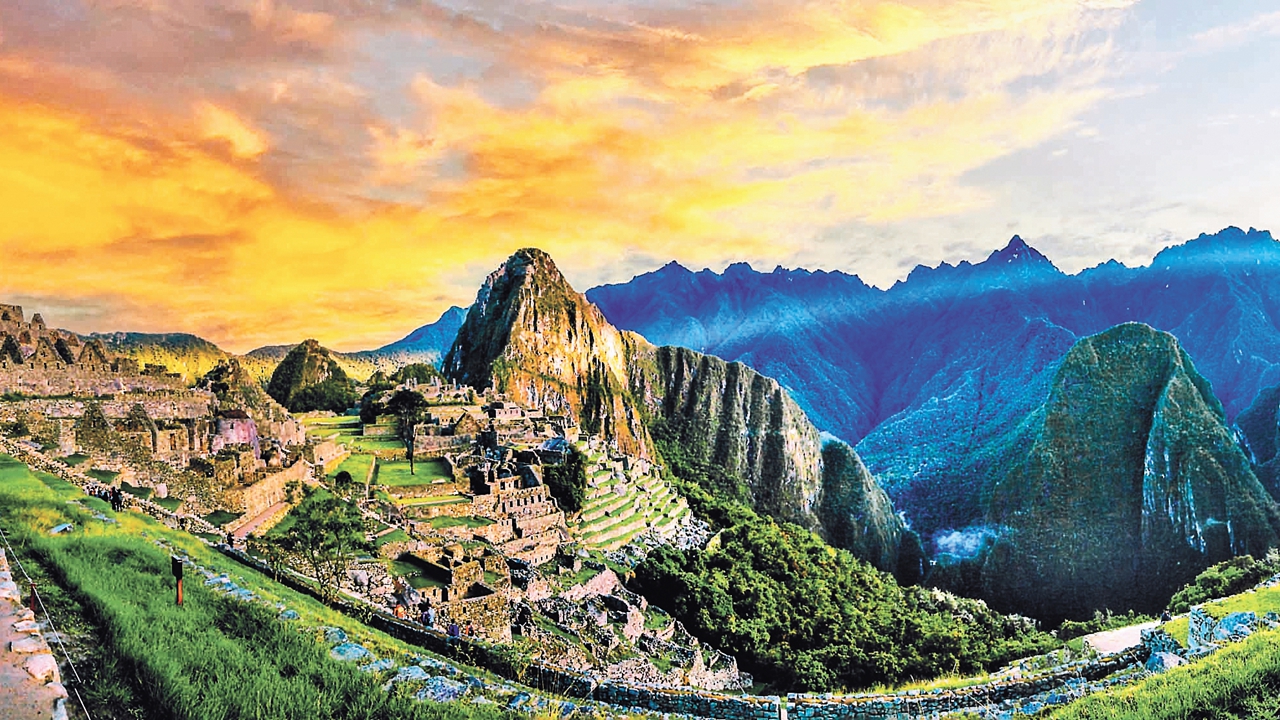 Machu Picchu, located in Peru’s Cusco Province, perches on a ridge 2,350 meters above sea level. Built by the Incas in the 15th century, this “Lost City of the Incas” is one of the New Seven Wonders of the World and a remarkably well-preserved pre-Columbian site. In 1983, it was added to the UNESCO World Heritage List.
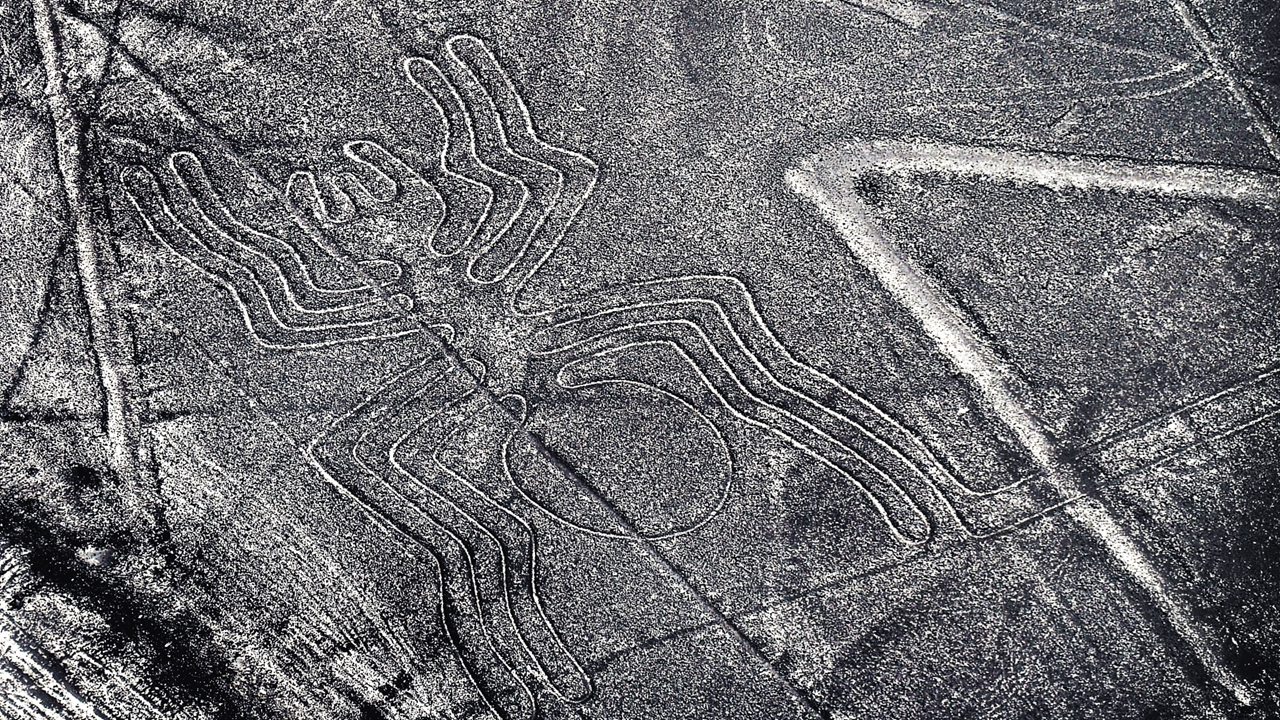
The Nazca Lines are a vast collection of ancient geoglyphs etched into the Nazca Desert of Peru. Created by the Nazca culture, some of these figures date back to 400 BCE, though most were formed around the 1st century CE. Covering 500 square kilometers, the site features straight lines, geometric patterns, and colossal depictions of animals and plants, with some designs reaching up to 300 meters in length. These geoglyphs were crafted by scraping away dark surface stones to reveal the lighter soil beneath. Discovered by scientist Paul Kosok in 1939, the site was designated a UNESCO World Heritage Site in 1994.
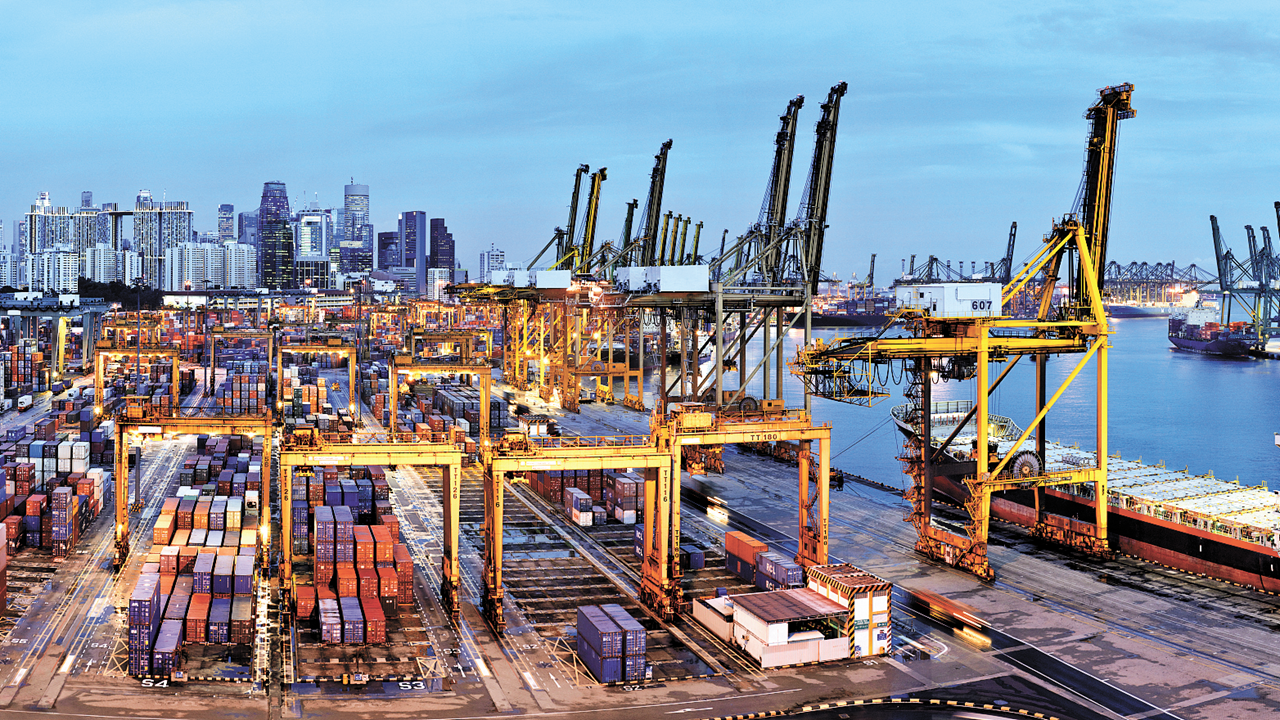
The Port of Singapore occupies a strategic hub at the Strait of Malacca’s southeastern entrance, linking the Pacific and Indian Oceans. As a premier transshipment hub connecting nearly 600 ports, it serves as the Asia-Pacific’s core transit center and a vital node in the APEC supply chain. The port features major terminals at Tuas, Pasir Panjang, Brani, Keppel, and Tanjong Pagar, with Tuas Port emerging as the world’s largest fully automated terminal. Facilities include deep-water berths, advanced quay cranes capable of handling the largest container ships, and extensive storage areas. The port uses automated guided vehicles (AGVs) and electric yard cranes for efficient cargo movement.
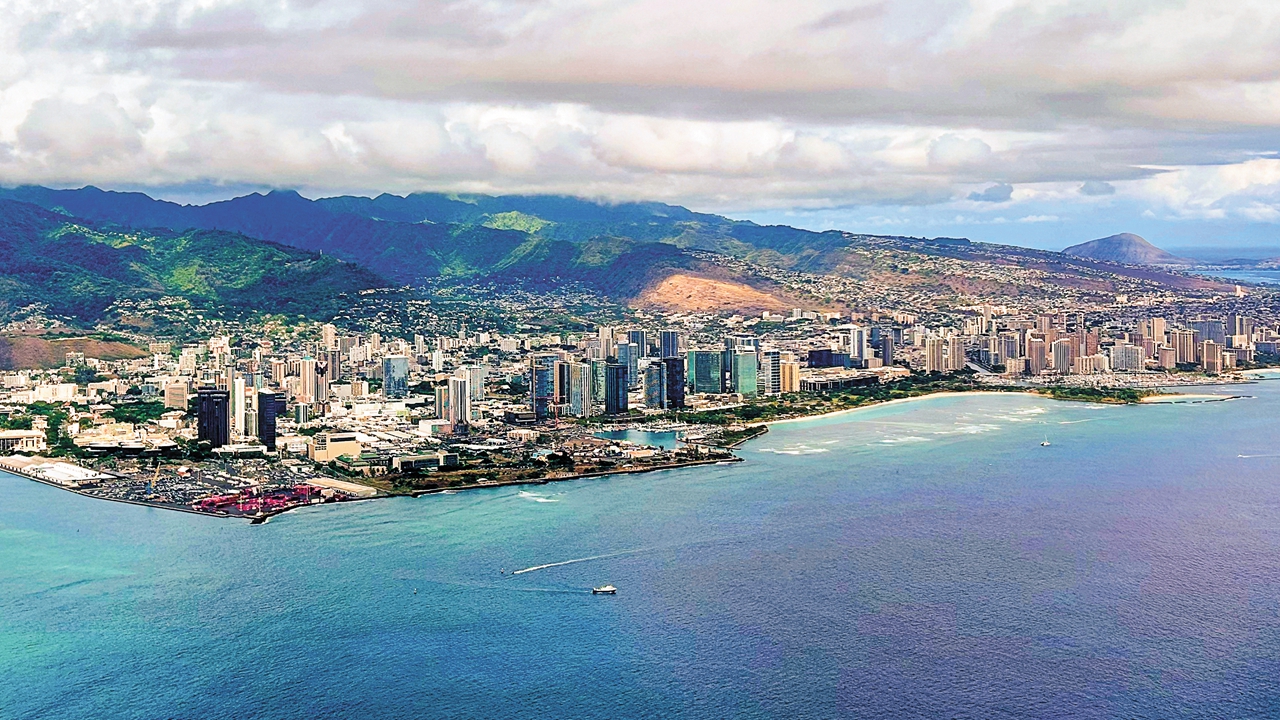
Waikīkī Beach in Honolulu ranks among the world’s most iconic shorelines. Meaning “spouting water” in the native Hawaiian tongue, Waikīkī was once a secluded sanctuary reserved for Hawaiian royalty. Today, it stretches 1.6 kilometers from Kapiolani Park at the base of Diamond Head to the Ala Wai Yacht Harbor. Its most scenic stretch — a 400-meter expanse of pristine white sand and swaying palms — offers calm, turquoise waters set against a backdrop of modern high-rises. Open to the public year-round, it remains a quintessential retreat for visitors from around the globe.
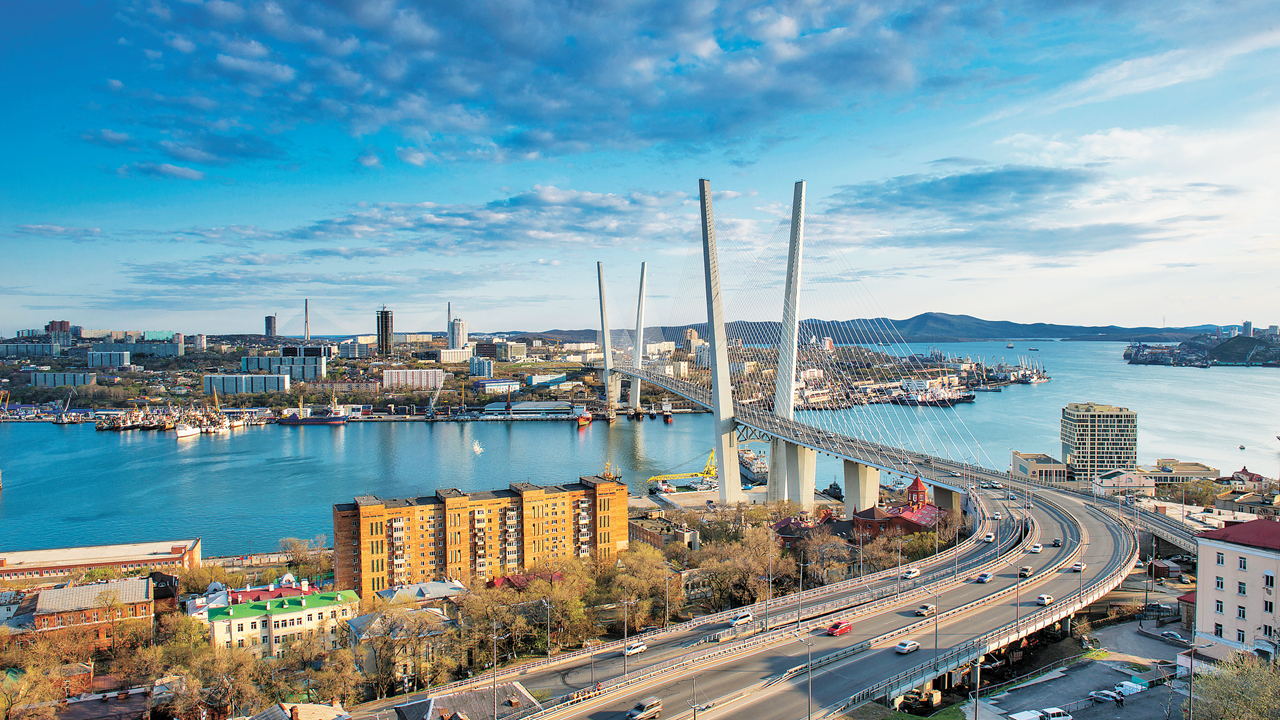
A minute’s walk from the Far Eastern Branch of the Russian Academy of Sciences, Zolotoy Rog Bridge, this iconic 21st-century landmark, spans the Zolotoy Rog (Golden Horn) Bay, after which it is named, connecting the city center with the Pervomaisky District. The 1,388-meter bridge features a main span of 737 meters and a deck height of 60 meters. Its support towers echo the shape of the letter “V.” The bridge also ranks among the world’s 10 longest cable-stayed structures.
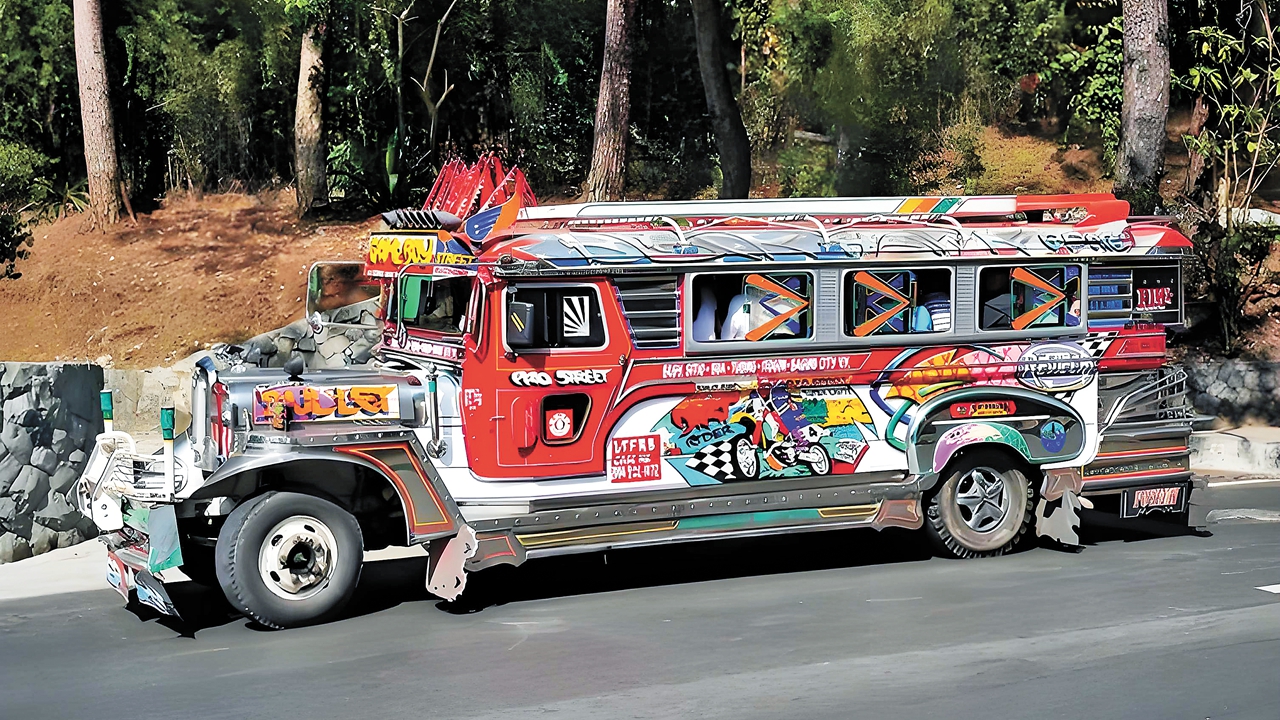
Jeepneys, a quintessential form of Filipino public transport, originated from the modification of U.S. military jeeps left behind after World War II. These vehicles, characterized by extended bodies, metal roofs and vibrant paintwork, typically carry 16 to 20 passengers along fixed routes. Fares — starting at approximately 20 pesos (US$0.36) — are traditionally passed forward by hand among passengers. Often operated by independent owners, the colorful vehicles have become an iconic national cultural symbol. According to CNN Travel, approximately 200,000 jeepneys are zipping around Philippine roads, which makes up nearly 40% of the country’s transportation needs.