
 Share
Share


 Print
PrintMTR Shenzhen rolls out multilingual translation devices to further enhance intl. services
From: Shenzhen Daily
With Shenzhen set to host the 2026 APEC Economic Leaders’ Meeting, its metro system is serving not only as a key transport option, but also a showcase of the city's global image. MTR Shenzhen is stepping up efforts to better serve international travelers by rolling out comprehensive service upgrades aimed at delivering smoother, more efficient journeys.
Checkpoints and transit stations, where passenger traffic are heavy, have particularly strong demand for language support. To bridge communication gaps, multilingual translation devices have been piloted at three major metro stations: Shenzhen North Station and Futian Checkpoint Station on Line 4, and Shenzhen Bay Checkpoint Station on Line 13.
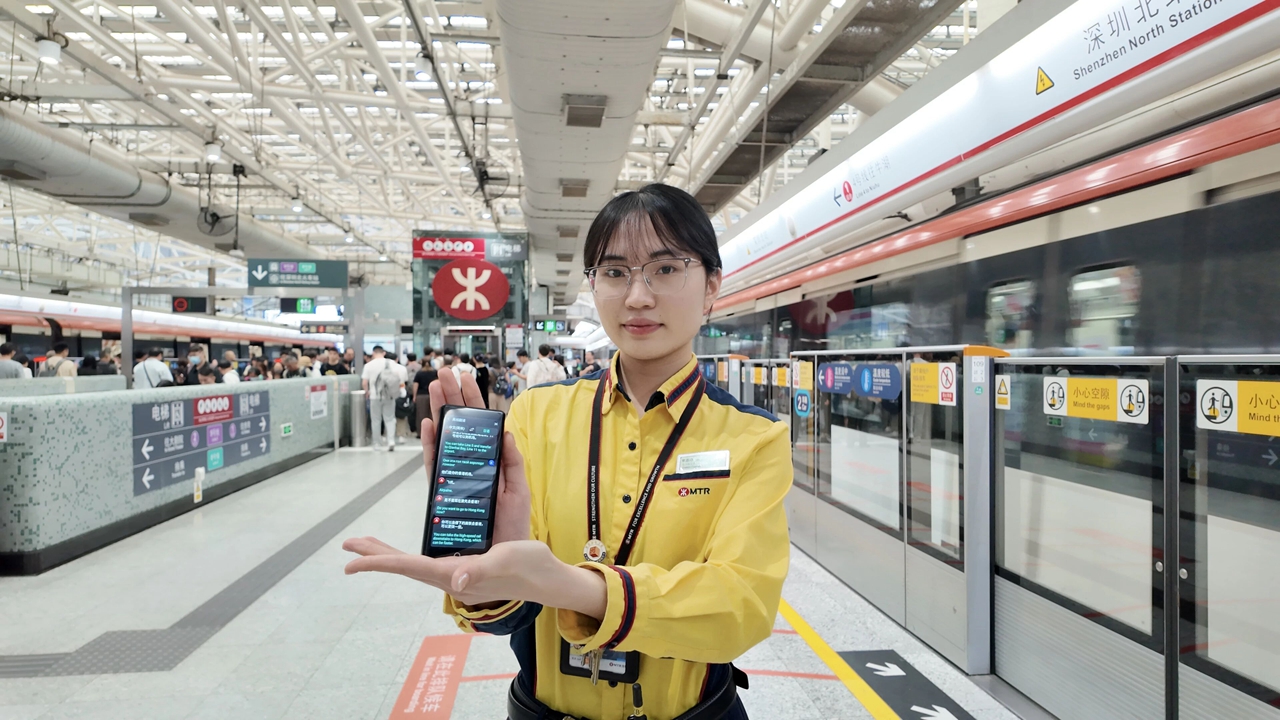
A MTR Shenzhen staffer displays the new multilingual translation device. Photos courtesy of MTR Shenzhen
Compact and easy to operate, the device resembles a mobile phone and can be quickly adopted by frontline metro staff. By selecting a target language and pressing a button, staff can enable real-time voice translation. Passengers can speak naturally in their native language without needing to simplify or adjust their expression.
The device supports a wide range of major languages — including English, French, German, Russian, Japanese, Korean and Arabic — as well as several less widely spoken languages. Combining real-time voice translation with two-way text translation, it can be used across various service scenarios, such as as ticketing, route guidance, emergency assistance and general inquiries.
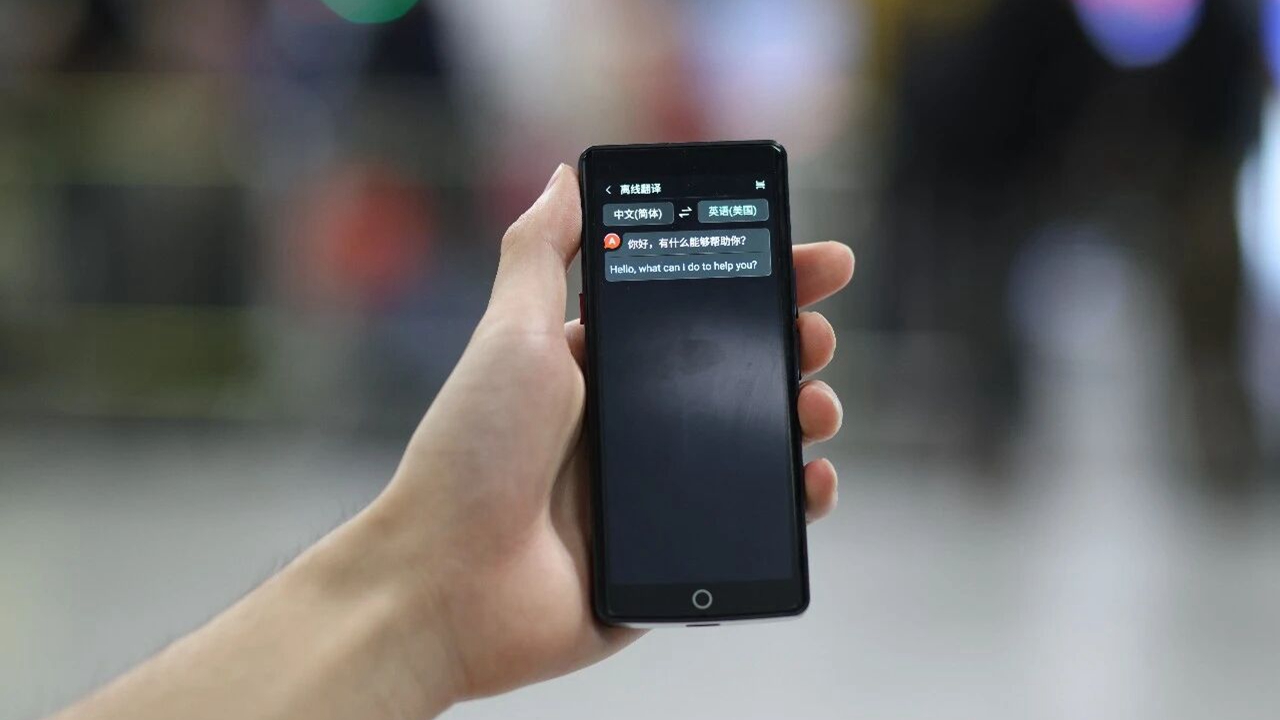
The compact and easy-to-operate translation device has already proven effective.
Since its deployment, the device has already proven effective. In March, an Arabic-speaking traveler was unable to exit Shenzhen North Station due to insufficient fare balance and faced difficulties communicating in both Chinese and English. Station staff used the translation device to quickly understand the situation, assist with fare adjustment, and provide detailed guidance for transferring to high-speed rail services, efficiently resolving the issue.
Beyond smart device upgrades, MTR Shenzhen is also strengthening its international service capabilities. Regular language training programs have been introduced for frontline staff on Lines 4 and 13, focusing on practical skills such as service communication, emergency response and handling passenger inquiries, all tailored to real station scenarios.
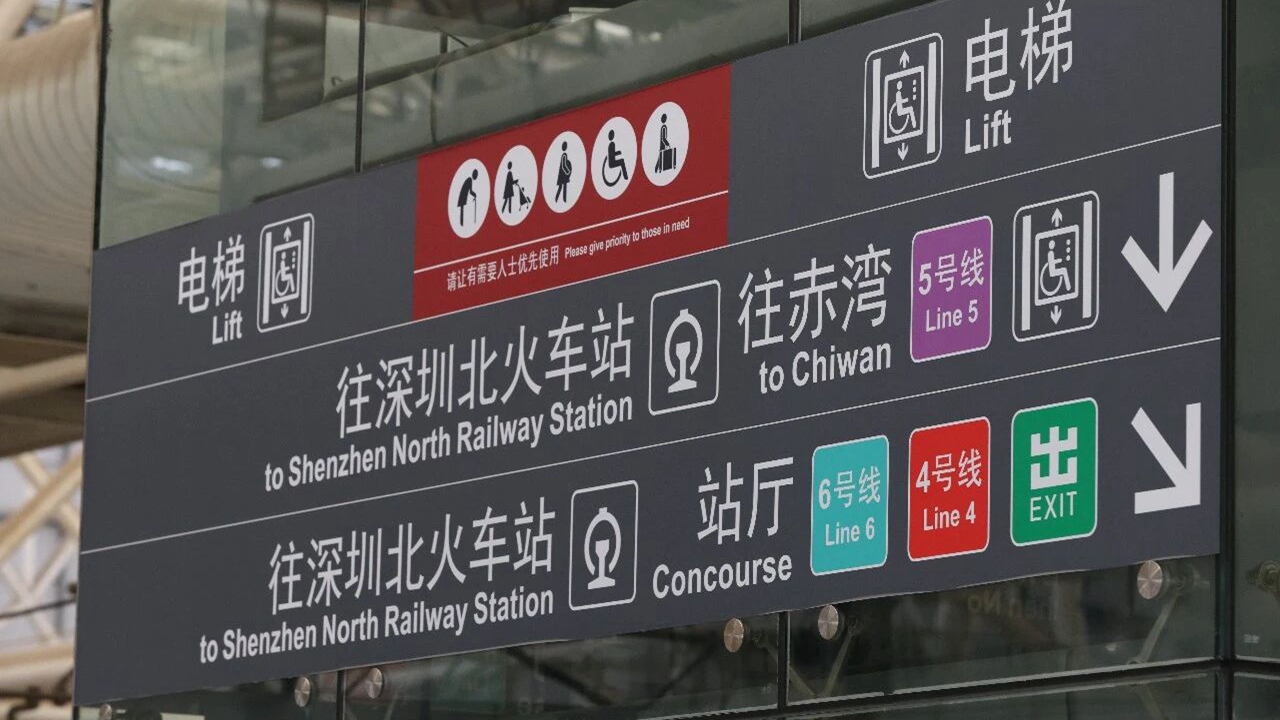
Bilingual singage in Shenzhen North Station.
At the same time, bilingual service infrastructure continues to be improved. All stations under MTR Shenzhen feature now Chinese-English signage, while announcements on platforms and trains are delivered in both languages. Customer service centers provide bilingual passenger guide and station guide brochures covering essential information such as fares, first and last train schedules, and transport transit options, enabling international passengers to plan their journeys independently.
In addition, self-service ticketing machines support Chinese and English interfaces, simplifying ticket purchase and processing. Dedicated POS terminals at stations accept overseas bank cards for ticket purchases and top-ups, while mobile payment options including Alipay, WeChat Pay and the digital renminbi offer further convenience, significantly improving the overall travel experience for international passengers.