
 Share
Share


 Print
PrintPKU forum spotlights Asia-Pacific cooperation ahead of APEC summit
Writer: Yang Mei | Editor: Lin Qiuying | From: Original | Updated: 2026-03-30
The Peking University Shenzhen Forum 2026 (PKU Shenzhen Forum 2026), initiated and organized by the Peking University HSBC Business School (PHBS), was held Saturday afternoon at the Wuzhou Guest House in Futian District.
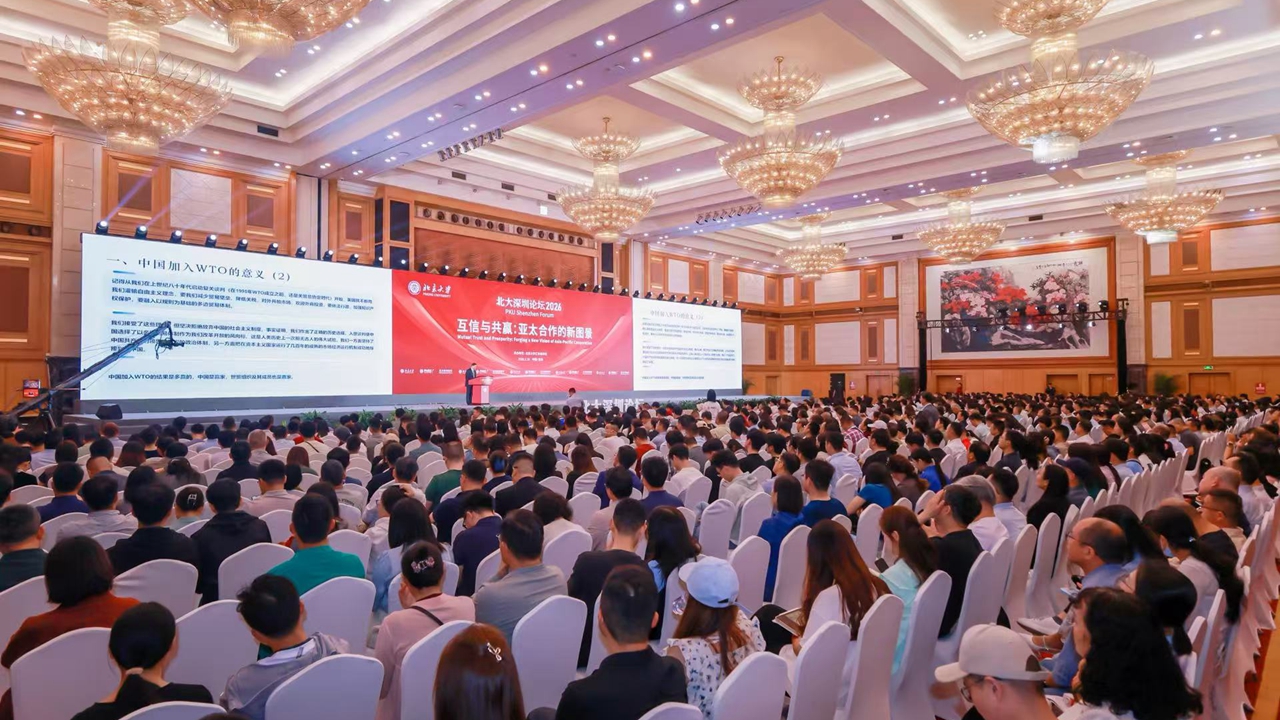 A view of the Peking University Shenzhen Forum 2026. Photos courtesy of the organizers
The forum, which drew over 1,000 audience, gathered five heavyweights from political and academic circles to share wisdom and insights on global governance, regional development, international order, green transformation and mutual learning of civilizations, under the theme of “Mutual Trust and Prosperity: Forging a New Vision of Asia-Pacific Cooperation.” Together, they explored new opportunities, new thoughts and new paths for Asia-Pacific cooperation.
The forum was moderated by Hai Wen, founding dean of PHBS, vice chairman of the Peking University Council, and former vice president of Peking University. In his opening speech, Hai pointed out that the theme of this year’s forum is highly relevant in the context of the 33rd APEC Economic Leaders’ Meeting to be held in November in Shenzhen.
“The founding mission of APEC is to uphold free and open trade and investment, accelerate regional economic integration and promote a sound and sustainable business environment. In today’s turbulent international landscape marked by constant conflict, staying true to this original aspiration is more crucial than ever,” Hai noted.
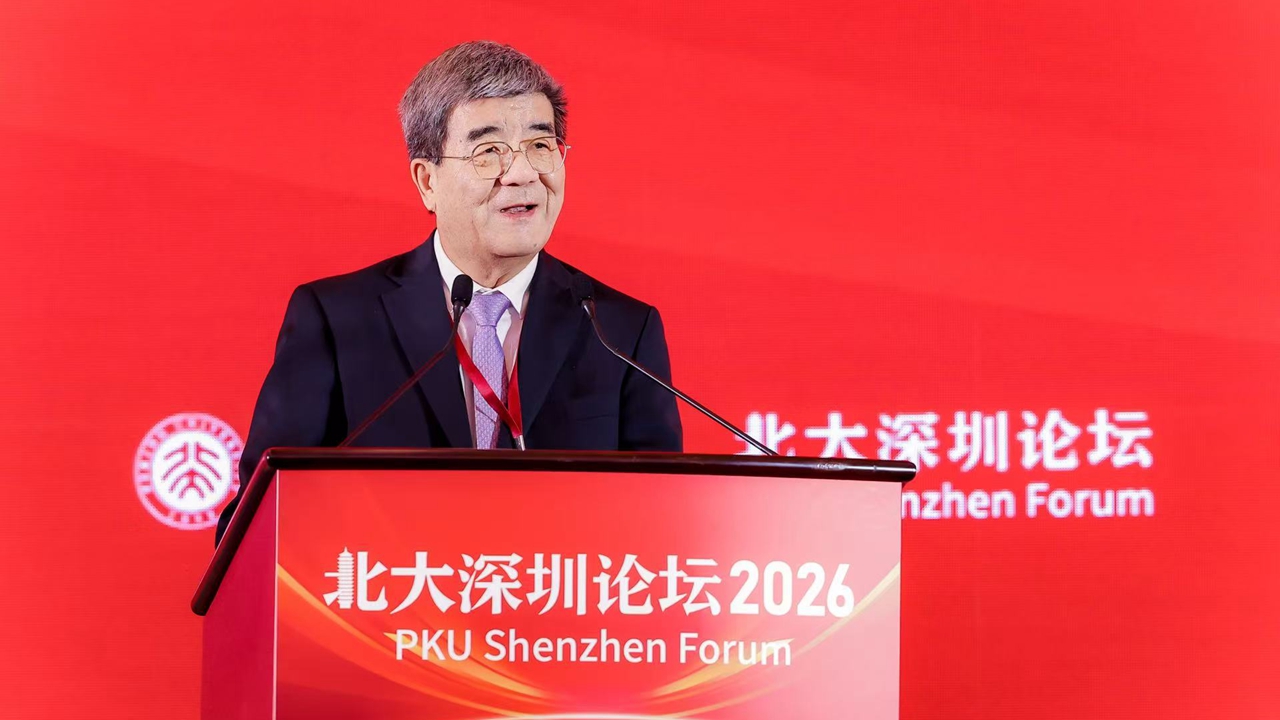
Hai Wen
Promoting international exchange and deepening dialogue between civilizations are vital missions for Peking University, according to Zhang Jin, an academician of the Chinese Academy of Sciences and executive vice president of Peking University.
Speaking at the opening of the forum, Zhang, who also serves as chancellor of the Peking University Shenzhen Graduate School, said he expects the forum to uphold a “gene of openness.”
Zhang also emphasized the importance of addressing real-world challenges through cutting-edge theory and leveraging cross-disciplinary wisdom to expand the scope of cooperation.
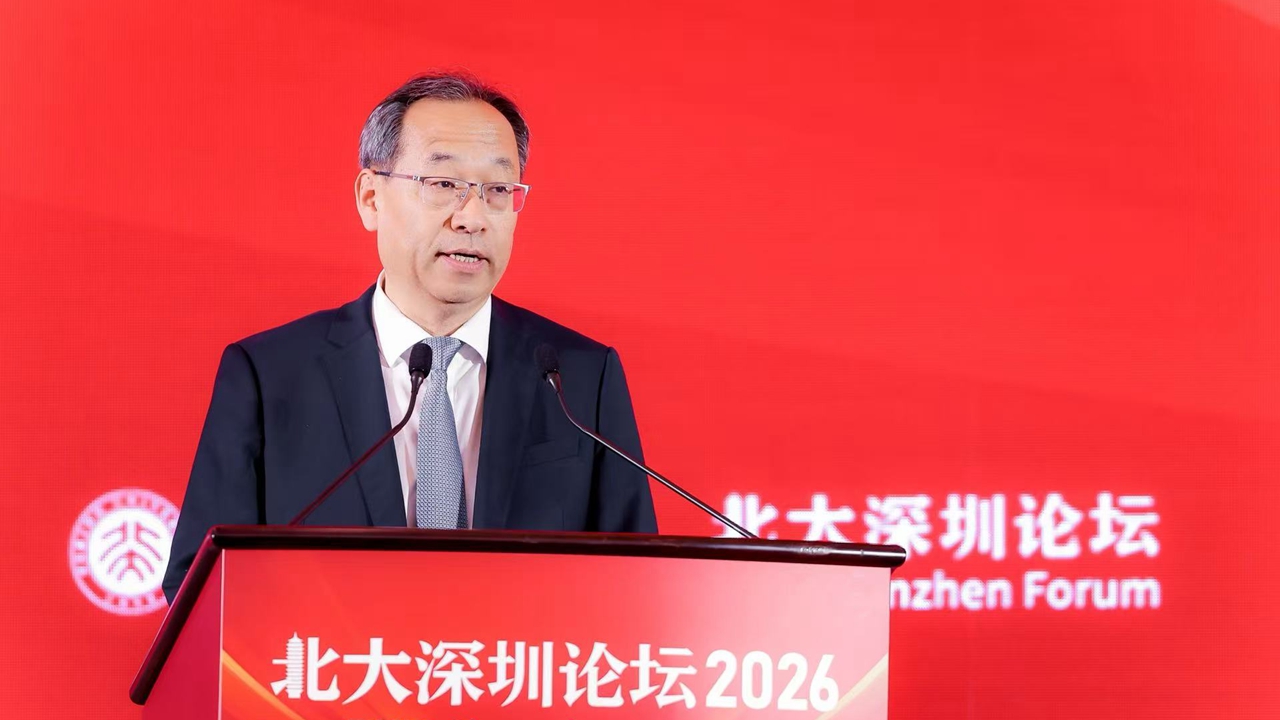
Zhang Jin
China’s accession to the World Trade Organization (WTO) remains an event of “great significance” that requires a steadfast commitment to global trade reform, according to Yi Xiaozhun, former deputy director-general of the WTO.
Delivering a keynote speech titled “Global Trade Governance and APEC Asia-Pacific Economic Integration,” Yi — who also served as China’s former ambassador to the WTO and former vice minister of commerce — emphasized the need to stay the course on the organization's general reform efforts. “China should leverage the upcoming APEC summit in Shenzhen to reaffirm its commitment to trade and investment liberalization,” Yi remarked.
Calling Shenzhen as the “shining calling card” of the Chinese economy, Yi urged the city to leverage its advantages to showcase the nation's vibrant private sector and spirit of self-reliant innovation to APEC leaders.
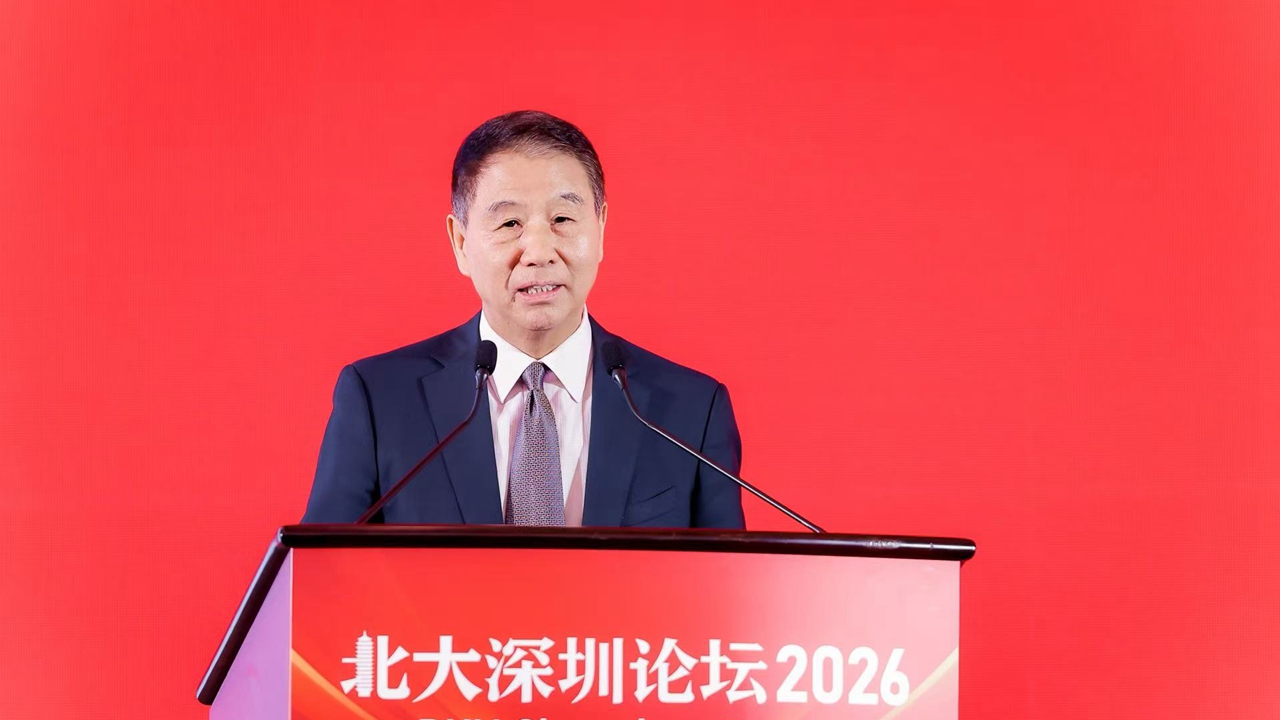
Yi Xiaozhun
Addressing in his keynote speech titled “Chinese Modernization and the Future of the Asia-Pacific,” Zheng Yongnian, dean of the School of Public Policy at the Chinese University of Hong Kong, Shenzhen, stressed that amid a global landscape defined by volatility, China must lean into its internal certainties and high-level opening-up to drive regional stability.
Zheng identified three primary “uncertainties” facing the modern world: escalating geopolitical conflicts, the rapid rise of artificial intelligence, and global economic imbalances. However, he balanced these with three “certainties”: the reality of a “G2” dynamic between China and the U.S., the Asia-Pacific’s firm position as the center of the global economy, and the inherent stability of China’s own development.
He said China should use the APEC summit in Shenzhen as a catalyst to break through current stalemates through an “open and inclusive” model of Chinese modernization.
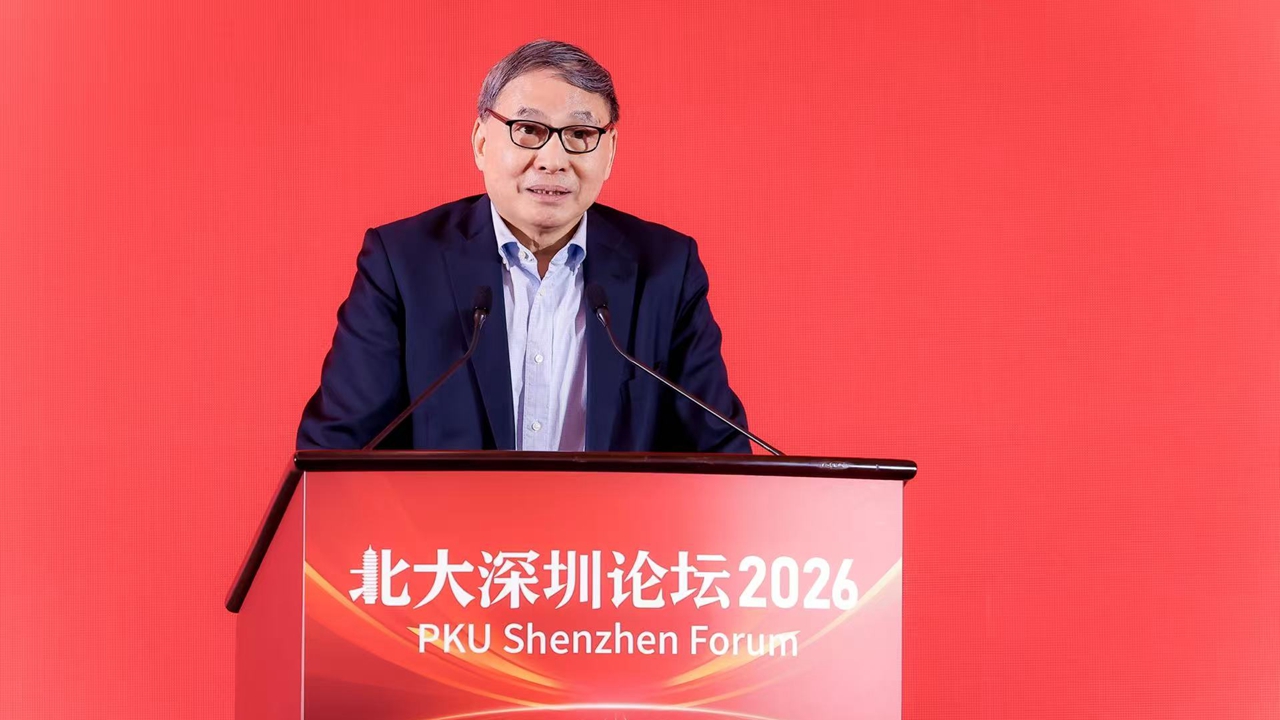
Zheng Yongnian
China must boost its total factor productivity and spearhead a new global governance framework to navigate the accelerating breakdown of the U.S.-led global order, said Wing Thye Woo, vice president for Asia of the U.N. Sustainable Development Solutions Network (SDSN), during a keynote speech titled “Meeting the Challenges of Internal Economic Dynamism and Deglobalization.”
Woo, a distinguished professor emeritus at the University of California, Davis, analyzed China’s recent economic data and called for the elimination of “soft budget constraints.” He argued that advancing supply-side structural reforms is essential to flipping total factor productivity from negative to positive growth. Such a shift, he noted, would enhance economic resilience against the shocks of a restructuring global order.
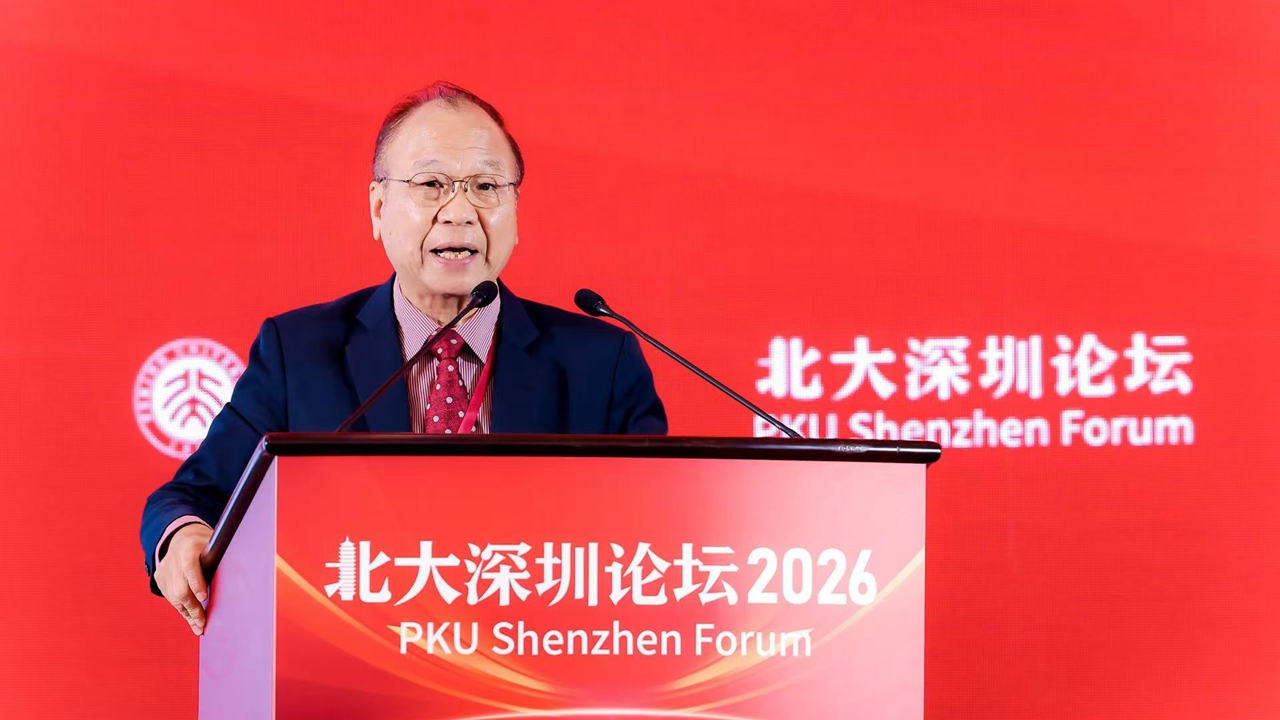
Wing Thye Woo
In a keynote speech titled “New Paradigms for Chinese Enterprises Going Global Against the Backdrop of Global Restructuring,” Wang Huiyao, founder and president of the Center for China and Globalization (CCG), said Chinese companies are now leading the world’s green transition.
Wang noted that this expansion has evolved from a model of “In China, For the World” to a deeper stage of globalization characterized as “In the World, For the World.”
He also emphasized the role of Chinese think tanks in bridging communication between China and the international community. By acting as a link, Wang said these institutions can contribute greater expertise and support for both the globalization of Chinese business and the improvement of global governance.
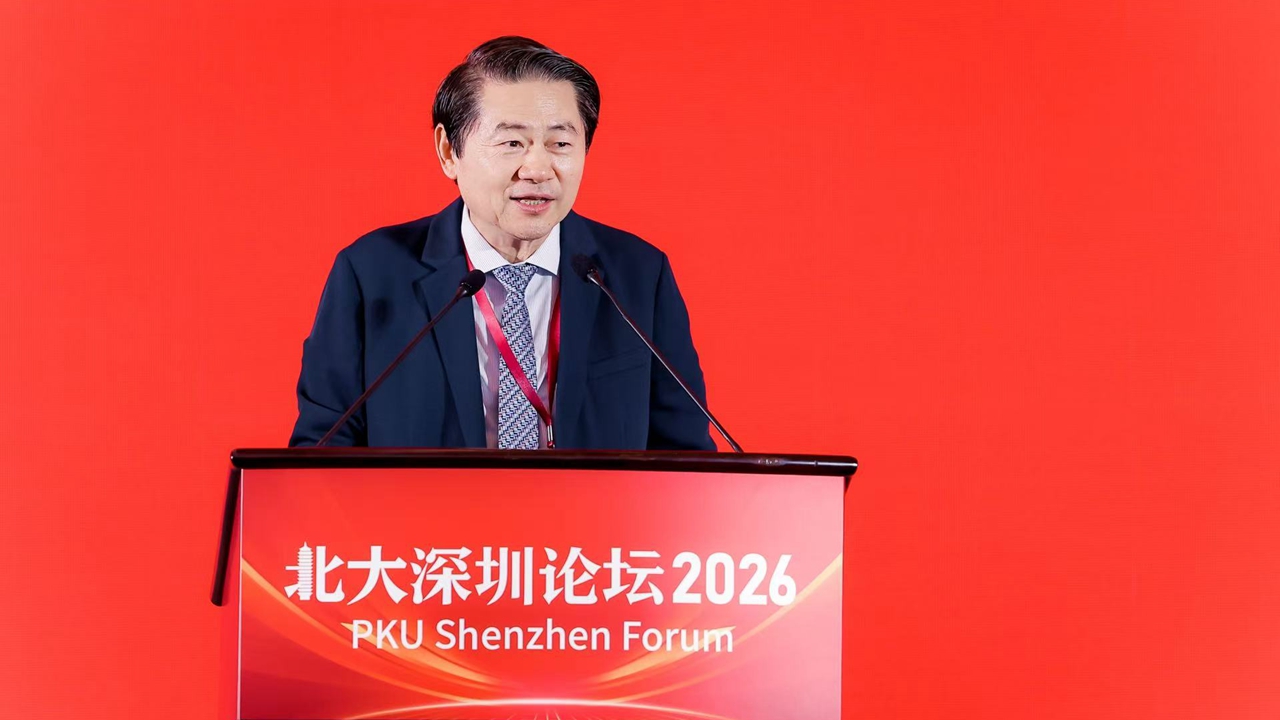
Wang Huiyao
Asia stands at a new historical starting point to contribute to a shared global future, according to Qian Chengdan, a Boya Chair Professor at Peking University and founding director of the Institute of Area Studies.
In a keynote speech titled “Embracing a Diverse Asia for Cooperative and Mutually Beneficial Development,” Qian outlined four key pillars: the global importance of Asia, the “kaleidoscope” of civilizational diversity, the dialectic between commonality and individuality, and the need to dismantle “Western-centrism” through the study of Asian civilizations.
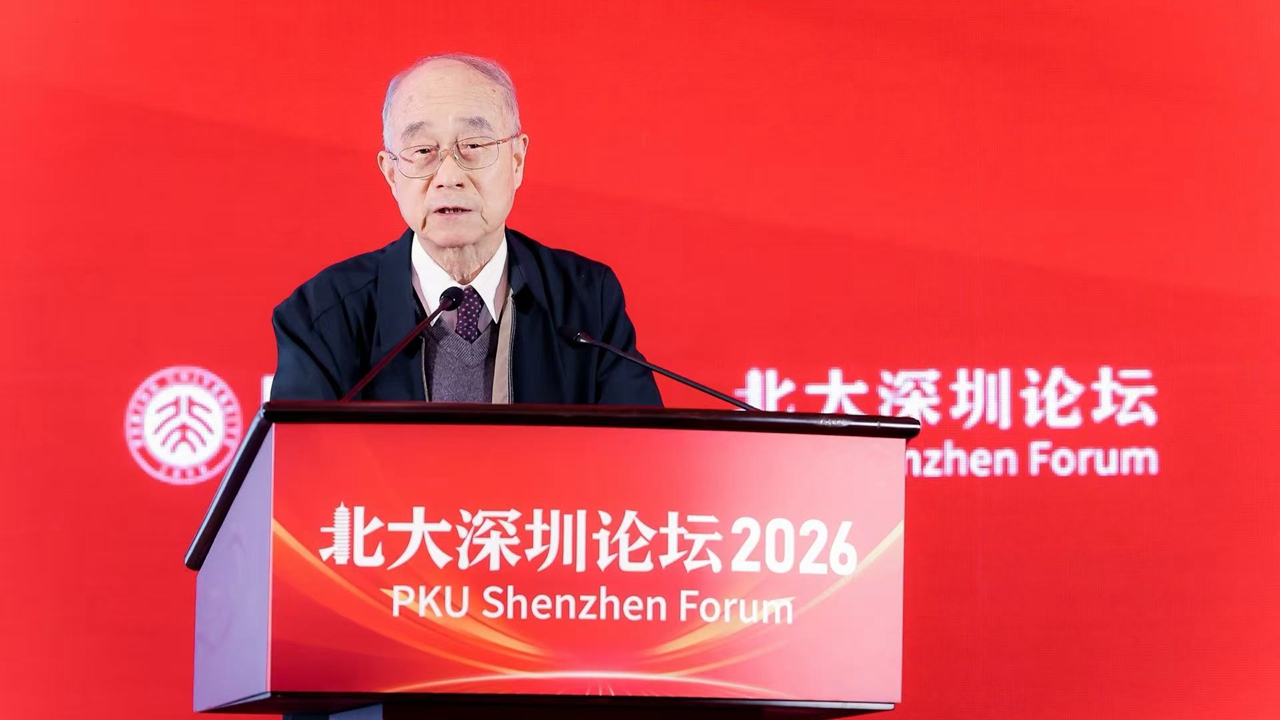
Qian Chengdan
Qian noted that diversity is the essential characteristic of civilization, with Asia serving as the ultimate model. He argued that Asia’s role in the birth and evolution of human civilization is "unparalleled."
Facing the opportunities and challenges of the 21st century, Qian said the task of building a community with a shared future for mankind belongs to all civilizations that have regained their equal status.
The PKU Shenzhen Forum, established in 2007, was originally an academic forum of the Peking University Shenzhen Graduate School. Since moving off campus in 2021, it has broadened its discussions beyond its original focus on economics and finance to include topics such as technology and international relations.